
10170931
Beschreibung

Mindmap von Sara Yamile Mendoza Gonzalez, aktualisiert more than 1 year ago

|
Erstellt von Sara Yamile Mendoza Gonzalez
vor mehr als 8 Jahre
|
|
Science
- Vocabulary
- organism
- cell
- kigdorm
- fundamental
- moss
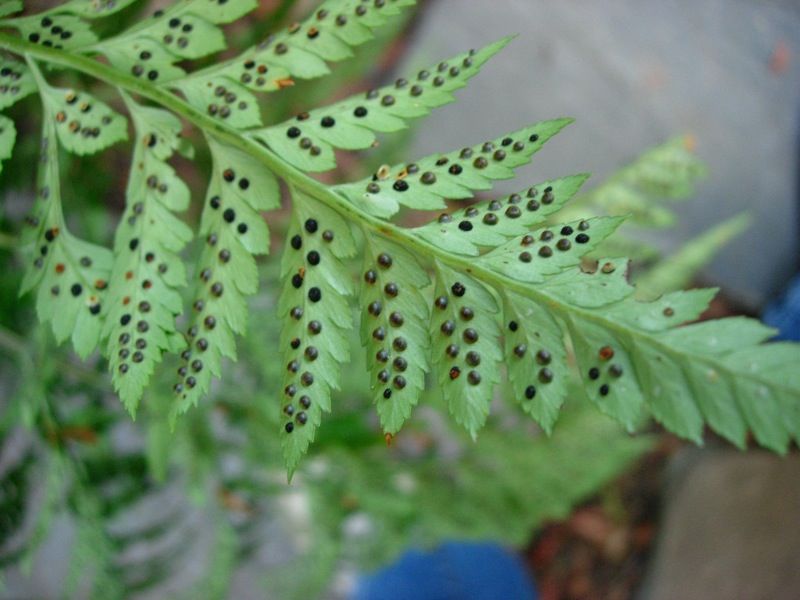
- fern
- scales
- gill
- graze
- rafflesia
- organism
- Plant & animal kingdom
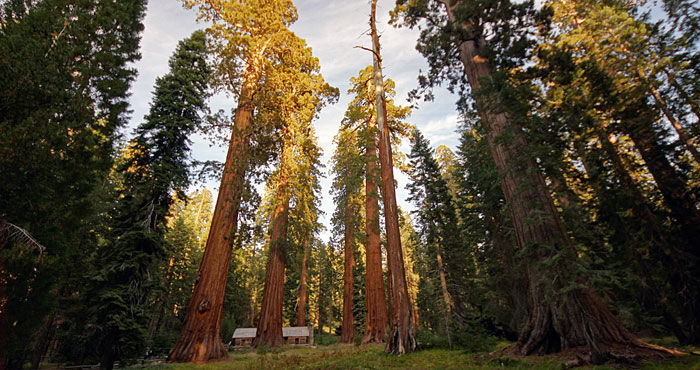
- The most massive living
thing on Earth are the
Sequoia trees from
California.
- All living things
are called
organisms.
- They are made
from one or more
cells.
- They are made
from one or more
cells.
- Scientists divide organisms into 5 kingdoms
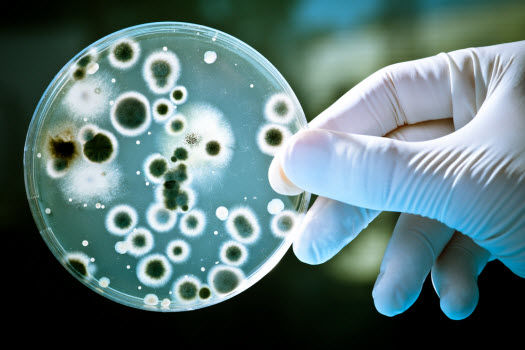
- Bacteria
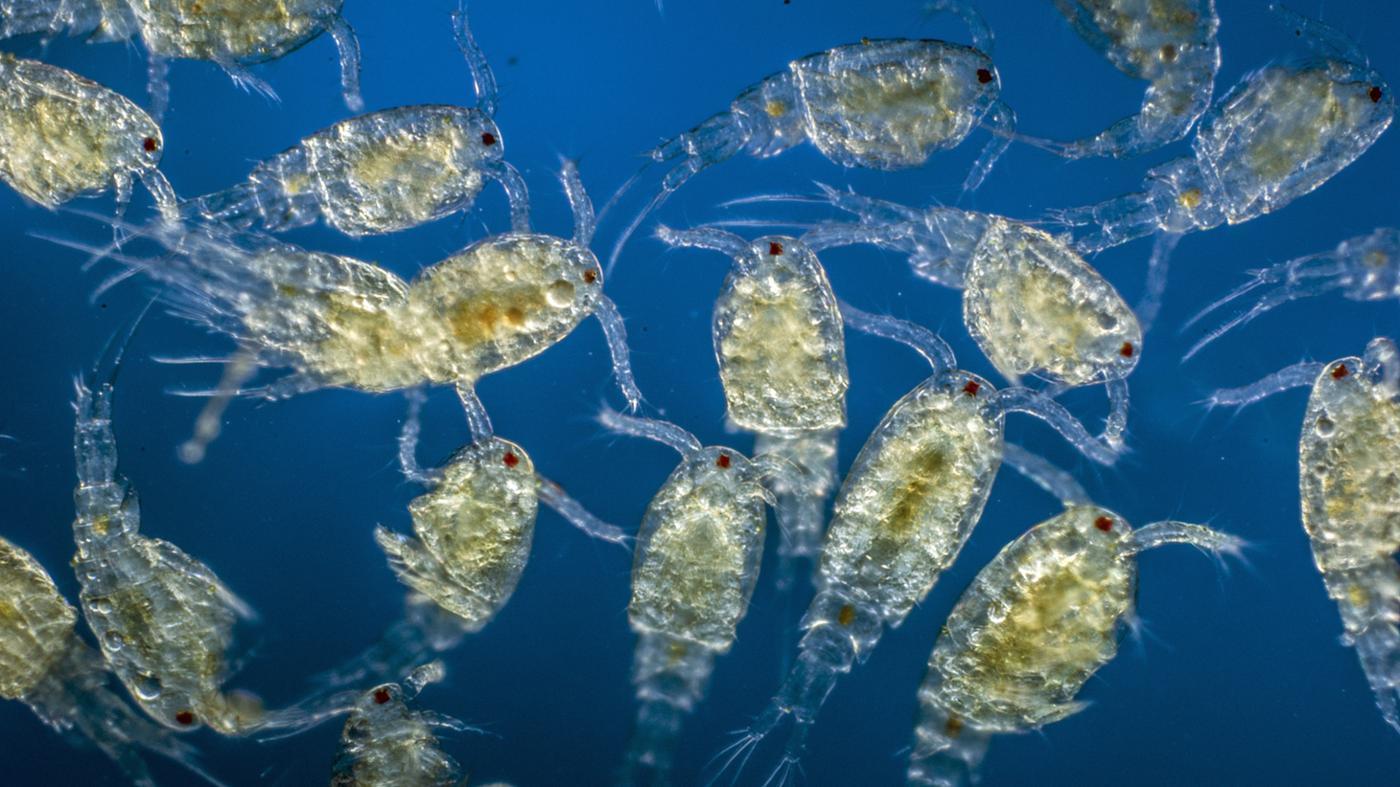
- Protists
- Fungi
- Plants
- Animals
- Bacteria
- The most massive living
thing on Earth are the
Sequoia trees from
California.
- Bacteria, Protists & Fungi
- Bacteria
- One cell
- Only seen by a microscope.
- Some make their own food.
- Some medicines are made from bacteria.
- One cell
- Protists
- Made of one or more cells
- Found mostly where is water
- Can have parts that move
- Some can make their own
food.
- Can be small
or large as a
giant kelp
- Made of one or more cells
- Fungi
- Can be one
cell or more.
- They
absorb
food.
- Are known as
"descomposers".
- Are known as
"descomposers".
- Can be one
cell or more.
- Some are
helpful like
yeast or
mold.
- We can eat
some kind
of Fungi.
- We can eat
some kind
of Fungi.
- Bacteria
- Plants
- Make their own food
trough photosynthesis.
- Most of them
have
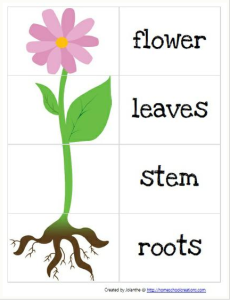
roots,stem &
leaves.
- Roots take
water &
minerals.
- Stem helps
to hold the
plant.
- Leaves make the
photosynthesis.
- Roots take
water &
minerals.
- Most have flowers
that manufacture
their seeds and fruit.
- The sepal its the
green part of a
flower bud
- The colorful part are the
petals.
- The stamen has pollen
and moves to its pistil.
This is called pollination.
- Ferns and mosses
reproduce with spores.
- Conifers have
cones which
produce seeds.
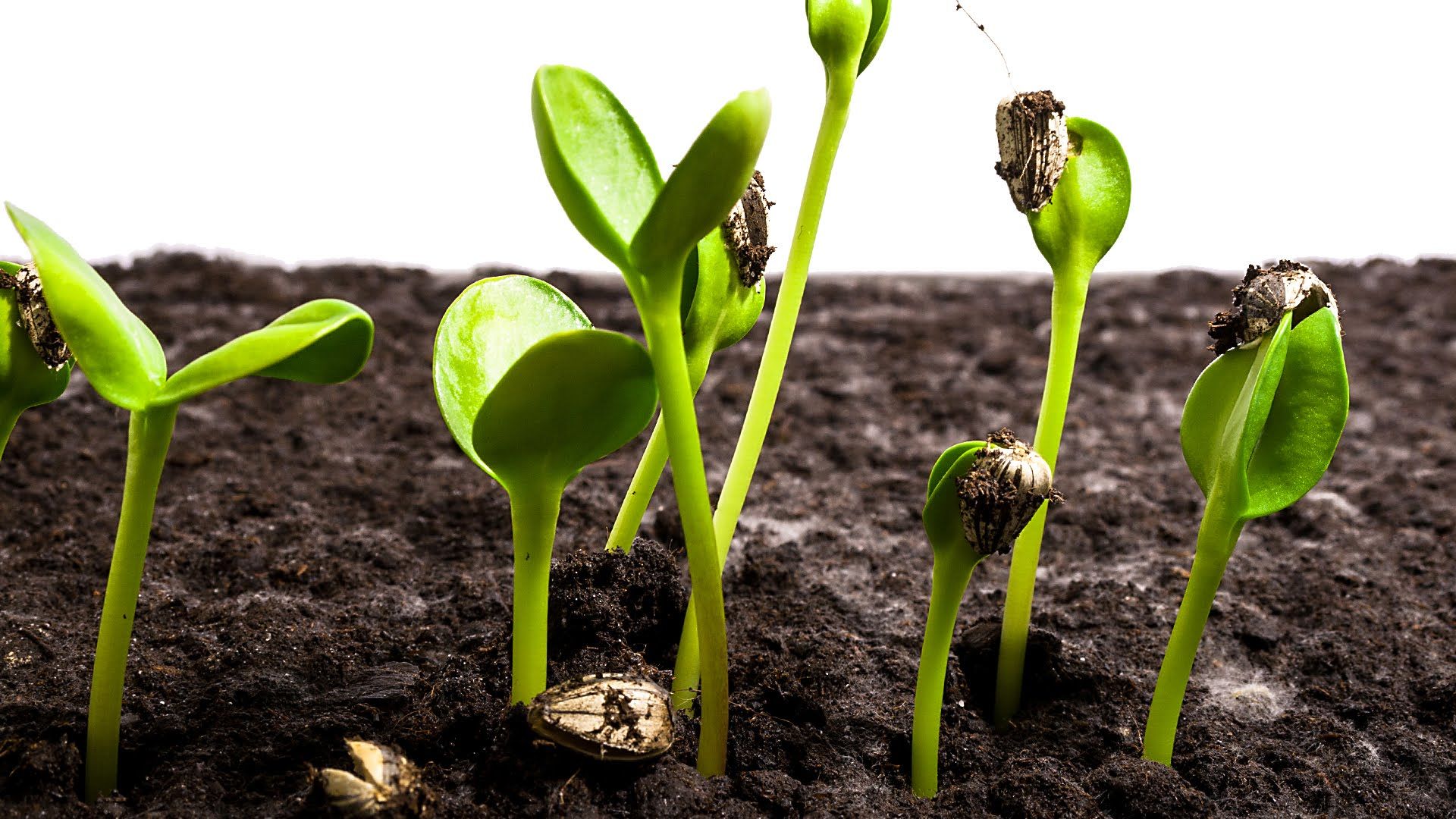
- If a seed gefts enough
water, and
temperature, it will
germinate.
- Most of them
have
roots,stem &
leaves.
- Make their own food
trough photosynthesis.
- Animals
- Are divided into
- backbones
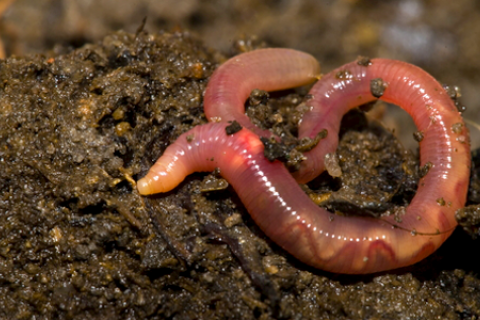
- worms
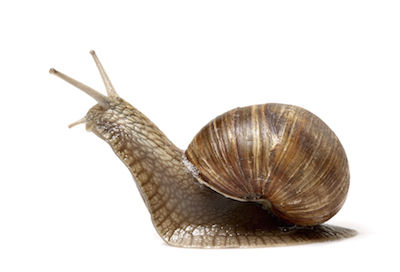
- snails
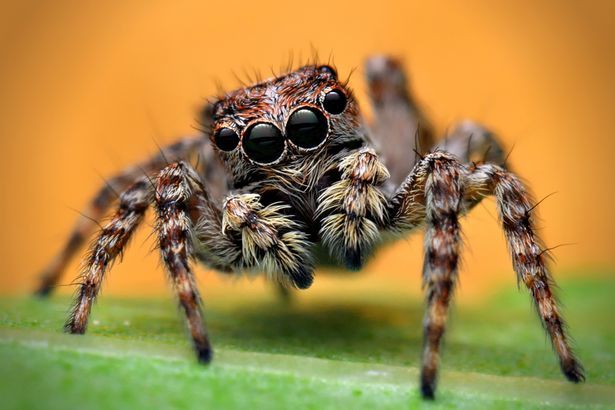
- spiders
- worms
- without backbones,
which are divided in
- warm-blooded
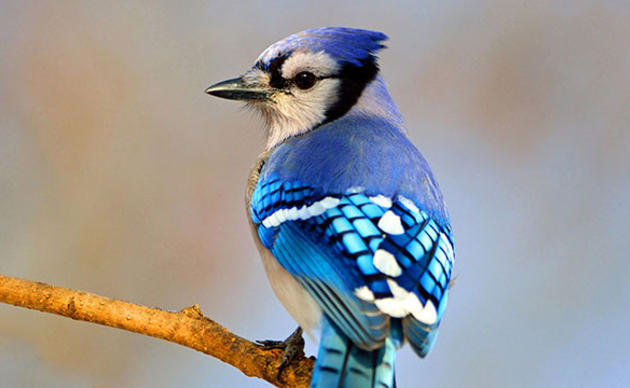
- birds
- Are covered with feathers
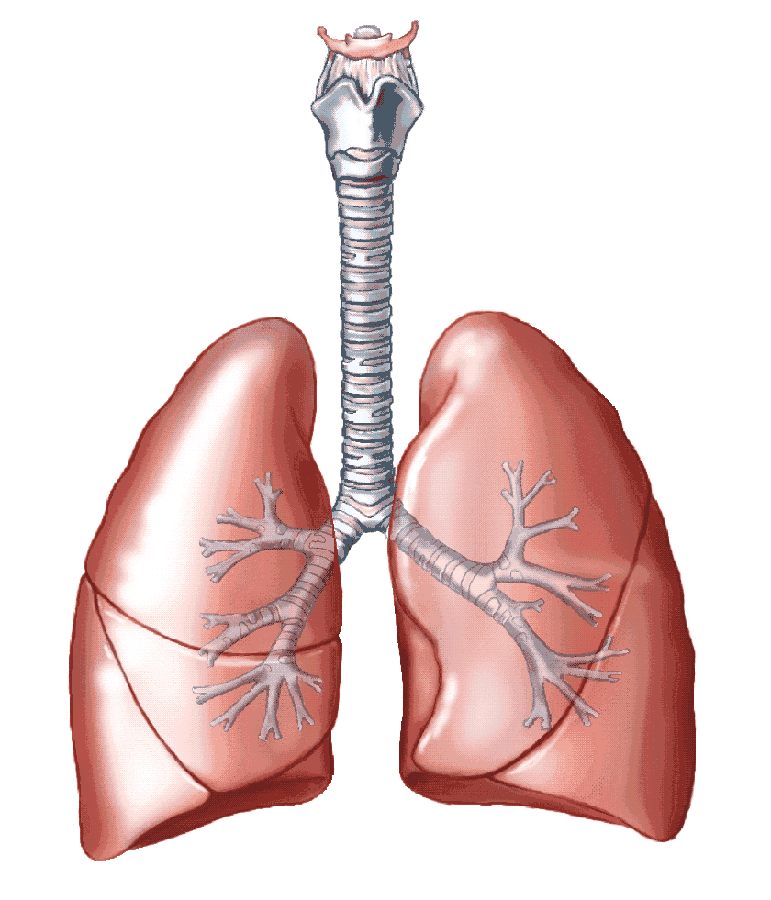
- Have lungs.
- Hatch from eggs.
- Are covered with feathers
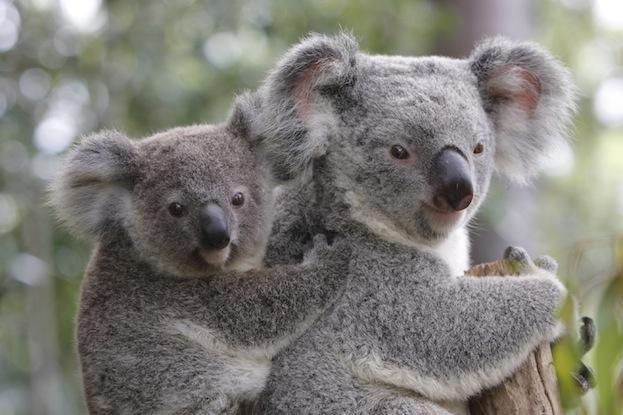
- mammals
- Have hair or fur.
- Most grow
inside their
mother's
body.
- Have hair or fur.
- birds
- cold-blooded
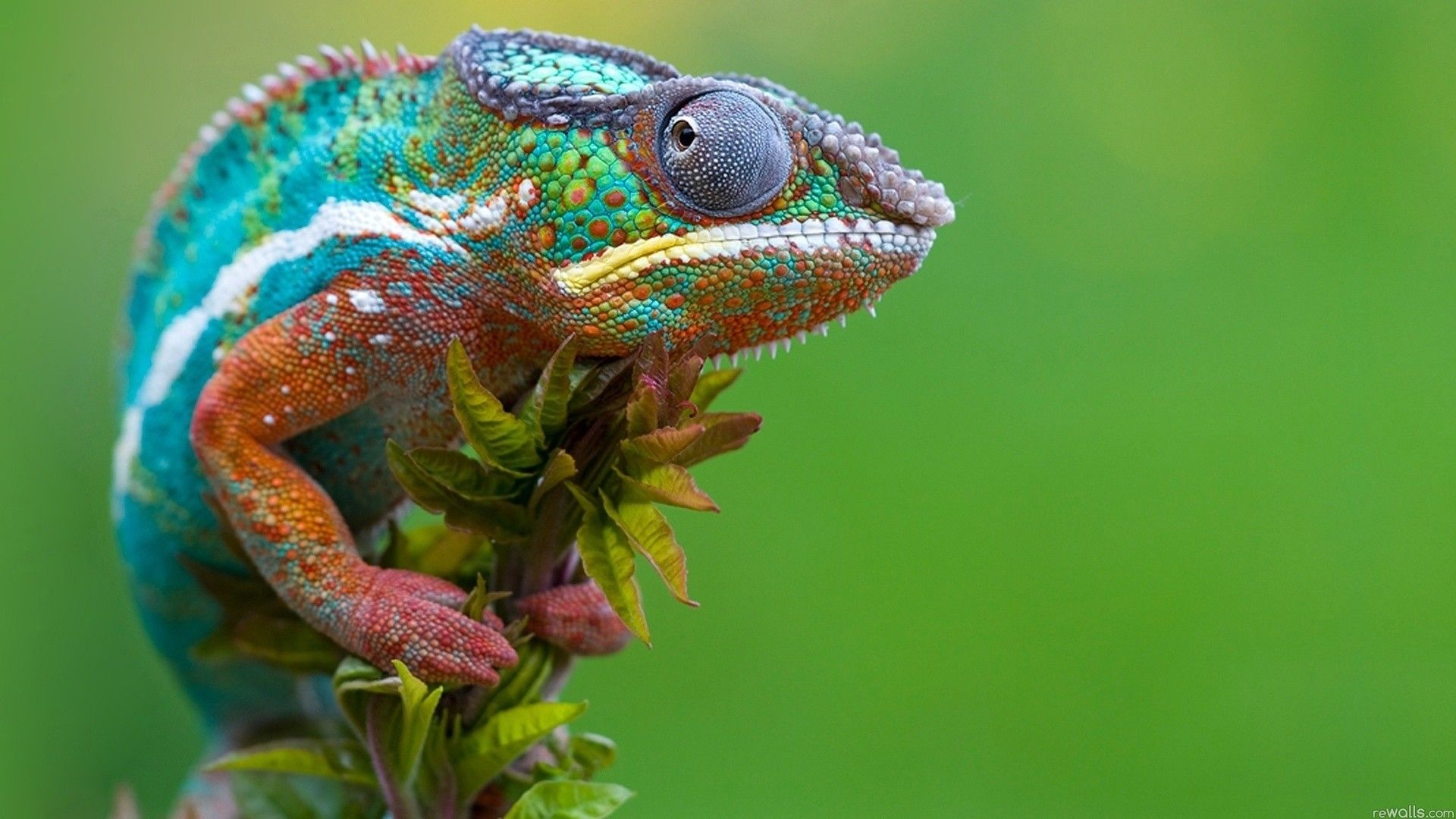
- reptiles
- scales
- lungs
- lay eggs
- scales
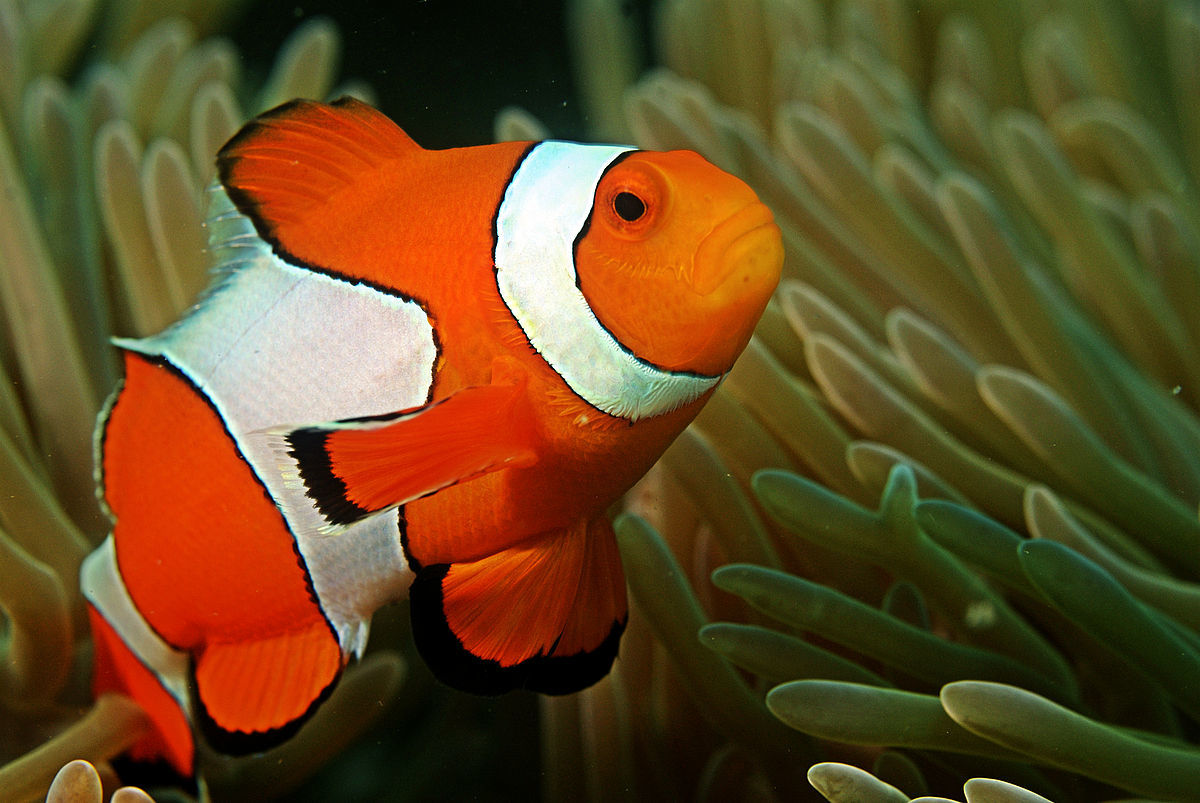
- fish
- scales
- gills
- lay eggs
- scales
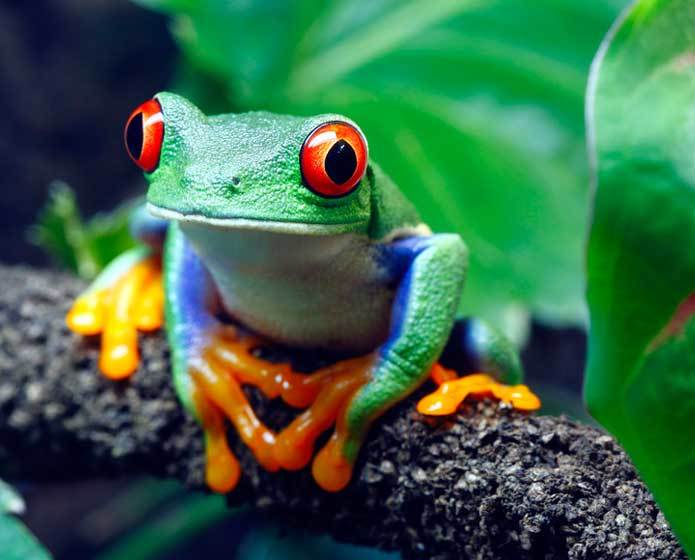
- amphibians
- Live in water and land.
- Born from an egg as a
tadpole. They have
gills.
- Gradually spots legs
and develop lungs.
- Live in water and land.
- reptiles
- warm-blooded
- They breathe
oxygen and move.
- backbones
- Are divided into
Medienanhänge
Möchten Sie kostenlos Ihre eigenen Mindmaps mit GoConqr erstellen? Mehr erfahren.