
10277874
Beschreibung

Mindmap von Rebecca Guy, aktualisiert more than 1 year ago

|
Erstellt von Rebecca Guy
vor mehr als 8 Jahre
|
|
Second Language Acquisition
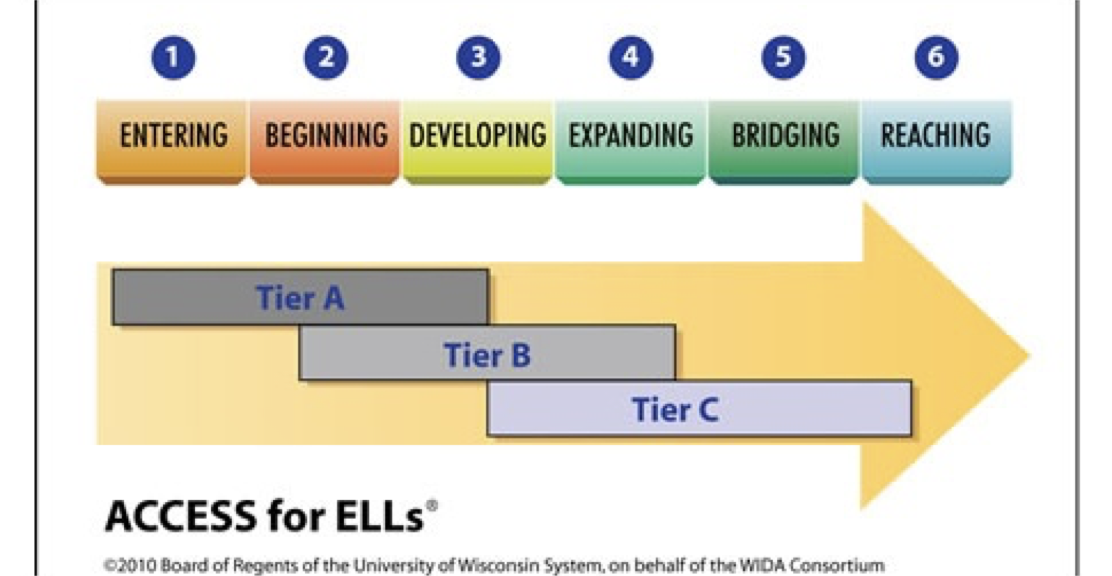
- W-APT
- Proficiency test for ELLs
- 6 steps
- 1 - Entering
- 2 - Beginning
- 3 - Developing
- 4 - Expanding
- 5 - Bridging
- 6 - Reaching
- At this point, a student tests out of an ESL program
- At this point, a student tests out of an ESL program
- 1 - Entering
- Combines with CAN DO descriptors
- Helps a teacher know what they can expect from a student based off of
their proficiency level
- Helps a teacher know what they can expect from a student based off of
their proficiency level
- Proficiency test for ELLs
- BICS vs. CALP
- BICS: Basic Interpersonal Communicative Skills
- A student's fluency when
speaking with friends in the
classroom
- Can be picked up in 2 to 3 years
- A student's fluency when
speaking with friends in the
classroom
- Jim Cummins
- CALP: Cognitive Academic Language Proficiency
- A student's ability to read, write,
and complete academic work at
the proficiency level of their grade
- Takes about 5-7 years to be at the
same level as their peers
- Many teachers are confused why their students can communicate verbally well, but struggle in the classroom.
The difference between CALP and BICS is the reason why there seems to be a disconnect. Therefore, teachers
should be more patient with their students as they are catching up on the CALP for their grade level.
- A student's ability to read, write,
and complete academic work at
the proficiency level of their grade
- BICS: Basic Interpersonal Communicative Skills
- Critical Period Hypothesis
- Eric Lenneberg
- A second language is best learned between the age of 2 and puberty
- The ability to learn a second language is negatively affected once lateralization is complete
- Lateralization is when the two sides of the
brain develop separate functions
- Lateralization is when the two sides of the
brain develop separate functions
- Young learners are actually NATIVE SPEAKERS of both languages learned before the age of 5
- Eric Lenneberg
- Stages of Second Language Acquisition
- Preproduction
- Silent period; Students understand more than they produce
- Teachers should not force students to speak, but rather should ask the learner to draw or point out things
- Silent period; Students understand more than they produce
- Early Speech Production
- Students can produce one or two words at a time; they start to learn phrases
- The teacher should ask the student either yes/no questions or either/or questions.
- Students can produce one or two words at a time; they start to learn phrases
- Speech Emergence
- The student speaks in phrases, makes a lot of
errors, and even mixes languages together
- The teacher should ask the student WH questions (what, who, where, why)
- The student speaks in phrases, makes a lot of
errors, and even mixes languages together
- Intermediate Fluency
- The student appears orally fluent, but
still struggles with reading and writing
- The teacher should modify higher level
questions to be accessible to the student
- The student appears orally fluent, but
still struggles with reading and writing
- Preproduction
- Universal Grammar
- Noam Chomsky
- All languages rest on the
same building blocks;
nouns, verbs, adjectives,
etc.
- Teachers could use this
theory to aid ELLs in
learning English by helping
their students to
understand the
grammatical differences
between their home
language and English
- Noam Chomsky
- Input Hypothesis
- Stephen Krashen
- Everyone acquires language the
same way, through pictures and our
understanding of the world
- If we understand the message that someone
is trying to get across, we learn the
words/language they were using faster
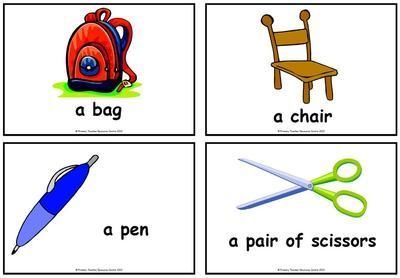
- Teachers can use this theory by using models,
pointing to objects, and even labelling things
around their classroom in different languages
- Stephen Krashen
Medienanhänge





Möchten Sie kostenlos Ihre eigenen Mindmaps mit GoConqr erstellen? Mehr erfahren.