
11114305
Beschreibung

Mindmap von Jentoria Dingesa, aktualisiert more than 1 year ago

|
Erstellt von Jentoria Dingesa
vor etwa 8 Jahre
|
|
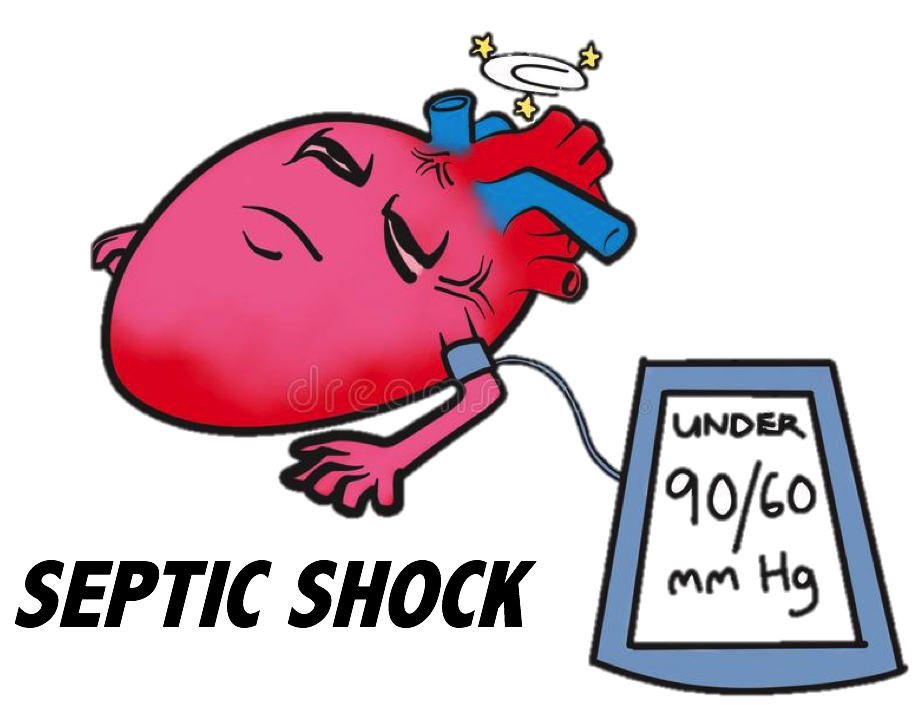
SEPTIC SHOCK
- ASSESSMENT
- Clinical Manifestations
of Stages of Septic
Shock
- Stage I:
Compensatory
Stage
- Activation of SNS to
compensate for the
hypotension & ↓
cardiac output.
- Tachycardia (↑HR >90
beats/min)
- pulse present
- pulse present
- ↑Epinephrine &
Norepinephrine=
vasoconstriction
- BP adequate to
provide vital
organs)
- Normal BP with
narrow pulse
pressure
- Slight drop in
BP
- Normal BP with
narrow pulse
pressure
- BP adequate to
provide vital
organs)
- Tachycardia (↑HR >90
beats/min)
- ↓Renal Blood flow &
perfusion
- ↓Urinary
Output
- Edema- due to
fluid Retention
- Edema- due to
fluid Retention
- ↓Urinary
Output
- ↓Blood flow to Lungs
- Tachypnea (>20
breaths/minute)
- ↑Ventilation- perfusion
mismatch)
- Tachypnea (>20
breaths/minute)
- Anxious, restlessness,
& combative
- Flushed Skin
- due to systemic
vasodilation
- due to systemic
vasodilation
- Activation of SNS to
compensate for the
hypotension & ↓
cardiac output.
- Stage II: Progressive/
Decompensated
Stage
- **Hypotension
- SBP ≤
90mmHg
- MAP ≤ 65mmHg
- ↓SBP of
>40mmHg
- ↓Peripheral
perfusion
- Weak or Absent
pulses
- DIstal extremeties
ischemia
- Hypothermia (core
temperature <36
°C)
- Cool &
Clammy
skin
- Hypothermia (core
temperature <36
°C)
- ↓Capillary refill (>2sec)
- Weak or Absent
pulses
- SBP ≤
90mmHg
- ↓Cerebral perfusion
- Altered Mental Status
- Listless or Agitated
- ↓Responsiveness to stimuli
- Unconciousness
- Listless or Agitated
- Altered Mental Status
- Myocardial ischemia or
Infraction
- Dysrrhthmia
- Dysrrhthmia
- Acute Respiratory
Distress Syndrome
- Moist Crackles
- Alveolar
edema
- Moist Crackles
- Tachypnea (>20
breaths/min)
- PaCO2 <32mmHg
- PaCO2 <32mmHg
- ↓Urinary output
- Tacycardia (>90
beats/min)
- **Hypotension
- Stage III: Refractory
Stage ***END STAGE
(IRREVERSIBLE)
- Loss of
conciousness
- Unresponsive
to stimuli
- Pupils dilated
and
unresponsive
- Loss of reflexes
- Unresponsive
to stimuli
- Profound
Hypotension &
Bradycardia
- ↓CO
- ↓BP inadequate
to perfuse vital
organs
- ↓BP inadequate
to perfuse vital
organs
- ↓CO
- Respiratory
failure
- Hypoxemia
- Hypoxemia
- Anuria
- Disseminated
Intravascular
coagulation
- Loss of
conciousness
- Initial stage
- Asymptomatic
- Adequate perfusion &
oxygenation to vital
organs
- Adequate perfusion &
oxygenation to vital
organs
- Reversible
- Cells switch to anaerobic
metabolism due to lack of
perfusion caused by
vasodilation.
- Produce pruvic and
lactic acid.
- Rise in lactic
acid level
- Rise in lactic
acid level
- Produce pruvic and
lactic acid.
- presence of
sepsis
- Fever
(Temperature>38.3°C)
- Positive blood
culture
- Fever
(Temperature>38.3°C)
- Asymptomatic
- Stage I:
Compensatory
Stage
- Rick Factors
- Current
infection
- Pneumonia
- Appendicitis
- UTI
- Endocarditis
- Pneumonia
- Age
- Elderly
- Decreased
functioning of
the immune
system
- Decreased
functioning of
the immune
system
- Young children/infants
- Organ and
immunological
immaturity and inability
to self manage hygiene,
more susceptible to
UTIs and other
infections
- Organ and
immunological
immaturity and inability
to self manage hygiene,
more susceptible to
UTIs and other
infections
- Elderly
- Medical History
- Indwelling
catheter (IV,
urinary)
- Immunocompromised
(AIDS, chemotherapy,
immunosuppressive
drugs
- Recent surgery
- Recent
childbirth
- Malnutrition
- Severe Injury
- Burns
- Large wounds
- Burns
- Indwelling
catheter (IV,
urinary)
- Gender
- Females are more
susceptible to
UTIs due to
shorter urethras
- Females are more
susceptible to
UTIs due to
shorter urethras
- Current
infection
- Clinical Manifestations
of Stages of Septic
Shock
- COMPLICATIONS
- Multiple organ
dysfunction syndrome
- Renal
- Renal failure
- Renal failure
- Hepatic
- Liver
failure
- Liver
failure
- Cardiac
- heart failure
- heart failure
- Respiratory
- Lung injury characterized as
diffuse alveolar damage
- Lung injury characterized as
diffuse alveolar damage
- Neurological
- Ischemic stroke resulting from
microthrombi
- Ischemic stroke resulting from
microthrombi
- Tissue death in
extremities
- Gastrointestinal
- Intestinal ischmemia
or infarction
- Intestinal ischmemia
or infarction
- Renal
- Post-sepsis
syndrome
- Insomnia
- Hallucinations
- Panic attacks
- Insomnia
- Multiple organ
dysfunction syndrome
- TREATMENTS
- Nursing
interventions
- Airway
- Ensure potency
- Endotracheal intubation
- Natural
airway
- Endotracheal intubation
- Ensure potency
- Breathing
- To avoid hypoxemia
- Maintain SaO2 at or >
90%. Deliver 100% O2 via
- Bag Valve
Mask
- Non rebreather mask
- Bag Valve
Mask
- Mechanical ventilation
may be necessary
- Decreases metabolic
demands of breathing
- Decreases metabolic
demands of breathing
- Maintain SaO2 at or >
90%. Deliver 100% O2 via
- To avoid hypoxemia
- Circulation
- Manage hypotension with
fluid resuscitation
- Insert 2 large bore
IV catheters
- Insert 2 large bore
IV catheters
- Insert urinary
catheter
- To measure
urinary output
- To measure
urinary output
- Manage hypotension with
fluid resuscitation
- Disability
- Continuous
assessment of end
organ perfusion
- Neurological
function
- Assess for altered mental status
- Glasgow coma scale for
level of conciousness
- Glasgow coma scale for
level of conciousness
- Assess for altered mental status
- Renal function
- Urinary output is a
marker for adequate
renal perfusion
- Normal adult urinary
output is
0.5mL/kg/hour or more
- Normal adult urinary
output is
0.5mL/kg/hour or more
- Lab values (BUN,
Cr)
- Urinary output is a
marker for adequate
renal perfusion
- Neurological
function
- Continuous
assessment of end
organ perfusion
- Airway
- Drug therapy
- Fluid
resuscitation
- IV bolus of isotonic
crystalloid solution or
colloids
- Hemodynamic
monitoring may be
necessary to evaluate
large-volume fluid
resuscitation
- PA catheter or central
venous catheter
- Arterial pressure monitoring
- PA catheter or central
venous catheter
- IV bolus of isotonic
crystalloid solution or
colloids
- Antibiotics
- Early initiation
with broad
spectrum antibiotic
- Combination therapy
with beta-lactam plus an
aminoglycoside
- Mono therapy
with 3rd
generation
cephalosporin
- Combination therapy
with beta-lactam plus an
aminoglycoside
- Culture sample taken to
determine causative
pathogen
- Usually gram
negative
bacteria
- once pathogen is
determined, more specific
antibiotic regimen is
initiated to cover the
infecting agent
- Usually gram
negative
bacteria
- Early initiation
with broad
spectrum antibiotic
- Vasopressors
- Norepinephrine via
central catheter;
increases vascular
tone
- Used for hypotension
unresponsive to fluid
resuscitation
- Used for hypotension
unresponsive to fluid
resuscitation
- Norepinephrine via
central catheter;
increases vascular
tone
- Anticoagulants
- Low molecular
weight heparin
- DVT
prophylaxis
- DVT
prophylaxis
- Low molecular
weight heparin
- Hydrocortisone
- Given with
vasopressors
- Decreases
inflammation,
reverses capillary
permeability
- Decreases
inflammation,
reverses capillary
permeability
- Given with
vasopressors
- Inotropes
(dobutamine)
- Fluid
resuscitation
- Nutrition therapy
- Hypermetablolism often
manifests as
protein-calorie
malnutrition
- Nutritional status
assessed by
- Serum protein,
BUN, serum glucose
level, serum
electrolytes
- Serum protein,
BUN, serum glucose
level, serum
electrolytes
- Enteral nutrition is
initiated within 24
hours
- Continuous drip of enteral
feedings enhances GI
perfusion
- Parenteral nutrition is
indicated when enteral
nutrition is contraindicated
- Continuous drip of enteral
feedings enhances GI
perfusion
- Nutritional status
assessed by
- Daily weight
measurement
used as indicator
of fluid status
- Large weight gain
- Common due to
3rd spacing
- Common due to
3rd spacing
- Significant weight
loss
- Dehydration should
be ruled out before
additional calories
are provided
- Dehydration should
be ruled out before
additional calories
are provided
- Large weight gain
- Blood glucose
should be
maintained at
<8.3mmol/L
- Hypermetablolism often
manifests as
protein-calorie
malnutrition
- Nursing
interventions
- DIAGNOSIS
- Blood Tests
- ABG Analysis
- HCO3
- pH
- PaCO2
- HCO3
- Blood Culture
Test
- Gram-Positive
Bacteria
- Gram-Negative
Bacteria
- Gram-Positive
Bacteria
- Complete Blood
Count (CBC)
with
Differential
- ↓ Platelet
count
- WBC
- Leukocytosis
( Elevated
WBC level)
>10x10^9/L
- Indicate
presence of
infection
- Indicate
presence of
infection
- Low
WBC
level)
- Leukopenia
- Leukopenia
- Leukocytosis
( Elevated
WBC level)
>10x10^9/L
- ↓ Platelet
count
- ↑Creatinine
level
- Due to decrease
Kidney
Creatinine
clearance
- Due to decrease
Kidney
Creatinine
clearance
- ↑Lactic Acid in
the Blood
>4mmol/L
- Indicating
Hypoxemia
- Indicating
Hypoxemia
- C-Reactive
Protein
(CPR) Test
- ↑ C-reactive
protein indicate
presence of
infammation in
the body
- ↑ C-reactive
protein indicate
presence of
infammation in
the body
- Liver Enzyme
level
- Abnormal PT &
PTT
- Indicates acute
hepatocellular
injury due to
hypoperfusion.
- Indicates acute
hepatocellular
injury due to
hypoperfusion.
- Abnormal PT &
PTT
- ABG Analysis
- Electrocardiography
(ECG)
- ST-segment
depression
- Inverted
T-waves
- Arrhythmia resembling
myocardial infarction
- ST-segment
depression
- Other
Culture Tests
- Sputum Culture
- Stool Culture
- Urine culture
- Urinalysis
- Urinalysis
- Catheter Tip
culture
- Sputum Culture
- Chest
X-Ray
- May show evidence
of infection, such as
consolidation,
pleural effusion, or
pneumothorax
- May show evidence
of infection, such as
consolidation,
pleural effusion, or
pneumothorax
- Blood Tests
- PATHOPHYSIOLOGY
- Infectious agent enters
systemic circulation
- Widespread leukocyte activation
- Release of pro inflammatory cytokines:
tumour necrosis factor, IL-1
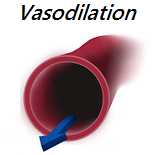
- Peripheral vasodilation and
increased capillary
permeability
- Increased extracellular fluid
and decreased intravascular
fluid
- Hypotension
- Maldistribution of circulating blood volume
- Hemodynamic collapse
- Hemodynamic collapse
- Maldistribution of circulating blood volume
- Hypotension
- Increased extracellular fluid
and decreased intravascular
fluid
- Complement and
coagulation cascade
activation
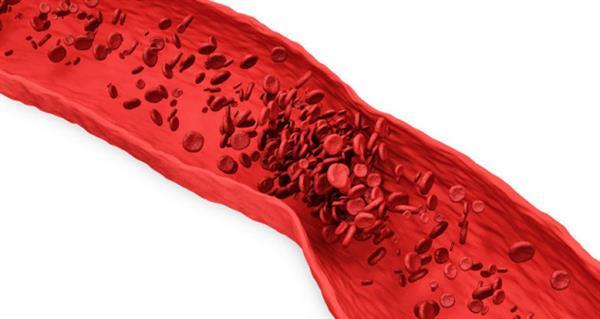
- Microvascular damage
- Micro thrombi formation
- Obstruction of microvascular
- Local ischemia to vital organs
such as kidneys and brain
leading to organ dysfunction
- Cell hypoxia leading to
lactic acid accumulation
- Metabolic acidosis
- Metabolic acidosis
- Local ischemia to vital organs
such as kidneys and brain
leading to organ dysfunction
- Obstruction of microvascular
- Microvascular damage
- Febrile response
- Peripheral vasodilation and
increased capillary
permeability
- Release of pro inflammatory cytokines:
tumour necrosis factor, IL-1
- Widespread leukocyte activation
- Infectious agent enters
systemic circulation
Medienanhänge























Möchten Sie kostenlos Ihre eigenen Mindmaps mit GoConqr erstellen? Mehr erfahren.