
11424231
Beschreibung

Mindmap von azzahrah hashim, aktualisiert more than 1 year ago

|
Erstellt von azzahrah hashim
vor etwa 8 Jahre
|
|
Chapter 8: Communicative Competence
- (1) Defining Communicative Competence (CC)
- Coined by Dell Hymes (1972)
- Refers to our competence that enables to
convey/interpret/negotiate any messages within
contexts.
- Refers to our competence that enables to
convey/interpret/negotiate any messages within
contexts.
- Proposed by James Cummins
(1979,1980)
- Basic interpersonal communicative skills. (BICS ) also known as
context-embedded
- Communicative capacity we use in daily lives
for interpersonal exchanges.
- Language used in friendly/casual
exchanges
- informal settings
- often with friends/peers
- Slang/conversational metaphors
- Ex: (a) Hey what's wrong? Are
you ok? (b) Nothing...I'm fine
or (a) Eat my dust, loser!
- Ex: (a) Hey what's wrong? Are
you ok? (b) Nothing...I'm fine
or (a) Eat my dust, loser!
- informal settings
- Communicative capacity we use in daily lives
for interpersonal exchanges.
- Cognitive/academic
language proficiency (CALP) also known as context-reduced
- More sophisticated or formal usage of language.
- Eamples
- Manage classrooms ("Please be seated!",
"Ali come to the front and write down you
answer."
- Convey information academically ("The
following data analysis indicated that....")
- Frame test questions like objective questions ('According to the
reading passage, do you feel John is (a) guilty (b) innocent? Choose (a)
or (b).
- Engage in classroom discourse ('I see you poijnt, but I
think...")
- Manage classrooms ("Please be seated!",
"Ali come to the front and write down you
answer."
- Eamples
- More sophisticated or formal usage of language.
- Basic interpersonal communicative skills. (BICS ) also known as
context-embedded
- Coined by Dell Hymes (1972)
- (2) Canale and Swain' Framework (1980)
- Four components in relation to CC
- 1. Grammatical Competence
- Knowledge of lexical items (rules of morphology, syntaxm
sentence-grammar semantics and phonology.)
- Knowledge of lexical items (rules of morphology, syntaxm
sentence-grammar semantics and phonology.)
- 2. Discourse Competence
- Ability to connect sentences in stretches of discourse and to
form a meaningful utterances. (articles,books,journals)
- Ability to connect sentences in stretches of discourse and to
form a meaningful utterances. (articles,books,journals)
- Sociolinguistic competence
- ability to follow sociocultural rules of
language. Understand social context,
participants' roles, interactions
- ability to follow sociocultural rules of
language. Understand social context,
participants' roles, interactions
- Strategic Competence
- Ability to use verbal/nonverbal
communicative techniques.
- Manipulate the language in order to meet our communication
goals. Ex: politicians, salesperson.
- Manipulate the language in order to meet our communication
goals. Ex: politicians, salesperson.
- Ability to use verbal/nonverbal
communicative techniques.
- 1. Grammatical Competence
- Four components in relation to CC
- (3) Later Modifications of CC Models
- Lyle Bachman (1990)
- Language Competence (with strategic competence as an
'executive function)
- (A) Organization Competence
- 1.Grammatical Competence
- 2. Discourse Competence)
- 1.Grammatical Competence
- (B) Pragmatic Competence
- 3. Illocutionary (Functions of language)
- 4. Sociolinguistics
- 3. Illocutionary (Functions of language)
- (A) Organization Competence
- Language Competence (with strategic competence as an
'executive function)
- Lyle Bachman (1990)
- (4) Language Functions
- Functions and Forms work hand in hand
- Functions: The purposes that
we accomplish with language
eg: stating, requesting, greeting
etc
- Forms: morphemes, words, grammar
rules, discourse rules
- Functions: The purposes that
we accomplish with language
eg: stating, requesting, greeting
etc
- Speech Acts / Communicative Acts
- An utterance defined by the speaker's intention
and the effect it has on the listener
- 6 Components of Speech Acts (Hymes 1974)
- 1. Sender 2. Message Channel
3. Language form 4. topic 5.
receiver 6. context
- 1. Sender 2. Message Channel
3. Language form 4. topic 5.
receiver 6. context
- 3 different meanings of Speech Acts (Austin 1962)
- Locutionary Meaning
- Basic or literal meaning of
utterances/written texts
- Basic or literal meaning of
utterances/written texts
- Illocutionary Force
- The intended effect on the
hearer/reader
- The intended effect on the
hearer/reader
- Prelocutionary Force
- The actual effect the
utterance has on the
hearer
- The actual effect the
utterance has on the
hearer
- Locutionary Meaning
- An utterance defined by the speaker's intention
and the effect it has on the listener
- Functions and Forms work hand in hand
- (5) Halliday's 7 Functions of Language (Micheal Halliday 1973)
Anmerkungen:
- -These functions overlaps -Narrowed down to 1. Apologizing and thanking 2.Complaning politely 3. Confirming and correcting 4. Expressing a wish; making suggestions 5. Giving advice 6. Giving commands 7. Making small talk
- 1. Instrumental
- 2. Regulatory
- 3. Representational
- 4. Interactional
- 5. Personal
- 6. Heuristic
- 7. Imaginative
- (6) Functional Approaches to Language Teaching
- Notional-Functional Syllabuses / Functional Syllabuses
- 1. Introducing self and other people 2. Providing personal
information 3. Identifying and describing people 4. Acceptiing and
declining an invitation 5. Ordering from a menu 6. Giving directions
7. Booking travel services
- Eclectic blend of interactive group work,
grammar, vocab, pronunciation, listening,
writing
- 1. Introducing self and other people 2. Providing personal
information 3. Identifying and describing people 4. Acceptiing and
declining an invitation 5. Ordering from a menu 6. Giving directions
7. Booking travel services
- Notional-Functional Syllabuses / Functional Syllabuses
- Corpus Analysis
- Linguistics research that utilizes computer analyses of language
- Linguistics research that utilizes computer analyses of language
- Nonverbal Communication
- Kinesics
- Body movements and gestures regarded as a form of non-verbal communication
- Shoulder shrug
- Shows that a person does not know or understand what you are talking about
- Shows that a person does not know or understand what you are talking about
- Rubbing thumb and index finger
- signs of money
- signs of money
- Shoulder shrug
- Body movements and gestures regarded as a form of non-verbal communication
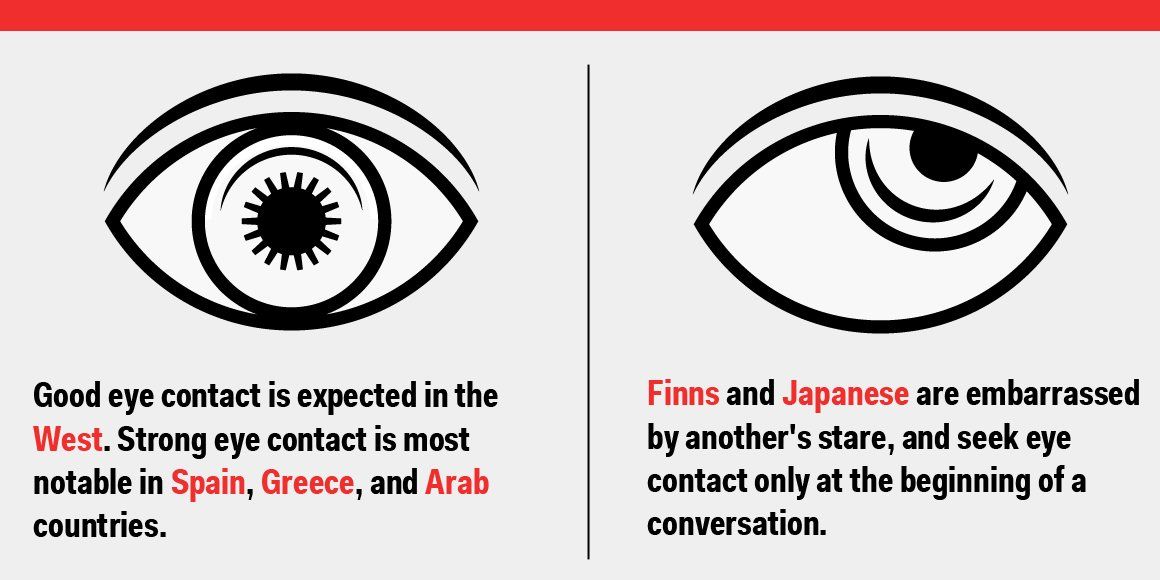
- Eye Contact
- Oculesics
- The study of eye movement, eye behavior, gaze, and eye-related nonverbal communication
- The study of eye movement, eye behavior, gaze, and eye-related nonverbal communication
- Oculesics
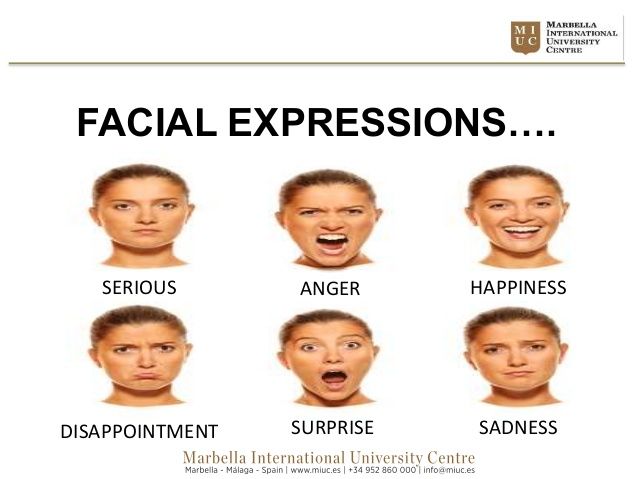
- Facial Expressions
- One or more motions or positions of the muscles beneath the skin of the face which convey the emotional
state of an individual.
- One or more motions or positions of the muscles beneath the skin of the face which convey the emotional
state of an individual.
- Proxemics
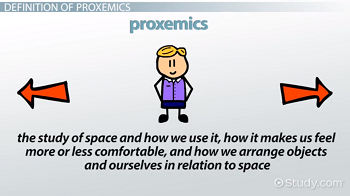
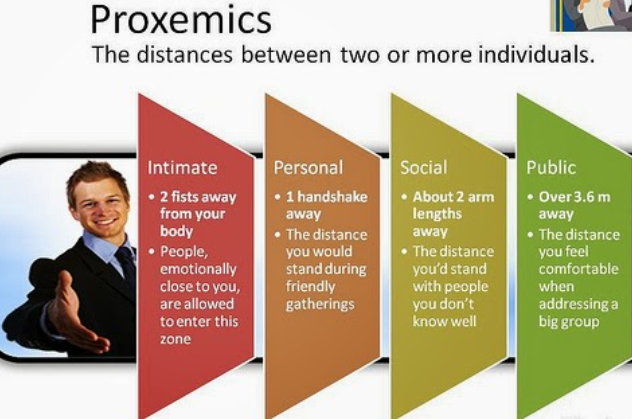
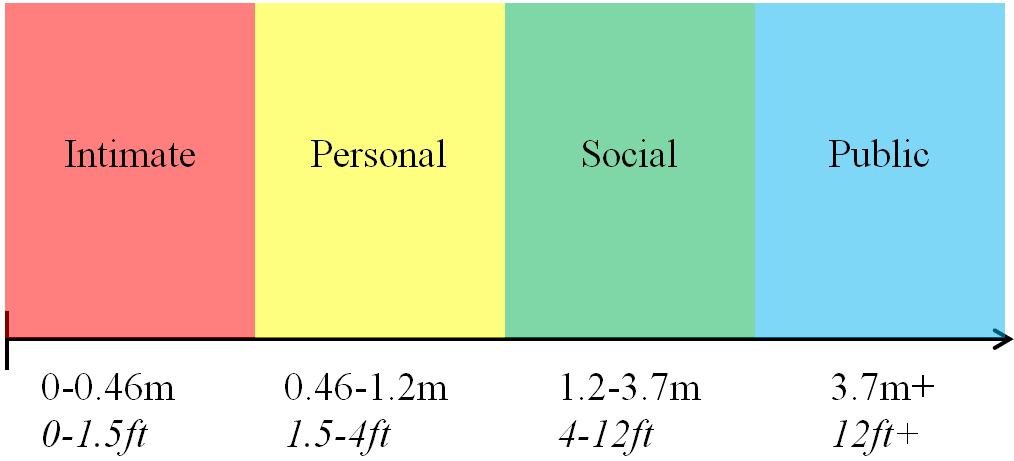
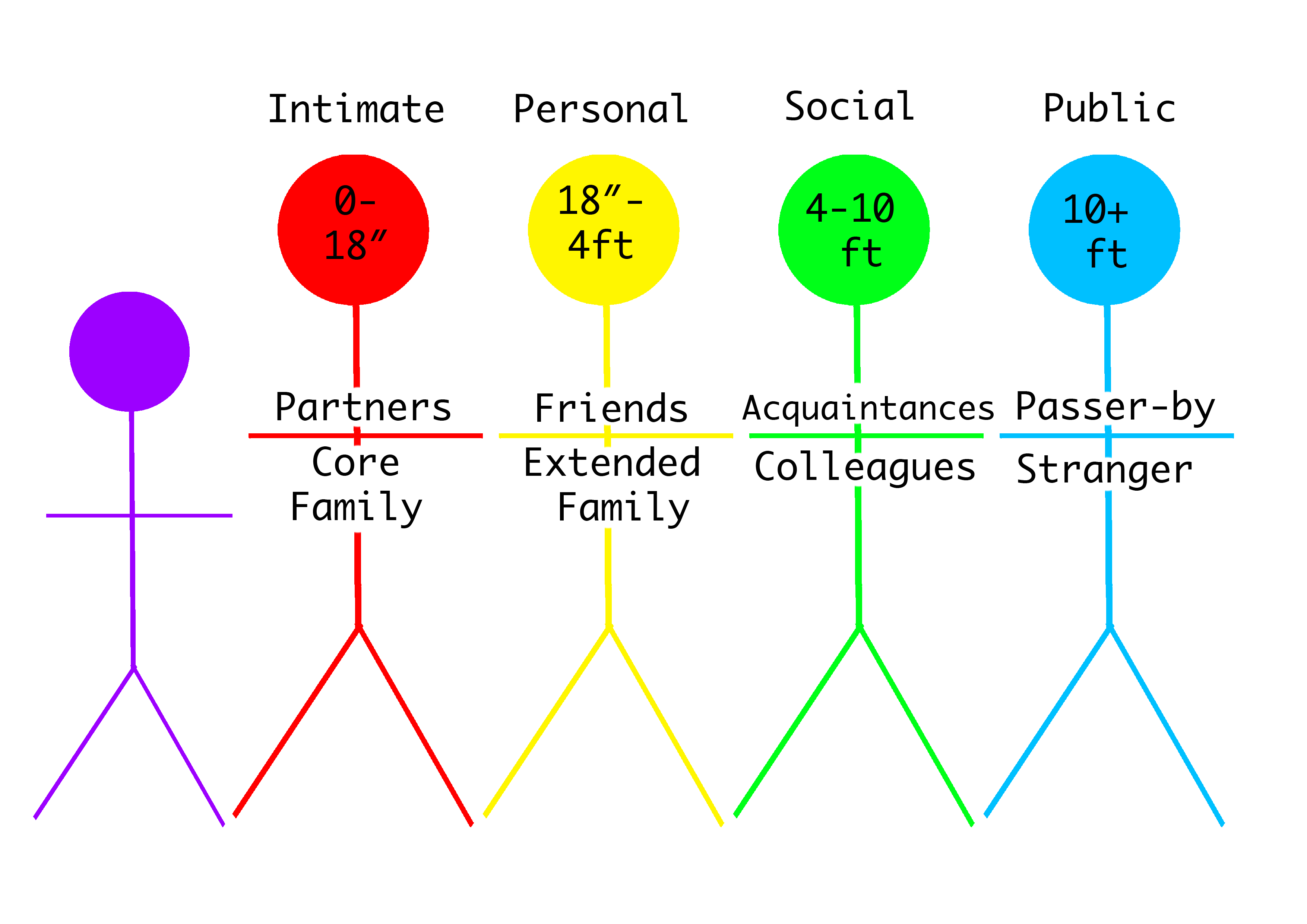
- The branch of knowledge that deals with the amount of space that people feel it necessary to set between themselves and others.
- The branch of knowledge that deals with the amount of space that people feel it necessary to set between themselves and others.
- Artifacts
- clothing, jewellery & ornamentation signals a person's sense of Self-Esteem, Socioeconomic Class & Character.
- a significant factor in lifting barrier, identifying certain personality characteristics.
- clothing, jewellery & ornamentation signals a person's sense of Self-Esteem, Socioeconomic Class & Character.
- Kinesthetics
- also called Haptics, signals a very personal or intimate style (in some cultures)!
- Knowing the limits is important for clear & unambiguous communication!
- Knowing the limits is important for clear & unambiguous communication!
- also called Haptics, signals a very personal or intimate style (in some cultures)!
- Olfactory Dimensions
- natural human odors; perspiration is deemed undesirable!
- accepted or even attractive in some societies.
- accepted or even attractive in some societies.
- natural human odors; perspiration is deemed undesirable!
- Kinesics
- INTERACTIONAL COMPETENCE
- Participation Framework
- Register
- Speech Act
- Selection of forms in Modes of Meaning
- Turn-Taking
- Repair
- Boundaries
- Participation Framework
- DISCOURSE ANALYSIS
- Interaction between form and function
- String of words that extends beyonds the sentence.
- Interaction between form and function
- CONVERSATION ANALYSIS
- Attention Getting
- Topic Nomination
- Turn-Taking
- Topic Clarification
- Repair
- Shifting,Avoiding & Interrupting
- Topic Termination
- Attention Getting
- STYLES
- Oratorical
- Deliberative
- Consultative
- Casual
- Intimate/Personal
- Oratorical
- WRITTEN DISCOURSE: Intercultural Rhetoric
- Constrastive Rhetoric
- Intercultural Rhetoric
- Constrastive Rhetoric
- PRAGMATICS
- SOCIOPRAGMATICS & PRAGMALINGUISTIC
- Sociopragmatic
- Interface between pragmatic & social organization
- Interface between pragmatic & social organization
- pragmalinguistic
- Address
- Apologizing, complimenting, face-saving
- Expressing Gratitude
- Cooperation
- Politeness
- Sociopragmatic
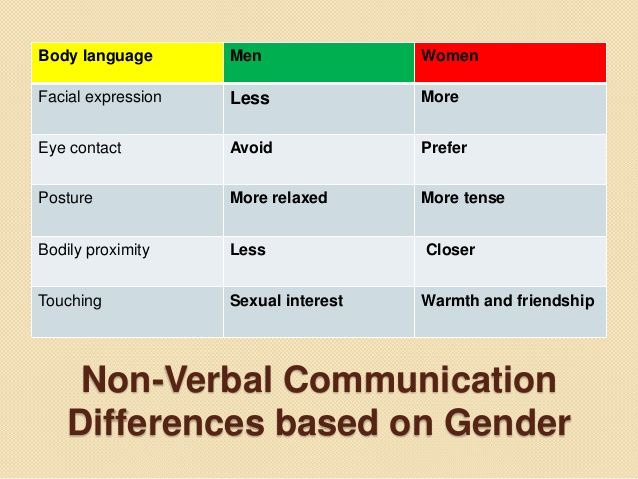
- Language and Gender
- Sexist language
- Language demeaning to one gender
- Language demeaning to one gender
- Man vs Woman
- Sexist language
- CLT - Communicative Language Teaching
- Best understood as an Approach, broadly based theoratical positions about the nature of language & of language learning &
teaching.
- serves a useful function as an UMBRELLA term to capture the essence of classroom methodological approach designed
to improve students ability to communicate.
- 4 Interconnected
Characteristics of
CLT
- Classroom goals are focused on all of the
components of CC, not restricted to
grammatical / linguistic competence
- Language techniques; engage learner
in the pragmatic, authentic, functional
use of language for meaningful
purpose.
- fluency & accuracy:
complementary principles
underlying communicative
techniques,
- fluency can take more importance than
accuracy, to keep learners meaningfully
engaged in language use.
- fluency can take more importance than
accuracy, to keep learners meaningfully
engaged in language use.
- students ultimately have to use
language, productively &
receptively (in unrehearsed
contexts)
- Classroom goals are focused on all of the
components of CC, not restricted to
grammatical / linguistic competence
- a great deal of authentic
language is implied, as
fluence is built (Littlewood, 2011)
- mushrooming capabilty of
technology can come to the aid
of teachers to center on
"unrehearsed" communicative
contexts
- Best understood as an Approach, broadly based theoratical positions about the nature of language & of language learning &
teaching.
- TBLT - Task Based Language Teaching
- emphasize classroom interaction,
learner-centered teaching, authenticity,
learner's own experience is important
contributor to learning
- draws the attention of teachers
& learners to tasks in the
classroom.
- TASK
- an activity or a related set of techniques in which
- meaning is primary
- there is a problem to solve
- a relationship to
real-world activities
- an objective that can be assessed
in terms of an outcome
- meaning is primary
- Target TASKS - uses of languages
in the world beyond the
classroom
- Pedagogical TASKS - those that
occurs in the classroom
- Map-oriented
problem solving task
- teacher-initiated schema
setting comment
- a review of appropriate
grammar/vocabulary useful
for the task
- pair/group work to propose
& discuss solutions
- a whole-class
reporting procedure
- teacher-initiated schema
setting comment
- Map-oriented
problem solving task
- an activity or a related set of techniques in which
- urges teachers, to focus on many of the
communicative factors
- in order to
accomplish a task,
- organizational
competence
- illocutionary
competence - to
convey intended
meaning
- strategic competence -
choose linguistic options &
repair attempts to
communicate
- interactional
competence,
pragmatics,
nonverbal ability
- organizational
competence
- emphasize classroom interaction,
learner-centered teaching, authenticity,
learner's own experience is important
contributor to learning
Medienanhänge
Möchten Sie kostenlos Ihre eigenen Mindmaps mit GoConqr erstellen? Mehr erfahren.