
1517628
Beschreibung

Mindmap von sadiqrahmatullah, aktualisiert more than 1 year ago

|
Erstellt von sadiqrahmatullah
vor etwa 11 Jahre
|
|
Rickets
- Background Rickets is a disease of growing bone that is unique to children and adolescents. Rickets is a disorder caused by a lack of vitamin D, calcium, or phosphate. It
leads to softening and weakening of the bones.
- Signs and symptoms of rickets include:
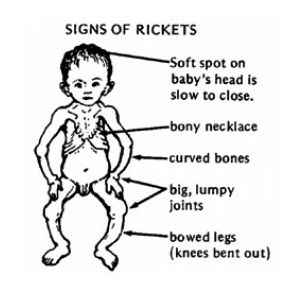
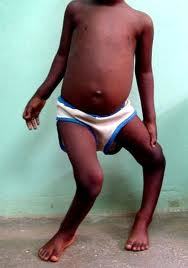
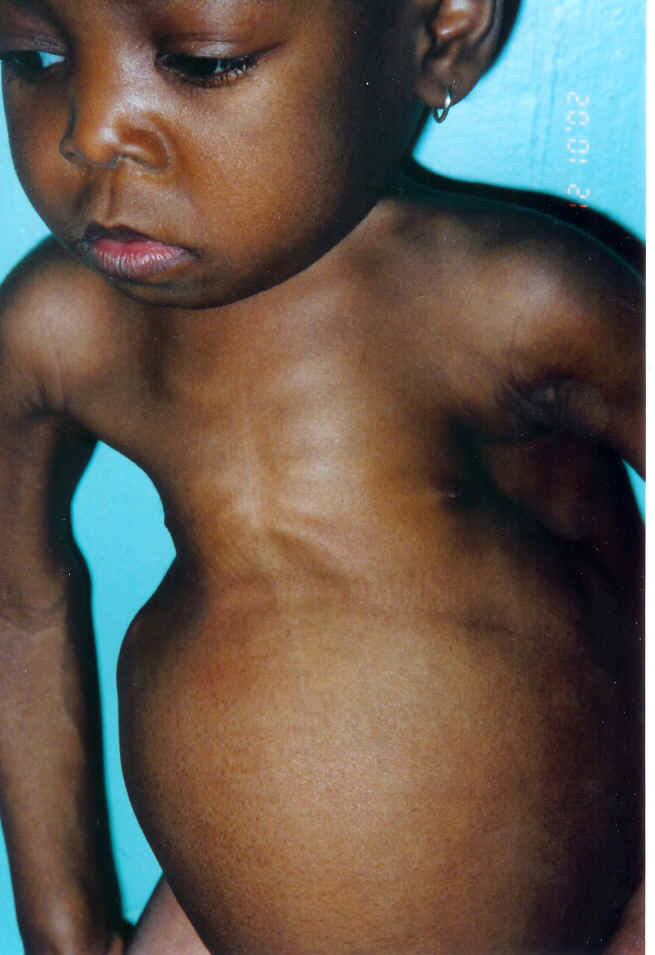
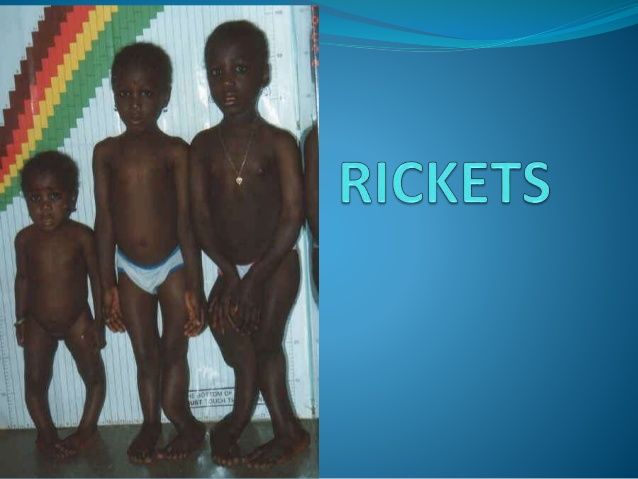
- Signs and symptoms of rickets may include: •Delayed growth •Pain in the spine, pelvis and legs •Muscle
weakness Because rickets softens the growth plates at the ends of a child's bones, it can cause skeletal
deformities such as: •Bowed legs •Thickened wrists and ankles •Breastbone projection
- Cause of rickets
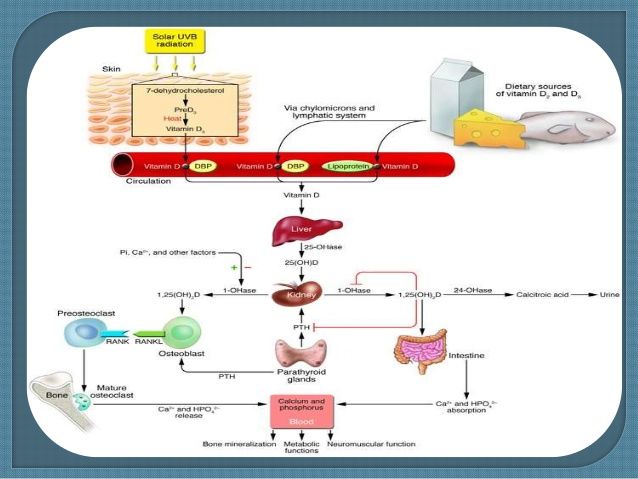
- Your body needs vitamin D to absorb calcium and phosphorus from food. Rickets can occur if your
child's body doesn't get enough vitamin D or if his or her body has problems using vitamin D
properly.
- Diagnosis rickets
- rickets may be diagnosed with the help of: # Blood tests # Serum calcium may show low levels of
calcium, serum phosphorus may be low, and serum alkaline phosphatase may be high from bones or
changes in the shape or structure of the bones. This can show enlarged limbs and joints.
- Prevention
- Most adolescents and adults receive much of their necessary vitamin D from exposure to sunlight.
Infants and young children, however, need to avoid direct sun entirely or be especially careful by
always wearing sunscreen.
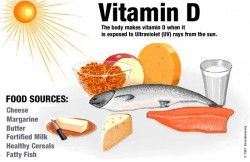
- Make sure your child is eating foods that contain vitamin D naturally — fatty fish, fish oil and egg
yolks — or that have been fortified with vitamin D, such as: •Infant formula •Cereals •Milk •Orange
juice.
- Make sure your child is eating foods that contain vitamin D naturally — fatty fish, fish oil and egg
yolks — or that have been fortified with vitamin D, such as: •Infant formula •Cereals •Milk •Orange
juice.
- Most adolescents and adults receive much of their necessary vitamin D from exposure to sunlight.
Infants and young children, however, need to avoid direct sun entirely or be especially careful by
always wearing sunscreen.
- Age. Children 3 to 36 months old are most at risk of rickets because their skeletons are growing so
rapidly. •Dark skin. Dark skin doesn't react as strongly to sunshine as does lighter colored skin, so it
produces less vitamin D.
- Risk factors
- Risk factors
- Prevention
- rickets may be diagnosed with the help of: # Blood tests # Serum calcium may show low levels of
calcium, serum phosphorus may be low, and serum alkaline phosphatase may be high from bones or
changes in the shape or structure of the bones. This can show enlarged limbs and joints.
- You receive vitamin D from two
sources:
- Sunlight. Your skin produces vitamin D when it's exposed to sunlight. But children in developed
countries now tend to spend less time outdoors. They're also more likely to use sunscreen, which
blocks the rays that trigger the skin's production of vitamin D.
- Food. Fish oils, fatty fish and egg yolks contain vitamin D. Vitamin D also has been added to some
foods, such as milk, cereal and some fruit juices. Children who don't eat enough of these fortified
foods can develop a vitamin D deficiency.
- Food. Fish oils, fatty fish and egg yolks contain vitamin D. Vitamin D also has been added to some
foods, such as milk, cereal and some fruit juices. Children who don't eat enough of these fortified
foods can develop a vitamin D deficiency.
- Sunlight. Your skin produces vitamin D when it's exposed to sunlight. But children in developed
countries now tend to spend less time outdoors. They're also more likely to use sunscreen, which
blocks the rays that trigger the skin's production of vitamin D.
- Diagnosis rickets
- Your body needs vitamin D to absorb calcium and phosphorus from food. Rickets can occur if your
child's body doesn't get enough vitamin D or if his or her body has problems using vitamin D
properly.
- Cause of rickets
- Signs and symptoms of rickets may include: •Delayed growth •Pain in the spine, pelvis and legs •Muscle
weakness Because rickets softens the growth plates at the ends of a child's bones, it can cause skeletal
deformities such as: •Bowed legs •Thickened wrists and ankles •Breastbone projection
Medienanhänge


Möchten Sie kostenlos Ihre eigenen Mindmaps mit GoConqr erstellen? Mehr erfahren.