
15201266
Beschreibung

Mindmap von Fatma Shwaylia, aktualisiert more than 1 year ago

|
Erstellt von Fatma Shwaylia
vor mehr als 7 Jahre
|
|
Walking with Difficulty
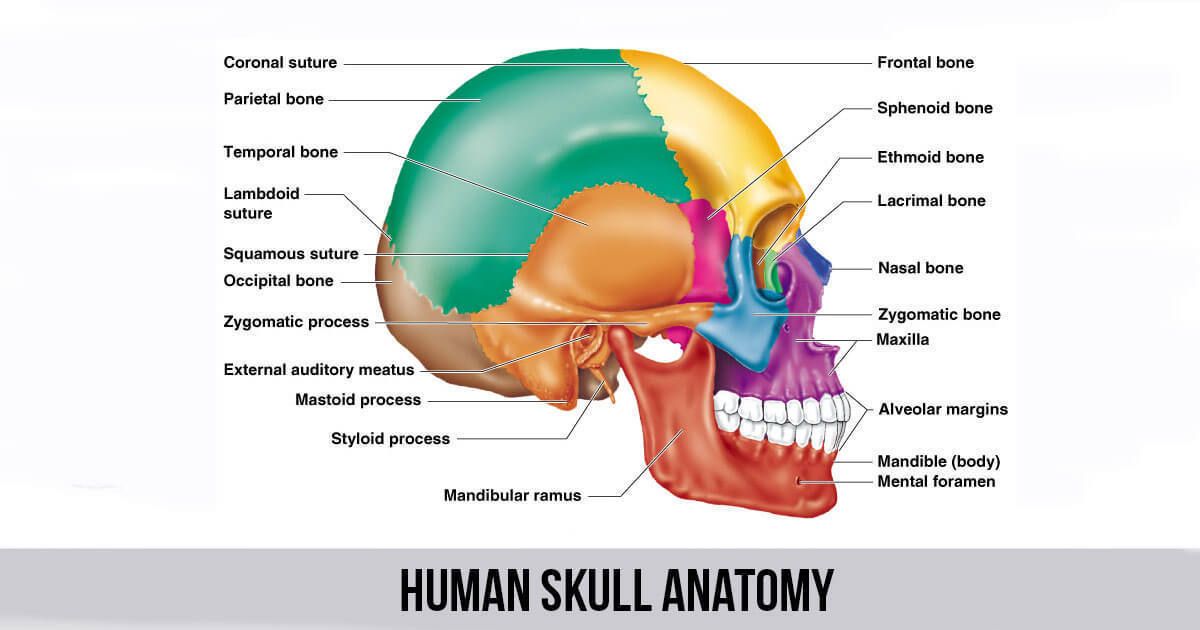
- Skull Anatomy
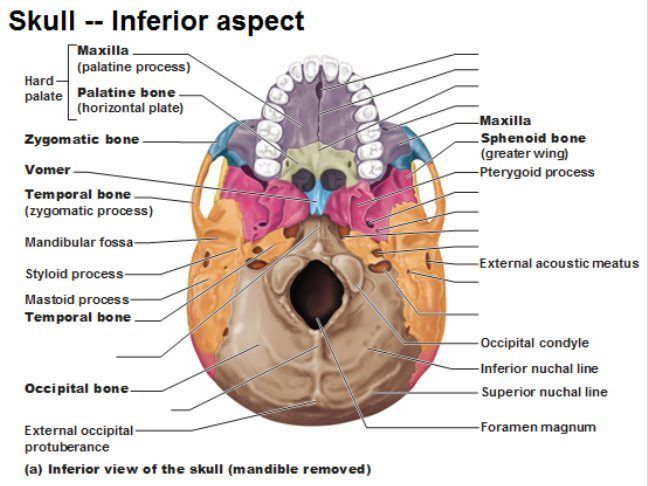
- Norma Basalis externa
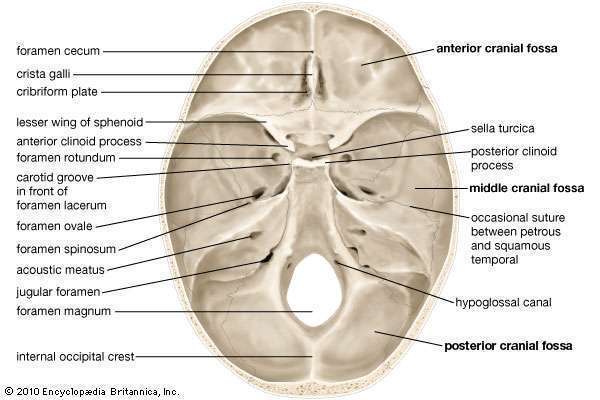
- Norma Basalis interna
- Norma Basalis externa
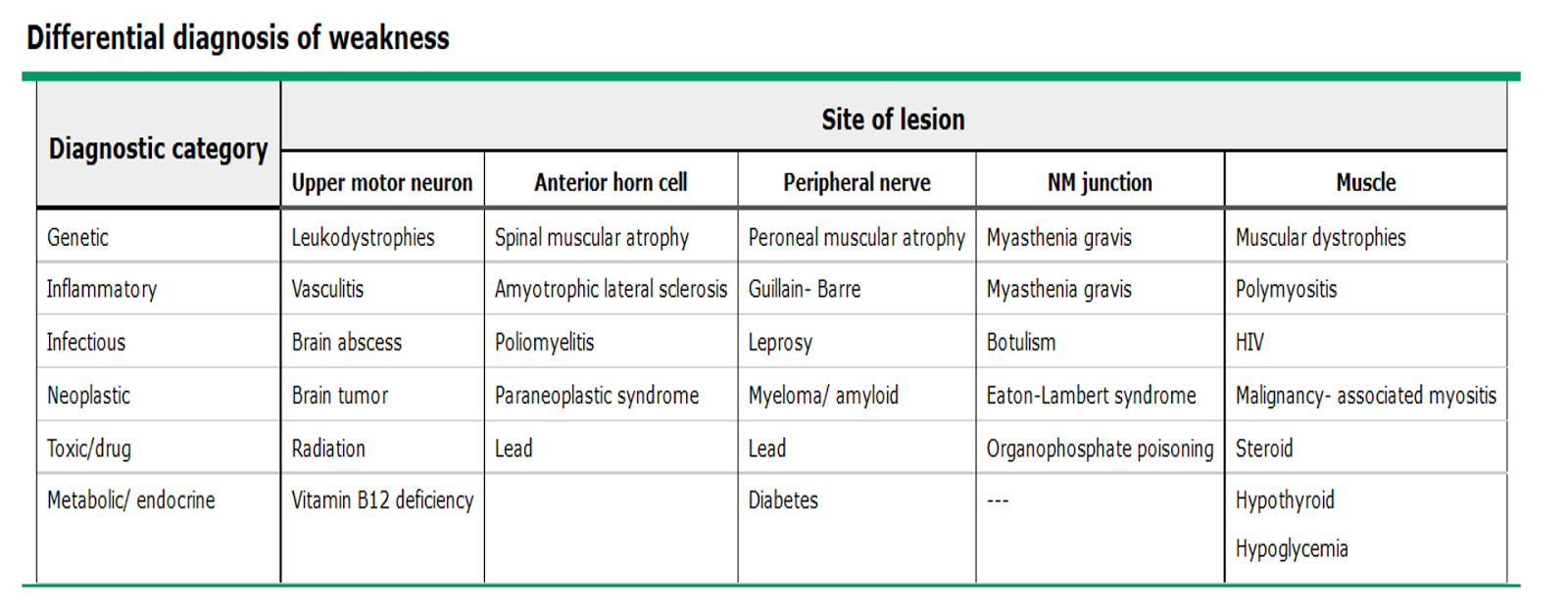
- Muscle weakness
- Distinguishing true
muscle weakness
from motor
impairment not due
to loss of muscle
power
- through
- History taking
- Physical
Examination
- History taking
- through
- Localizing the site of lesion
- Determining the cause of the lesion
- causes include inflammatory disorders,
endocrinopathies, metabolic myopathies,
drugs and toxins, infections, and the
various causes of rhabdomyolysis
- Distinguishing true
muscle weakness
from motor
impairment not due
to loss of muscle
power
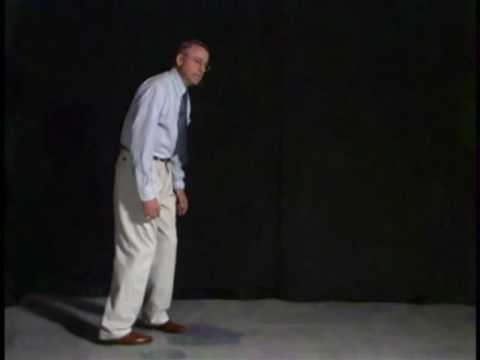
- GAIT
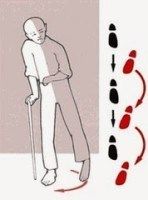
- HEMIPLEGIC
GAIT (SPASTIC
GAIT)
- leg is stiff, without flexion at knee
and ankle, and with each step is
rotated away from the body, then
towards it, forming a semicircle.
- leg is stiff, without flexion at knee
and ankle, and with each step is
rotated away from the body, then
towards it, forming a semicircle.
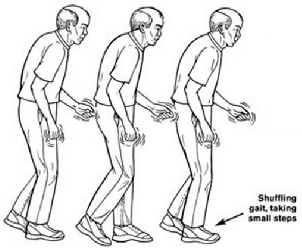
- PARKINSONIAN GAIT
- exhibited by patients suffering
from Parkinson's disease
- exhibited by patients suffering
from Parkinson's disease
- ATAXIA GAIT
- presence of abnormal,
uncoordinated movements.
- cerebellar disturbances and
can be seen in patients with
longstanding alcohol
dependency
- cerebellar disturbances and
can be seen in patients with
longstanding alcohol
dependency
- presence of abnormal,
uncoordinated movements.
- Diplegic Gait(Scissors gait)
- form of gait
abnormality primarily
associated with spastic
cerebral palsy
- form of gait
abnormality primarily
associated with spastic
cerebral palsy
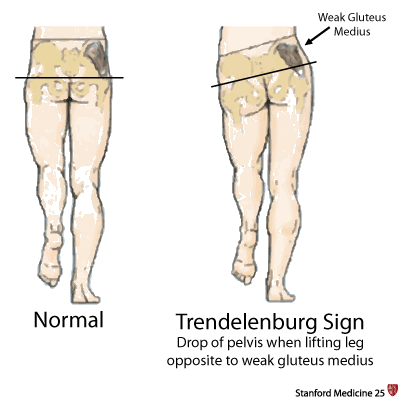
- MYOPATHIC GAIT
(WADDLING GAIT).
- due to the weakness of the
proximal muscles of the
pelvic girdle.
- due to the weakness of the
proximal muscles of the
pelvic girdle.
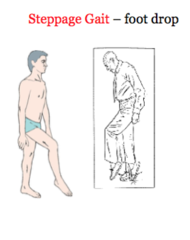
- NEUROPATHIC GAIT
(STEPPAGE GAIT ):
- foot drop due to loss of dorsiflexion.
- due to damage to the
deep peroneal nerve
- due to damage to the
deep peroneal nerve
- foot drop due to loss of dorsiflexion.
- HEMIPLEGIC
GAIT (SPASTIC
GAIT)
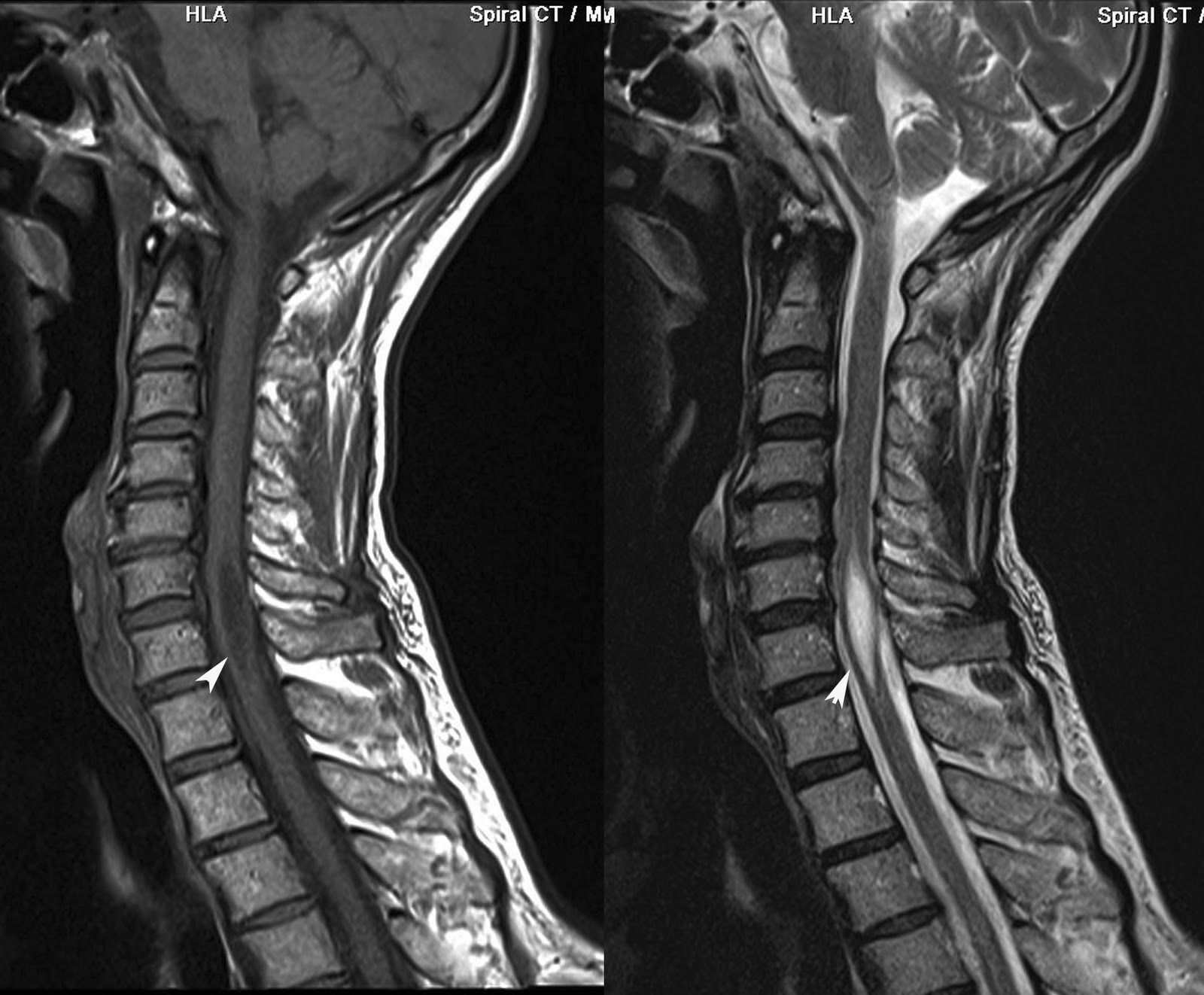
- RADIOLOGICAL INVESTIGATION of Syringomyelia
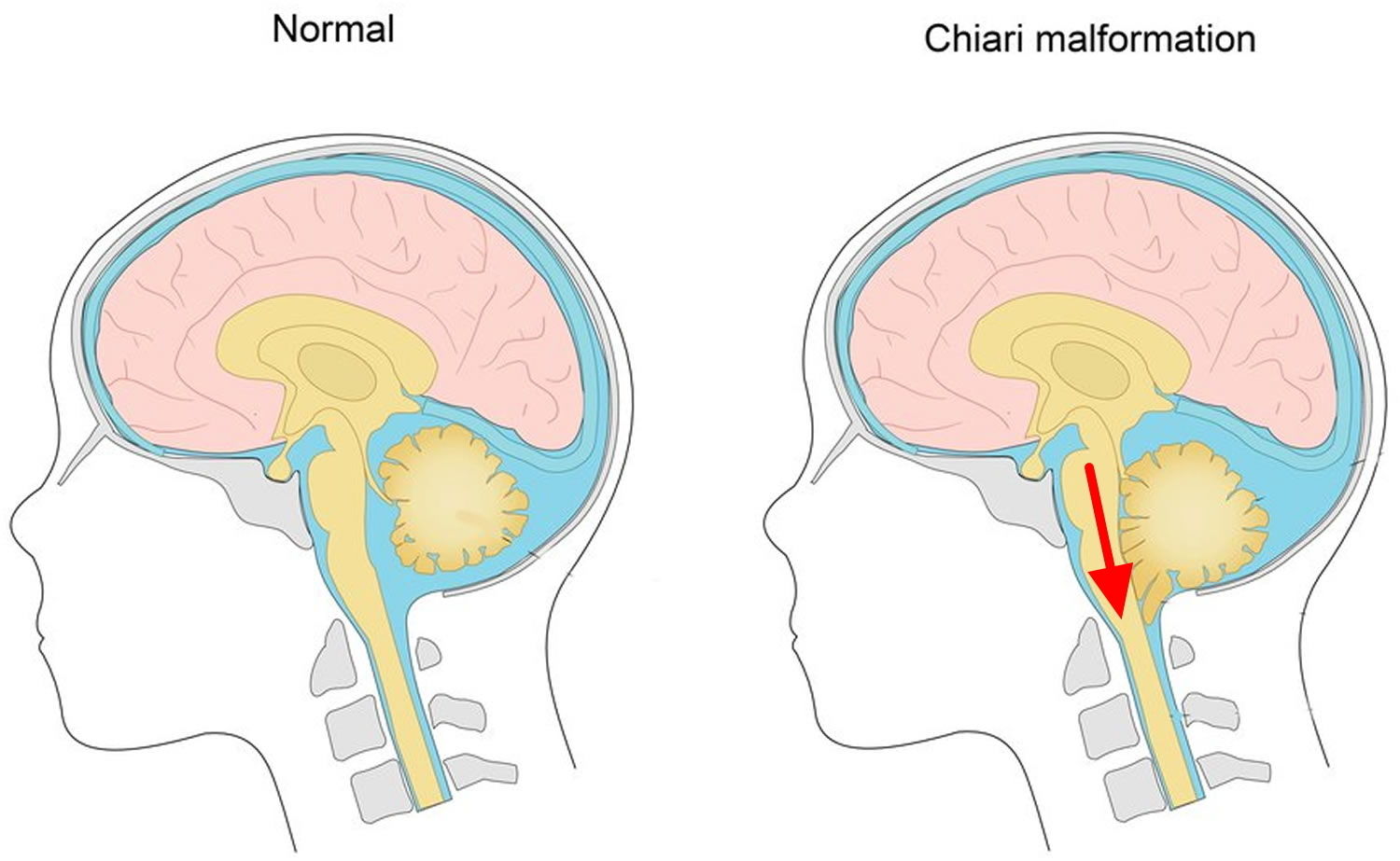
- CHIARI I MALFORMATION
- Congenital hindbrain
abnormality
- Downward displacement
of medulla and cerebellar
tonsils
- causes or leads to
- Syringomyelia
- development of a fluid-filled cyst (syrinx)
within the spinal cord. Over time, the cyst
may enlarge, damaging the spinal cord.
- acquired by (other causes)
- Complication of trauma
- meningitis
- hemorrhage,
- tumor
- arachnoiditis
- Clinical presentation
- Loss of pain, temperature &
crude touch sensation
- patient comes
with burned
hands
- Lesion affecting the lateral spinothalamic tract
- patient comes
with burned
hands
- Muscle weakness and wasting (atrophy)
- Loss of reflexes
- Charcot Joint
- Loss of pain, temperature &
crude touch sensation
- Complication of trauma
- Monitoring
- periodic MRI and neurological
exams
- periodic MRI and neurological
exams
- acquired by (other causes)
- Surgery
- Treating Chiari malformation.
- Draining the syrinx.
- Removing the obstruction.
- Correcting
the
abnormality.
- Treating Chiari malformation.
- development of a fluid-filled cyst (syrinx)
within the spinal cord. Over time, the cyst
may enlarge, damaging the spinal cord.
- Syringomyelia
- Downward displacement
of medulla and cerebellar
tonsils
- Congenital hindbrain
abnormality
- Tracts
- Upper motor neuron lesion in his lower limb
- Spastic gait
- Spastic gait
- Lower motor neuron lesion in his upper limb
- hyperflexia
- hyperflexia
- Upper motor neuron lesion in his lower limb
Medienanhänge
Möchten Sie kostenlos Ihre eigenen Mindmaps mit GoConqr erstellen? Mehr erfahren.