
15951602
Beschreibung

Mindmap von Safaa Fayiz, aktualisiert more than 1 year ago

|
Erstellt von Safaa Fayiz
vor etwa 7 Jahre
|
|
Blurred
Vision
- Anatomy of
the eye
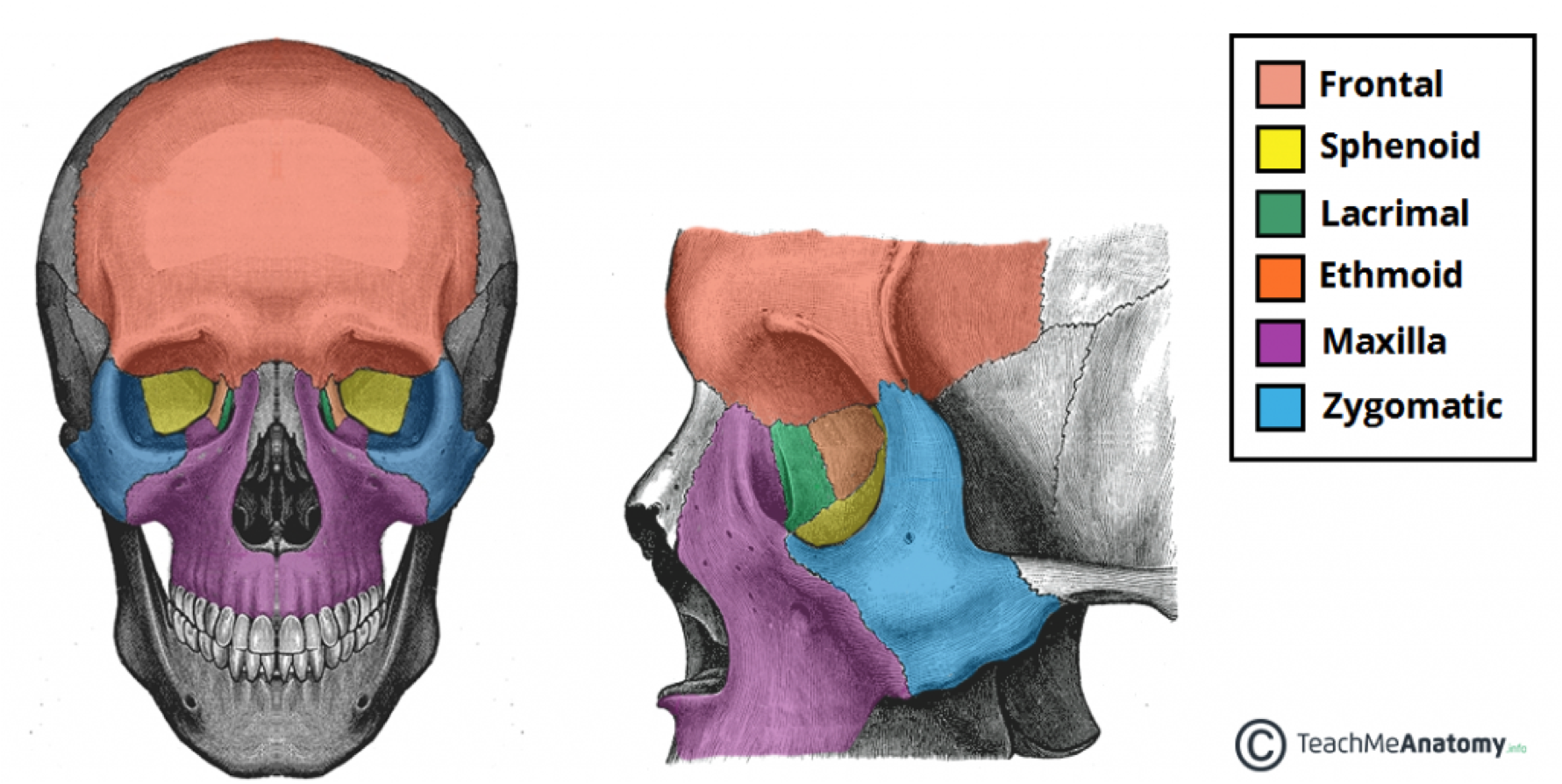
- The orbit
- Formed
by
seven
bones
- Formed
by
seven
bones
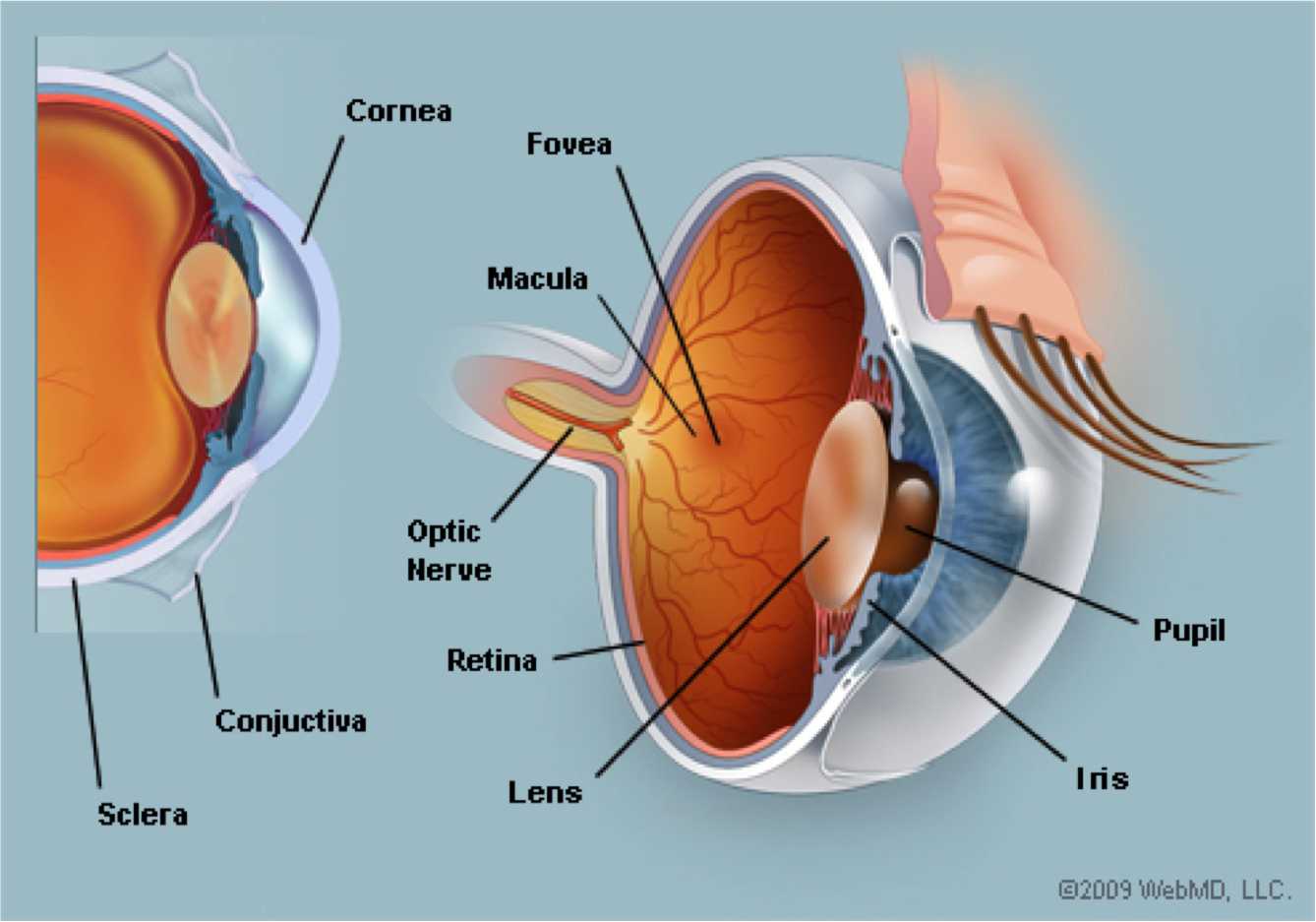
- The eye ball
- The orbit
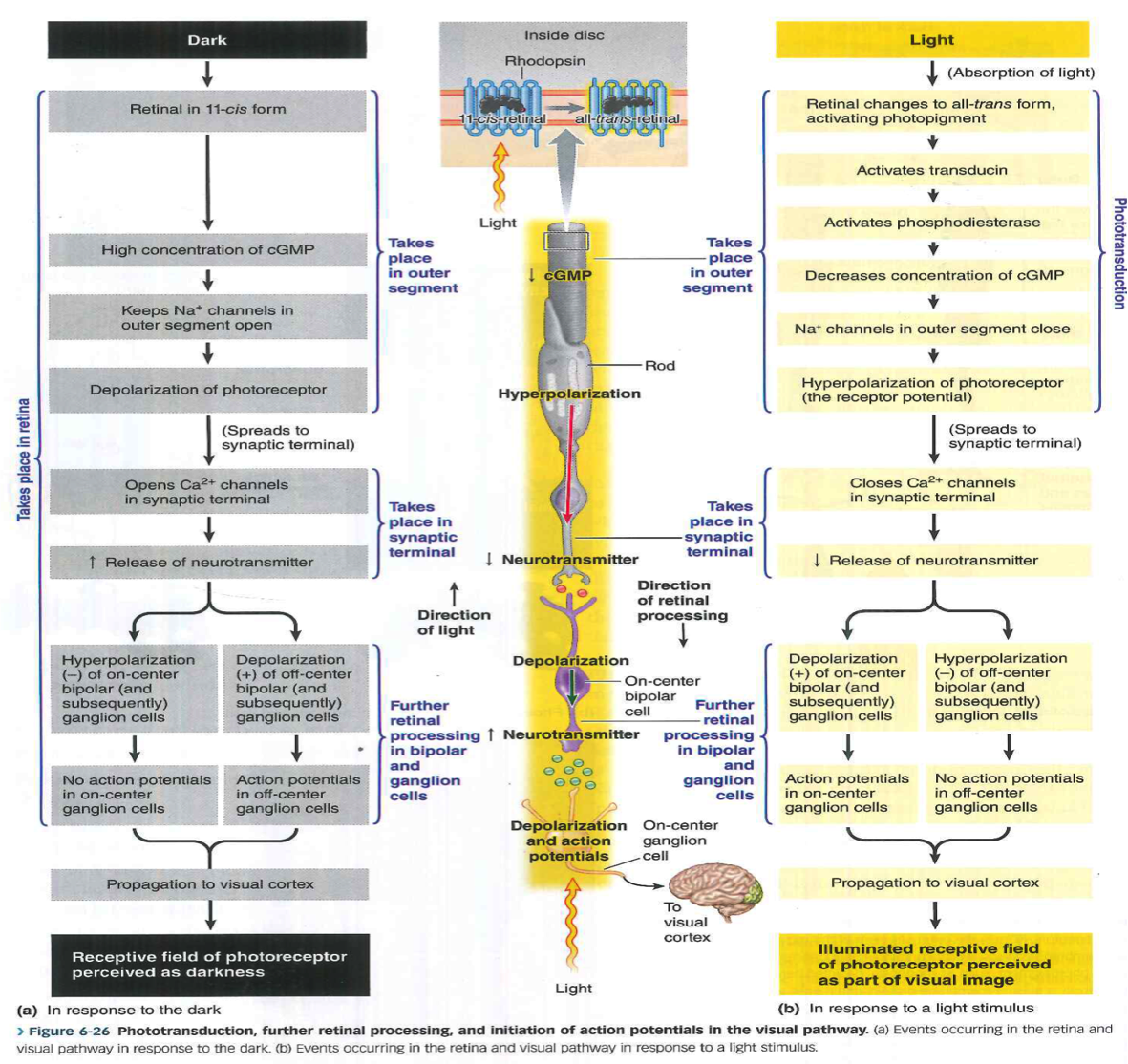
- Physiology
- Physiology
of
Vision
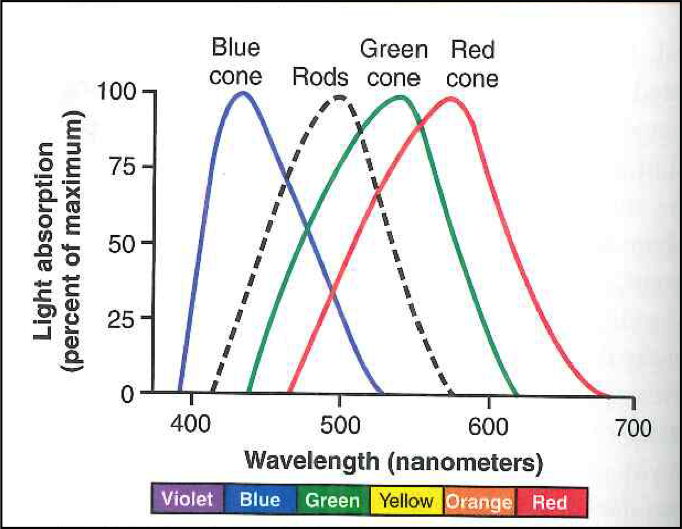
- Physiology of Color
Vision
- Color Blindness
- Lack of a particular color
receptive cone type.
- Protanopia
- Loss of
Red cones
- Loss of
Red cones
- Deuteranopia
- Loss of
Green
cones
- Loss of
Green
cones
- Blue
Weakness
- Rare
- Rare
- Protanopia
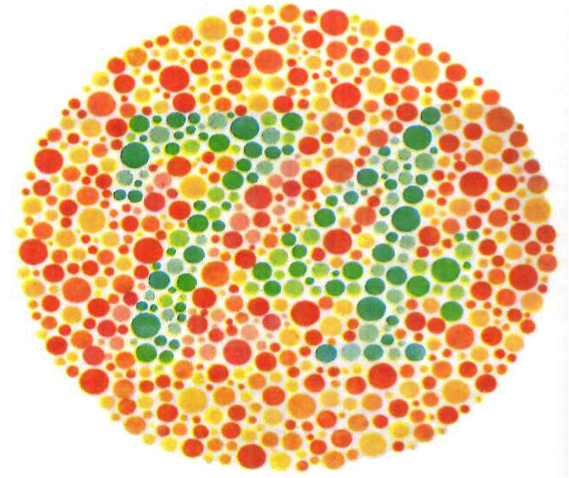
- Ishihara
Chart
- Rapid method to
for determining
color blindness
based on spot
chart.
- Rapid method to
for determining
color blindness
based on spot
chart.
- Lack of a particular color
receptive cone type.
- 3 Types of
Cones
- Blue
cone -
(s-Type)
- Red
cone - (
L-Type)
- Green
cone
(M-Type)
- Blue
cone -
(s-Type)
- Color Blindness
- Physiology
of
Vision
- Intraocular
Pressure
- Intraocular
pressure (IOP) is the
fluid pressure inside
the eye.
- Measuring it
- How?
- Tonometry
- Tonometry
- Why?
- IOP is an important
aspect in the
evaluation of patients
at risk of glaucoma.
- IOP is an important
aspect in the
evaluation of patients
at risk of glaucoma.
- In what unit?
- mmhg
- mmhg
- Normal Range?
- 12-22 mm Hg
- 12-22 mm Hg
- How?
- Measuring it
- Intraocular
pressure (IOP) is the
fluid pressure inside
the eye.
- Common Eye Defects
- Cataract
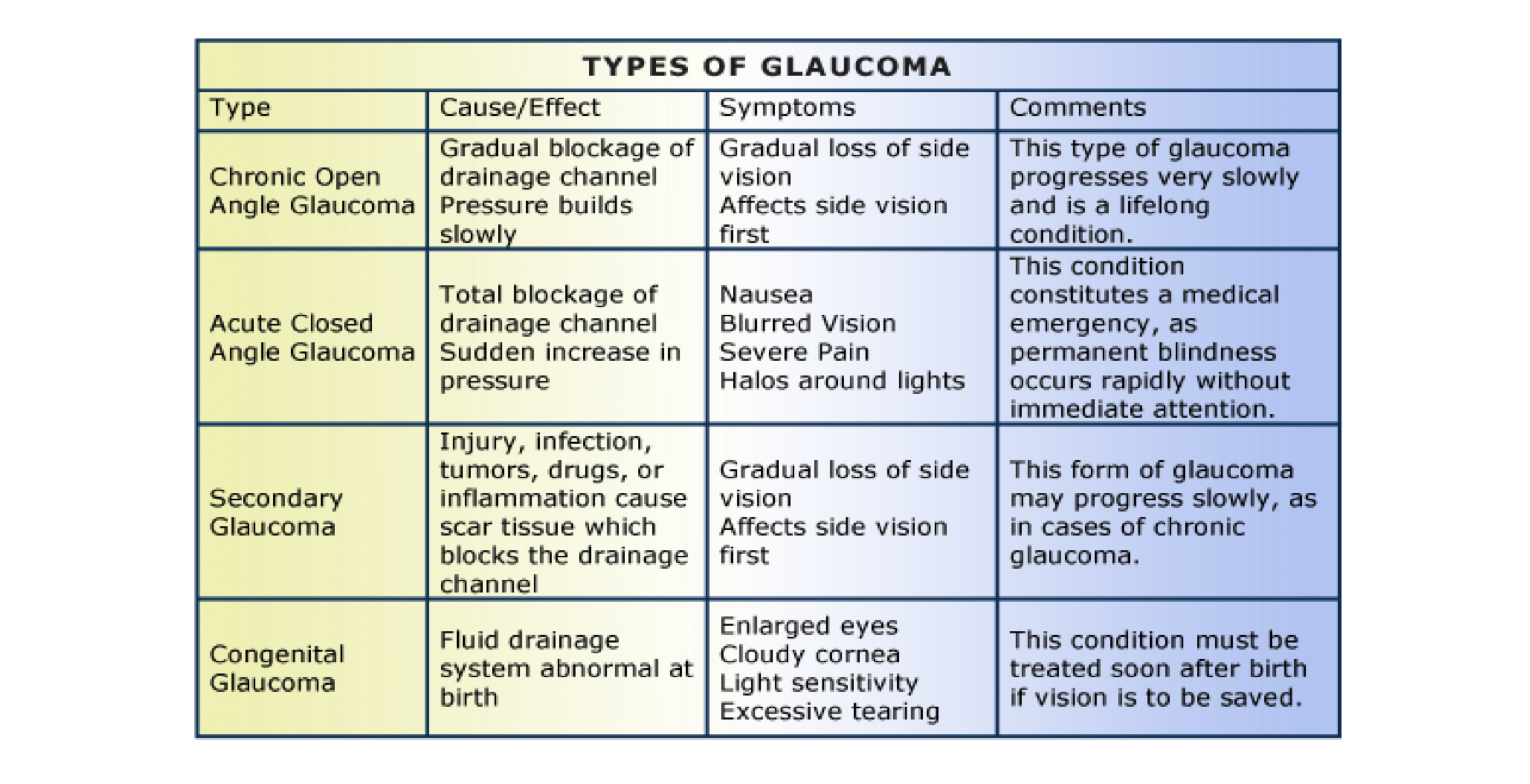
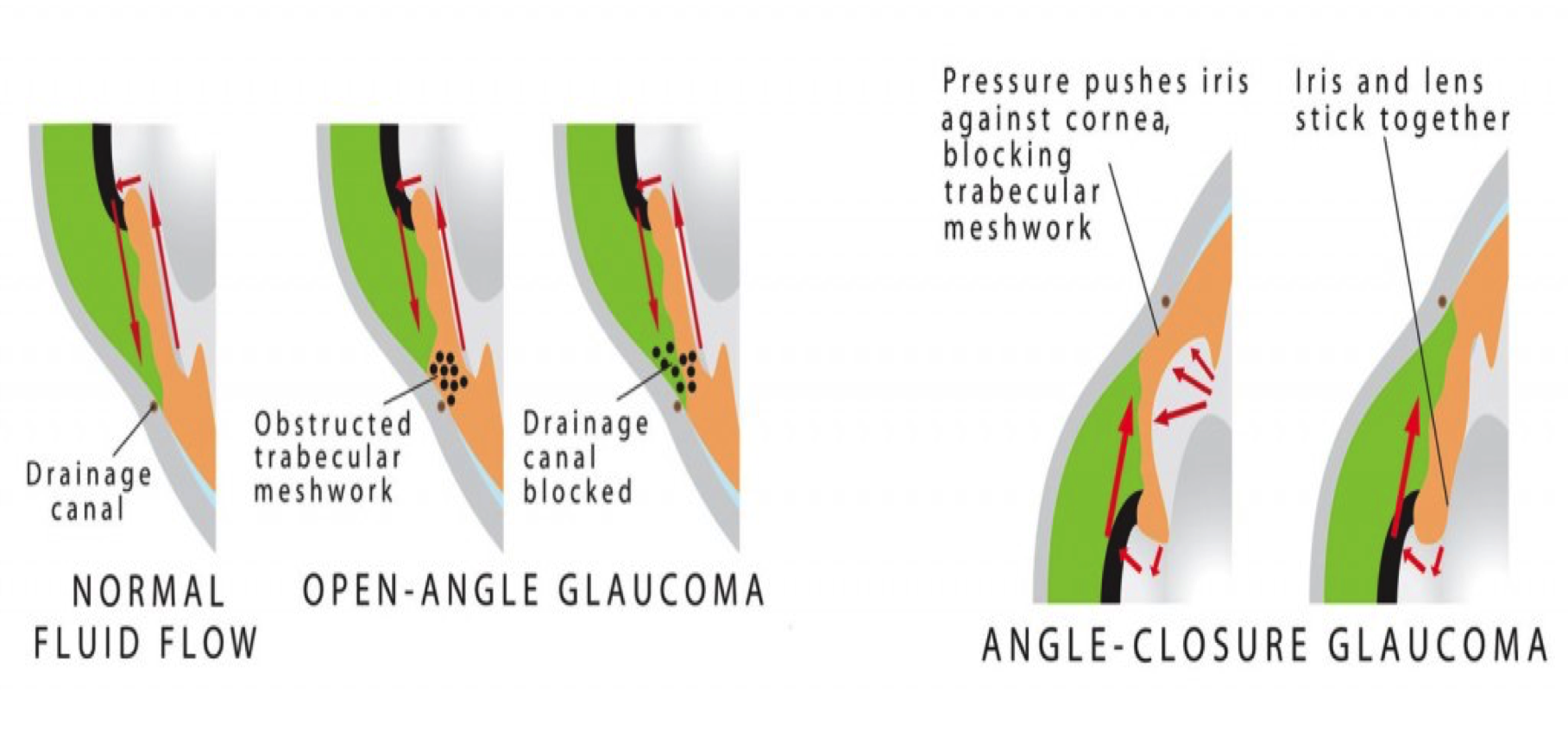
- Glaucoma
- Defintion
- Glaucoma is a condition
that causes damage to
your eye's optic nerve
and gets worse over
time. It's often linked to
a buildup of pressure
inside your eye.
- Glaucoma is a condition
that causes damage to
your eye's optic nerve
and gets worse over
time. It's often linked to
a buildup of pressure
inside your eye.
- Epidemiology
- In the UK: 2 out in 100
people over the age of 40
- In the UK: 2 out in 100
people over the age of 40
- Risk Factors
- Age
- Race
- Family
History
- Medical conditions(
Diabetes-Hypertension)
- Physical
injuries of
the eye
- Eye
anatomy
- Corticosteroid
use
- Age
- Types
- Pathogenesis
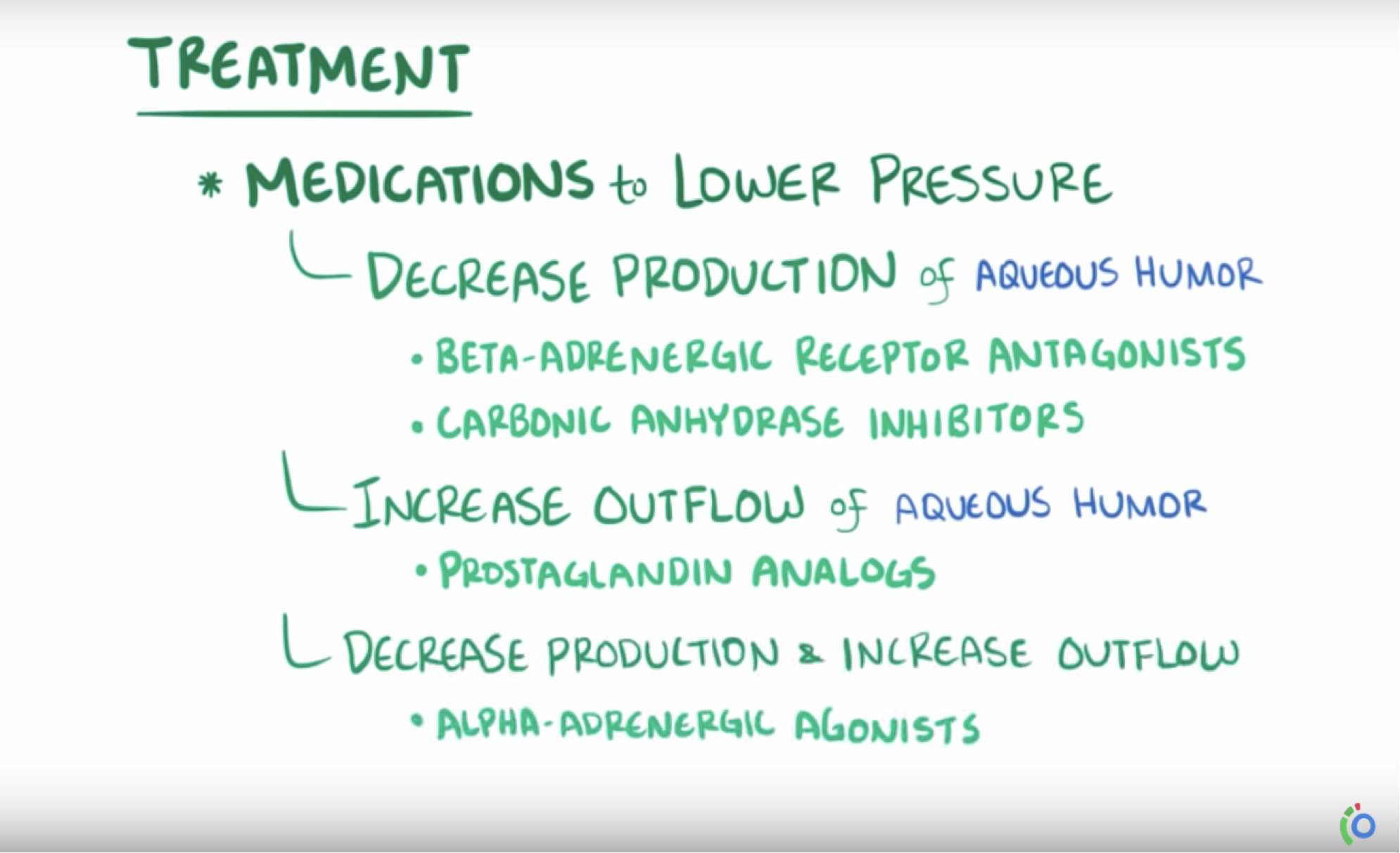
- Treatment
- Defintion
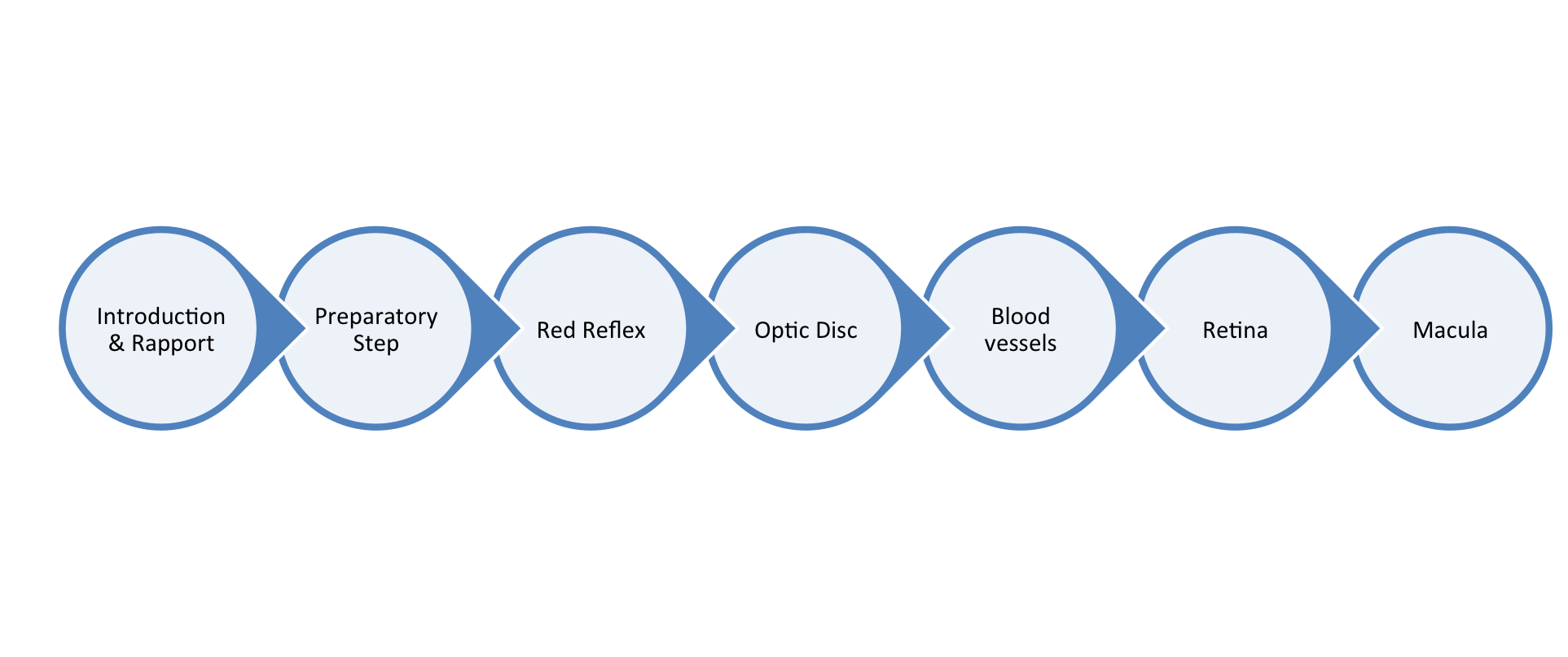
- Examination
- Eye
Examination
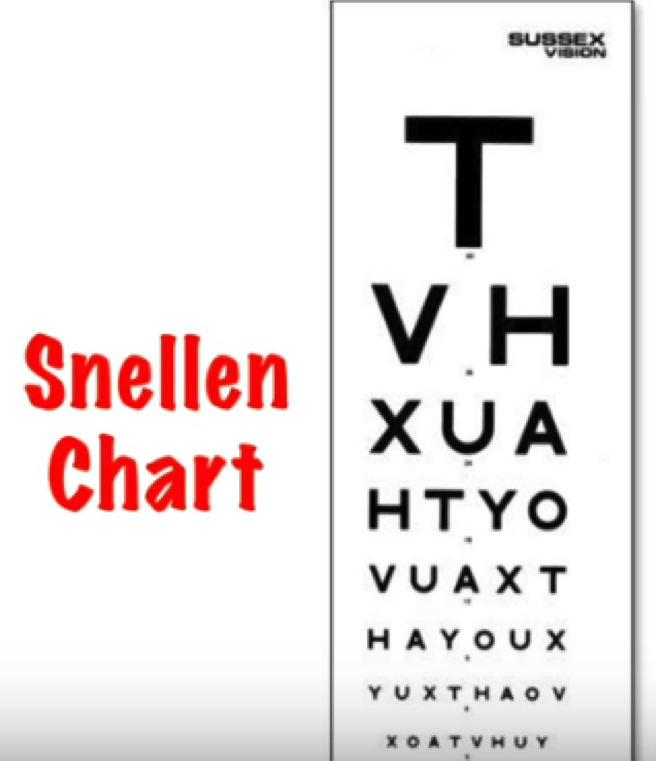
- Visual Acuity
- Eye
Examination
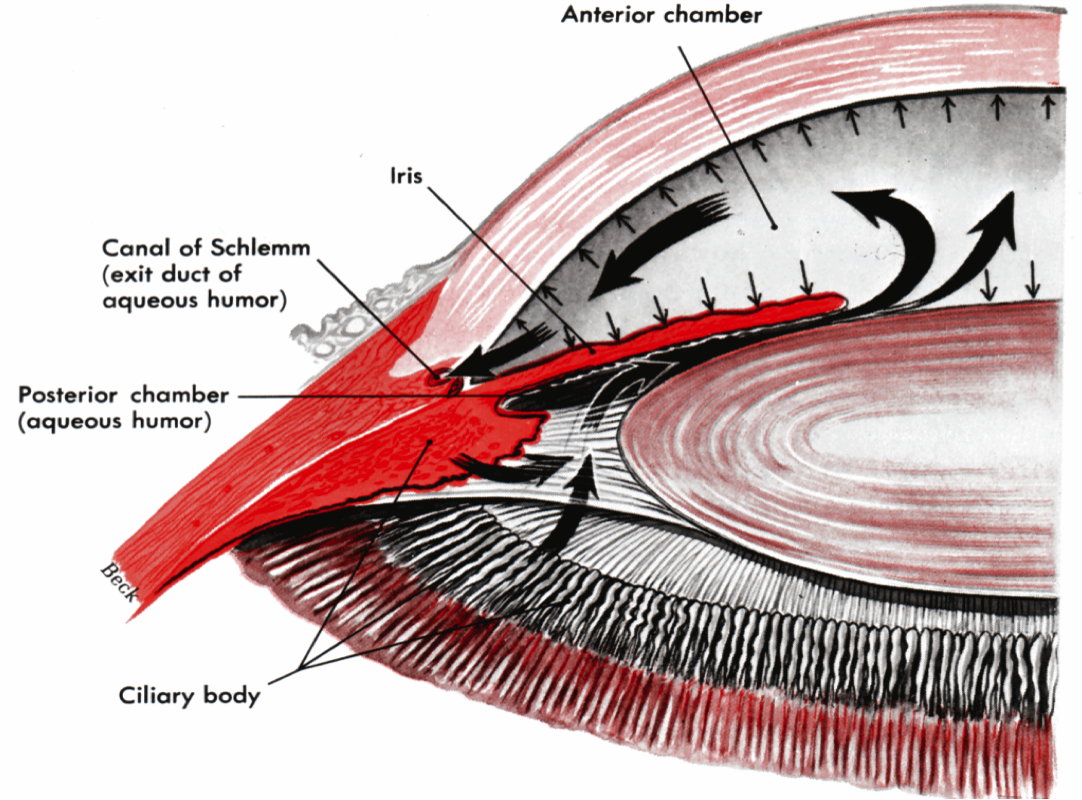
- Aqueous humor
- Physiology of
Aqueous humor
- Function ?
- Support the
wall of the
eyeball
- Nourishes the
cornea & the lens
- Removes the products of
metabolism form the cornea &
the lens
- Support the
wall of the
eyeball
- Definition
- Is a clear fluid that
fills the anterior &
posterior chambers
of the eyeball.
- Is a clear fluid that
fills the anterior &
posterior chambers
of the eyeball.
- Physiology of
Aqueous humor
Medienanhänge
Möchten Sie kostenlos Ihre eigenen Mindmaps mit GoConqr erstellen? Mehr erfahren.