
1600250


United Nations
- What does the UN
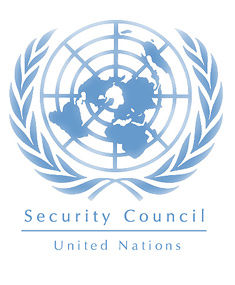
logo symbolise?
- Olive branches symbolise peace. The world
map depicts the area of concern to the
United Nations in achieving its main
purpose, peace and security.
- Olive branches symbolise peace. The world
map depicts the area of concern to the
United Nations in achieving its main
purpose, peace and security.
- Aims
- Maintain world peace and security
- Develop friendly relations
among nations.
- Cooperate internationally to
solve international economic,
social, cultural and
humanitarian problems
- Promote respect for human
rights and basic freedom
regardless of race, religion and
gender
- To be a centre for harmonising the actions of nations in attaining the aims
listed
- Maintain world peace and security
- Organisations of the UN
- Economic and Social Council
- Helps the people of the world to improve their lives
- Helps the people of the world to improve their lives
- The Security Council
- Maintains peace & security among member countries
- Maintains peace & security among member countries
- General Assembly
- Functions like a world parliament where
all the member countries can vote on
various matters
- Functions like a world parliament where
all the member countries can vote on
various matters
- Trusteeship Council
- Currently suspended. Function is to help
countries gain self-governance or independence
- Currently suspended. Function is to help
countries gain self-governance or independence
- International Court of Justice
- Functions as a world court to help member
countries settle disputes peacefully
- Functions as a world court to help member
countries settle disputes peacefully
- Secretariat
- Implements the decisions taken by member countries of the UN
- Implements the decisions taken by member countries of the UN
- Economic and Social Council
- How does Singapore benefit from UN membership
- Gained recognition as a sovereign state
- Independence and territorial intergrity
- Independence and territorial intergrity
- UN sent experts to advise
and help in economic and
social development of the
country
- UN sent experts to
advise on development
- Gained recognition as a sovereign state
- How does Singapore contribute to the UN?
- Security Council
- The UN Security Council includes 5 permanent
members (US, UK, France, China, Russia.) and 10
rotating members.
- To maintain international peace and security.
- Singapore served as the President of the Council in January 2001 and May 2002
- To maintain international peace and security.
- The UN Security Council includes 5 permanent
members (US, UK, France, China, Russia.) and 10
rotating members.
- UN Law of the Sea Conference
- Defines how countries can draw territorial borders in the sea
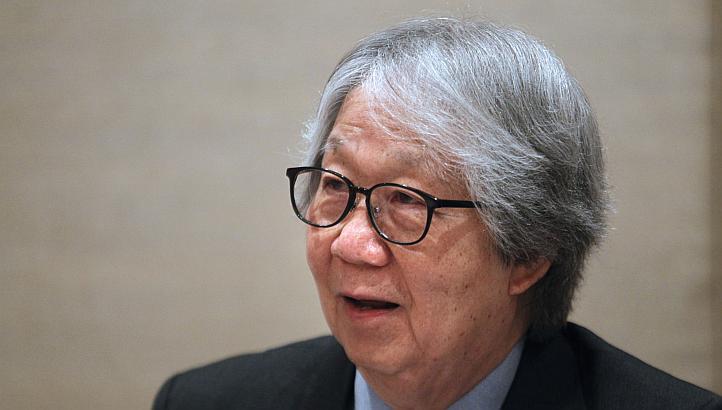
- Professor Tommy Koh, Singapore's former
representative to the UN, was President of the
Third UN Conference on the Law of the Sea from
1980 to 1982
- Professor Tommy Koh, Singapore's former
representative to the UN, was President of the
Third UN Conference on the Law of the Sea from
1980 to 1982
- Defines how countries can draw territorial borders in the sea
- UN peacekeeping Operations
- A way to help countries torn by conflict to create conditions for long-term peace
- Singapore has been involved in UN's peacekeeping efforts since 1989.
By 2005, Singapore was involved in 13 operations in 11 different countries
and contributed approximately 1,500 personnel for these UN missions
- Singapore has been involved in UN's peacekeeping efforts since 1989.
By 2005, Singapore was involved in 13 operations in 11 different countries
and contributed approximately 1,500 personnel for these UN missions
- A way to help countries torn by conflict to create conditions for long-term peace
- Security Council
- Failure of ASEAN
- Sri Lankan Civil War
- The small island nation of Sri Lanka experienced a
bloody civil war lasting from 1983 to 2009, pitting
the militant, separatist Tamil Tigers against
government forces. In the final months of the war,
the opposing sides were fighting in the heavily
populated northeast coastline, a designated safe zone.
- The fighting forced 196,000 people to flee,
and trapped over 50,000 civilians.
Independent experts urged the Human
Rights Council of the UN to investigate
claims of war crimes, and UN
Secretary-General Ban Ki-Moon
acknowledged being “appalled” by the
situation, but the United Nations made no
attempts to intervene on behalf of the
civilian population. From January to April
of 2009, over 6,500 civilians were killed in
this so-called “safe-zone”.
- The small island nation of Sri Lanka experienced a
bloody civil war lasting from 1983 to 2009, pitting
the militant, separatist Tamil Tigers against
government forces. In the final months of the war,
the opposing sides were fighting in the heavily
populated northeast coastline, a designated safe zone.
- Sri Lankan Civil War
- Success of UN
- UN High Commissioner on Refugees (UNHCR)
- Founded in 1949, UNHCR has
helped 17 million asylum-seekers
and refugees. The officers of
UNHCR help the refugees directly,
working to ensure governments
meet their responsibilities to the
expatriates.
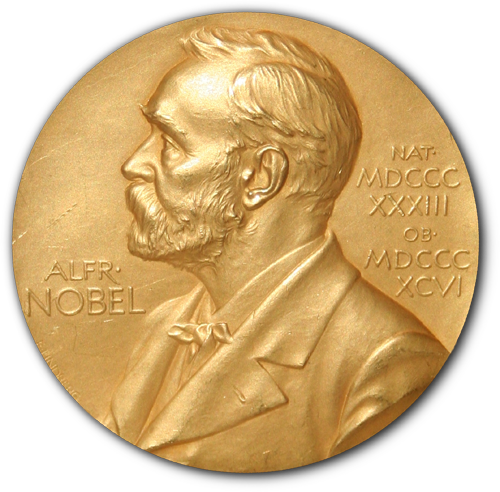
- Two Nobel Peace Prizes in 1954 and 1981
are persuasive evidences for the success
of UNHCR.
- Right now, UNHCR is facing a
problematic financial issue, trying
to protect and assist 700,000
people who had fled conflict in
Syria, Mali, Sudan and the
Democratic Republic of Congo
(DRC).
- Founded in 1949, UNHCR has
helped 17 million asylum-seekers
and refugees. The officers of
UNHCR help the refugees directly,
working to ensure governments
meet their responsibilities to the
expatriates.
- UN High Commissioner on Refugees (UNHCR)
- Why was the UN formed?
- The UN was founded after WWII as an international
organisation to preserve world peace and prevent another
major war
- The UN was founded after WWII as an international
organisation to preserve world peace and prevent another
major war
Medienanhänge


Möchten Sie kostenlos Ihre eigenen Mindmaps mit GoConqr erstellen? Mehr erfahren.