
1617150
Beschreibung

Mindmap von Kristi Brogden, aktualisiert more than 1 year ago

|
Erstellt von Kristi Brogden
vor etwa 11 Jahre
|
|
Introduction and GPCR's
- Targeting
receptors
- Why
target
receptors?
- receptors = Proteins that
signal following
activation (Drug binding)
- Easier than trying to
penetrate membrane
- Specific unlike
ubiquitous proteins
- Less off
target effects
- Less off
target effects
- receptors = Proteins that
signal following
activation (Drug binding)
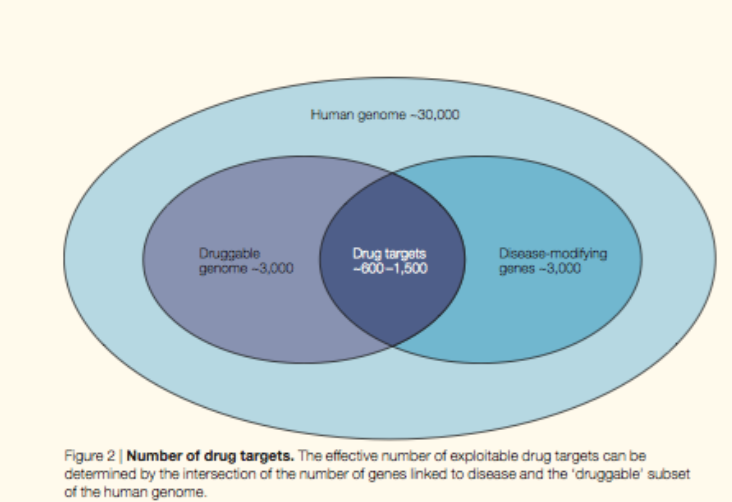
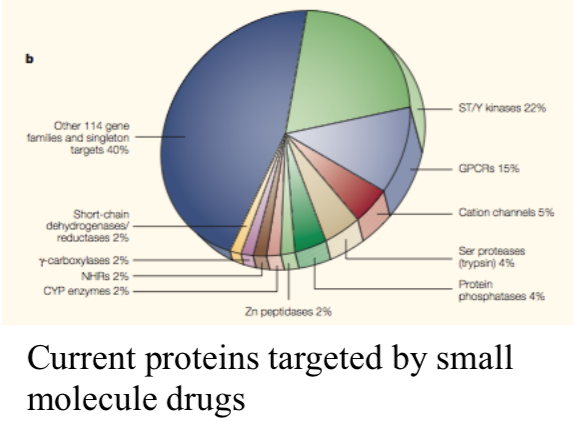
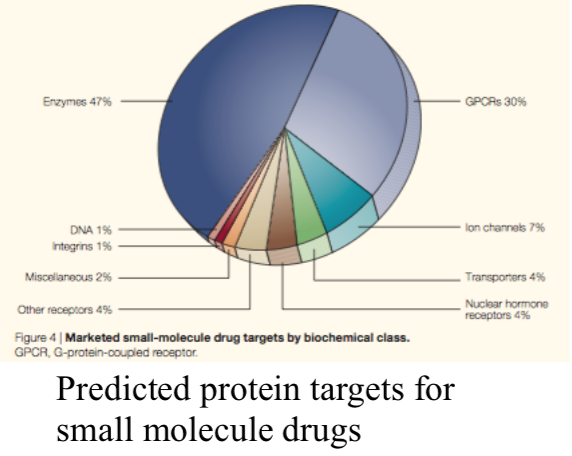
- Small
molecule
drugs
- Targets
- Proteins
- Interested in
proteins that
naturally bind
ligands
- E.g. Receptors
- E.g. kinases
- Have
regulatory
domains
- Have
regulatory
domains
- E.g.
enzymes
- Have
substrate
binding
sites
- Have
substrate
binding
sites
- E.g. Receptors
- Interested in
proteins that
naturally bind
ligands
- Lipids
- Polysaccharides
- Nucleic
acids
- Proteins
- Targets
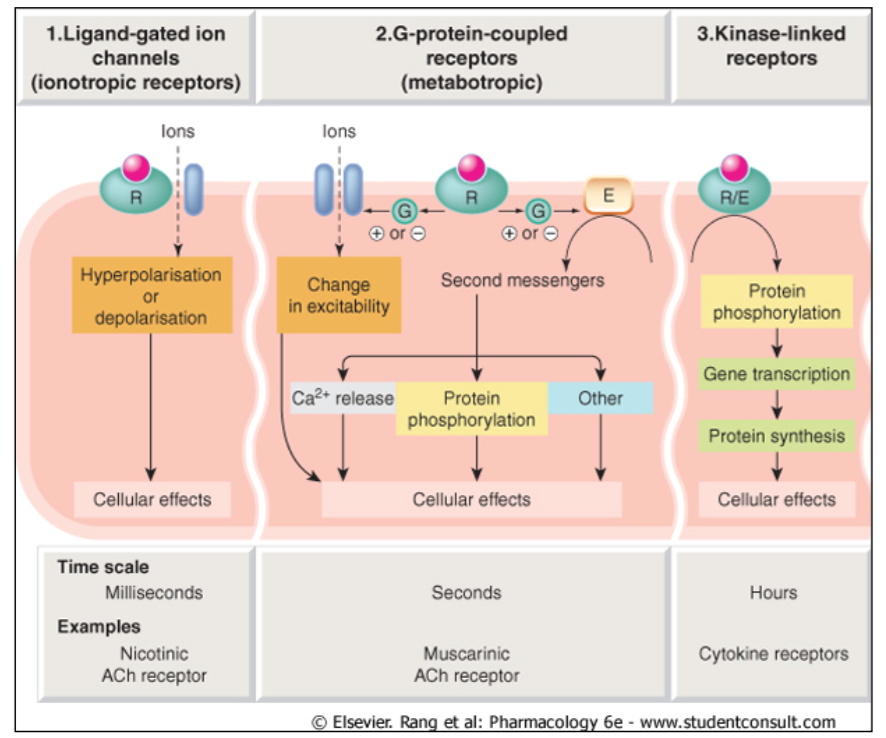
- GPCR's are
a good
target
- Why
target
receptors?
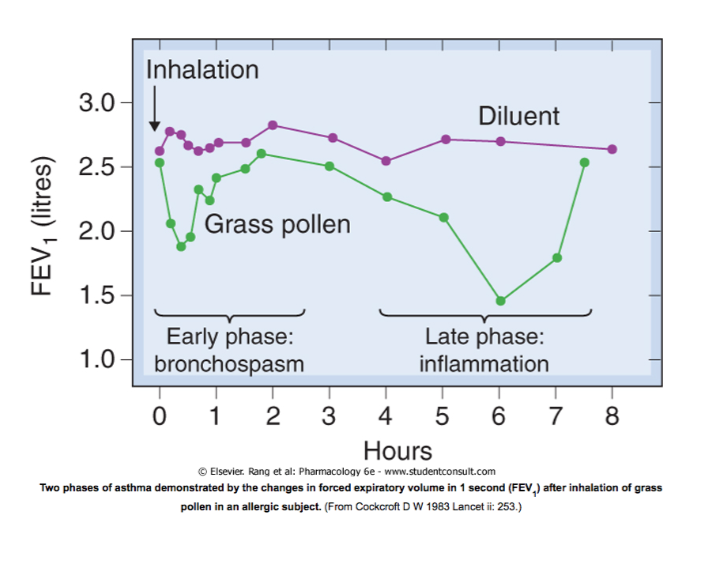
- Asthma
- Symptoms
- shortness of
breath, especially
breathing out,
cough
- Inflammation
of the
airways
- Bronchial
hyper-reactivity
- Reversible
airways
obstruction
- Worse in
late phase
- More
damaging in
long term
- Lead to
permanent
damage in
lungs
- More
damaging in
long term
- shortness of
breath, especially
breathing out,
cough
- Anti-asthmatic
drugs
- Bronchodilators
(salbutamol)
- Polymorphisms in β2-
adrenoceptors associated
with reduced efficacy of
bronchodilators
- Polymorphisms in β2-
adrenoceptors associated
with reduced efficacy of
bronchodilators
- Anti-inflammatory
agents
(prednisolone &
omalizumab)
- Steroids
- Have side
effects
- Not good
to take
long term
- Prednisolone
- Have side
effects
- Omalizumab
- Biological
- Monoclonal antibody
- Targets antibodies
responsible for allergy
- Targets antibodies
responsible for allergy
- Very expensive so
restricted to most
severe cases
- Biological
- Steroids
- Abuse of inhalers
- Hard to
minimise
- Receptors
become
desensitised
- Would be better
if we could
minimise this
- Would be better
if we could
minimise this
- Hard to
minimise
- Bronchodilators
(salbutamol)
- Designing
new drugs
for asthma
- What do we
need to
consider?
- Understand
the disease
- Identify
receptors that
may be involved
- Understand
receptors
- Expression
- Structure
- Signalling
- Function
- Expression
- Understand
receptors
- Potential off
target effects
and toxicity
- Model system
- Not people
- Dangerous
- Dangerous
- Not
animals
- Unethical
- Expensive
- Unethical
- Cell line
expressing
receptor of
interest
- What to
measure
- Binding
- Fits receptor?
- Fits receptor?
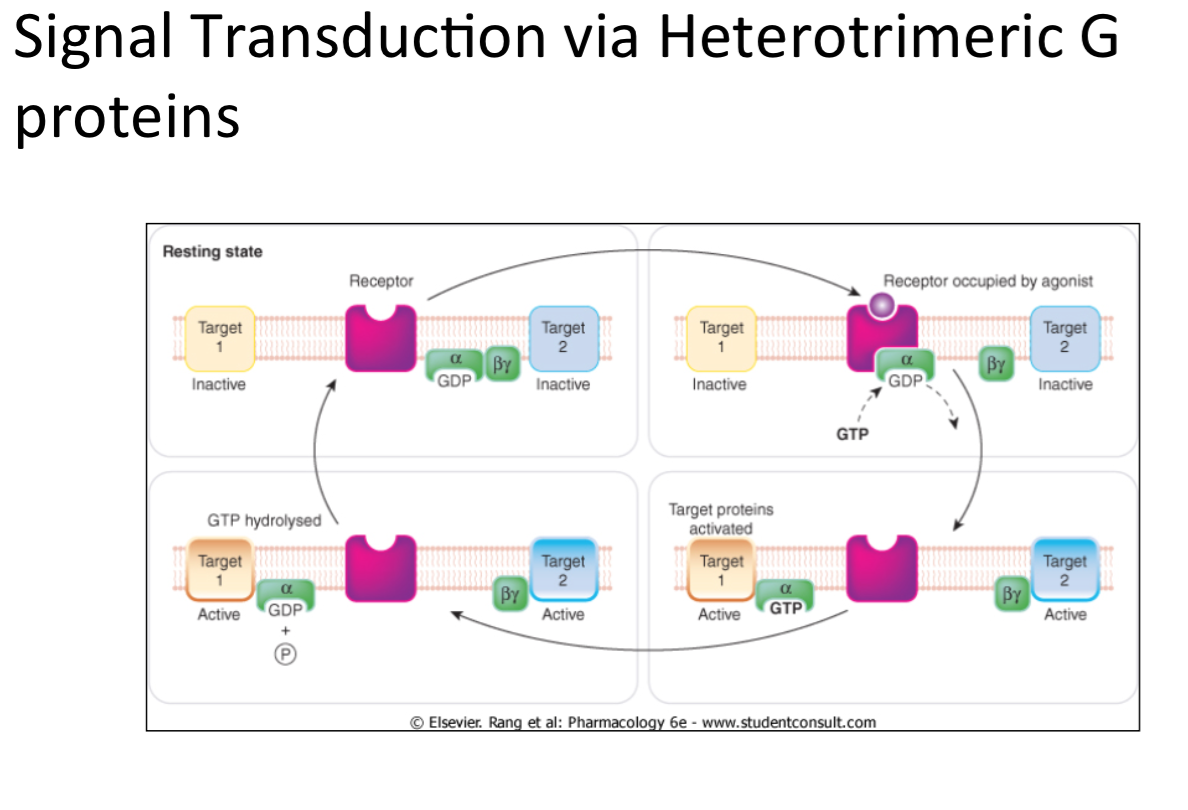
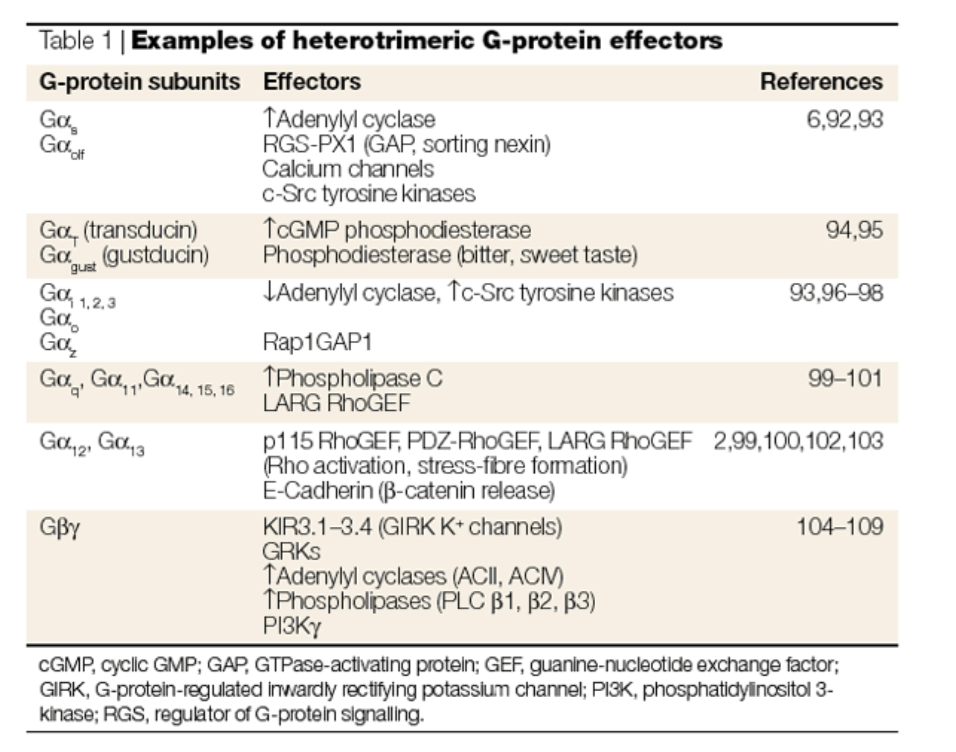
- Downstream
signalling
- Use an assay
that quantifies
this signalling
- Use an assay
that quantifies
this signalling
- Binding
- What to
measure
- Not people
- Understand
the disease
- What do we
need to
consider?
- Symptoms
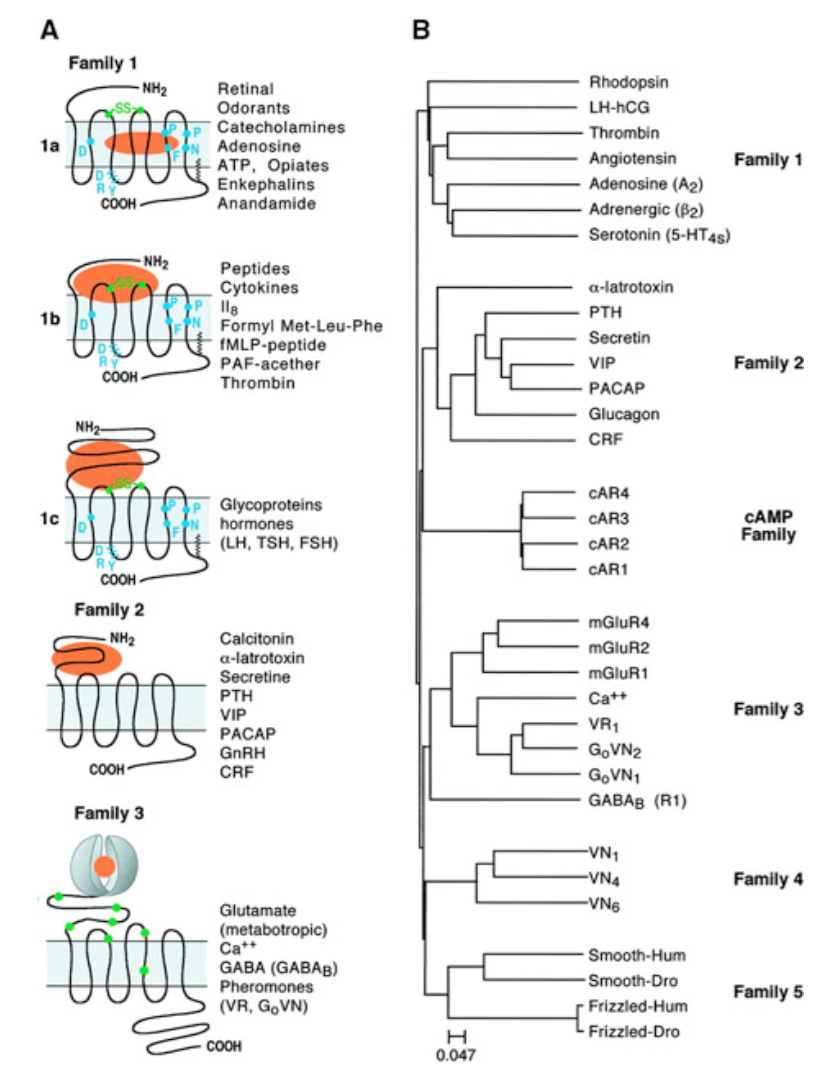
- GPCR's
- Families
- Features
- FRET analysis
of GPCRs
- Families
Medienanhänge
Möchten Sie kostenlos Ihre eigenen Mindmaps mit GoConqr erstellen? Mehr erfahren.