
16399972
Beschreibung

Mindmap von Nadia Leiningen, aktualisiert more than 1 year ago

|
Erstellt von Nadia Leiningen
vor fast 7 Jahre
|
|
Capstone Project
- Finally, I will discuss steps that teachers can take to support the
training of other teachers in their diversifying community so that
their efforts do not get forgotten from year to year.
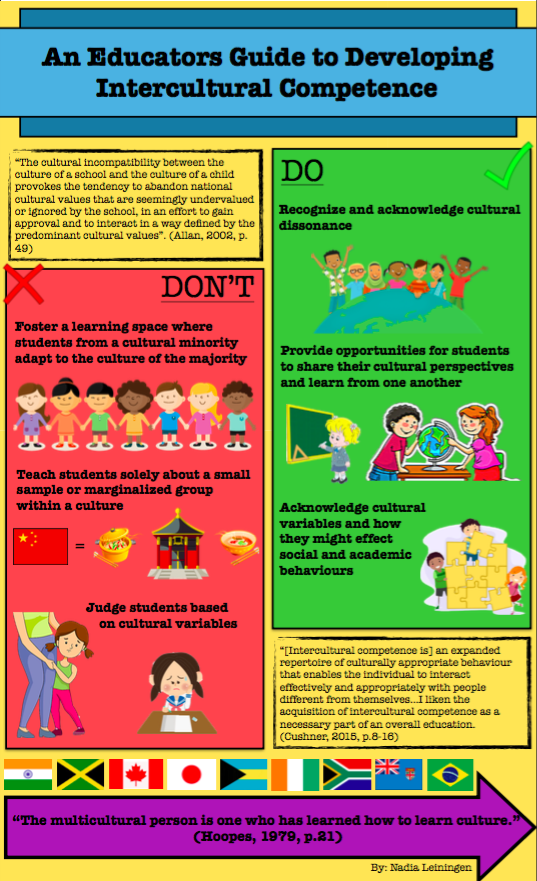
- post infographic
- Explore school systems that already implement intercultural competence training
- Aligning mission, vision and values of your school community
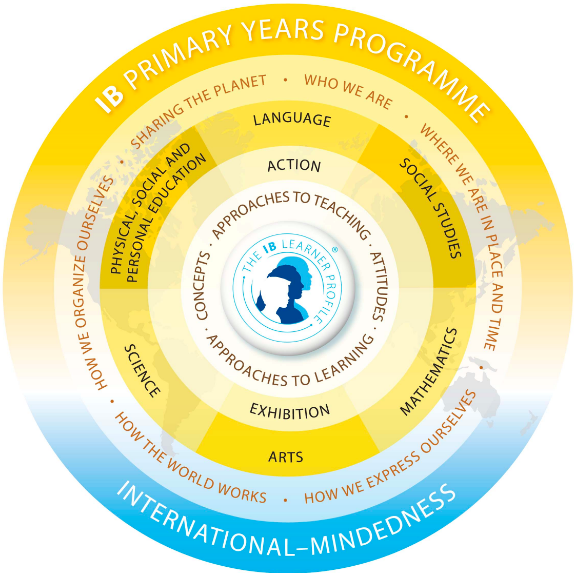
with international-mindedness
- Aligning mission, vision and values of your school community
with international-mindedness
- Diversity Toolkit: Cultural Competence for Educators: ACTIVITY in
the presentation that I will complete - used as an eg.
Anmerkungen:
- http://www.nea.org/tools/30402.htm
- "1. Acknowledge that racism, classism, sexism, heterosexism, and other institutionalized forms of
oppression exist. 2. Acknowledge that one mechanism of institutionalized racism, classism, sexism,
heterosexism, and the like is that we are all systematically misinformed about our own group and about
members of other groups. 3. Agree not to blame ourselves or others for such misinformation, but accept
responsibility for not repeating such misinformation. 4. Agree not to blame victims. 5. Assume that people
do the best they can. 6. Pursue information about our own group and others. 7. Share information about
our group with other members of the class. 8. Agree to combat stereotypes about our groups and other
groups so that we can break down the walls that prohibit group cooperation and success. 9. Create a safe
atmosphere for open discussion.
Anmerkungen:
- "Fostering Positive Race, Class, and Gender Dynamics in the Classroom." Women's Studies Quarterly, 1990:1 & 2: 126-134. https://www.jstor.org/stable/40004032?read-now=1&seq=2#page_scan_tab_contents
- Ground Rules for Discussion - Lynne Weber Cannon - Great to establish before co-planning with a
teaching community
Anmerkungen:
- "Fostering Positive Race, Class, and Gender Dynamics in the Classroom." Women's Studies Quarterly, 1990:1 & 2: 126-134. https://www.jstor.org/stable/40004032?read-now=1&seq=2#page_scan_tab_contents ADDITIONAL LINK THAT HELPED - https://tomprof.stanford.edu/posting/472
- post infographic
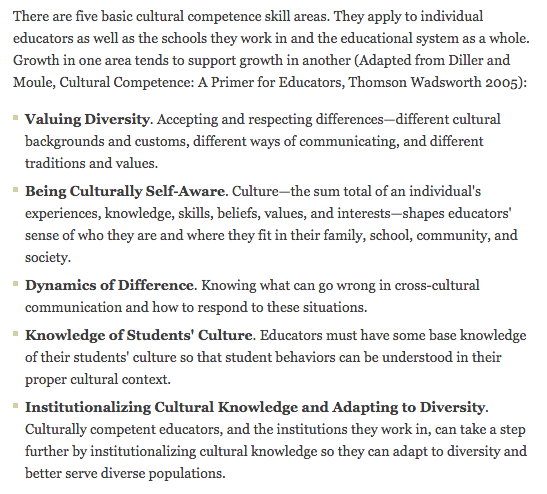
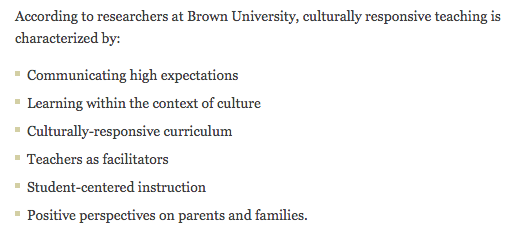
- I will begin by assisting educators in finding the best possible
resources that support and applaud diversity.
- How can we use the curriculum we have
- New Teacher Hand Book for FSL - Looks at Intercultural understanding
https://www.omlta.org/wp-content/uploads/2017/09/New-FSL-Teacher-Handbook.pdf
Anmerkungen:
- Look at the points that are use-able and talk about this as a compliment to the curriculum yet how only FSL teachers have this type of intercultural training tool https://www.omlta.org/wp-content/uploads/2017/09/New-FSL-Teacher-Handbook.pdf
- Ideas underlying the Ontario Arts Curriculum: Understanding Culture • understanding cultural traditions and
innovations • constructing personal and cultural identity (developing a sense of self and a sense of the
relationship between the self and others locally, nationally, and globally) • making a commitment to social
justice and dealing with environmental issues
Anmerkungen:
- http://www.edu.gov.on.ca/eng/curriculum/elementary/arts18b09curr.pdf
- New Teacher Hand Book for FSL - Looks at Intercultural understanding
https://www.omlta.org/wp-content/uploads/2017/09/New-FSL-Teacher-Handbook.pdf
- How can we use new and diverse literature to guide our planning
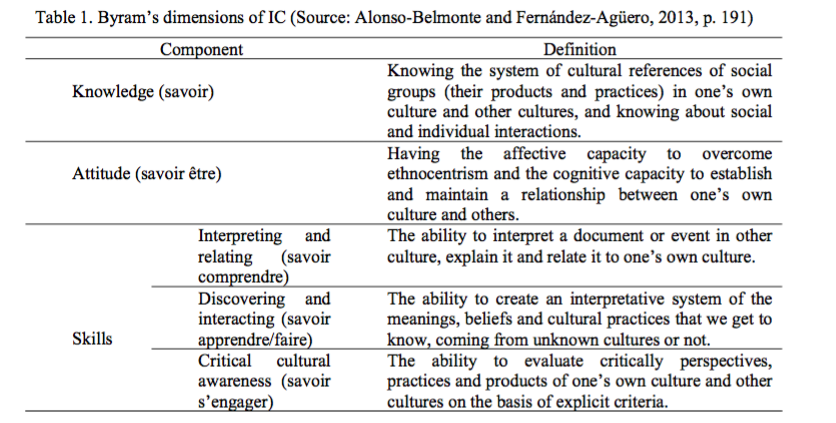
- Table below- From Intercultural Competence in Teaching:
Defining the Intercultural Profile of Student Teachers
Anmerkungen:
- https://www.researchgate.net/publication/316474449_Intercultural_Competence_in_Teaching_Defining_the_Intercultural_Profile_of_Student_Teachers
- ABOVE - teachers use the definition to help establish goals
- helpful hint
- Table below- From Intercultural Competence in Teaching:
Defining the Intercultural Profile of Student Teachers
- ‘Intercultural competence is the ability to interact effectively with people of cultures other than one’s own’ (Byram, 2000, p. 297)1
Anmerkungen:
- Byram, M. & Zarate, G. (1997). Defining and assessing intercultural competence: some principles and proposals for the European context. Language Teaching, 29, 14-18.
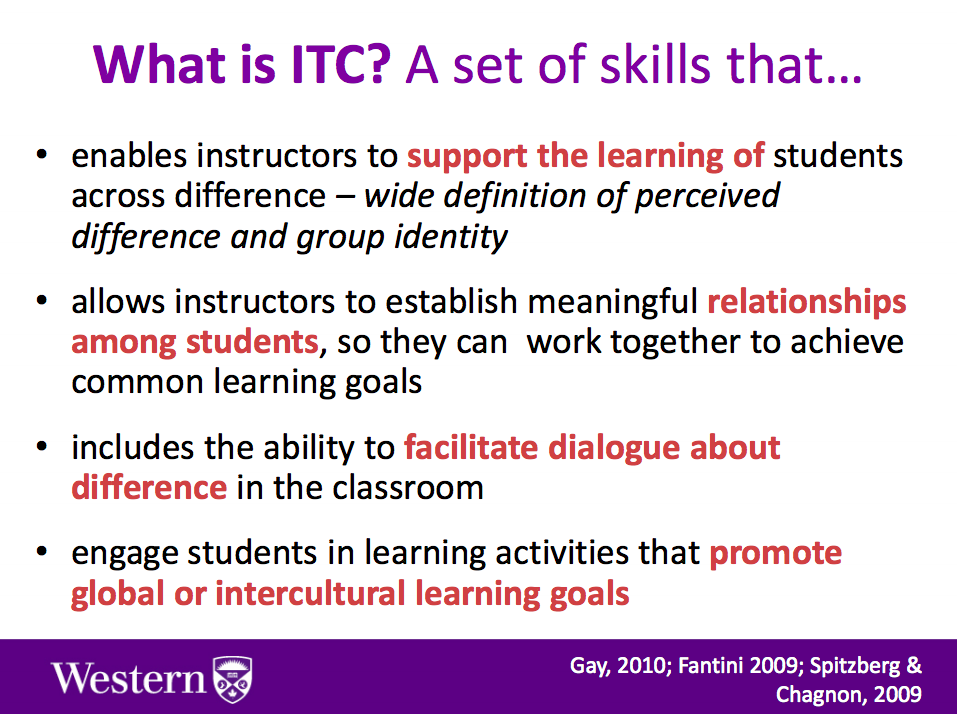
- This is the Why above
Anmerkungen:
- https://www.edu.uwo.ca/research/documents/ITC%20in%20the%20Disciplines_Jan%202017_Faculty%20of%20Ed.pdf
- How can we use the curriculum we have
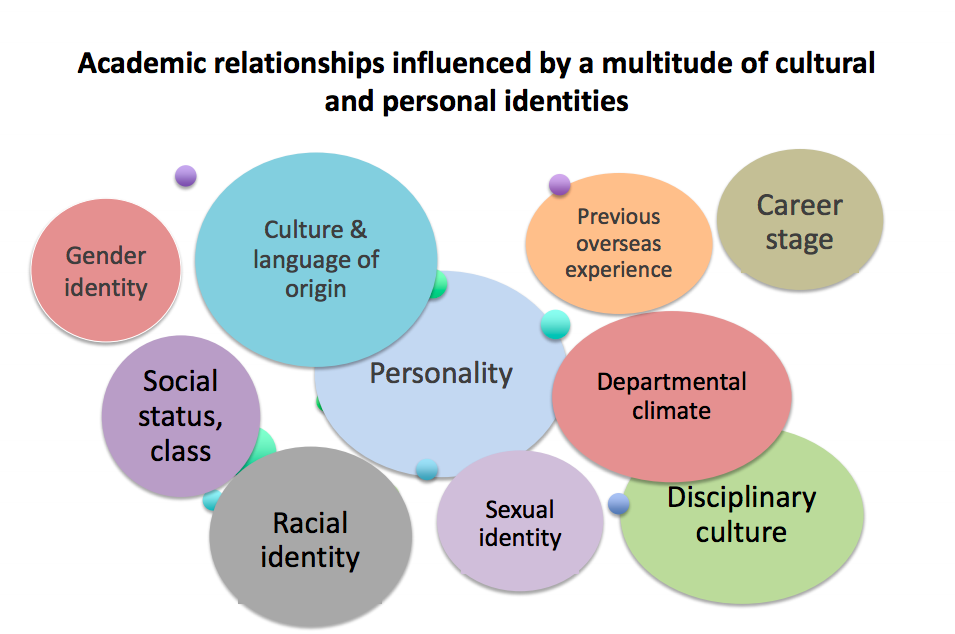
- I will then delve into the importance of building a safe space for
learning by acknowledging cultural dissonance and exploring
empathy
- look at Cultural Dissonance and Cultural Variables
- Cultural dissonance - People working together from a variety of
countries and feeling a clash in cultural expectations and norms that
causes discomfort to the learners. An example could be having a
students approach to a learning space be collectivist vs.
individualistic. Students may have difficulty working with others that
have different expectations and learning styles.
- Cultural variables - things that are engrained in students based on
their culture like having a more introverted demeanour, expecting
certain opportunities or outcomes based on action. This might also
include a students understanding and expectation of body language,
use of humour, responses to authority figures, gender roles, attitude
toward families, religion, etc.
- Cultural dissonance - People working together from a variety of
countries and feeling a clash in cultural expectations and norms that
causes discomfort to the learners. An example could be having a
students approach to a learning space be collectivist vs.
individualistic. Students may have difficulty working with others that
have different expectations and learning styles.
- gaps in teachers understanding of global education systems, values and beliefs
- Culturally defined goals - the goals set by a culture that students are taught to
follow. Some students are expected to achieve high standards, others are expected
to excel in skill based activities vs. effort based activities. Some schools will have
culturally defined goals that international teachers should consider and follow in
order to allow their students to become successful in their context of learning
- Culturally defined goals - the goals set by a culture that students are taught to
follow. Some students are expected to achieve high standards, others are expected
to excel in skill based activities vs. effort based activities. Some schools will have
culturally defined goals that international teachers should consider and follow in
order to allow their students to become successful in their context of learning
- empathy project
- ADD information from
Fernandez, 2016 PDF
about empathy
- PME853 Final Assignment: Empowerment Through Empathy
Anmerkungen:
- https://nadialeiningen.wordpress.com/part-3-empowerment-through-empathy/
- ADD information from
Fernandez, 2016 PDF
about empathy
- look at Cultural Dissonance and Cultural Variables
- Intercultural training is very effective because it develops cultural intelligence and provides strategies for
dealing with culturally diverse behaviours and approaches. Studies have shown that building cultural
intelligence helps us to form more constructive relationships and yields better results in our interactions.
Increasingly, organizations, institutions and corporations have been offering IC trainings to help their
diverse employee workforces interact more successfully with each other as well as with their often
diverse client base. Developing a value for different perspectives and ways of doing things gives us greater
confidence in working with others respectfully and effectively.
Anmerkungen:
- https://www.mosaicbc.org/services/workplace-training/intercultural-competency-training/ MOSAIC intercultural competency training
- OVERALL GOAL: My hope is that my audience will leave with a broader
understanding of the importance of intercultural competence and
global citizenship and will have the tools needed to progress with
confidence.
- Evidence of knowledge based content
- Evidence of scholarly activity in preparation
- Evidence of rigorous research enquiry
- Technical Innovation and Creativity
- Audience appeal
- GENERAL IMPACT?
- CRITERIA FOR SUCCESS
- Evidence of knowledge based content
- My goal is to prepare a presentation that will provide guidance
and motivation to teachers working in culturally diverse
classrooms in order to enhance their intercultural competence.
Medienanhänge
Möchten Sie kostenlos Ihre eigenen Mindmaps mit GoConqr erstellen? Mehr erfahren.