
1684826
Beschreibung

Mindmap von ferledesma1973, aktualisiert more than 1 year ago

|
Erstellt von ferledesma1973
vor etwa 11 Jahre
|
|
Proper grammar
- PARTS OF SPEECH
- name people,
places, things, and
ideas
- plural
- To make a noun
plural, which means
there is more than
one of them, you
normally add an “s.”
Certain nouns than
end with an s, x, ch, or
sh need an “es” added
- plural possessive
nouns
- Add just ’ if
it ends in s.
Doesn’t end
in s, add ‘s.
- Add just ’ if
it ends in s.
Doesn’t end
in s, add ‘s.
- To make a noun
plural, which means
there is more than
one of them, you
normally add an “s.”
Certain nouns than
end with an s, x, ch, or
sh need an “es” added
- possessive
- When making
plural possessive
nouns, add only an
apostrophe if the
noun ends with an
“s”, like buses’ and
countries’.
- When making
plural possessive
nouns, add only an
apostrophe if the
noun ends with an
“s”, like buses’ and
countries’.
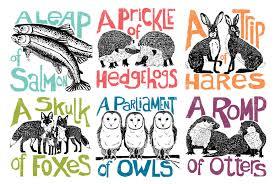
- collective
- This noun represents a
group of things or people.
Since they refer to the
whole group as a unit,
they are used as a single
noun. Of course, if there
are more than one unit,
then you would use the
plural.
- This noun represents a
group of things or people.
Since they refer to the
whole group as a unit,
they are used as a single
noun. Of course, if there
are more than one unit,
then you would use the
plural.
- name people,
places, things, and
ideas
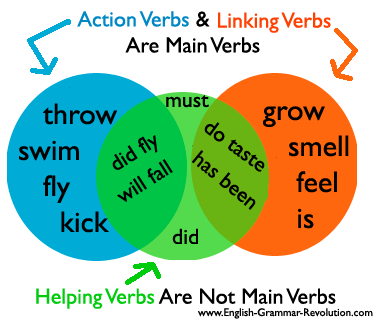
- VERB
- action or
state
- An action can be
physical or
mental.
- help the main verb express an
action or a state of being.
- connect nouns or
pronouns (people,
places, things, and
ideas) to words that
describe, label, or
identify them.
- An action can be
physical or
mental.
- action or
state
- ABVERB
- describes a verb,
adjective or adverb
- describes a verb,
adjective or adverb
- ADJECTIVE
- describes a noun
- describes a noun
- CONJUCTION
- joins clauses
or sentences
or words
- joins clauses
or sentences
or words
- INTERJECTION
- short
exclamation,
sometimes
inserted into a
sentence
- short
exclamation,
sometimes
inserted into a
sentence
- PRONOUN
- replaces a
noun
- replaces a
noun
- PREPOSITION
- links a noun to
another word
- links a noun to
another word
- Types of Sentences
- dependet
- NOT
complete
on its own
- NOT
complete
on its own
- independent
- complete
on its
own
- complete
on its
own
- simple
- compound
- complex
- compound-complex
- two
independent
clauses and
one dependent
clause
- two
independent
clauses and
one dependent
clause
- Independent clause
joined with and
dependent
clause.(subordinating
conjuction)
- compound-complex
- contains
two
independent
clauses. Two
different
thoughts
- complex
- it is one
complete
thought
- compound
- dependet
- You are making a
run-on when you put
two complete
sentences (a subject
and its predicate and
another subject and
its predicate) together
in one sentence
without separating
them properly.
- A sentence fragment is an
incomplete sentence.
Some fragments are
incomplete because they
lack either a subject or a
verb, or both.
- fragment
- fragment
- run-on
- A sentence fragment is an
incomplete sentence.
Some fragments are
incomplete because they
lack either a subject or a
verb, or both.
- You are making a
run-on when you put
two complete
sentences (a subject
and its predicate and
another subject and
its predicate) together
in one sentence
without separating
them properly.
Medienanhänge





Möchten Sie kostenlos Ihre eigenen Mindmaps mit GoConqr erstellen? Mehr erfahren.