
18981679
Beschreibung

Mindmap von Natalia Ramirez , aktualisiert more than 1 year ago

|
Erstellt von Natalia Ramirez
vor mehr als 6 Jahre
|
|
Communicative Language Teaching
Today
- The Background to
CLT
- Phase 1: Traditional Approaches
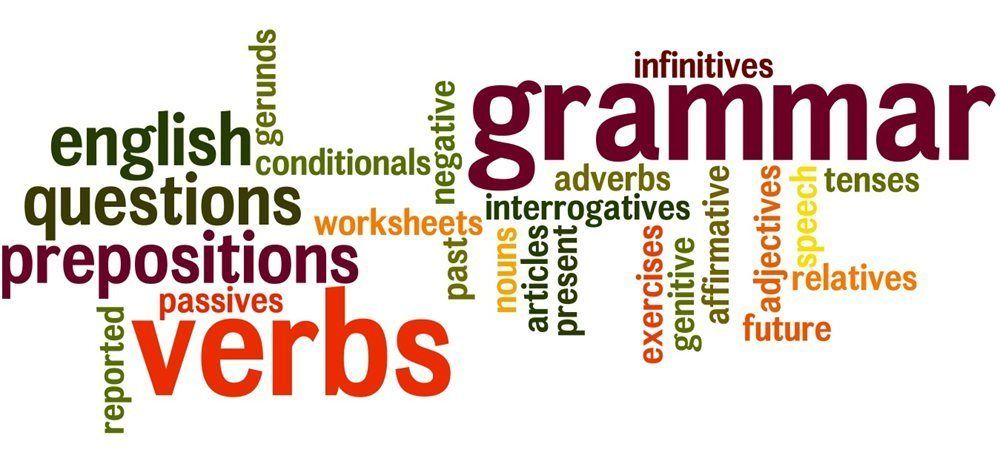
- Grammatical competence
- direct
instruction
- a deductive approach
- repetitive practice and drilling
- direct
instruction
- Grammatical competence
- Phase 2: Classic
Communicative Language
Teaching
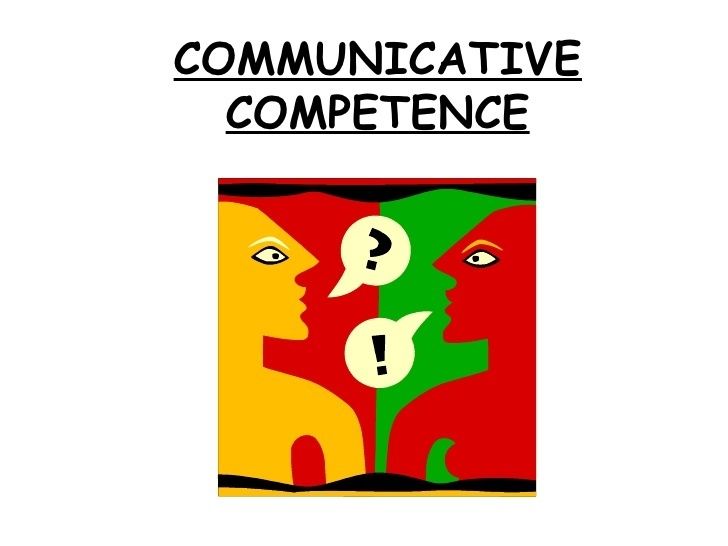
- Communicative competence
- Learning
purposes
- Setting
- Social role
- communicative
events
- language functions
- discourse and
rhetorical skills
- notions
- grammatical content
- variety
- lexical content
- Proposals for a
Communicative
Syllabus
- A
skills-based
syllabus
- A functional
syllabus
- A
skills-based
syllabus
- the ESP
movement.
- Learning
purposes
- Communicative competence
- Phase 1: Traditional Approaches
- What is it?
- Its goal
- Being able to use the
language for meaningful
communication
- Being able to use the
language for meaningful
communication
- How Learners Learn a
Language
- Negotiation of meaning, attending to the
feedback and experimenting with different
ways of saying things
- Negotiation of meaning, attending to the
feedback and experimenting with different
ways of saying things
- Kinds of Classroom Activities
- Pair and group work
activities
- Pair and group work
activities
- The Roles of Teachers and
Learners in the Classroom
- Teacher as facilitator and monitor
- Teacher as facilitator and monitor
- Its goal
- Classroom Activities in CLT
- Fluency activities
- meaningful use of language
- meaningful use of language
- Practice
- Mechanical
- controlled
practice
activity
- controlled
practice
activity
- Meaningful
- language control and
meaningful choices
- language control and
meaningful choices
- Communicative
- real communicative
context
- real communicative
context
- Mechanical
- Fluency activities
- Current Trends in CLT
- Learner autonomy
- The social nature of learning
- Curricular integration
- Focus on meaning
- Diversity
- Thinking skills
- Alternative assessment
- Teachers as co-learners
- Learner autonomy
- Process-Based CLT Approaches
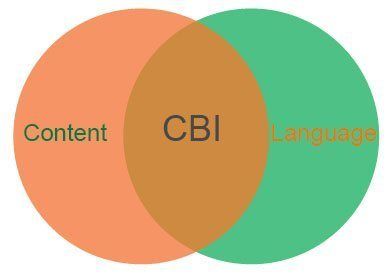
- Content-Based
Instruction
- It stresses that the
content or subject
matter of teaching
drives the whole
language learning
process
- It stresses that the
content or subject
matter of teaching
drives the whole
language learning
process
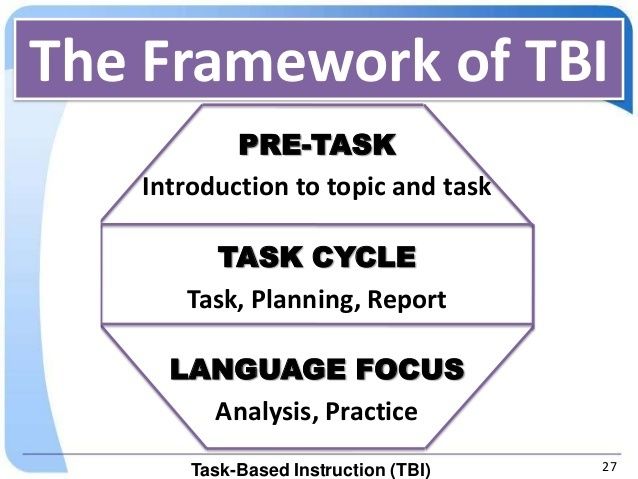
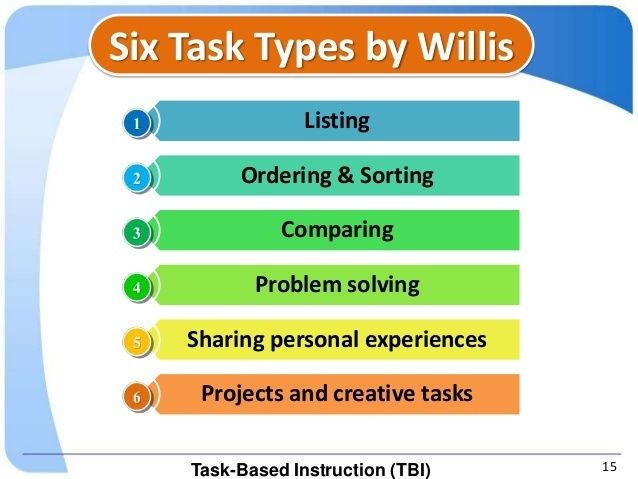
- Task-Based
Instruction
- Content-Based
Instruction
- Product-Based CLT Approaches
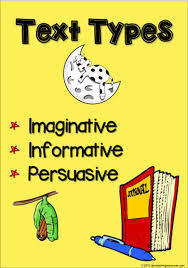
- Text-Based Instruction
- It sees communicative competence as
involving the mastery of different
types of texts
- It sees communicative competence as
involving the mastery of different
types of texts
- Competency-Based Instruction
- It seeks to teach students the basic
skills they need in order to prepare
them for situations they commonly
encounter in everyday life
- It seeks to teach students the basic
skills they need in order to prepare
them for situations they commonly
encounter in everyday life
- Text-Based Instruction
Medienanhänge






Möchten Sie kostenlos Ihre eigenen Mindmaps mit GoConqr erstellen? Mehr erfahren.