
21860548


Renaissance
- Political
- Authoritarian
monarchies
- Monarchies gained a
lot of power
- Permanent
armies
- Monarchies gained a
lot of power
- Authoritarian
monarchies
- Economic
- Economic growth in
the cities
- Craftwork and
trade growth
- Need metal por
transade
- Craftwork and
trade growth
- Economic growth in
the cities
- Cultural
- Renaissance art
- Architecture
- Characteristics
- Harmonious form, Classical
structural elements, gowth civil
archiquecture, revival ancient
Roma roofs
- Harmonious form, Classical
structural elements, gowth civil
archiquecture, revival ancient
Roma roofs
- Artistic
periods
- The Quattrocento (S. XV)
- Characteristics
- Harmonious spaces based
on mathematical and
geometrical studies
- Harmonious spaces based
on mathematical and
geometrical studies
- Architects
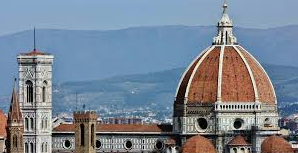
- Brunelleschi
- Dome of Florence'Cathedral
an the Basilica di San Lorenzo
de Florencia
- Dome of Florence'Cathedral
an the Basilica di San Lorenzo
de Florencia
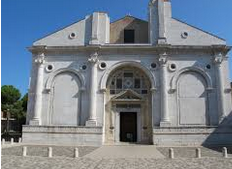
- Alberti
- Basilica di Sant- Andrea in
Mantua and the Tempio
Malatestiano in Rimini
- Basilica di Sant- Andrea in
Mantua and the Tempio
Malatestiano in Rimini
- Brunelleschi
- Characteristics
- The Cinquecento (S. XVI)
- Monumental building and
ancient architectural
orders
- Architects
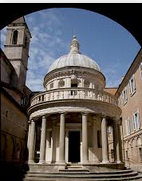
- Bramante
- San Pietro in
Montorio
- San Pietro in
Montorio
- Michelangelo
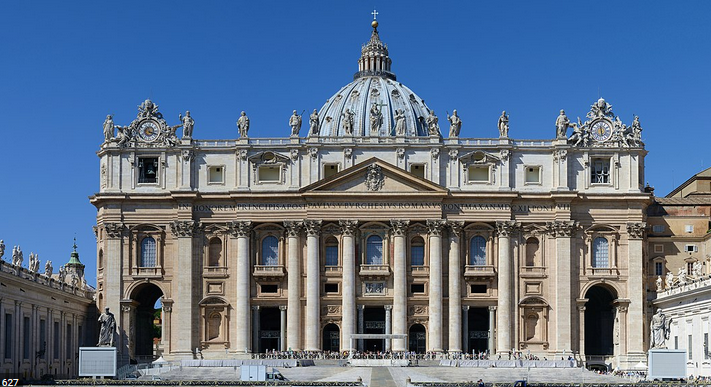
- St. Peter´s Basilica in
the Vatican
- St. Peter´s Basilica in
the Vatican
- Bramante
- Monumental building and
ancient architectural
orders
- The Quattrocento (S. XV)
- Characteristics
- Painting
- Artistic periods
- The Quattrocento (S. XV)
- Depth and
perspective
- Painters
- Boticelli
- The Bith of Venus
- The Bith of Venus
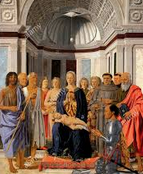
- Piero della
Francesca
- The Brera
Madonna
- The Brera
Madonna
- Boticelli
- Depth and
perspective
- The Cinquecento (S. XVI)
- Painters
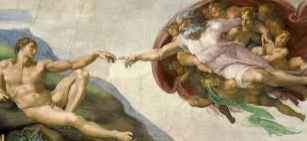
- Michelangelo
- The creation of
Adam
- The creation of
Adam
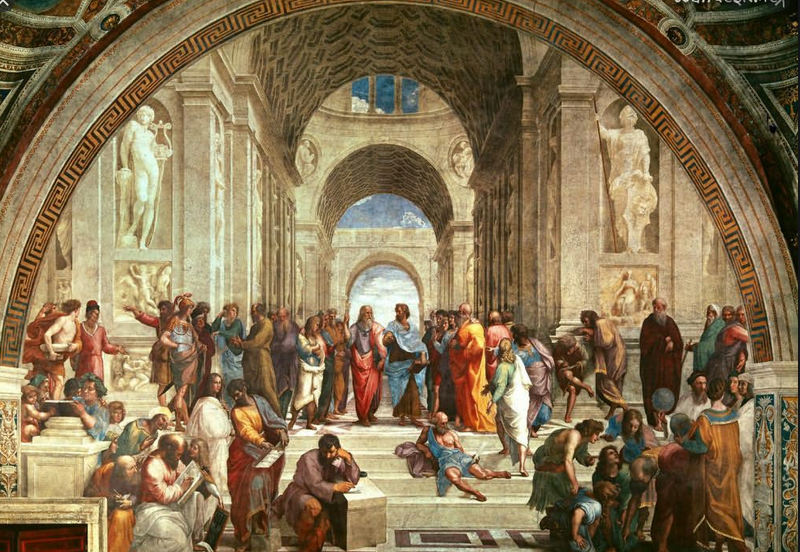
- Raphael
- School os Athens
- School os Athens
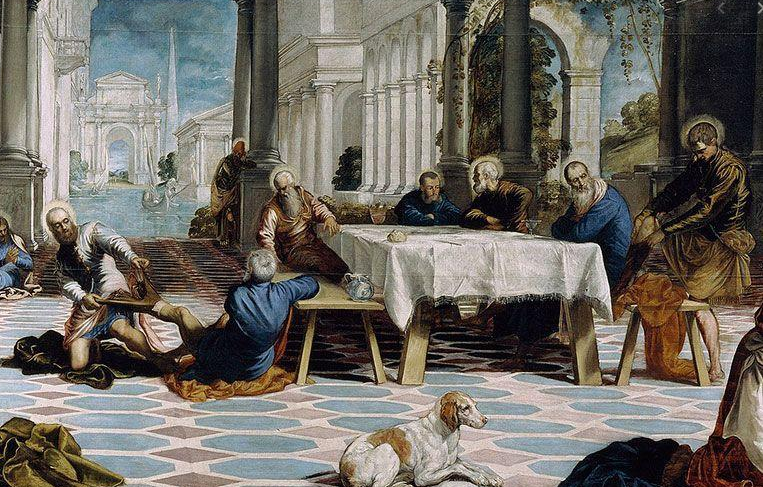
- Venetian school
- Titian and
Tintoretto
- Titian and
Tintoretto
- Michelangelo
- Painters
- The Quattrocento (S. XV)
- Characteristics
- Realistic pictures, variety of themes ,
developed the technique of perspective,
balanced and harmonious compositions,
proportion, use of ligtht
- Realistic pictures, variety of themes ,
developed the technique of perspective,
balanced and harmonious compositions,
proportion, use of ligtht
- Artistic periods
- Sculpture
- Characteristics
- Variety of materials, New themes
(mythological, historical, portraits),
In the round and reliefs, pursuit of
ideal of beauty)
- Variety of materials, New themes
(mythological, historical, portraits),
In the round and reliefs, pursuit of
ideal of beauty)
- Artistic periods
- The Quattrocento
- Sculptors
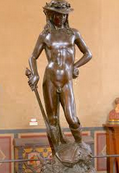
- Donatello
- David
- David
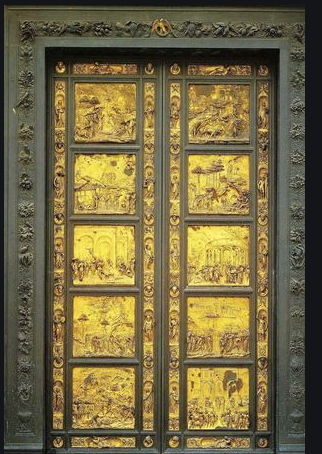
- Ghiberti
- Gates of
Paradise
- Gates of
Paradise
- Donatello
- Sculptors
- The Cinquecento
- Sculptors
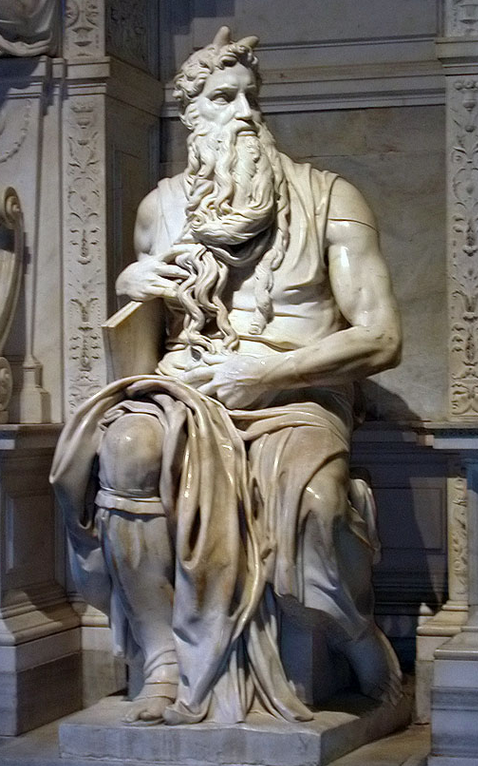
- Michelangelo
- Moses
- Moses
- Michelangelo
- Sculptors
- The Quattrocento
- Characteristics
- Architecture
- Humanism cultural
movement
- Anthropocentrism
- Return to antiquity
- Importance of
knowledge
- Astronomy
- Heliocentrism
- Heliocentrism
- Medicine
- Microscope
- Pharmaccology
- Theory of
pulmonary
circulation
- Microscope
- Geography
- Earth spherical
- Modern cartography:
parallels-meridias
- Earth spherical
- Astronomy
- Spread of ideas
- Academies
- Patrons
- Academies
- Anthropocentrism
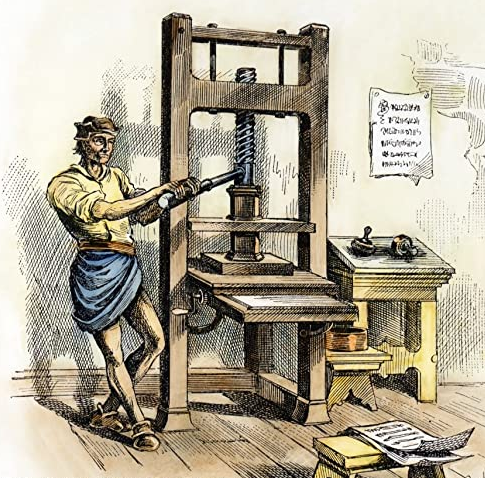
- Printing press
- Differents
languages
- Cheaper, faster,
knowledge more
accesible
- Differents
languages
- Renaissance art
- Social
- Privileged estate
- Clergy and
nobility
- Clergy and
nobility
- Non-privileged estate
- Artisants, peasants,
bourgeoisie
- Bourgeoisie more
economic power
- Bourgeoisie more
economic power
- Artisants, peasants,
bourgeoisie
- Privileged estate
- Religion
- Intolerance
- Reformation
- Counter-reformation
- War between
christians
- Reformation
- Intolerance
- Geographical
discoveries
- Discovery of
America
- Trade with Asia
- Discovery of
America
- Time and
place
- It began in the 14th century and it
developed fully in the 15th and 16th
century in the rich city-states of the
northern part of the Italian Peninsula
- It began in the 14th century and it
developed fully in the 15th and 16th
century in the rich city-states of the
northern part of the Italian Peninsula
Medienanhänge
Möchten Sie kostenlos Ihre eigenen Mindmaps mit GoConqr erstellen? Mehr erfahren.