
30040249
Beschreibung

Mindmap von lina castillo, aktualisiert more than 1 year ago

|
Erstellt von lina castillo
vor fast 5 Jahre
|
|
BILINGUAL EDUCATION
PROGRAMMES
Anmerkungen:
- BILINGUALISM: Alludes to the capacity of people to use/speak two or more languages.
- LANGUAGE POLICIES
- Are developed by
politicians and
non-educators
- Preserve
languages
- Promote
bilingualism
- Promote one
language over
the other
- Are developed by
politicians and
non-educators
- GENERAL PRINCIPLES
- INCIDENTAL
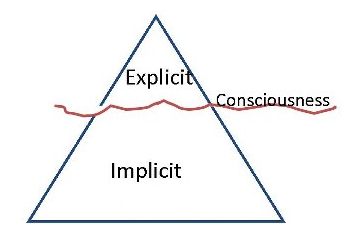
- IMPLICIT
- INCIDENTAL
- TYPES OF BILINGUAL EDUCATION PROGRAMMES
- Leads to Bilingualism
Anmerkungen:
- Languages are interconnected.
- HETEROGLOSIC PROGRAMMES
according to Garcia (2009)
Anmerkungen:
- Known as Concurrent approach.
- RECURSIVE-HETEROGLOSIC
- DEVELOPMENTAL
- Protect minority langugaes in danger
- AIM: Students become proficiency
in both languages.
- AIM: Students become proficiency
in both languages.
- Protect minority langugaes in danger
- DEVELOPMENTAL
- DYNAMIC-HETEROGLOSIC
Anmerkungen:
- Different degrees of bilinguals.
- Two-way model or Poly-directional
- Recognise the minnority
- Collaboration between
the langugages
- Effectiveness of dual programmes
- Effectiveness of dual programmes
- Collaboration between
the langugages
- Plurilinguism
- Transcultural
- Transcultural
- Recognise the minnority
- CLIL
- Approach originated in Europe but
is recognized around the world.
- Promotes multilingualism
- Aprroach based on teaching content
integrated
- 4Cs
- CONTENT
- Learners
creating
- Teaching and learning for
understanding
- Teaching and learning for
understanding
- Cross-curricular
- Subjects and topiics
in relation
- Students learning math through English
- Students learning math through English
- Subjects and topiics
in relation
- Learners
creating
- COMMUNICATION
- Learning context interaction
- Students learning fractions
while they explain verbally the
steps to share a pizza.
- Students learning fractions
while they explain verbally the
steps to share a pizza.
- Learning context interaction
- COGNITION
- Blooom's taxonomy.
- Cognitive levels and strategies
- Development of critical thinking
- Development of critical thinking
- Cognitive levels and strategies
- Blooom's taxonomy.
- CULTURE
- Identity connection
- Networks, Interaction with other people while
understanding their own culture.
- Networks, Interaction with other people while
understanding their own culture.
- Identity connection
- CONTENT
- 4Cs
- Language is divided into
- LANGUAGE OF LEARNING
- LANGUAGE FOR LEARNING
- LANGUAGE THROUGH LEARNING
- LANGUAGE OF LEARNING
- DEFINITION
- Content through the use
of an additional language.
- Content through the use
of an additional language.
- Approach originated in Europe but
is recognized around the world.
- Translanguaging as a tool:
- Leads to monolinguism
Anmerkungen:
- It is seen as "ARTIFICIAL" Languages are taught separately.
- MONOGLOSIC PROGRAMMES
according to Baker 1996
Anmerkungen:
- Separate languages in the curriculum. Learners develop proficiency in two languages.
- ADDITIVE MONOGLOSIC
Anmerkungen:
- Languages seen as separate entities.
- INMMERSION
- Well-known
programs
- Early: Pre-school level.
- Delayed: Incorporation at some
point in elementary or primary
school..
- Total: Only taught in L2.
- Partial: L2 between 90% or 50% taught
- Example:: Broadway Elementary School
- Example:: Broadway Elementary School
- Well-known
programs
- MAINTENANCE according
to Fishman (1976
- Goal: Preserve the mIniority
language spoken at home while
acquire L2
- The aim is to taught subjects in two different
languages.
- Example: "First languages Australia"
held the National Indigenous
Languages Teaching and
Employment forum in Adelaide
promoting the revitalisation of
indigenous languages
- GAMBAY
- https://gambay.com.au/
- https://gambay.com.au/
- Marringamu
- http://marringamu.com.au/
- http://marringamu.com.au/
- GAMBAY
- Example: "First languages Australia"
held the National Indigenous
Languages Teaching and
Employment forum in Adelaide
promoting the revitalisation of
indigenous languages
- The aim is to taught subjects in two different
languages.
- Cultural component, cultural identity
- Goal: Preserve the mIniority
language spoken at home while
acquire L2
- PRESTIGIOUS OR
ELITIST MODELS
- Students learn through two
"prestigious" languages
- Language to be used as symbolic
capital on the market.
- Language to be used as symbolic
capital on the market.
- Students learn through two
"prestigious" languages
- SUBSTRACTIVE MONOGLOSIC
- SUBMERSION
- Language
shift
- monocultural
- monocultural
- GOAL: Dominant language. Proficiency in L2
- Neglests students minority L1
- Instructions given a majority by L2
- Example: At some bilingual schools in Colombia,
the head teacher tends to use English as the
primary language and not being aware that a
Spanish student is in the class left to fend
independently and either quickly learn the
language or fail the class.
- Example: At some bilingual schools in Colombia,
the head teacher tends to use English as the
primary language and not being aware that a
Spanish student is in the class left to fend
independently and either quickly learn the
language or fail the class.
- Instructions given a majority by L2
- Characteristics:
- Neglests students minority L1
- Language
shift
- TRANSITIONAL
- Substractive-natured
- Short usage of L1 while they
acquire L2
- Goal: Use L1 to facilitate the
learning of L2
- Adress to migratis, or indigenous
- ESL Programmes in USA
- Students immerse
themselves in English
language and culture
with some support.
- Students immerse
themselves in English
language and culture
with some support.
- ESL Programmes in USA
- Adress to migratis, or indigenous
- Goal: Use L1 to facilitate the
learning of L2
- Short usage of L1 while they
acquire L2
- Substractive-natured
- SUBMERSION
- Leads to Bilingualism
- BILINGUAL EDUCATION PROGRAMMES APPROACHES
- HETEROGLOSSIC: Advancement of bilingualism
and language learning within bilingual students
in the curriculum
- MONOGLOSSIC: Bilingualism is not advanced within
the curriculum despite the fact that there are bilingual
people within the course.
Anmerkungen:
- Negative effects due to monolingual promotion.
- HETEROGLOSSIC: Advancement of bilingualism
and language learning within bilingual students
in the curriculum
- By Lina María Castillo Mejia
Medienanhänge







Möchten Sie kostenlos Ihre eigenen Mindmaps mit GoConqr erstellen? Mehr erfahren.