
30775997
Beschreibung

Mindmap von Alicia Fernández, aktualisiert more than 1 year ago

|
Erstellt von Alicia Fernández
vor fast 5 Jahre
|
|
How To Draw
- 3.4 BASIC LINES
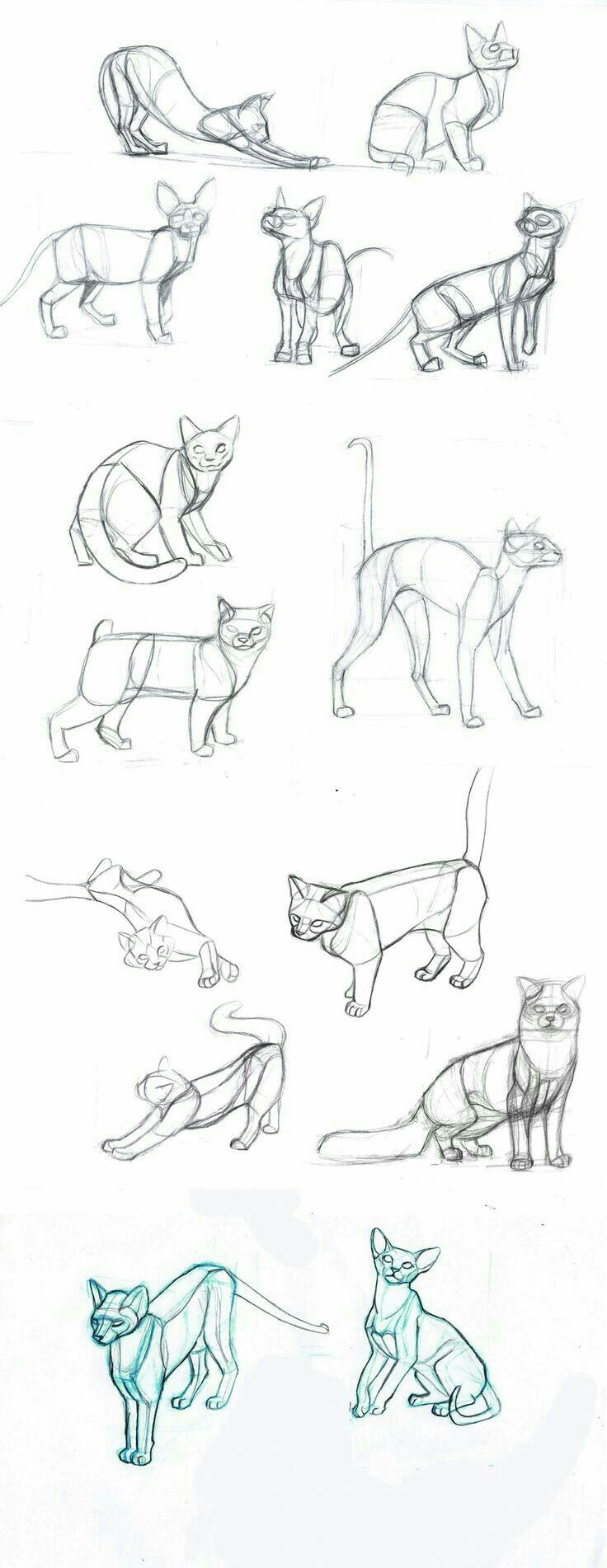
- Simplifies an image into basic geometric forms
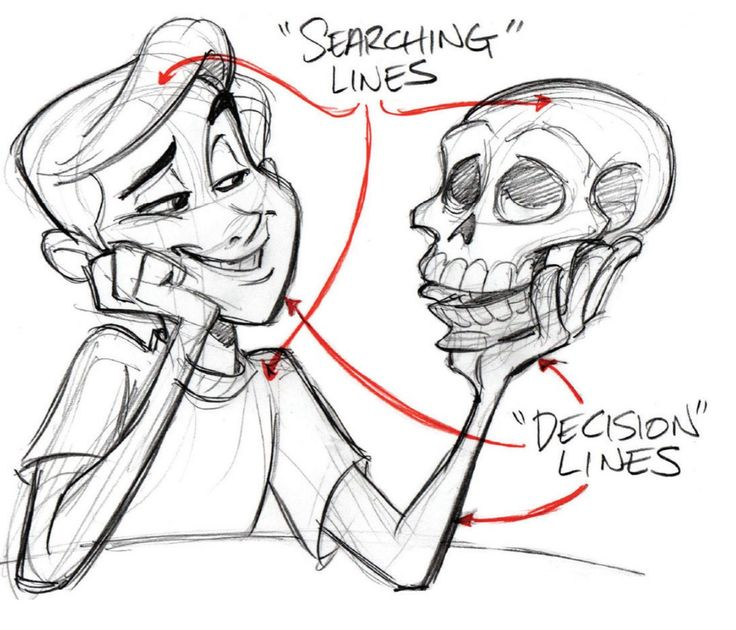
- Searching lines
- Those we do to shape the drawing.
- Those we do to shape the drawing.
- Decision lines
- Those that we remark to leave the finished drawing.
- Those that we remark to leave the finished drawing.
- Searching lines
- Simplifies an image into basic geometric forms
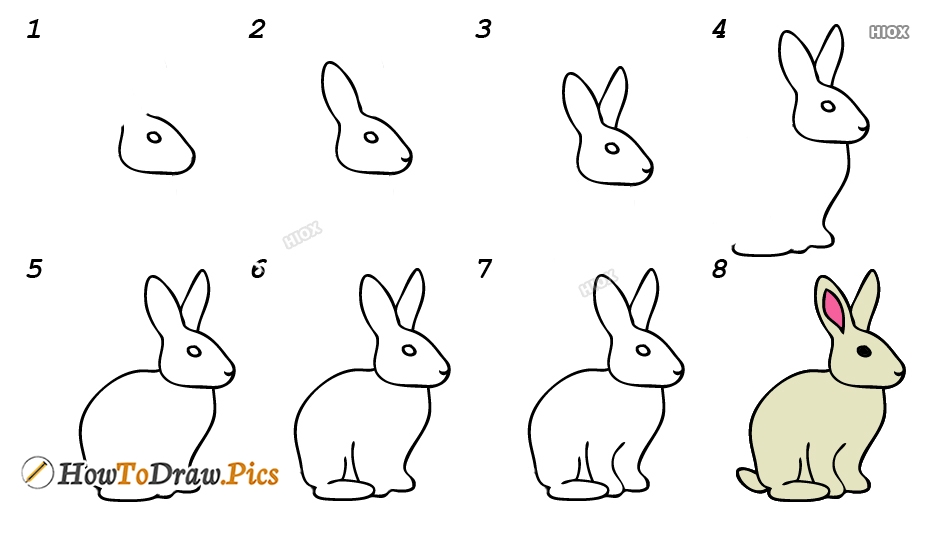
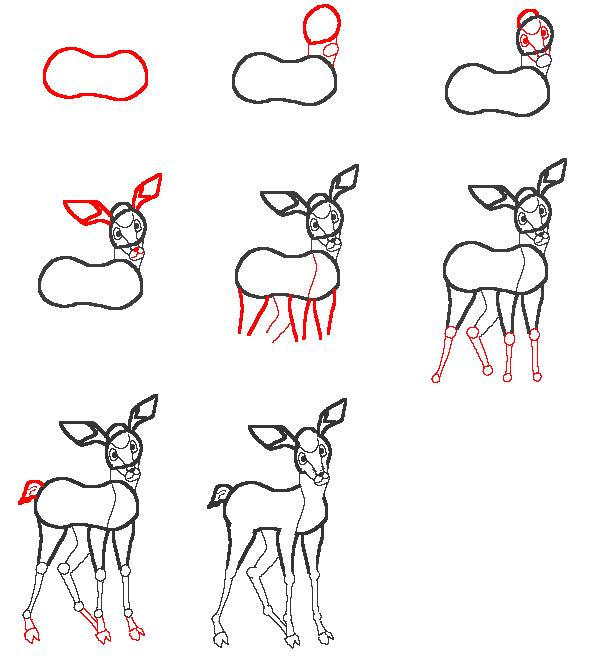
- 4.3 SCHEMATIC DRAWING
- Sketching helps us to to put a figure
in the correct position and with the
appropriate proportions.
- We calculate the proportions with lines that determine the place and measurements
of the object that we draw, that form a grid that we will fill in with our drawing.
- We calculate the proportions with lines that determine the place and measurements
of the object that we draw, that form a grid that we will fill in with our drawing.
- Sketching helps us to to put a figure
in the correct position and with the
appropriate proportions.
- 9.1 DRAWING SCALE/GRID METHOD
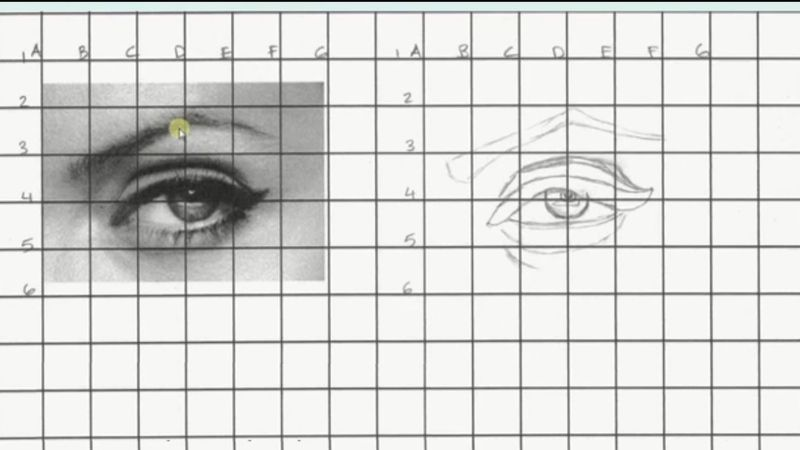
- Consist in a grid in which
all the squares are of the same
measurements, formed by vertical and
horizontal parallel lines.
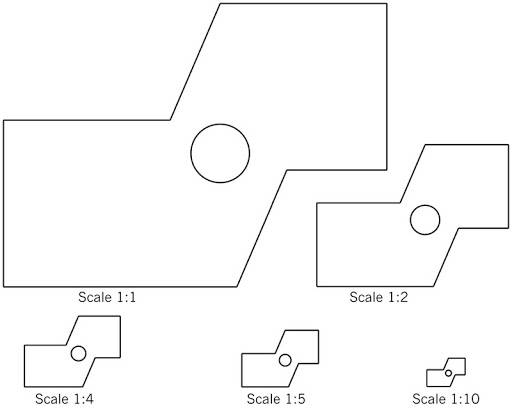
- We use this scale to reduce or enlarge real
objects to draw them. For example, a 2: 1 scale
means that two units in the drawing are one in
real life.
- DRAWING SCALE
- GRID METHOD
- Consist in a grid in which
all the squares are of the same
measurements, formed by vertical and
horizontal parallel lines.
- LIGHT AND VOLUME
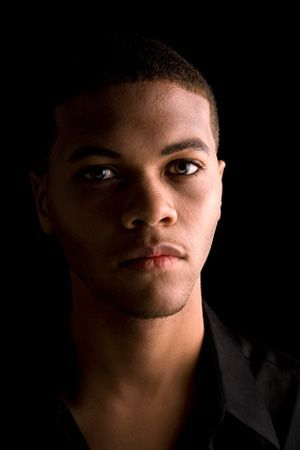
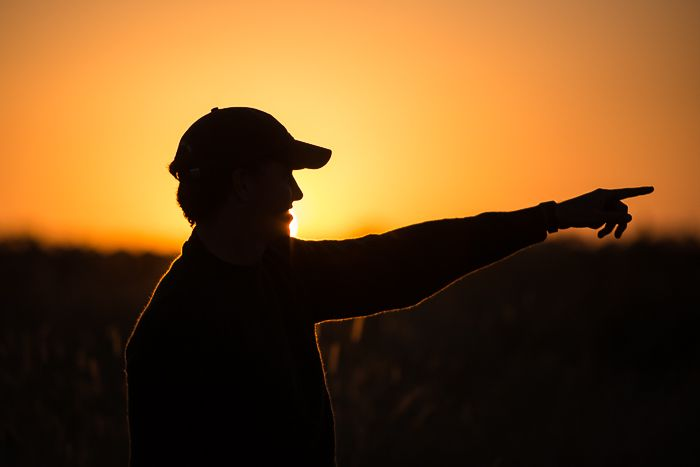
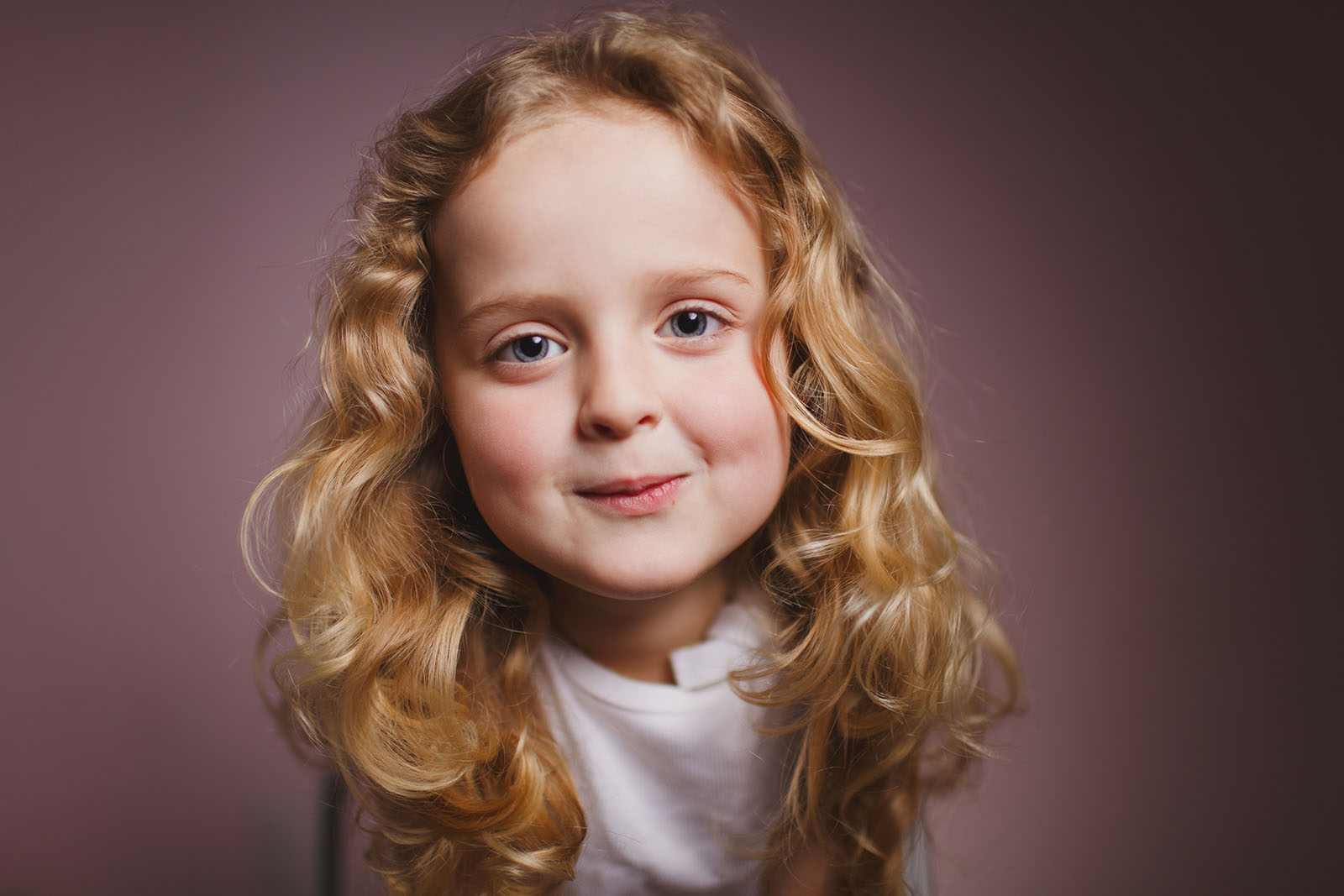
- 6.2 LIGHT
- Light changes how things look. There are many ways
that light affects an object, such as:
- Front light
- Lateral light
- Backlight
- Front light
- Light changes how things look. There are many ways
that light affects an object, such as:
- 6.1, 6.3 and 6.3 FORM AND CAST SHADOWS
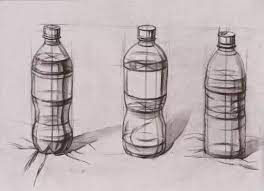
- There are many methods to form the shadows
and in this way give a feeling of depth in a
drawing, such as:
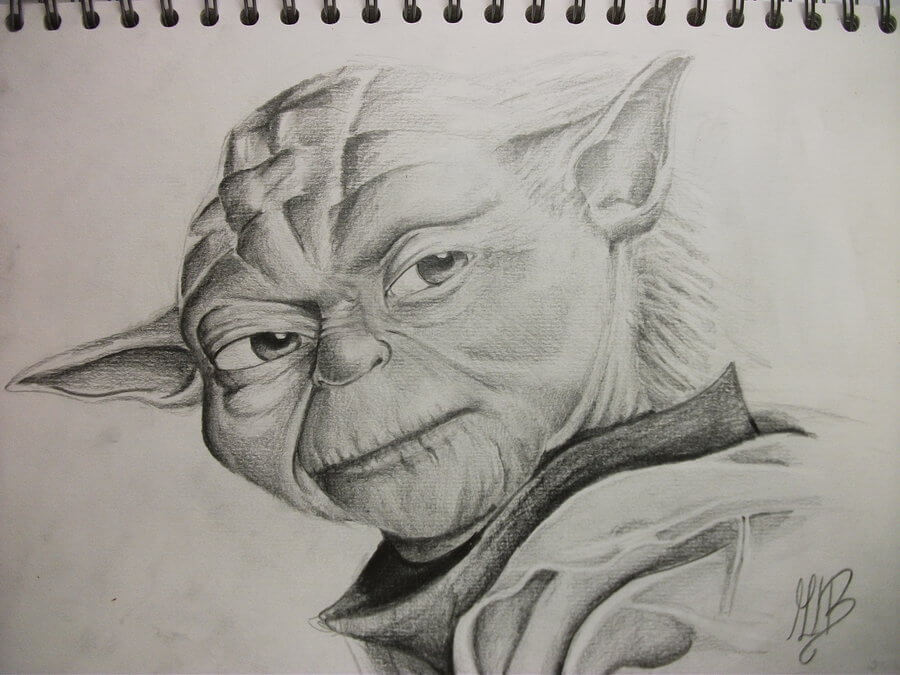
- SMUDGE
- It consists of rubbing the graphite of the
pencil with paper to create more or less deep
shadows.
- It consists of rubbing the graphite of the
pencil with paper to create more or less deep
shadows.
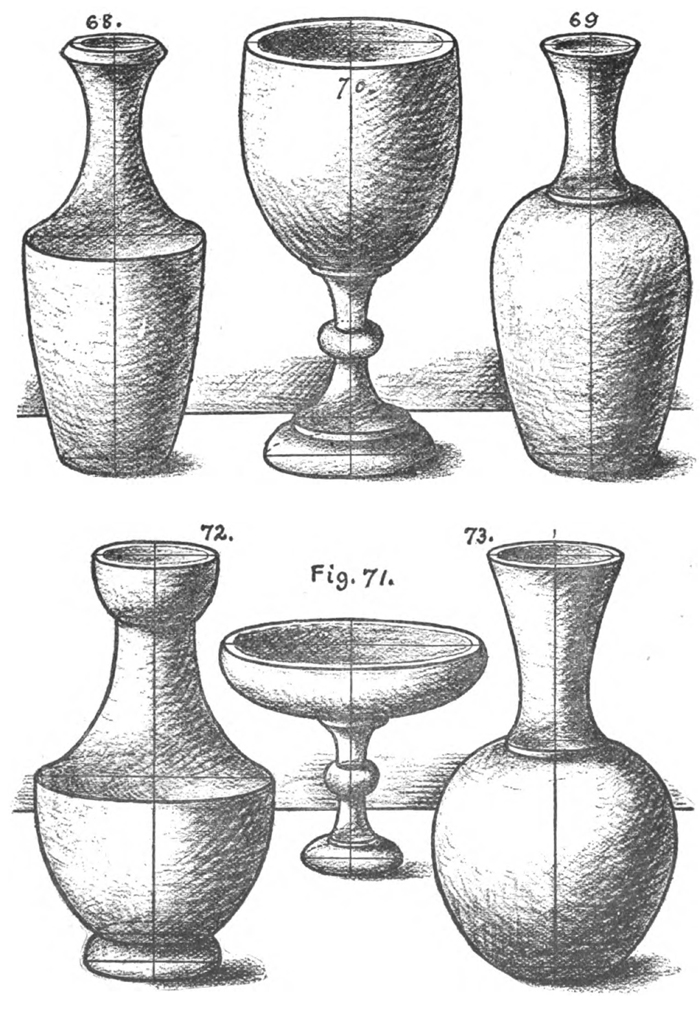
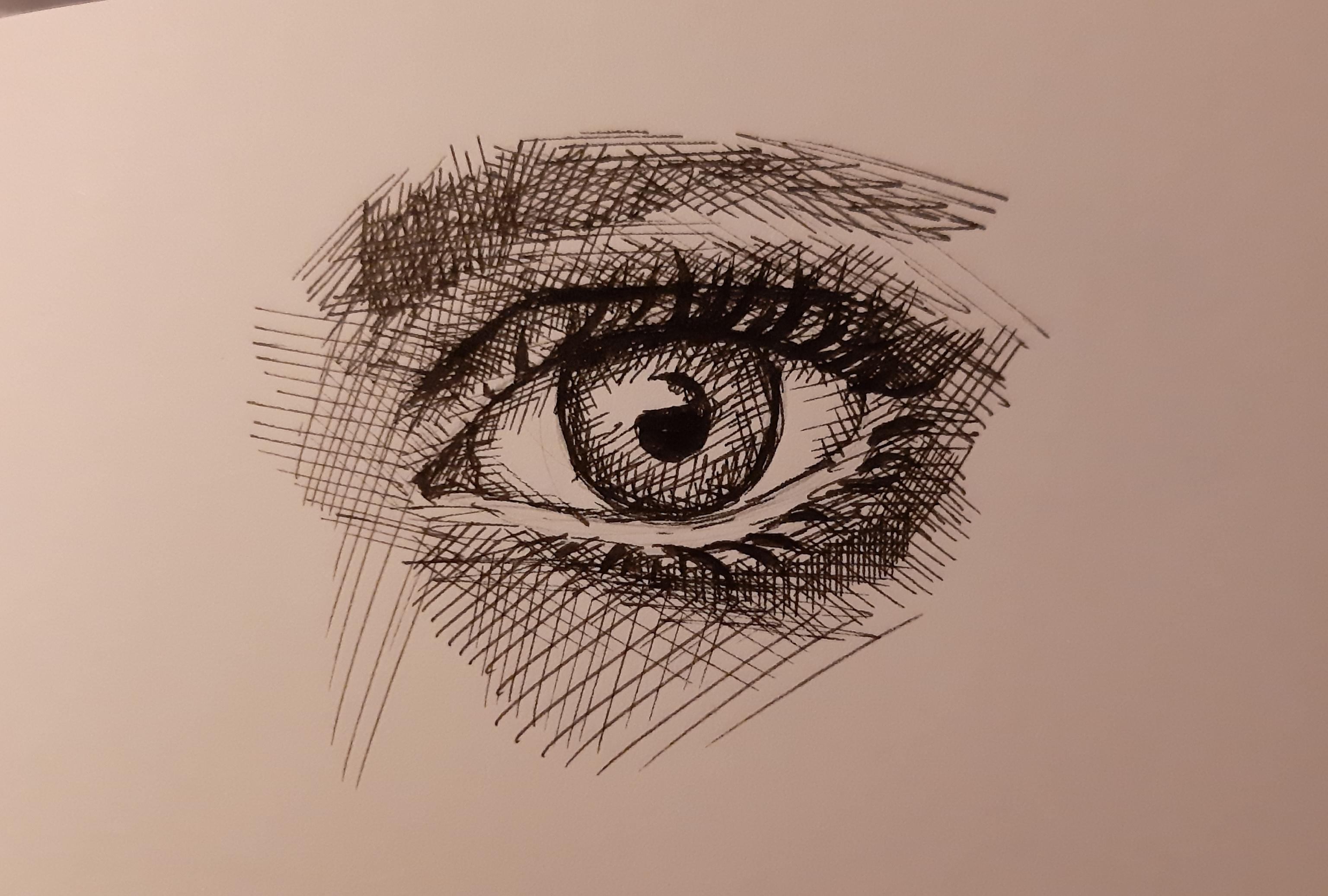
- CROSS HATCHING
- It consists in drawing parallel lines crossing to
one another closely together to create the
illusion of shade or texture in a drawing.
- It consists in drawing parallel lines crossing to
one another closely together to create the
illusion of shade or texture in a drawing.
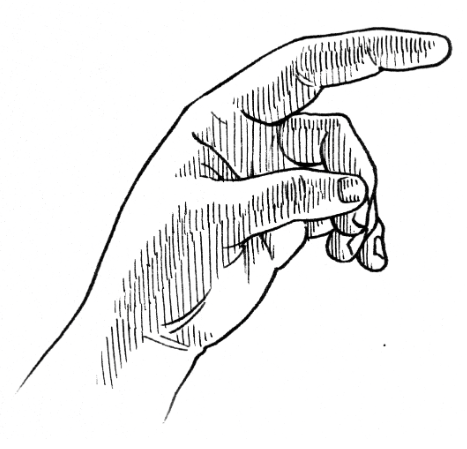
- HATCHING
- Is an artistic technique that consists of drawing lines
parallel to each other very close together with greater
and less intensity to create effects of tonality and
shadows.
- Is an artistic technique that consists of drawing lines
parallel to each other very close together with greater
and less intensity to create effects of tonality and
shadows.
- SMUDGE
- There are many methods to form the shadows
and in this way give a feeling of depth in a
drawing, such as:
- 6.2 LIGHT
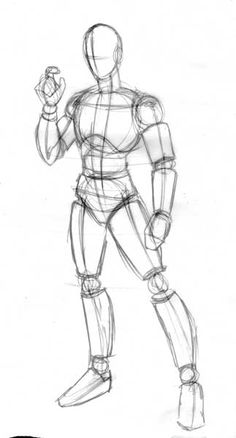
- THE HUMAN FIGURE
- The proportions of the parts of the human
body and the proportions of these to each
other as a whole.
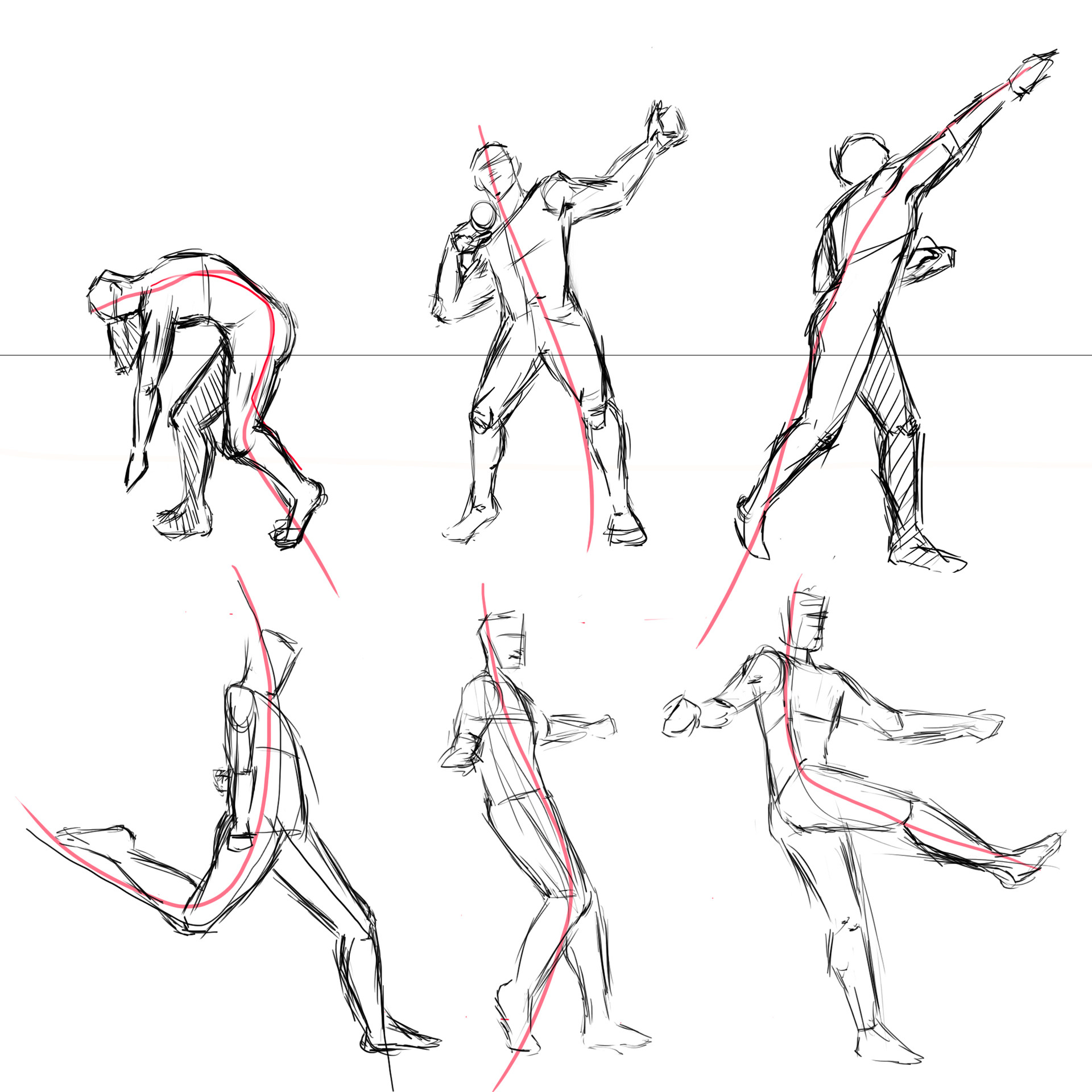
- LINES OF ACTION
- They are imaginary lines that you can draw
along the characters pose to make them
look more flexible and dynamic.
- They are imaginary lines that you can draw
along the characters pose to make them
look more flexible and dynamic.
- LINES OF ACTION
- The proportions of the parts of the human
body and the proportions of these to each
other as a whole.
Medienanhänge
Möchten Sie kostenlos Ihre eigenen Mindmaps mit GoConqr erstellen? Mehr erfahren.