
31906637
Beschreibung

Erzeugt von NADIA MILENA FRISANCHO MOLINA

|
Erstellt von NADIA MILENA FRISANCHO MOLINA
vor mehr als 5 Jahre
|
|
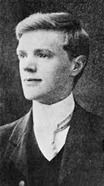
D. H. LAWRENCE
- Early Life
- He was born in England on September 11, in 1885
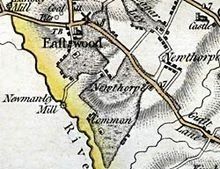
- Eastwood, Nottinghamshire, England
- Eastwood, Nottinghamshire, England
- His parents were Arthur John Lawrence
and Lydia Lawrence.
- His father was a coal miner, and his mother worked in
the lace-making industry.
- His father was a coal miner, and his mother worked in
the lace-making industry.
- He grown up in a poor mining town.
- Education
- He attended first Beauvale Board School.
- At the age of 12, won a scholarship to Nottingham High School.
- He graduated in 1901.
- Lawrence struggled to make friends.
- He graduated in 1901.
- He became a teacher and received a teaching certificate.
- University College, Nottingham, in 1908.
- University College, Nottingham, in 1908.
- He attended first Beauvale Board School.
- Adulthood
- In the summer of 1901, Lawrence took a job as a factory clerk for a
Nottingham surgical appliances manufacturer called Haywoods.
- Lawrence also came down with a bad
case of pneumonia.
- In autumn, his older brother William
suddenly fell ill and died.
- Lawrence also came down with a bad
case of pneumonia.
- He began working as a student-teacher at the British School in
Eastwood. Jessie Chambers, was his close friend and intellectual
companion.
- He began writing poetry.
- He began writing poetry.
- In the summer of 1901, Lawrence took a job as a factory clerk for a
Nottingham surgical appliances manufacturer called Haywoods.
- Marital Status
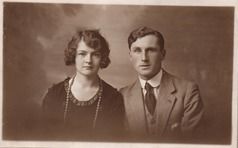
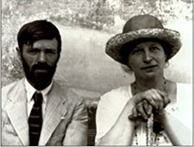
- Lawrence fell desperately in love with Weekley's wife, Frieda von Richthofen.
- He had persuaded Frieda to leave her family
- He had persuaded Frieda to leave her family
- The couple ran off to Germany, later traveling to Italy.
- Lawrence fell desperately in love with Weekley's wife, Frieda von Richthofen.
- He was born in England on September 11, in 1885
- Literary Career
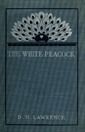
- 'His first novel was The White Peacock.
- The publishers at the English Review took a great interest in Lawrence's work.
- The White Peacock:
- Set in his childhood hometown of Eastwood, the novel
foreshadowed many of the themes that would pervade his later
work, such as mismatched marriages and class divides.
- Set in his childhood hometown of Eastwood, the novel
foreshadowed many of the themes that would pervade his later
work, such as mismatched marriages and class divides.
- The publishers at the English Review took a great interest in Lawrence's work.
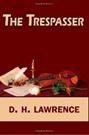
- 'The Trespasser"
- Lawrence published his second novel..
- Story based on the experiences of a fellow
teacher who had an affair with a married man
who then committed suicide.
- Lawrence published his second novel..
- Lawrence immediately resolved to break off his
engagement, quit teaching, and try to make a
living as a writer
- Lawrence managed to publish four volumes of
poetry between 1916 and 1919:
- Amores (1916) Look! We
Have Come Through! (1919)
New Poems (1918) Bay: A
Book of Poems (1919).
- Amores (1916) Look! We
Have Come Through! (1919)
New Poems (1918) Bay: A
Book of Poems (1919).
- Lawrence managed to publish four volumes of
poetry between 1916 and 1919:
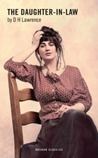
- He published his first play, The Daughter-in-Law, in 1912.
- A year later, he published his first volume of poetry: Love Poems and Others.
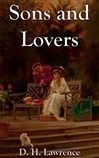
- Lawrence published his third novel, Sons and Lovers in 1913.
- This story is about a young man and aspiring
artist named Paul Morel, who struggles to
transcend his upbringing in a poor mining town.
- The novel is widely considered Lawrence's first masterpiece, as
well as one of the greatest English novels of the 20th century.
- This story is about a young man and aspiring
artist named Paul Morel, who struggles to
transcend his upbringing in a poor mining town.
- A year later, he published his first volume of poetry: Love Poems and Others.
- 'His first novel was The White Peacock.
- Novels
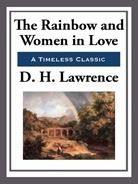
- 'The Rainbow' & 'Women in Love'
- In 1914 Lawrence published a highly regarded short-story collection, The Prussian Officer.
- The Rainbow his first book.
- The Rainbow for its sexual content and the book was soon banned for obscenity.
- The Rainbow for its sexual content and the book was soon banned for obscenity.
- In 1915 he published another novel.
- In 1920, he revised and published Women in Love.
- In 1914 Lawrence published a highly regarded short-story collection, The Prussian Officer.
- Short stories-
- which were published under the title My England and Other Stories in 1922.
- A book of highly regarded and influential literary criticism of great American authors such as:
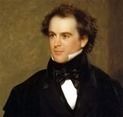
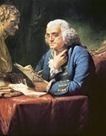
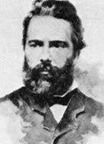
- Benjamin Franklin, Nathaniel Hawthorne and Herman Melville
- Benjamin Franklin, Nathaniel Hawthorne and Herman Melville
- A book of highly regarded and influential literary criticism of great American authors such as:
- which were published under the title My England and Other Stories in 1922.
- Others novels: Boy in the Bush (1924); a story
collection about the American continent. St. Mawr
(1925) The Plumed Serpent (1926).
- 'Lady Chatterley's Lover' & Final Works
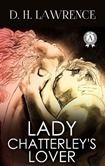
- He wrote Lady Chatterley's Lover, his
best-known and most infamous novel.
- Published in Italy in 1928.
- Lady Chatterley's Lover explores in graphic
detail the sexual relationship between an
aristocratic lady and a working-class man.
- The book was banned in the United States until
1959, and in England until 1960.
- It considered a turning point
in the history of freedom of expression and the open
discussion of sex in popular culture.
- The book was banned in the United States until
1959, and in England until 1960.
- Published in Italy in 1928.
- He wrote Lady Chatterley's Lover, his
best-known and most infamous novel.
- 'Lady Chatterley's Lover' & Final Works
- 'The Rainbow' & 'Women in Love'
- Death and Legacy
- D.H. Lawrence died in Vence, France, on March 2, 1930, at the age of 44.
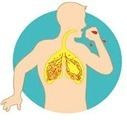
- He died with tuberculosis
- He had a mastery of a wide range of subjects and genres.
- He had a mastery of a wide range of
subjects and genres.
- He had a mastery of a wide range of
subjects and genres.
- Lawrence himself considered his writings an attempt to challenge and
expose what he saw as the constrictive and oppressive cultural norms of
modern Western culture.
- He died with tuberculosis
- D.H. Lawrence died in Vence, France, on March 2, 1930, at the age of 44.
Medienanhänge
Möchten Sie kostenlos Ihre eigenen Mindmaps mit GoConqr erstellen? Mehr erfahren.