
32216526
Beschreibung

Mindmap von Natalia Lehnhoff Faillace, aktualisiert more than 1 year ago

|
Erstellt von Natalia Lehnhoff Faillace
vor mehr als 5 Jahre
|
|
6.4 How Do Enzymes Promote
Biochemical Reactions?
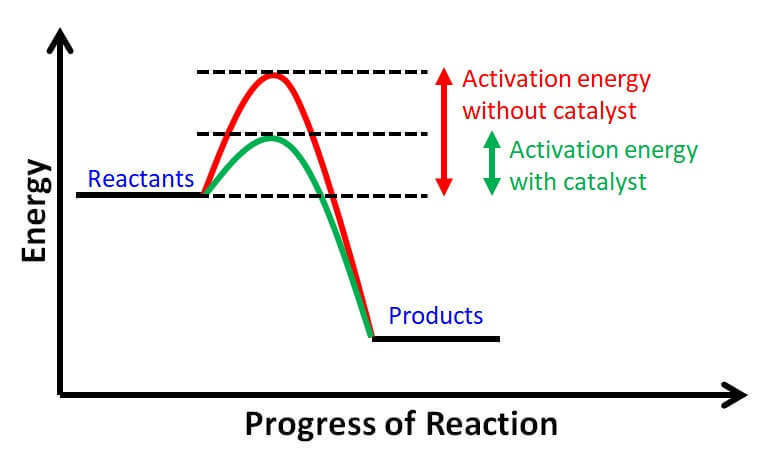
- Catalysts promote reactions by overcoming activation energy
without added heat.
- Catalysts are called enzymes in
biological entities and nearly all
are proteins.
- Three important properties of catalyst: 1.
Speed up reactions by lowering the
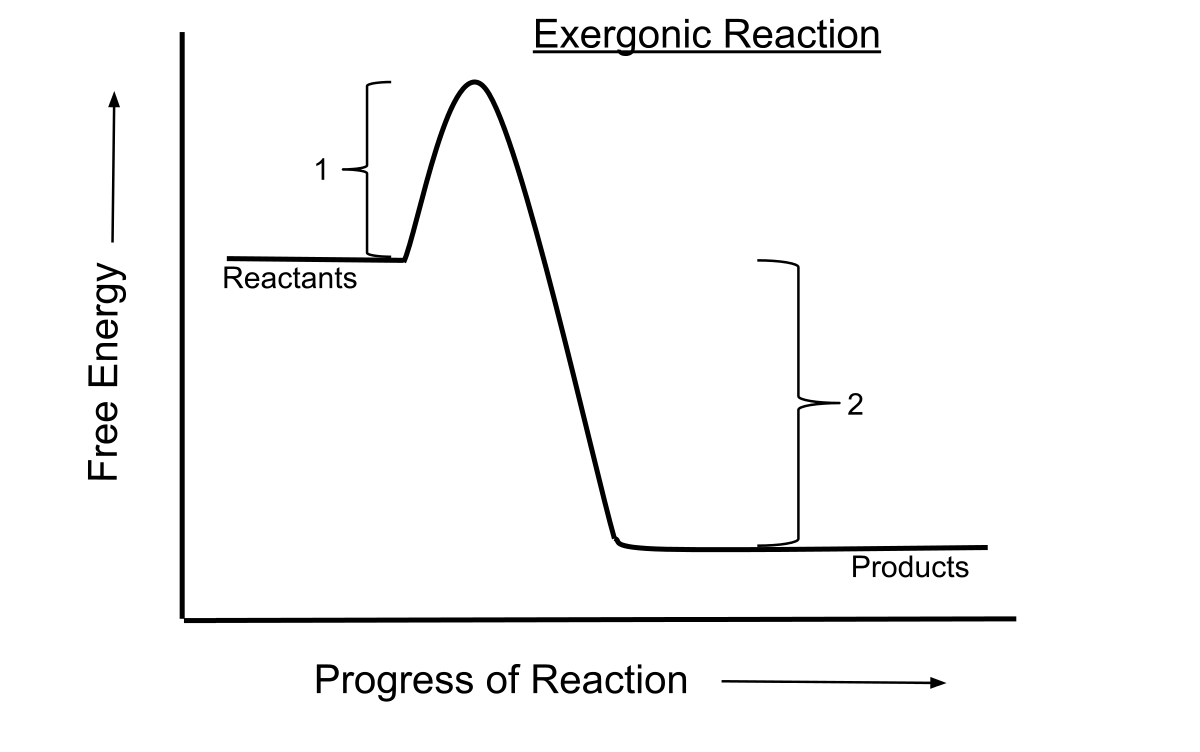
activation energy. 2. Can speed up both
exergonic and endergonic reactions. 3.
Catalyst are not consumed or
permanently changed by the reaction they
promote.
- A catalyst speeds up a reaction by
reducing the reaction´s activation
energy.
- Catalysts are molecules that speed up
the rate of a reaction without
themselves being used up or
permanently altered.
- Catalysts are called enzymes in
biological entities and nearly all
are proteins.
- Enzymes are proteins. The combination or substrate selectivitgy,
substrate orientation, temporary chemical bonds, and the
distortion of existing bonds promotes the specific chemical
reaction catalyzed by an enzyme, me.
- The speed at which a reaction
occurs is determined by its
activation energy.
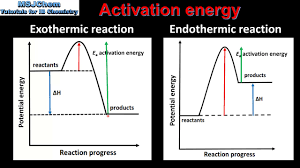
- Activation energy is how much energy is
required to start the reaction.
- Activation energy is how much energy is
required to start the reaction.
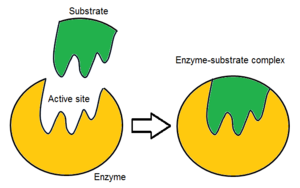
- An enzyme has a pocket, called the
active site, into which reactants
molecules, called substrates, can
enter.
Medienanhänge
Möchten Sie kostenlos Ihre eigenen Mindmaps mit GoConqr erstellen? Mehr erfahren.