
34361717
Beschreibung

Mindmap von samah kannas, aktualisiert more than 1 year ago

|
Erstellt von samah kannas
vor mehr als 4 Jahre
|
|
Hard Hearing
- Ear Anatomy
- External ear
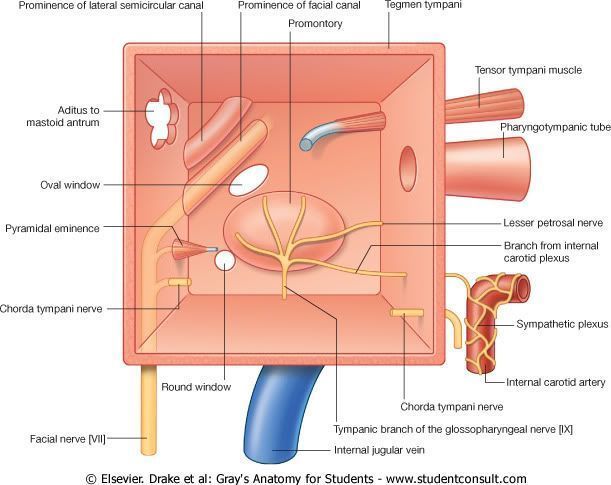
- Middle Ear
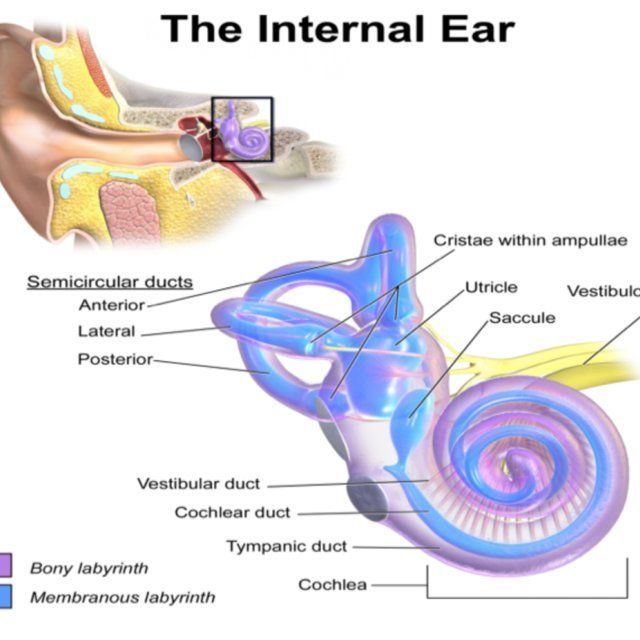
- Inner Ear
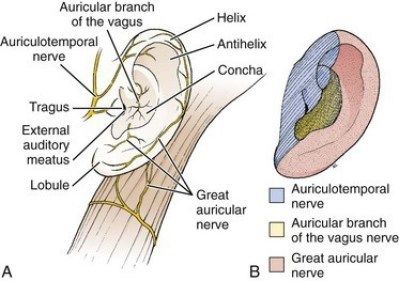
- External ear
- Ear Physiology
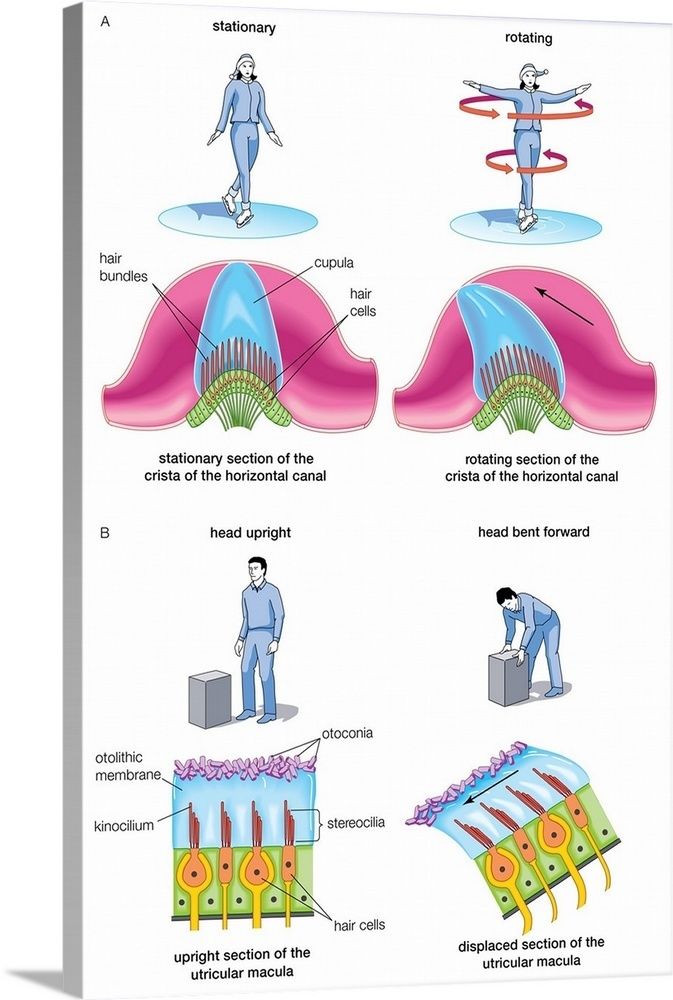
- Maintaining balance
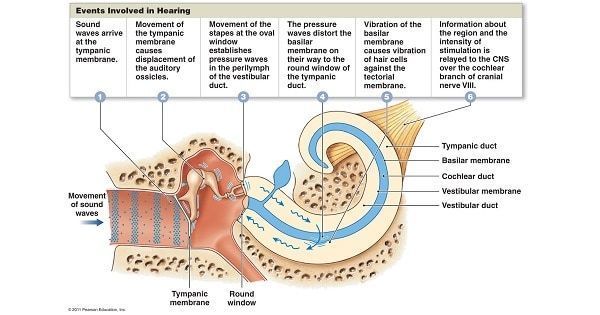
- Hearing process
- hearing pathway
- Hair cells in organ of Corti -> Bipolar cells in
cochlear nucleus -> cochlear N -> trapezoid body
-> superior olivary nucleus -> lateral lemniscus ->
inferior colliculus -> medial geniculate body ->
auditory radiation -> transverse temporal gyri
- Hair cells in organ of Corti -> Bipolar cells in
cochlear nucleus -> cochlear N -> trapezoid body
-> superior olivary nucleus -> lateral lemniscus ->
inferior colliculus -> medial geniculate body ->
auditory radiation -> transverse temporal gyri
- Maintaining balance
- Differential Diagnosis
- Mastoiditis
- External ear infection
- Foreign body impact
- Perforation of tympanic membrane
- Mastoiditis
- Signs & symptoms
- Ear Pain
- Vertigo
- ear discharge
- Tinnitus
- Ear Pain
- Investigations
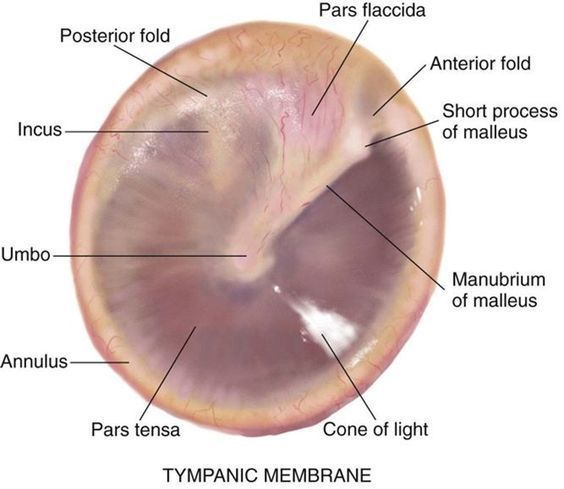
- Otoscope
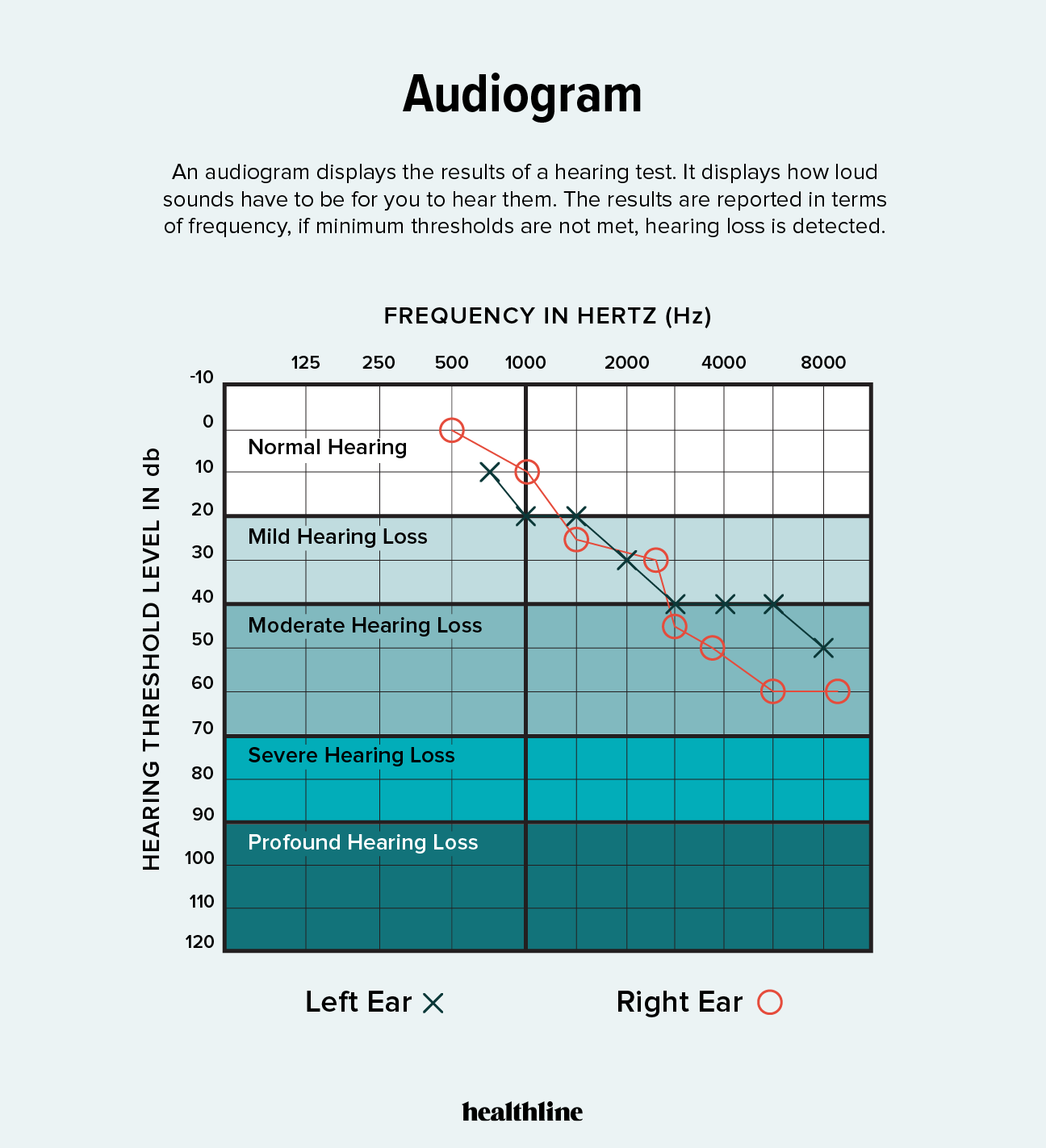
- Audiometry
- Tuninig fork
- Rinne's test
- Conductive hearing loss
- Conductive hearing loss
- Weber's test
- neurosensory hearing loss
- neurosensory hearing loss
- Rinne's test
- Otoscope
- Confirmed diagnosis
- Otitis Media
- Risk factors
- Age : younger children has shorter eustachian canal
- Family History
- Craniofacial abnormalities
- Altered immune status
- Recurrent throat infections
- Age : younger children has shorter eustachian canal
- Management
- Use of antibiotic depend on patient factors
- Severe infection signs
- Age of patient
- allergy to penicillin
- IgA mediated reactions
- Severe infection signs
- Use of antibiotic depend on patient factors
- Complications
- meningitis
- Brain abscesses
- Permanent sensorineural
hearing loss,
- Mastoiditis
- meningitis
- Risk factors
- Otitis Media
- Epidemiology
- OM is a very common childhood disease. It is
especially prevalent in children younger than 2 years
of age. Furthermore, the earlier the first episode of
OM, the greater the risk of subsequent recurrent OM
and chronic otitis media with effusion.
- OM is a very common childhood disease. It is
especially prevalent in children younger than 2 years
of age. Furthermore, the earlier the first episode of
OM, the greater the risk of subsequent recurrent OM
and chronic otitis media with effusion.
Medienanhänge
Möchten Sie kostenlos Ihre eigenen Mindmaps mit GoConqr erstellen? Mehr erfahren.