
35660758
Beschreibung

Mindmap von Astrid Naranjo, aktualisiert more than 1 year ago

|
Erstellt von Astrid Naranjo
vor etwa 4 Jahre
|
|
Swimming
- Styles
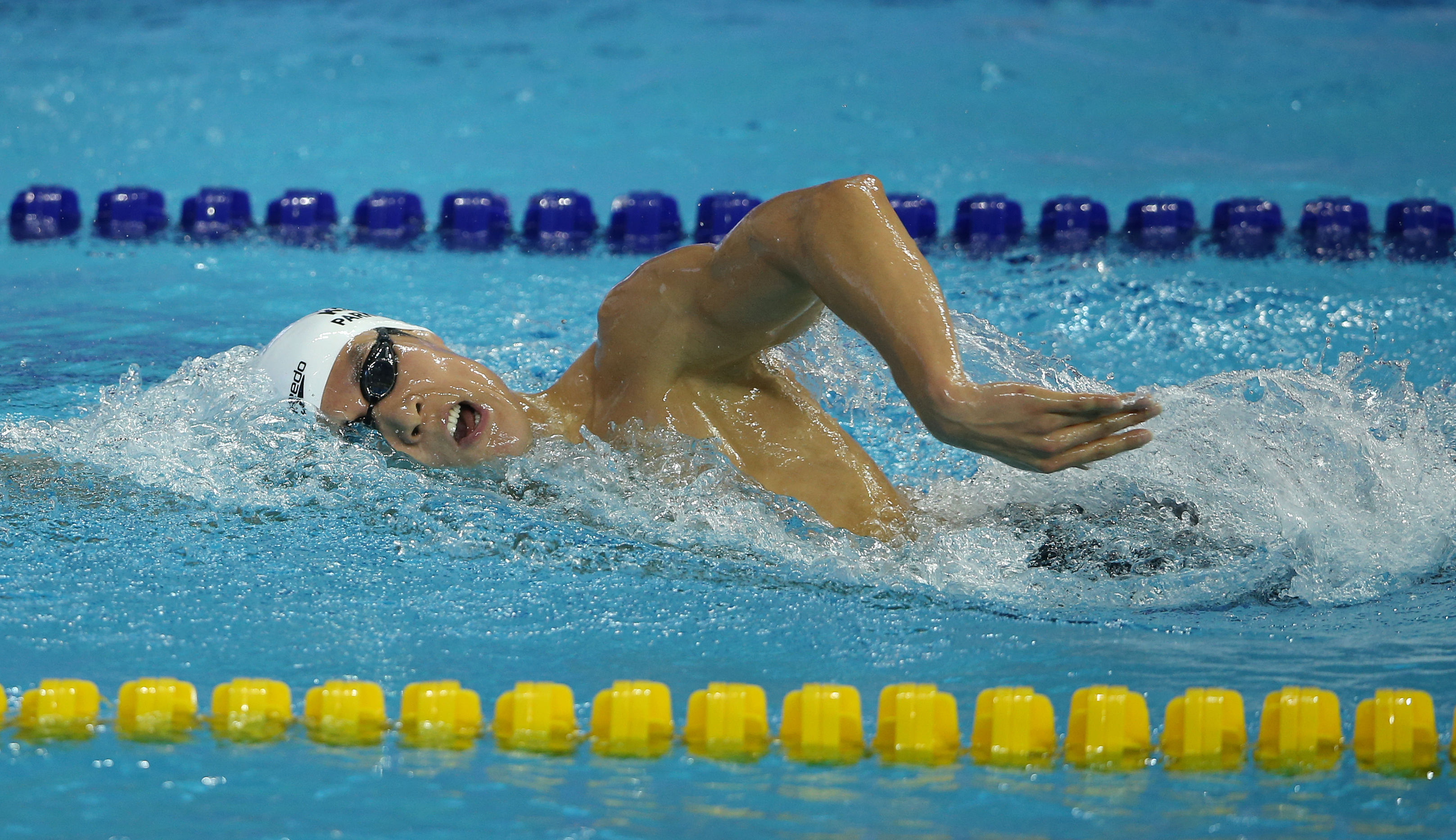
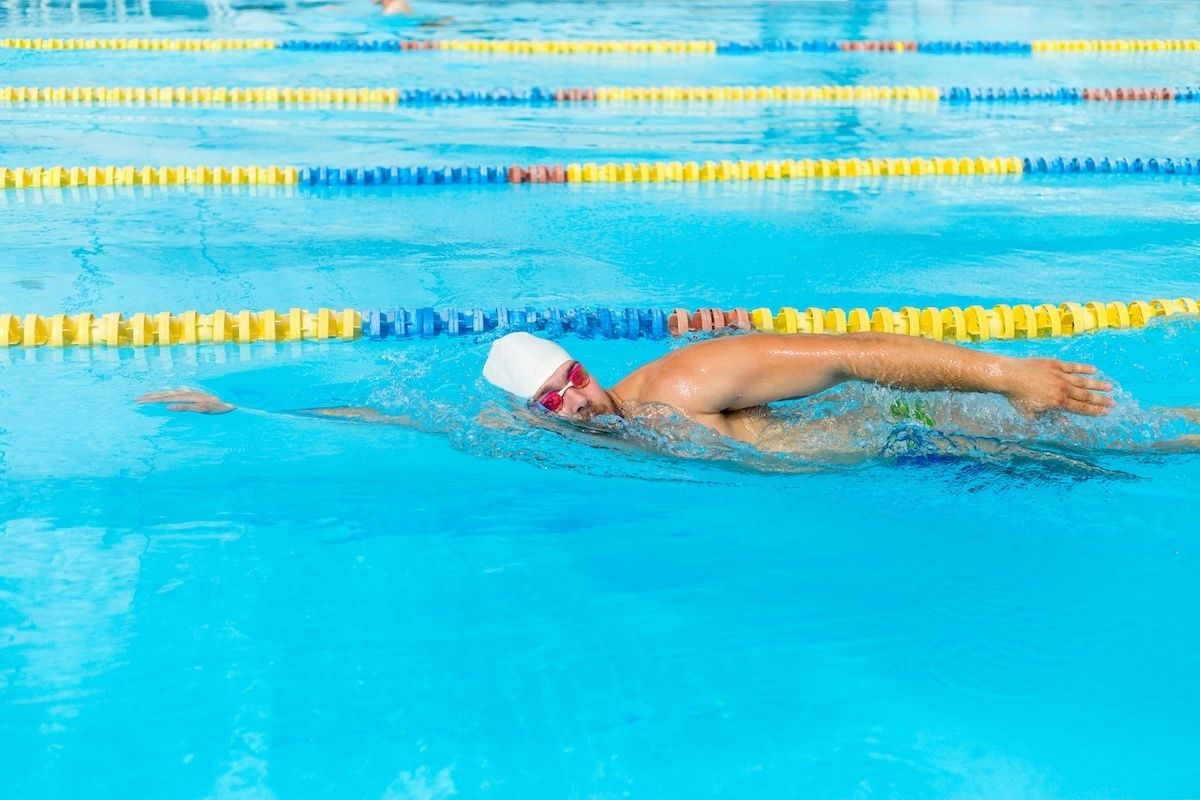
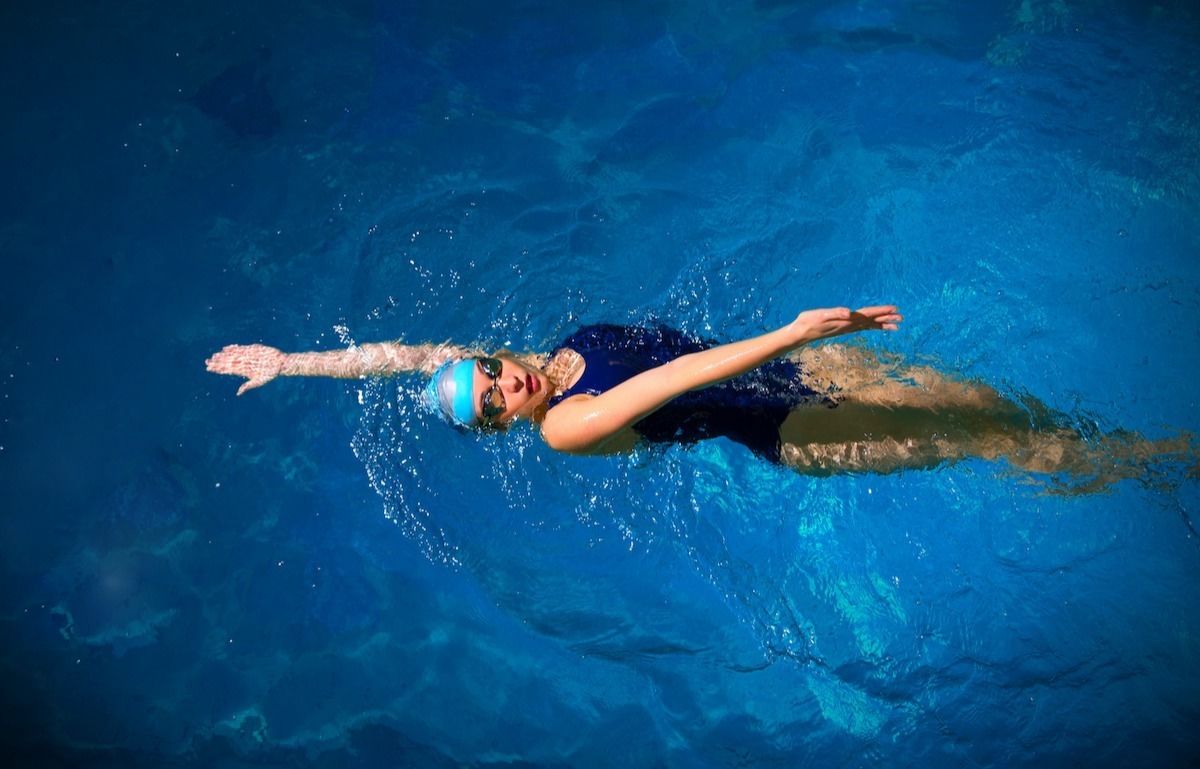
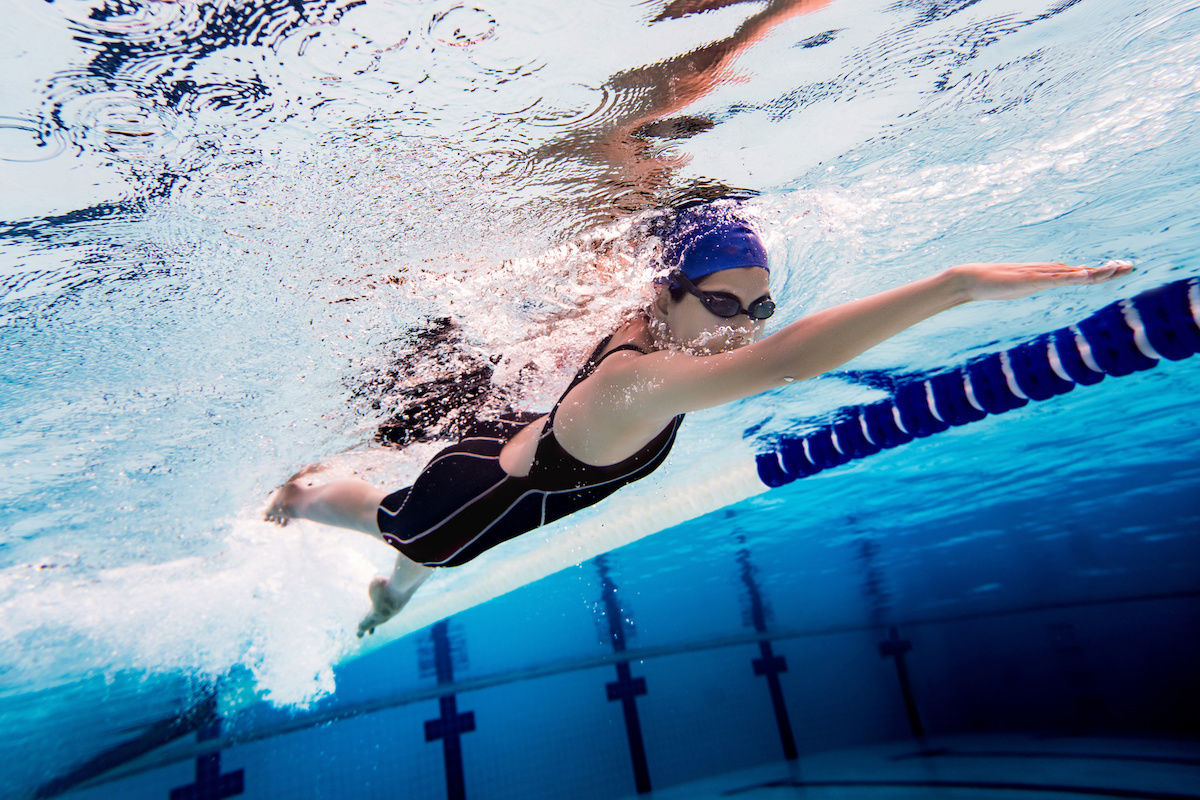
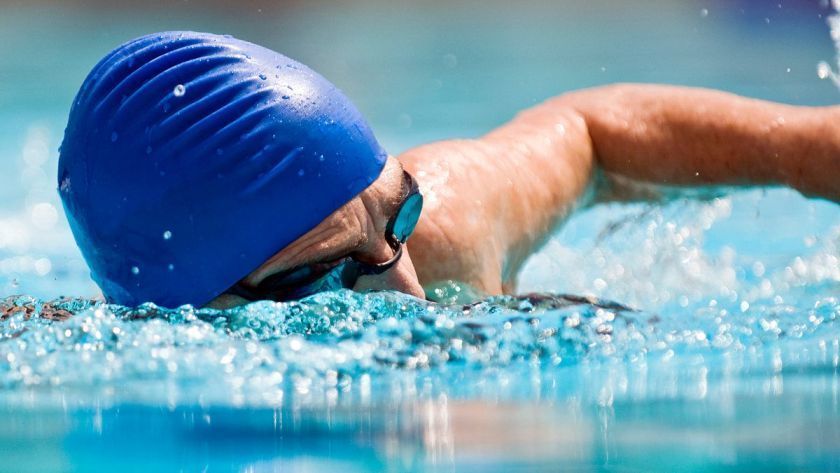
- Front Crawl/Freestyle
- This is the fastest style, in which you
should propel yourself forward with
alternating arm movements in a sort of
windmill motion, that starts by pushing
underwater and recovers above water.
Your legs should propel you with a
flutter kick, which is performed with
pointed feet as your legs move up and
down in alternation. Turn your head to
the sides by alternating between them,
to be able to breathe, while doing the
movement of the arms.
- This is the fastest style, in which you
should propel yourself forward with
alternating arm movements in a sort of
windmill motion, that starts by pushing
underwater and recovers above water.
Your legs should propel you with a
flutter kick, which is performed with
pointed feet as your legs move up and
down in alternation. Turn your head to
the sides by alternating between them,
to be able to breathe, while doing the
movement of the arms.
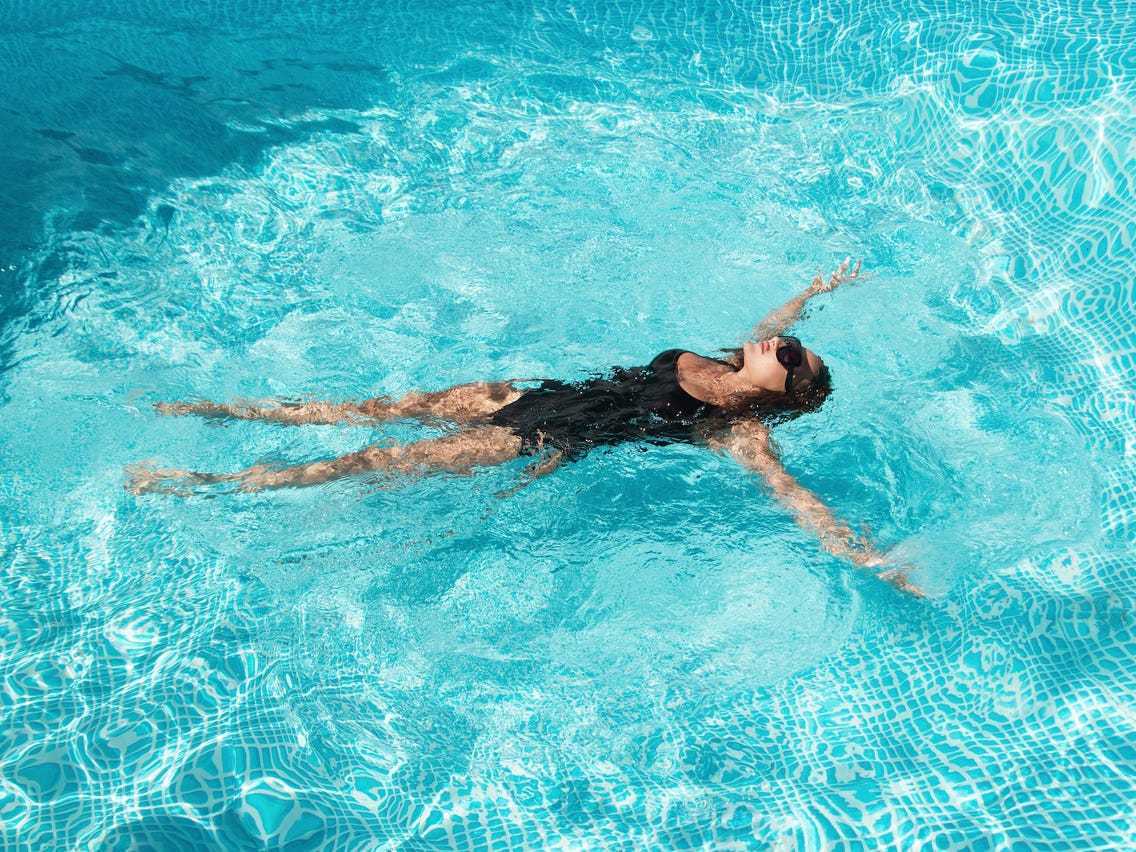
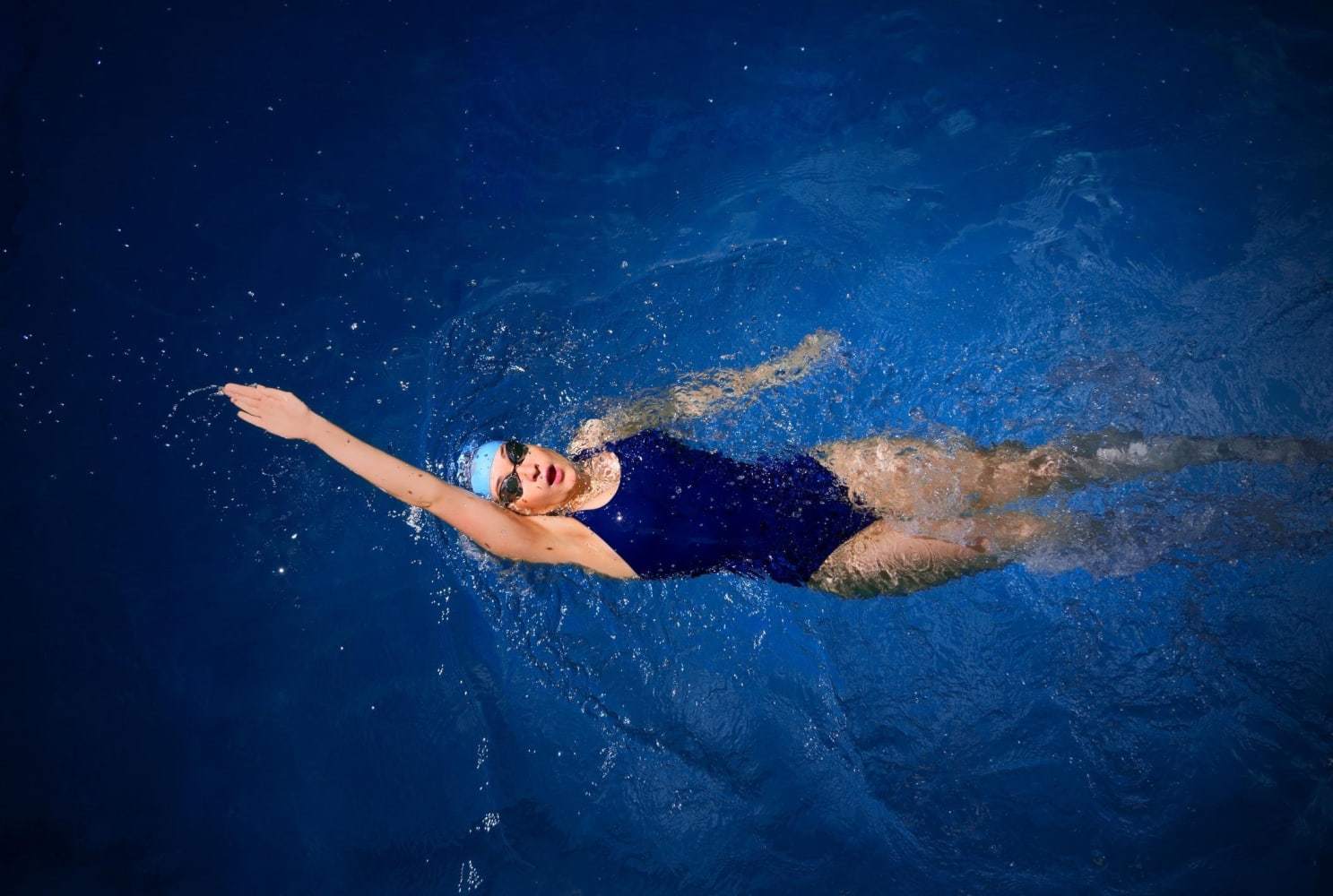
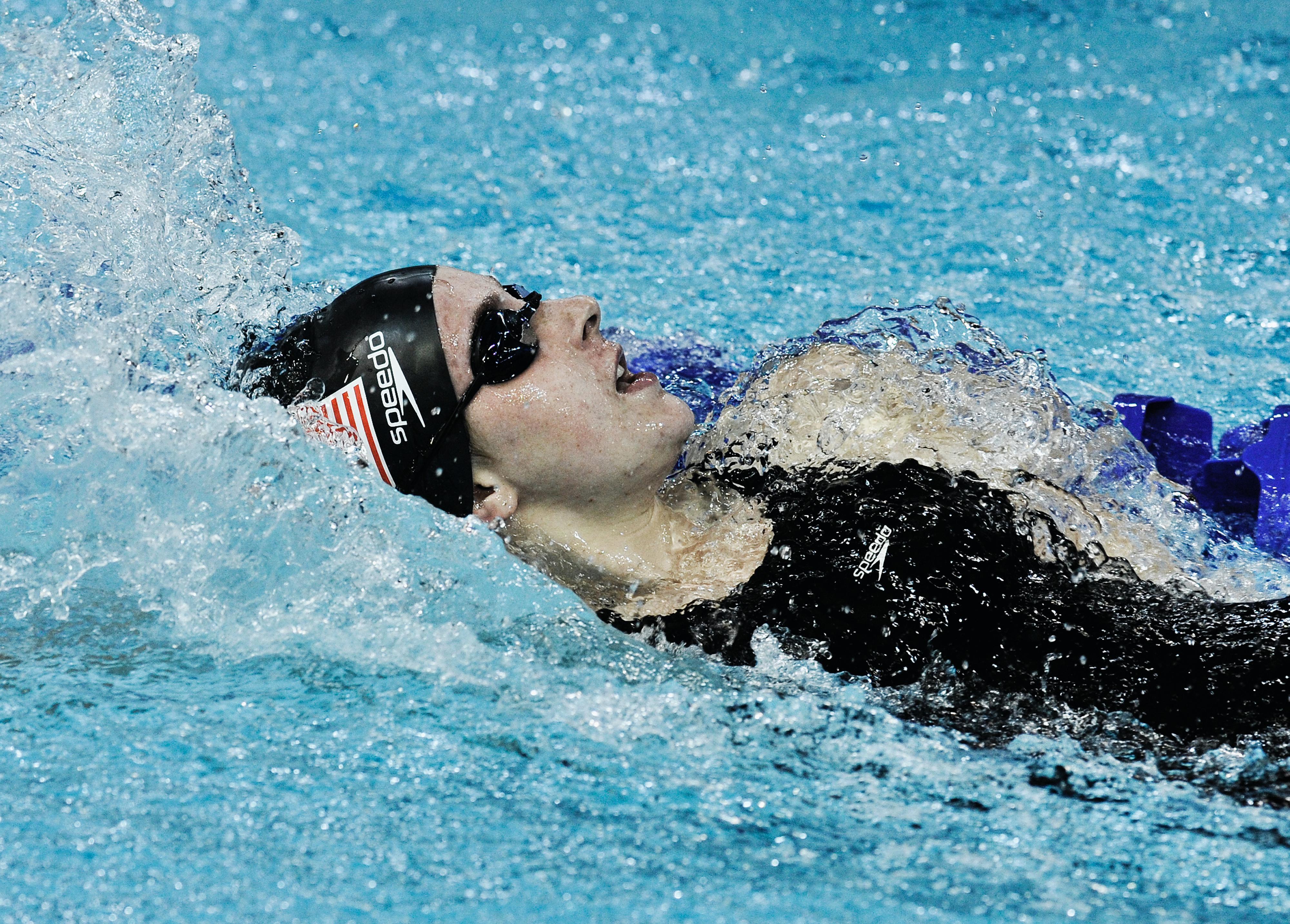
- Backstroke
- On this style you should
float on your back, while
alternating your arms
with a windmill-like
motion to propel yourself
backwards, by pushing
underwater and
recovering above water.
Your legs should engage
in a flutter kick and your
face should be above the
surface as you look
straight up.
- On this style you should
float on your back, while
alternating your arms
with a windmill-like
motion to propel yourself
backwards, by pushing
underwater and
recovering above water.
Your legs should engage
in a flutter kick and your
face should be above the
surface as you look
straight up.
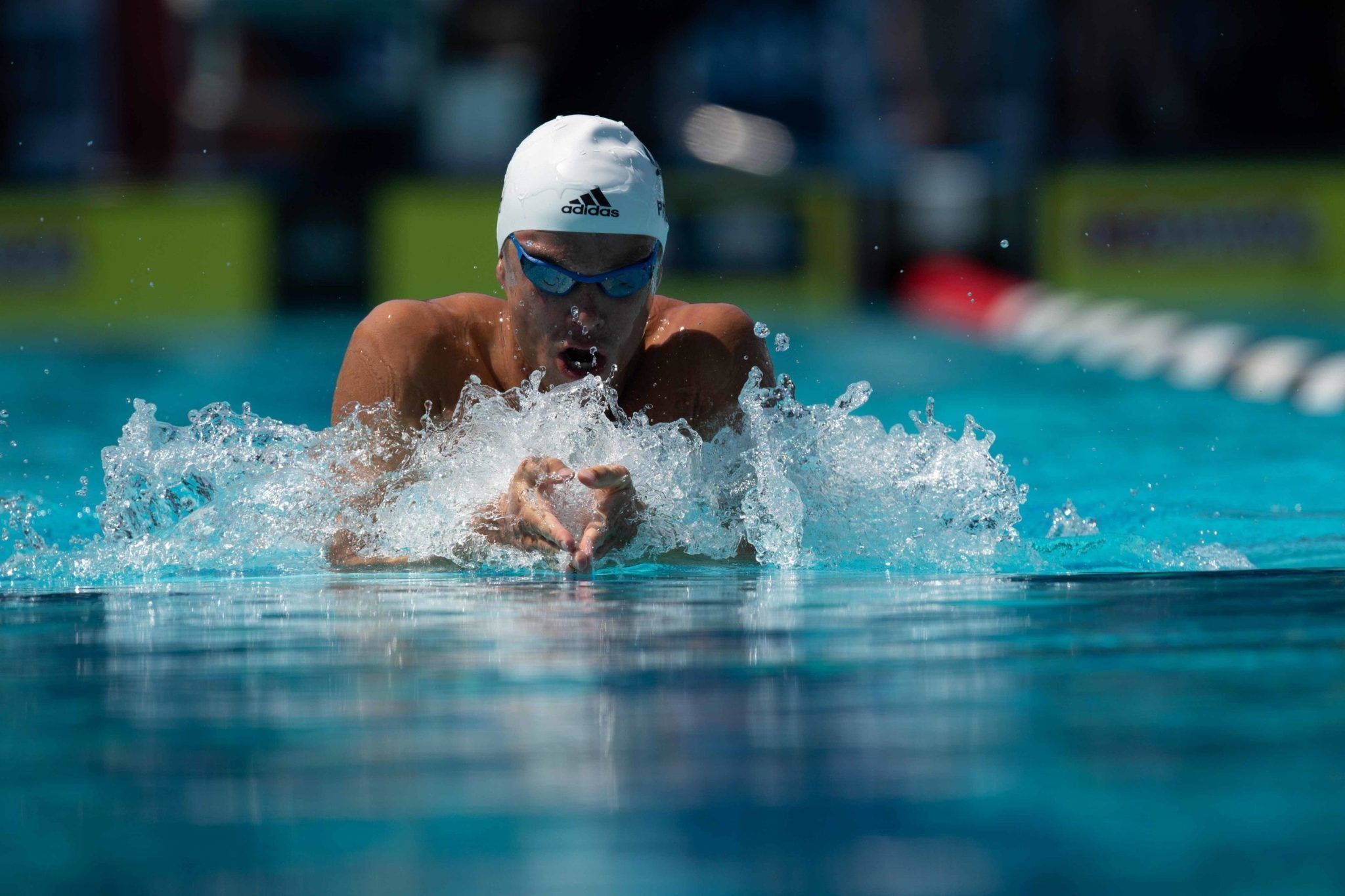
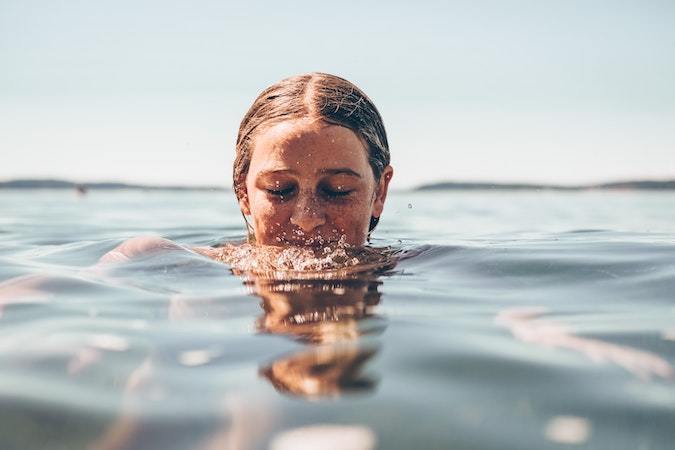
- Breaststroke
- This is the slowest swimming stroke,
where you should submerge your head
and breathe at designated points in
the stroke. Your arms move
simultaneously beneath the surface of
the water in a half circular movement
in front of your body. Bring your legs
from straight behind you close to your
body, by bending both at your knees
and at your hips. Then move your legs
outward and off to the side before
extending and coming back together,
like a frog’s movement.
- This is the slowest swimming stroke,
where you should submerge your head
and breathe at designated points in
the stroke. Your arms move
simultaneously beneath the surface of
the water in a half circular movement
in front of your body. Bring your legs
from straight behind you close to your
body, by bending both at your knees
and at your hips. Then move your legs
outward and off to the side before
extending and coming back together,
like a frog’s movement.
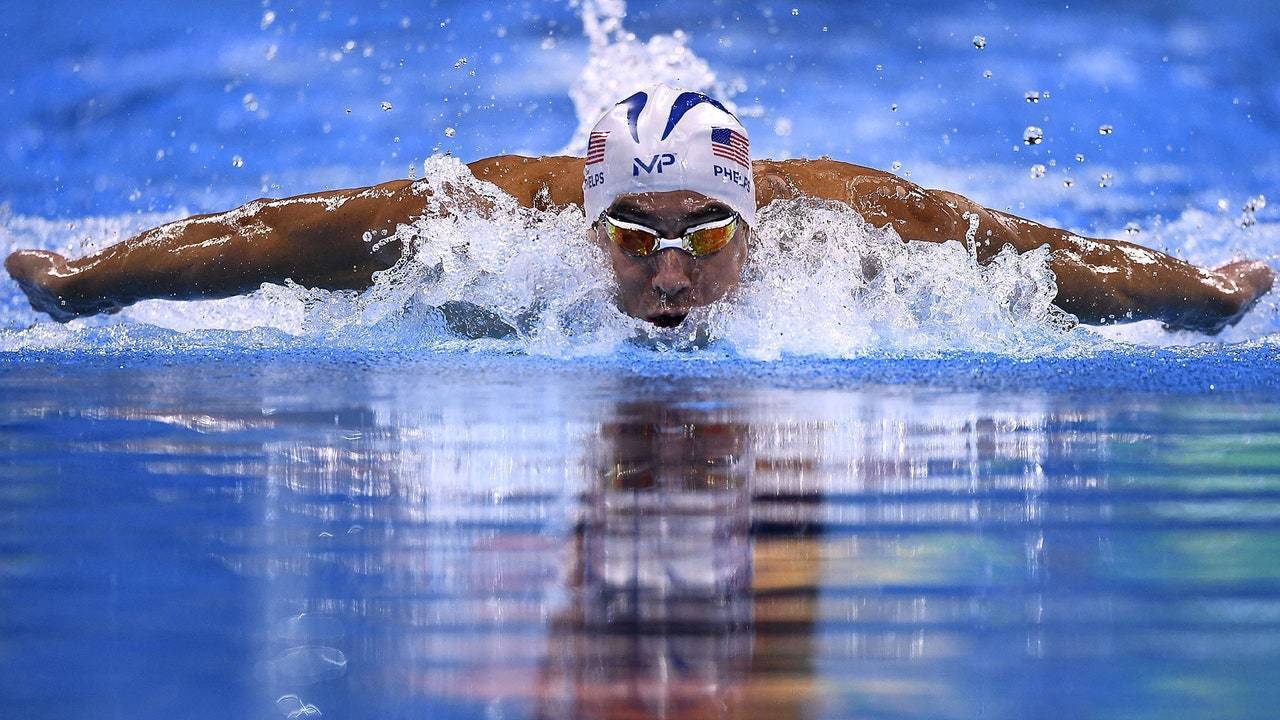
- Butterfly
- This is an advanced swimming stroke, in which
you bring your arms simultaneously over your
head and push them into the water to propel
you forward, bring them up out of the water
again to repeat. As you move your arms into the
water, you will push your head and shoulders
above the surface of the water. Your legs will
perform a dolphin kick, which requires your legs
to stay together and straight. Move your body in
a fluid wave-like motion and the time to take a
breath will be when your arms are just starting
to come out of the water, just before you begin
the next forward thrust.
- This is an advanced swimming stroke, in which
you bring your arms simultaneously over your
head and push them into the water to propel
you forward, bring them up out of the water
again to repeat. As you move your arms into the
water, you will push your head and shoulders
above the surface of the water. Your legs will
perform a dolphin kick, which requires your legs
to stay together and straight. Move your body in
a fluid wave-like motion and the time to take a
breath will be when your arms are just starting
to come out of the water, just before you begin
the next forward thrust.
- Sidestroke
- This is an older swimming
style, that is most commonly
used by lifeguards. It involves
swimming on your side,
propelling yourself forward
with a scissor kick and
alternating arm movements.
- This is an older swimming
style, that is most commonly
used by lifeguards. It involves
swimming on your side,
propelling yourself forward
with a scissor kick and
alternating arm movements.
- Elementary Backstroke
- This is a variation
from the typical
backstroke. It uses a
reversed breaststroke
kick while your arms
move in sync beneath
the water.
- This is a variation
from the typical
backstroke. It uses a
reversed breaststroke
kick while your arms
move in sync beneath
the water.
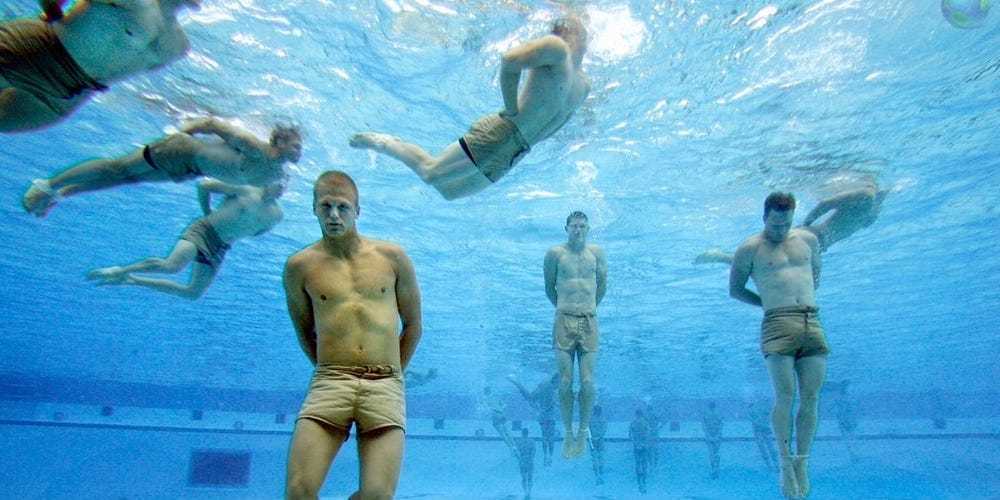
- Combat Side Stroke
- This is a form of the
sidestroke that all US
Navy SEALs have to
learn. Is a kind of a
combination of
breaststroke, freestyle
and sidestroke; that
reduces the swimmer’s
profile in the water,
making them less
visible while allowing
them to swim with
maximum efficiency.
- This is a form of the
sidestroke that all US
Navy SEALs have to
learn. Is a kind of a
combination of
breaststroke, freestyle
and sidestroke; that
reduces the swimmer’s
profile in the water,
making them less
visible while allowing
them to swim with
maximum efficiency.
- Trudgen
- This stroke evolved from the sidestroke and is
named after the English swimmer John
Trudgen. You swim mostly on your side,
alternating lifting each arm out of the water
and over your head. It uses a scissor kick that
only comes in every other stroke. When your
left arm is over your head, you spread your
legs apart to prepare to kick, and then as the
arm comes down you straighten your legs and
snap them together for the scissor kick. In
this stroke your head remains above the
water in its entirety.
- This stroke evolved from the sidestroke and is
named after the English swimmer John
Trudgen. You swim mostly on your side,
alternating lifting each arm out of the water
and over your head. It uses a scissor kick that
only comes in every other stroke. When your
left arm is over your head, you spread your
legs apart to prepare to kick, and then as the
arm comes down you straighten your legs and
snap them together for the scissor kick. In
this stroke your head remains above the
water in its entirety.
- Front Crawl/Freestyle
- Advantages
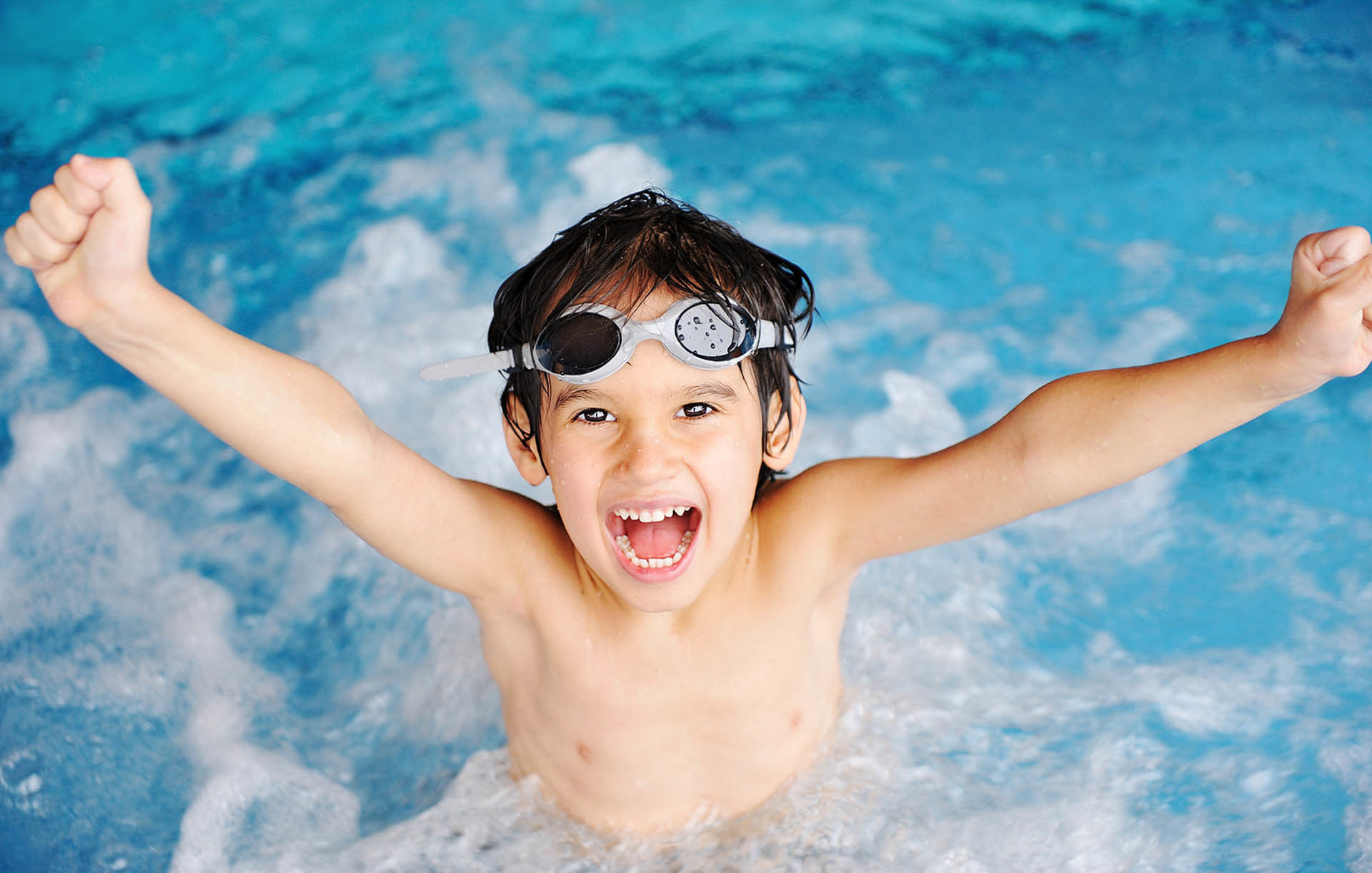
- Kids who Swim Become Active Adults
- In Swimming we apply
physical capabilities such as:
endurance, strength, and
flexibility; when developing
the different styles of
swimming, that helps us to
last longer in motion in daily
life. It provides kids with the
tools, skills and dedication to
maintain healthier lives as
adults, by creating habits
that will remain in their
minds.
- In Swimming we apply
physical capabilities such as:
endurance, strength, and
flexibility; when developing
the different styles of
swimming, that helps us to
last longer in motion in daily
life. It provides kids with the
tools, skills and dedication to
maintain healthier lives as
adults, by creating habits
that will remain in their
minds.
- Swimming makes you Smarter
- Swimming improves memory
function, that is beneficial for
us as we age and thinking
skills; because it improves
mood, anxiety, and stress,
which increases the brain’s
ability to think more
efficiently. Regular exercise
reduces inflammation and
insulin resistance in the
brain, which fosters new
brain cell growth.
- Swimming improves memory
function, that is beneficial for
us as we age and thinking
skills; because it improves
mood, anxiety, and stress,
which increases the brain’s
ability to think more
efficiently. Regular exercise
reduces inflammation and
insulin resistance in the
brain, which fosters new
brain cell growth.
- Kids who Swim Become Active Adults
- Risks
- Swimming without being in Optimal Health Conditions
- Avoid Swimming if you are
very tired or feel cold and if
you enter in the water pay
attention that no physical
impediment occurs
(sunstroke, dizziness,
fainting).
- Avoid Swimming if you are
very tired or feel cold and if
you enter in the water pay
attention that no physical
impediment occurs
(sunstroke, dizziness,
fainting).
- Risk of Injury
- In Swimming there is a risk
of injury, you have to be very
careful with the technique.
Swimming requires
continuous movements of
the arms (requiring a lot of
shoulder mobility), back and
legs. If the technique is not
good or if more effort is
made than necessary, the
injury can be generated
little by little.
- In Swimming there is a risk
of injury, you have to be very
careful with the technique.
Swimming requires
continuous movements of
the arms (requiring a lot of
shoulder mobility), back and
legs. If the technique is not
good or if more effort is
made than necessary, the
injury can be generated
little by little.
- Swimming without being in Optimal Health Conditions
- Changes that are Possible to Obtain
- It Builds Muscle all over the Body
- Swimming will quickly
make muscles all over
your body bigger and
stronger. You have to
swim a lot of miles to
significantly change
your shape and bulk up.
Swimming strengthens
muscles from top to
bottom. You work your
core and legs as well as
your upper body.
- Swimming will quickly
make muscles all over
your body bigger and
stronger. You have to
swim a lot of miles to
significantly change
your shape and bulk up.
Swimming strengthens
muscles from top to
bottom. You work your
core and legs as well as
your upper body.
- It will help you Lose Weight
- Swimming serves as
an excellent way for
overweight people to
work out without
straining their body.
It might not burn
calories quickly as
some other, more
intense, workouts,
but it will get the job
done in terms of
weight loss.
- Swimming serves as
an excellent way for
overweight people to
work out without
straining their body.
It might not burn
calories quickly as
some other, more
intense, workouts,
but it will get the job
done in terms of
weight loss.
- It Builds Muscle all over the Body
- Personal Opinion about the Importance of Practicing a Sport
- My personal opinion about
the importance of
practicing a sport is that is
necessary to work in our
physical and mental health,
because it provides us
physical capabilities that
can be useful in our daily
lives and keeps us active, as
well as it improves our
moods, it helps us develop
more skills by having new
cell growth in our brains.
- My personal opinion about
the importance of
practicing a sport is that is
necessary to work in our
physical and mental health,
because it provides us
physical capabilities that
can be useful in our daily
lives and keeps us active, as
well as it improves our
moods, it helps us develop
more skills by having new
cell growth in our brains.
Medienanhänge
Möchten Sie kostenlos Ihre eigenen Mindmaps mit GoConqr erstellen? Mehr erfahren.