
37036801
Beschreibung

Mindmap von Dilan Carvajal, aktualisiert more than 1 year ago

|
Erstellt von Dilan Carvajal
vor mehr als 3 Jahre
|
|
Visual and Auditory Learning Style
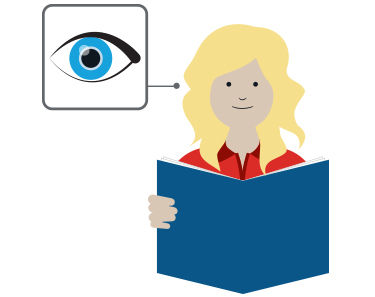
- Visual Learning Style
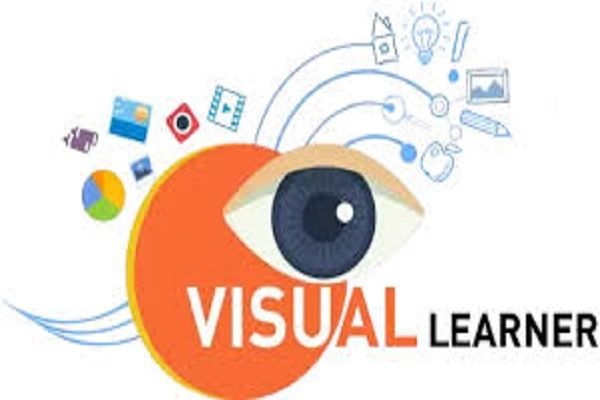
- The visual learning style means that people need to see information to learn it, and this
"seeing" takes many forms.
- Spatial awareness, photographic memory, color/tone, brightness/contrast, and other
visual information.
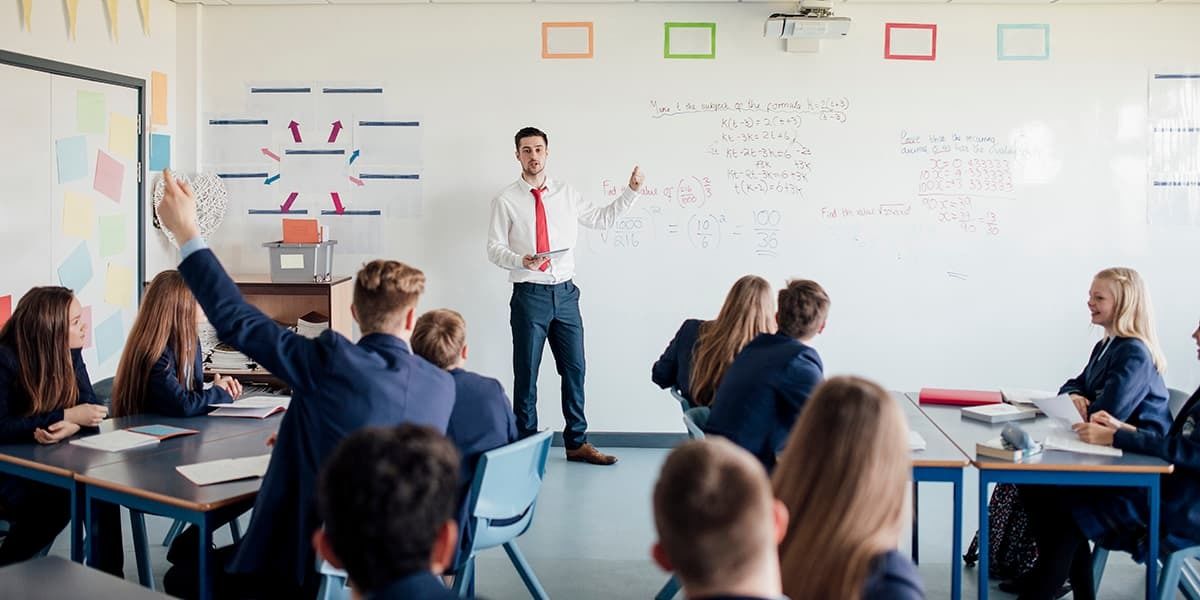
- Naturally, a classroom is a very good place for a visual learner to learn.
- Naturally, a classroom is a very good place for a visual learner to learn.
- Spatial awareness, photographic memory, color/tone, brightness/contrast, and other
visual information.
- Strategies for
Teachers
- Supplement verbal lectures with a handout, diagram, or other visuals
- Incorporate color into your presentations, the classroom, and handouts
- Give written instructions and expectations
- Vary your reading in class with solitary reading time so visual learners will take in the information
better.
- Vary your instructional methods (lectures, group work, solitary work, pairs, circles) and
assignments so every learner is challenged
- Show your students how to complete a task instead of just telling your students how
to complete a task.
- Use video and still images to enhance your presentations
- Provide written feedback on assignments
- Show students how to make great vocabulary flashcards
- Supplement verbal lectures with a handout, diagram, or other visuals
- Strategies for Students
- Be sure to read the diagrams, maps, and other visuals that go along
with text to help you remember it
- Study in solitude. You need to see things to remember them and
often, any noise will distract you.
- Make to-do lists in an agenda
- Take notes during lectures to capitalize on your learning style
- Sit near the front so you're better able to see everything
- Color-code your notes, vocabulary words, and textbook
- Use outlines and concept maps to organize your notes
- Be sure to read the diagrams, maps, and other visuals that go along
with text to help you remember it
- The visual learning style means that people need to see information to learn it, and this
"seeing" takes many forms.
- Auditory Learning Style
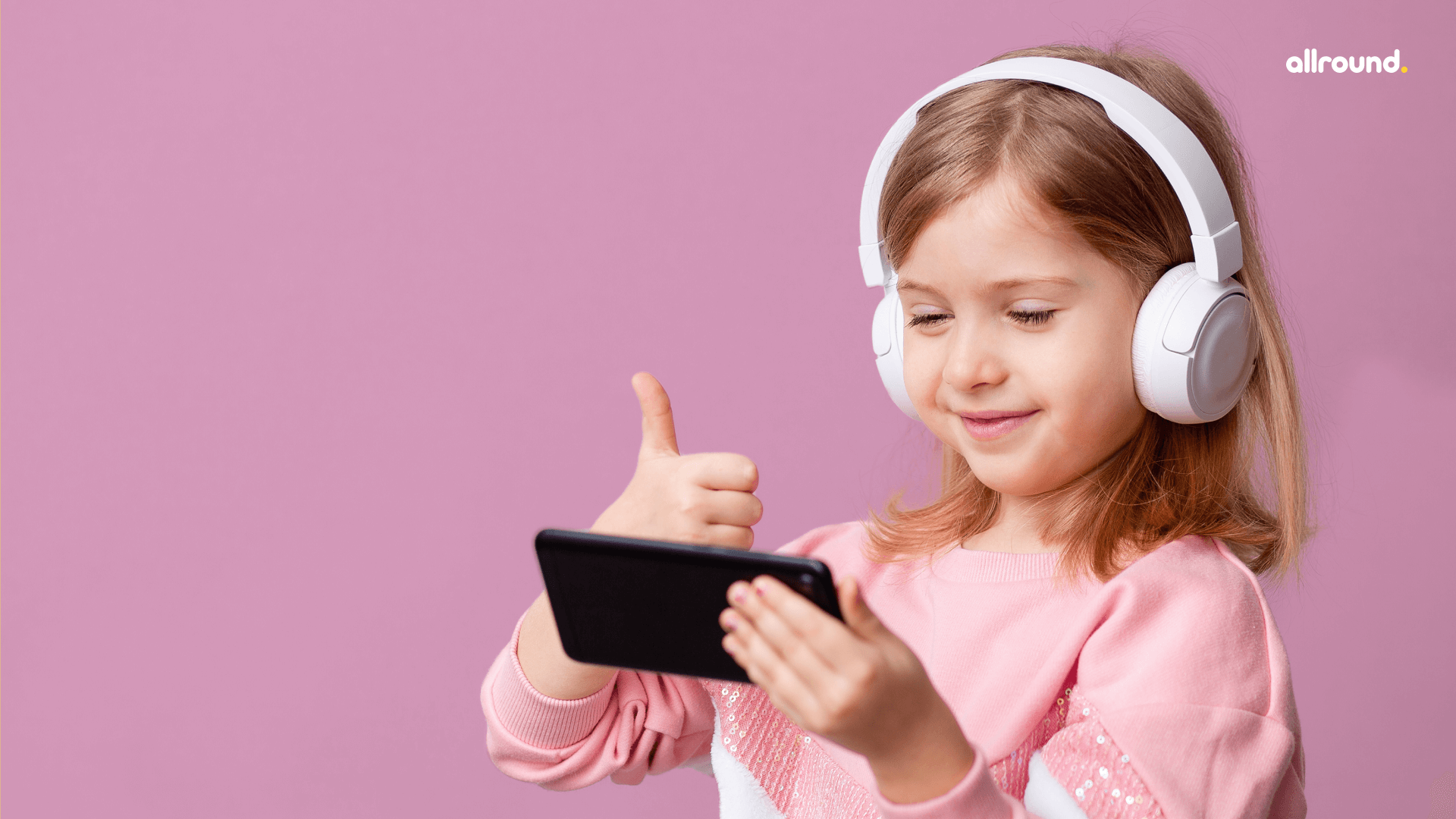
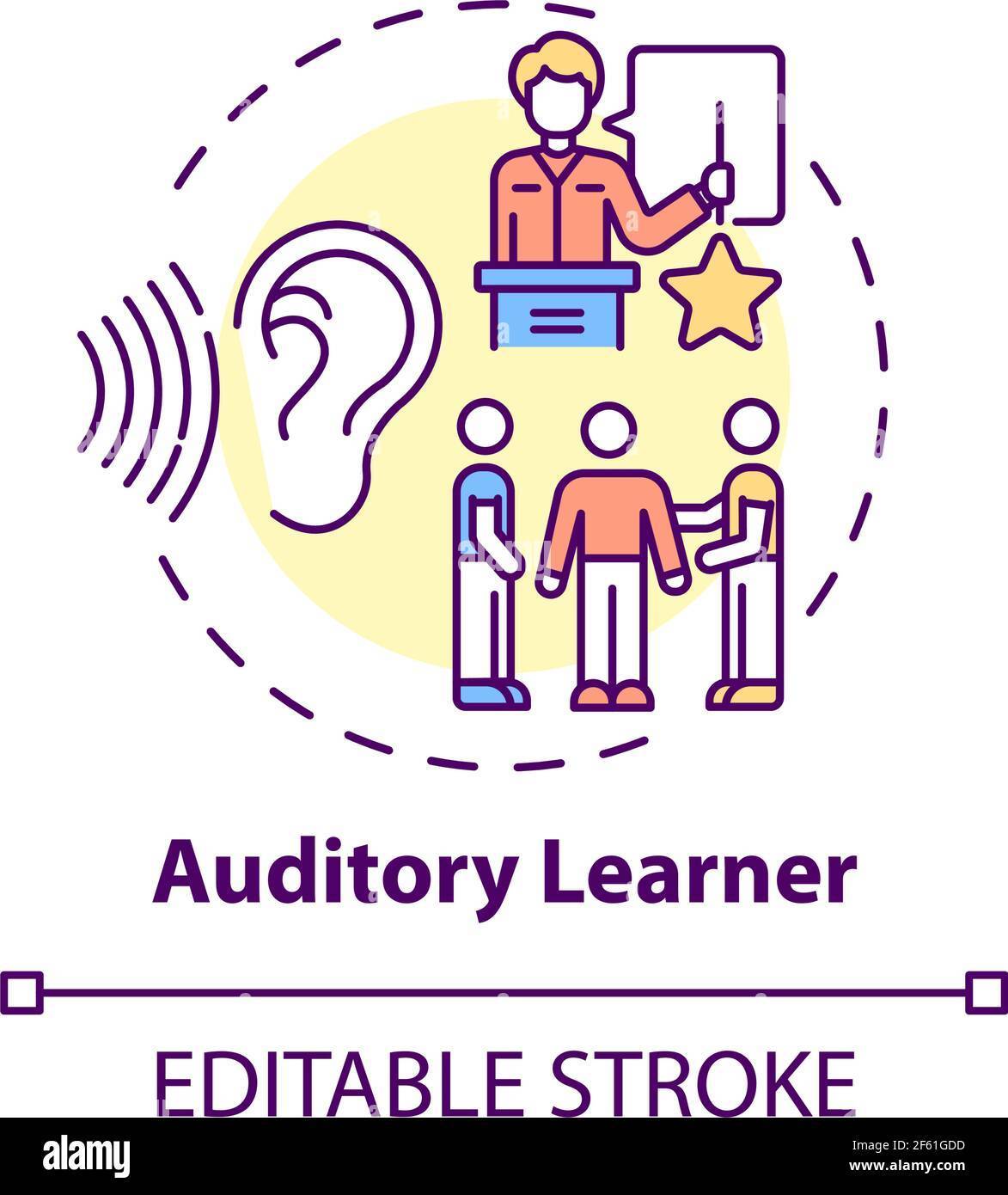
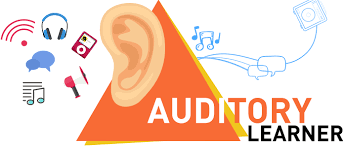
- Auditory learning is a style of learning in which an individual learns most efficiently through
hearing and listening.
- Auditory learners retain information better when it is delivered through sound or speech
rather than written form.
- This type of learning is one of the three different styles that are recognized by the
Fleming VAK model of learning.
- This type of learning is one of the three different styles that are recognized by the
Fleming VAK model of learning.
- Auditory learners retain information better when it is delivered through sound or speech
rather than written form.
- Characteristics
- Can easily recall spoken information
- Good speaking skills
- Strong listening skills
- Typically excel at oral exams
- Good storytelling skills
- Benefits the most from reading aloud
- Easily distracted by background noises
- Works best on a conversational basis
- Talented at explaining ideas verbally
- Can easily recall spoken information
- Strategies
- Play background music
- Many auditory learners work best when there is background noise as
opposed to silence.
- Many auditory learners work best when there is background noise as
opposed to silence.
- Ask for verbal direction
- Auditory learners typically understand directions best when they are
spoken.
- Auditory learners typically understand directions best when they are
spoken.
- Participate in group discussions
- Individuals who are auditory learners often benefit greatly from group
discussions within the workplace.
- Individuals who are auditory learners often benefit greatly from group
discussions within the workplace.
- Record
meetings
- You can record the meeting to listen to it again later.
- You can record the meeting to listen to it again later.
- Read aloud
- For auditory learners working in a private area, reading aloud can be beneficial
when it comes to retaining information.
- For auditory learners working in a private area, reading aloud can be beneficial
when it comes to retaining information.
- Talk through
problems
- talking through these scenarios is the best way for an auditory learner to
digest information and come up with a solution.
- talking through these scenarios is the best way for an auditory learner to
digest information and come up with a solution.
- Play background music
- Auditory learning is a style of learning in which an individual learns most efficiently through
hearing and listening.
Medienanhänge
Möchten Sie kostenlos Ihre eigenen Mindmaps mit GoConqr erstellen? Mehr erfahren.