
38156276


Hard hearing
- anatomy of the ear
- external/outer ear
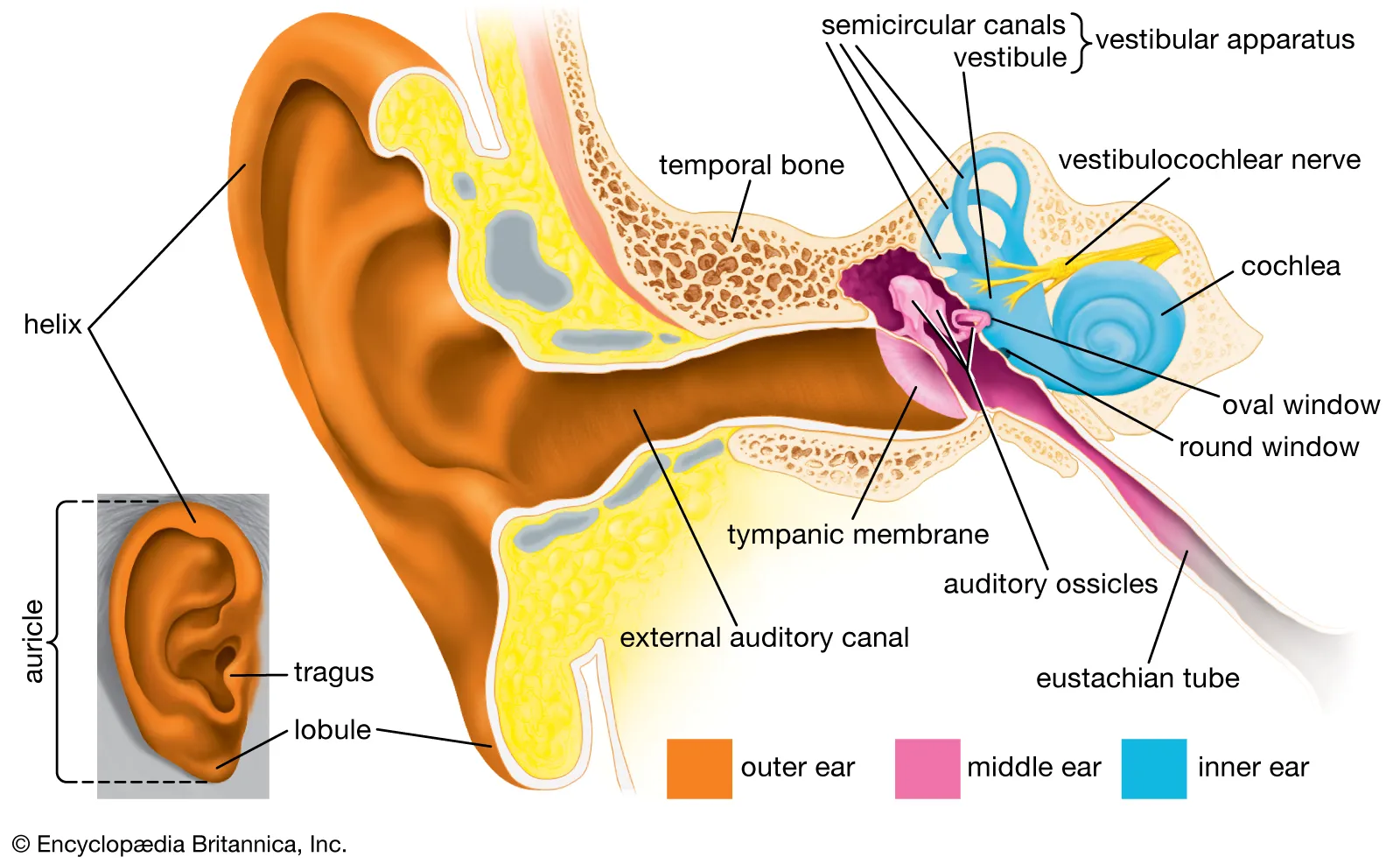
- Pinna or auricle. This is the outside part of the ear.
- External auditory canal or tube. This is the
tube that connects the outer ear to the inside
- External auditory canal or tube. This is the
tube that connects the outer ear to the inside
- Pinna or auricle. This is the outside part of the ear.
- middle ear
- Ossicles. 3 connected small bones (Malleus/Incus/Stapes)
that transmit the sound waves to the inner ear.
- Eustachian tube. A canal that links the
middle ear with the back of the nose.
- Eustachian tube. A canal that links the
middle ear with the back of the nose.
- Ossicles. 3 connected small bones (Malleus/Incus/Stapes)
that transmit the sound waves to the inner ear.
- inner ear
- Cochlea. This contains the
nerves for hearing.
- Vestibule. This contains
receptors for balance.
- Semicircular canals. This
contains receptors for balance
- Semicircular canals. This
contains receptors for balance
- Vestibule. This contains
receptors for balance.
- Cochlea. This contains the
nerves for hearing.
- eardrum
- The tympanic membrane divides the external ear from the middle ear.
- The tympanic membrane divides the external ear from the middle ear.
- external/outer ear
- otorrhea
- drainage of liquid from the ear
- causes:
- Infections / Trauma / Foreign body /
Tumors / Systemic illness.
- Infections / Trauma / Foreign body /
Tumors / Systemic illness.
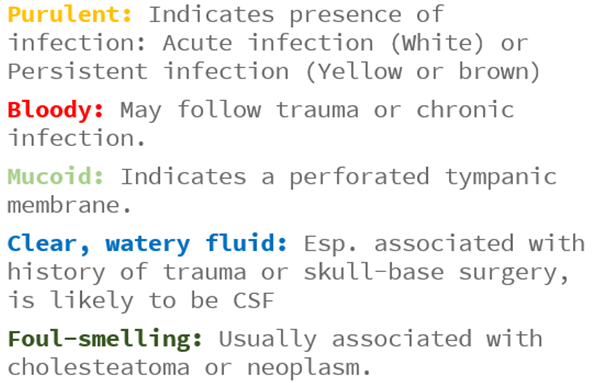
- types of discharge:
- drainage of liquid from the ear
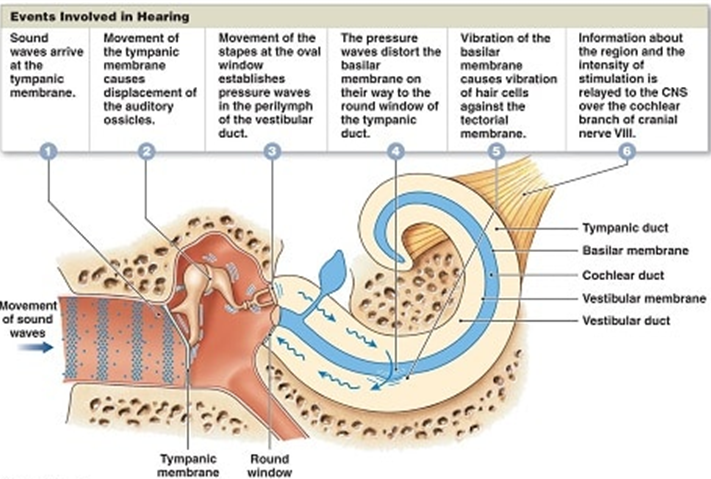
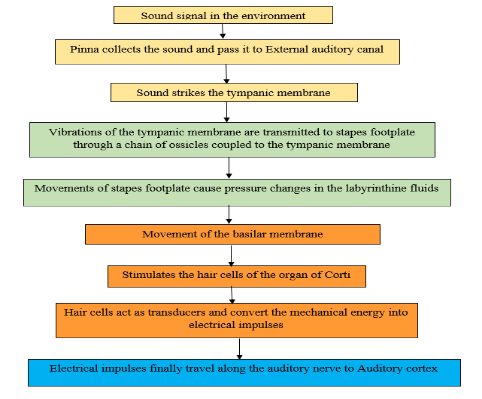
- physiology of hearing
- investigations
- 1) ear swab
- collecting the sample
of drainage
- collecting the sample
of drainage
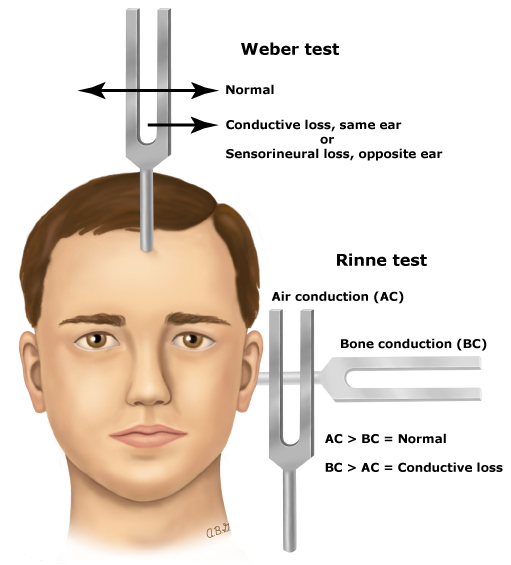
- 2) tuning fork test
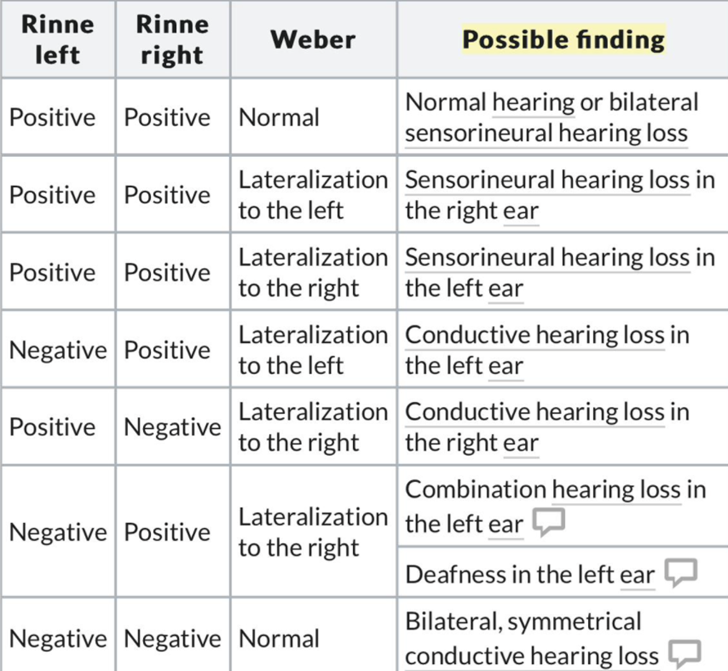
- rinne and weber tests
- interpretations
- interpretations
- rinne and weber tests
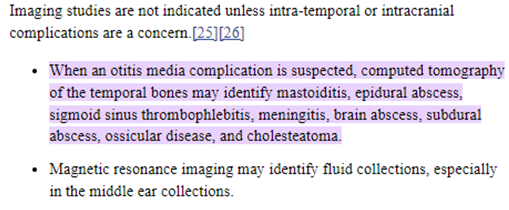
- 3) imaging
- 1) ear swab
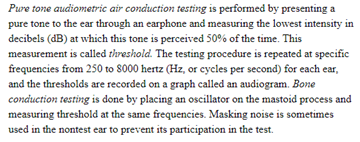
- Pure tone audiometry
- a behavioral test used to
measure hearing sensitivity
- involves the peripheral &
central auditory systems
- Pure-tone thresholds (PTTs) indicate the softest sound
audible to an individual at least 50% of the time. Hearing
sensitivity is plotted on an audiogram, which is a graph
displaying intensity as a function of frequency.
- technique
- technique
- Pure-tone thresholds (PTTs) indicate the softest sound
audible to an individual at least 50% of the time. Hearing
sensitivity is plotted on an audiogram, which is a graph
displaying intensity as a function of frequency.
- involves the peripheral &
central auditory systems
- a behavioral test used to
measure hearing sensitivity
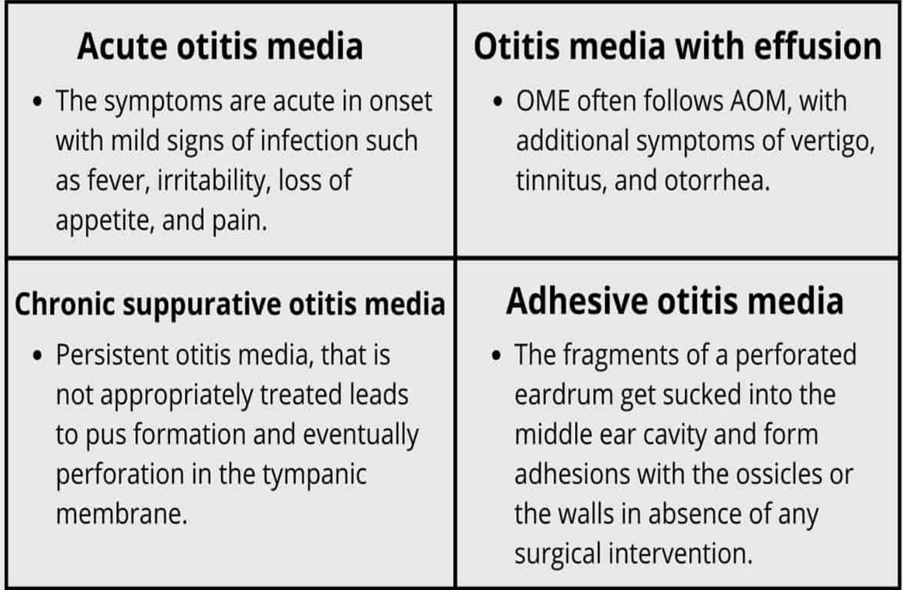
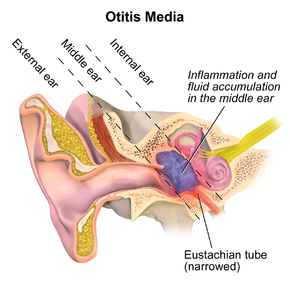
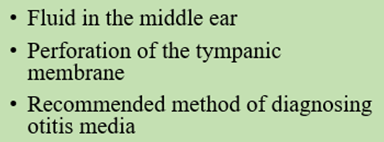
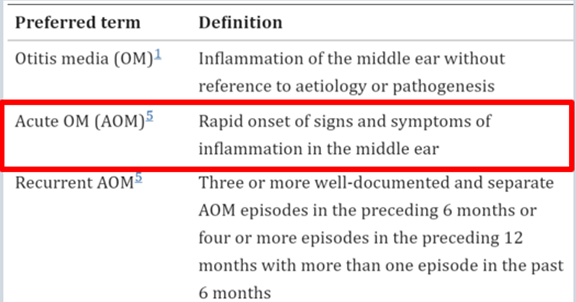
- otitis media
- an infection of the middle ear
that causes inflammation
and a build-up of fluid behind
the eardrum.
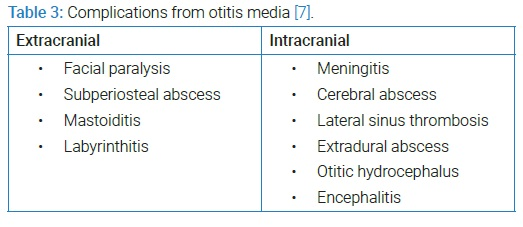
- complications of otitis
media
- extracranial and intracranial
- extracranial and intracranial
- signs and
symptoms of
otitis media
- treatment of otitis
media
- an infection of the middle ear
that causes inflammation
and a build-up of fluid behind
the eardrum.
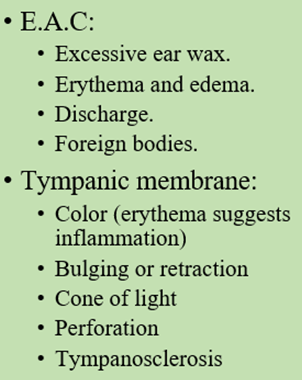
- otoscopy
- examination of the ear
- findings
- findings
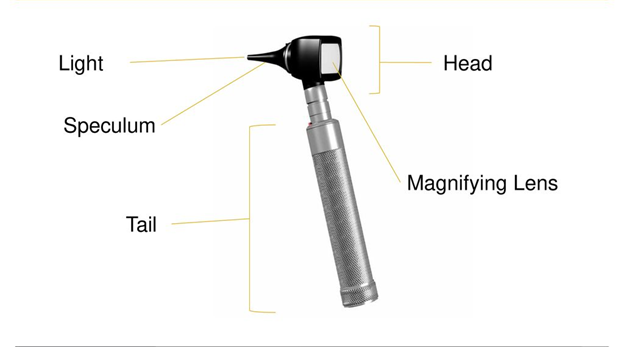
- otoscope
- a device used to visualize and examine the external auditory
canal, the tympanic membrane, and the middle ear.
- a device used to visualize and examine the external auditory
canal, the tympanic membrane, and the middle ear.
- pneumatic otoscopy
- Examination that helps determine the
flexibility or mobility of the tympanic
membrane, in response to changing pressure
- immobility could include:
- immobility could include:
- Examination that helps determine the
flexibility or mobility of the tympanic
membrane, in response to changing pressure
- examination of the ear
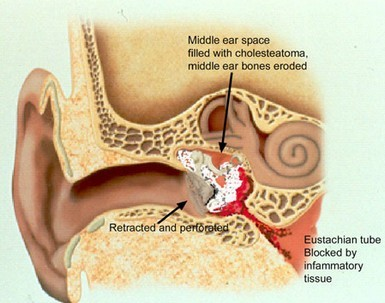
- cholesteatoma
- abnormal collection of skin cells deep inside your ear.
- It gradually builds up in the
ear and causes erosions
- Gradually causes
progressive hearing loss
- Foul-smelling
discharge
- Can cause permanent
hearing loss, facial muscles
paralysis, dizziness
- Can cause permanent
hearing loss, facial muscles
paralysis, dizziness
- Foul-smelling
discharge
- Gradually causes
progressive hearing loss
- abnormal collection of skin cells deep inside your ear.
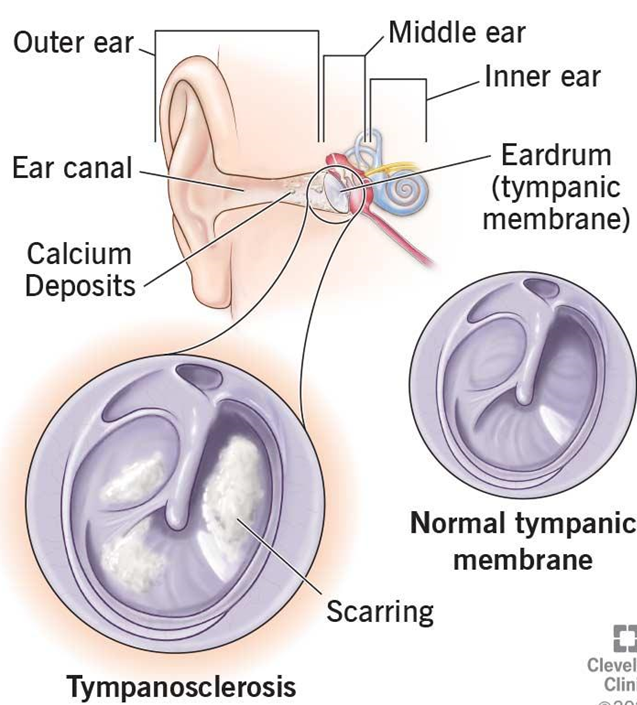
- Tympanosclerosis
- scarring of the eardrum
(tympanic membrane).
- causes:
- Ear infections/Ruptured
eardrum/Cholesteatoma Ear surgery
- Ear infections/Ruptured
eardrum/Cholesteatoma Ear surgery
- causes:
- symptoms
- The chalky white appearance of
the eardrum/Hearing loss/Ear pain
- The chalky white appearance of
the eardrum/Hearing loss/Ear pain
- treatment
- surgery
- If surgical tympanosclerosis treatment doesn’t
fully restore hearing, then hearing aids can help
- surgery
- scarring of the eardrum
(tympanic membrane).
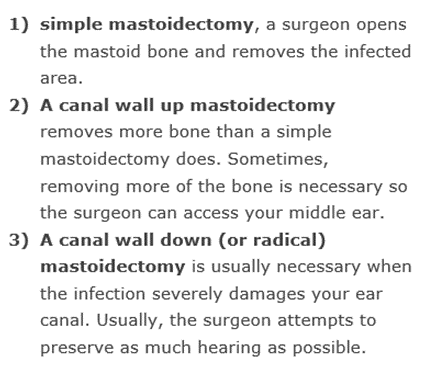
- mastoidectomy
- performed for a variety of temporal bone pathologies
including mastoiditis and cholesteatoma
- types
- types
- complications
- Inner ear hearing loss/Facial
nerve injury/A change in
taste/Ringing in your ear
- Inner ear hearing loss/Facial
nerve injury/A change in
taste/Ringing in your ear
- performed for a variety of temporal bone pathologies
including mastoiditis and cholesteatoma
- Myringotomy
- surgical incision into the
eardrum, to relieve
pressure or drain fluid.
- indications
- Frequent ear
infections/Bleeding in
middle ear/Barotrauma.
- Frequent ear
infections/Bleeding in
middle ear/Barotrauma.
- surgical incision into the
eardrum, to relieve
pressure or drain fluid.
- Aural POLYPS &
Management
- A soft, rubbery mass mostly
present in the external
auditory canal Chronic
inflammation of the middle ear
or mastoid.
- management
- Surgical Excision + Antibiotics
Mastoidectomy incase of mastoiditis.
- Surgical Excision + Antibiotics
Mastoidectomy incase of mastoiditis.
- management
- Highly associated
with cholesteatoma.
- A soft, rubbery mass mostly
present in the external
auditory canal Chronic
inflammation of the middle ear
or mastoid.
Medienanhänge


Möchten Sie kostenlos Ihre eigenen Mindmaps mit GoConqr erstellen? Mehr erfahren.