
4477577
Beschreibung

Mindmap von Jessika Segovia, aktualisiert more than 1 year ago

|
Erstellt von Jessika Segovia
vor etwa 10 Jahre
|
|
Study techniques
- Note
taking
- The practice of recording information
captured from another source.
- By taking notes, the writer records the essence of the
information, freeing their mind from having to recall
everything.
- The practice of recording information
captured from another source.
- Mnemonic
technique
- This technique works just as well for memorizing
dates and facts.
- Is practical and you can organize your
ideas as music, etc. Singing or spelling the
principal ideas about something would
make the learning funny and atractive.
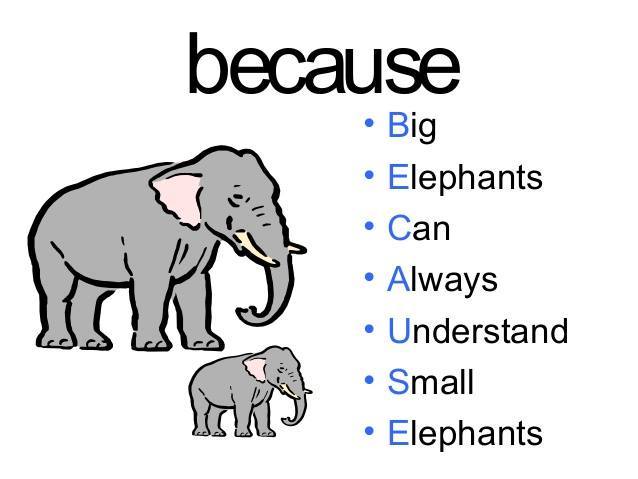
- When the list mist be memorized in order, form a sentence
from the initial letter of the words you are trying to memorize.
- Is practical and you can organize your
ideas as music, etc. Singing or spelling the
principal ideas about something would
make the learning funny and atractive.
- This technique works just as well for memorizing
dates and facts.
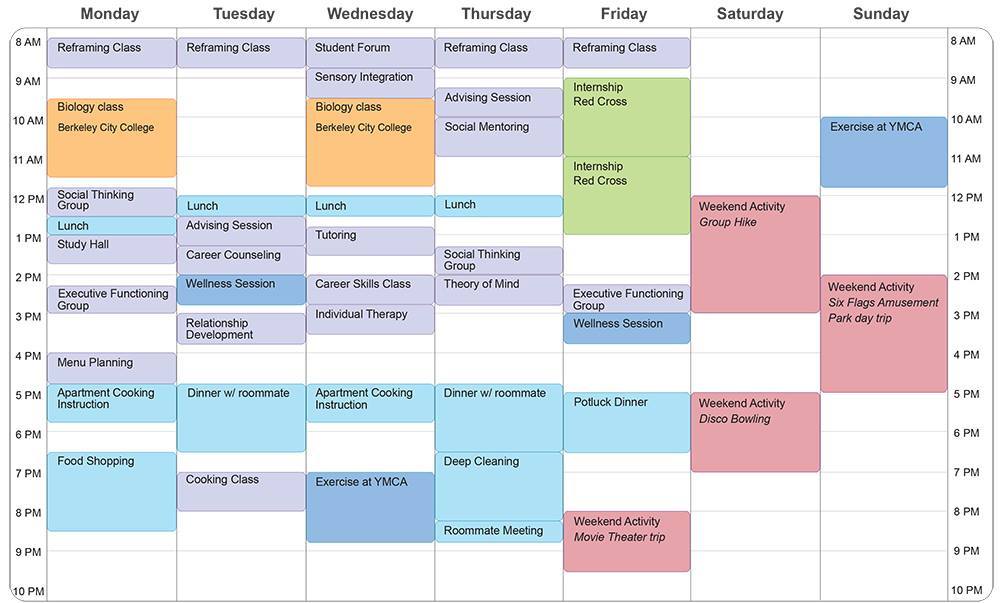
- Create schedules
- It’s a plan for perfoming work or achieving and objective,
specifying the order and allotted time form each part.
- It’s a plan for perfoming work or achieving and objective,
specifying the order and allotted time form each part.
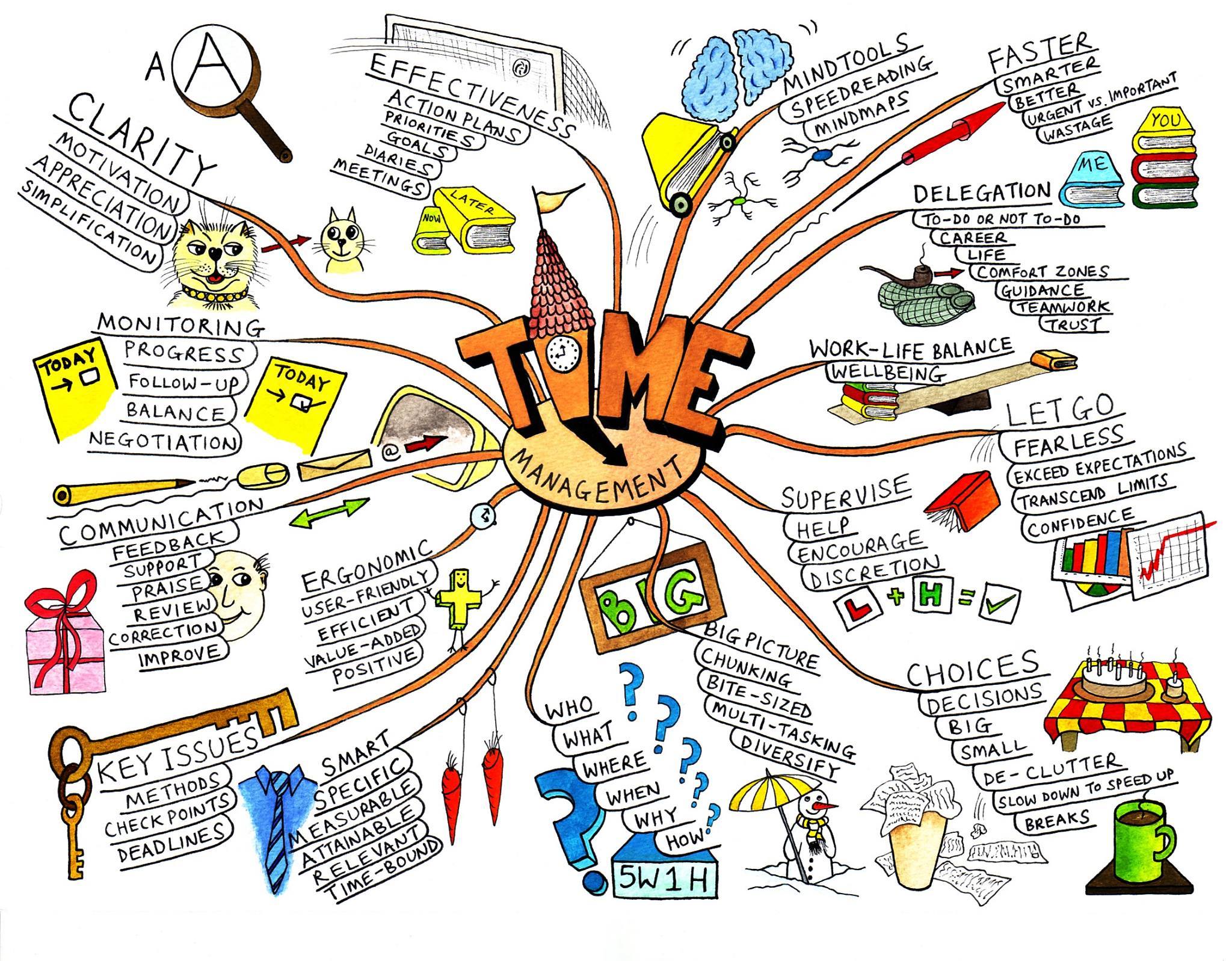
- Mind maps
- They are a logical and creative way to take notes
and ideas wich is, literally map their thoughts on
an issue.
- They are a very effective method to extract and store information
They are a logical and creative way to take notes and ideas wich is,
literally map their thoughts on an issue.
- They are a very effective method to extract and store information
They are a logical and creative way to take notes and ideas wich is,
literally map their thoughts on an issue.
- It is a diagram used to represent words, ideas, tasks, drawings, or
other related concepts and arranged radially around a keyword
or central idea.
- They are a logical and creative way to take notes
and ideas wich is, literally map their thoughts on
an issue.
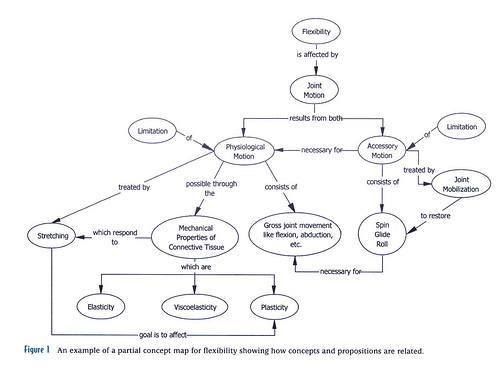
- Concept
maps
- It’s a technique used for graphical
representation of knowledge.
- Represent concepts, and the links
represent relationships between concepts.
- Represent concepts, and the links
represent relationships between concepts.
- It’s a network of
concepts.
- It’s a technique used for graphical
representation of knowledge.
- EXTRAS
- Study Every Day
- If you study a little bit every day you'll be
continually reviewing things in your mind.
- This helps you understand things. It also helps
you avoid the stress of last-minute cramming.
- This helps you understand things. It also helps
you avoid the stress of last-minute cramming.
- If you study a little bit every day you'll be
continually reviewing things in your mind.
- Review and Revise
- Thinking things over can help you to
understand the concepts and help you
remember when you need them the most.
- Thinking things over can help you to
understand the concepts and help you
remember when you need them the most.
- Take Breaks
- It's important to take breaks while you're
studying, especially if you're feeling tired or
frustrated.
- Working too long on a task can
actually decrease your performance.
- Working too long on a task can
actually decrease your performance.
- It's important to take breaks while you're
studying, especially if you're feeling tired or
frustrated.
- Study Every Day
Medienanhänge



Möchten Sie kostenlos Ihre eigenen Mindmaps mit GoConqr erstellen? Mehr erfahren.