
5224289
Beschreibung

Mindmap von Benito Román Guerrero Blanco, aktualisiert more than 1 year ago

|
Erstellt von Benito Román Guerrero Blanco
vor fast 10 Jahre
|
|
MATTER AND FORCES
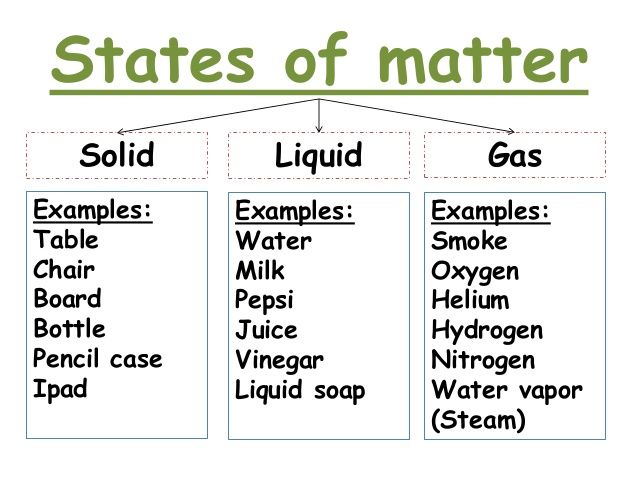
- STATES OF
MATTER
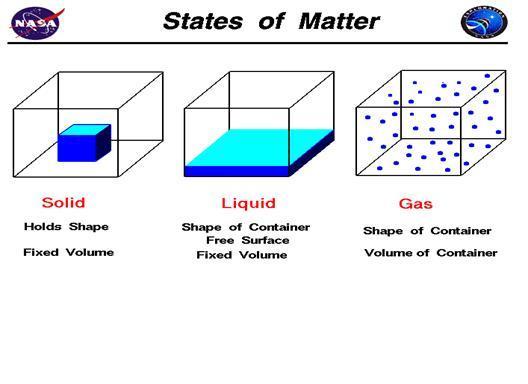
- Solids
- Definite shape and volume (holds shape
and volume).
- Definite shape and volume (holds shape
and volume).
- Liquids
- Definite volume and indefinite shape. They
take the shape of the container.
- Definite volume and indefinite shape. They
take the shape of the container.
- Gases
- Indefinite volume: they can be compressed.
Indefinite shape. They take the shape of the
container
- Indefinite volume: they can be compressed.
Indefinite shape. They take the shape of the
container
- Solids
- CHANGES OF MATTER
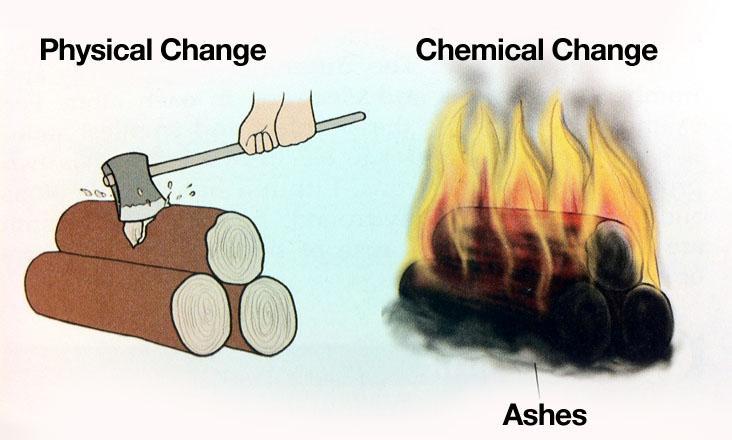
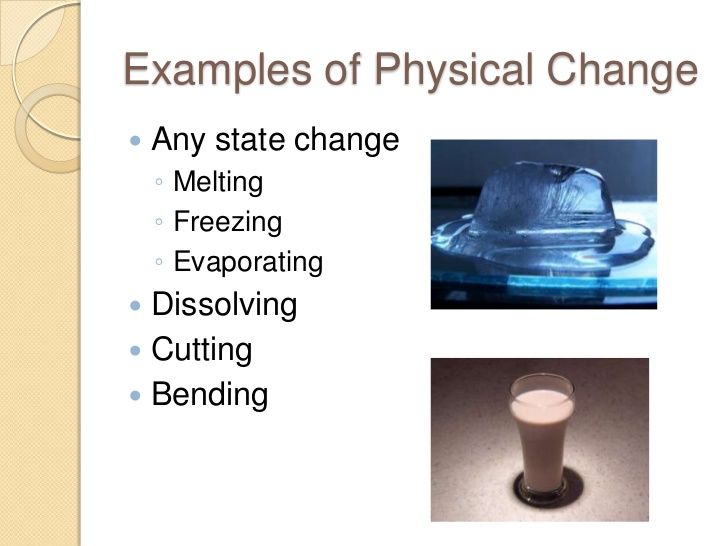
- Physical
- Reversible and irreversible
- Reversible and irreversible
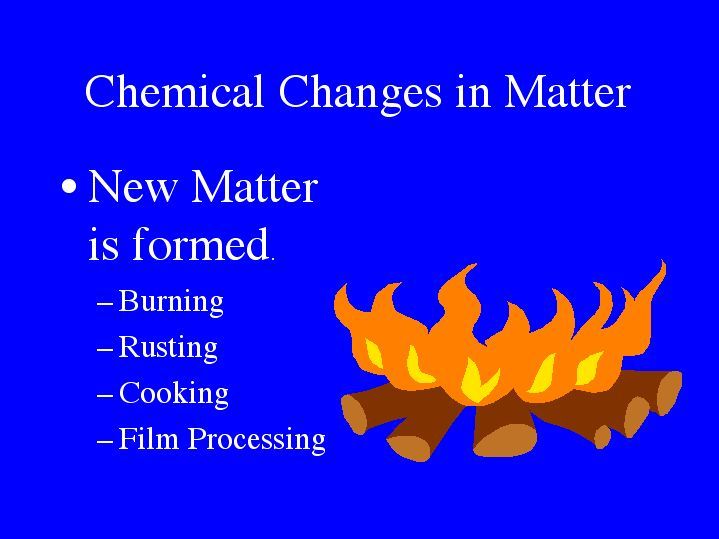
- Chemical
- Most chemical changes are irreversible.
Combustion,oxidation and fermetation.
- Most chemical changes are irreversible.
Combustion,oxidation and fermetation.
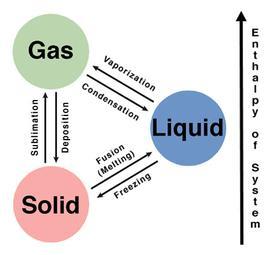
- Matter suffers changes of state
- Physical
- MATTER AND ITS PROPERTIES
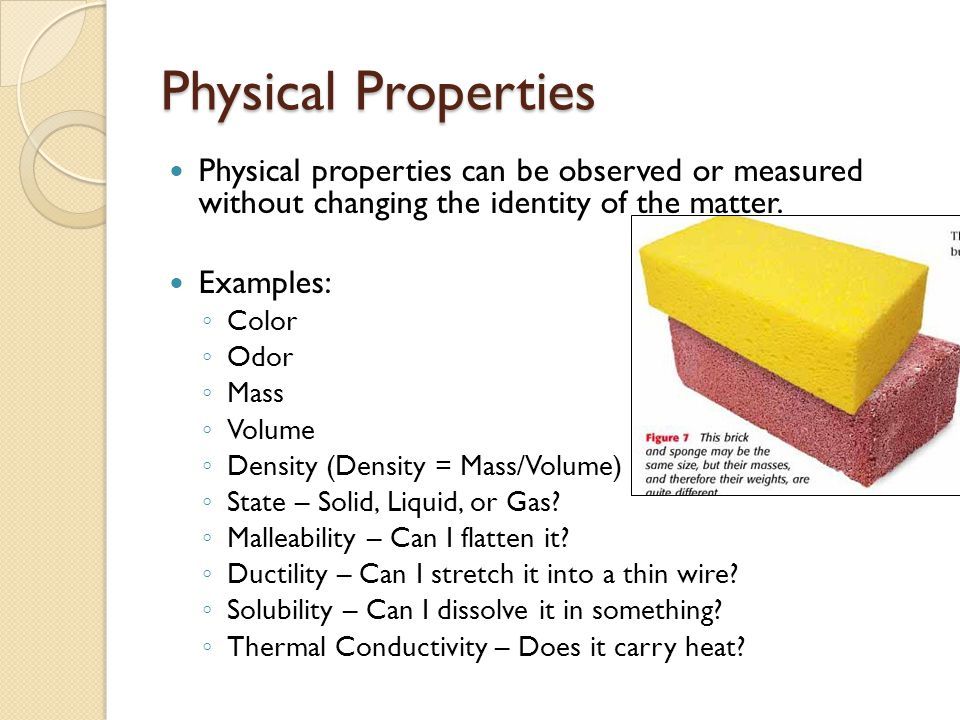
- Matter is made out of atoms.
- colour, odour and taste.
- VOLUME: how much space matter occupies. We measure
volume in mililitres (ml). 1l= 1000 ml
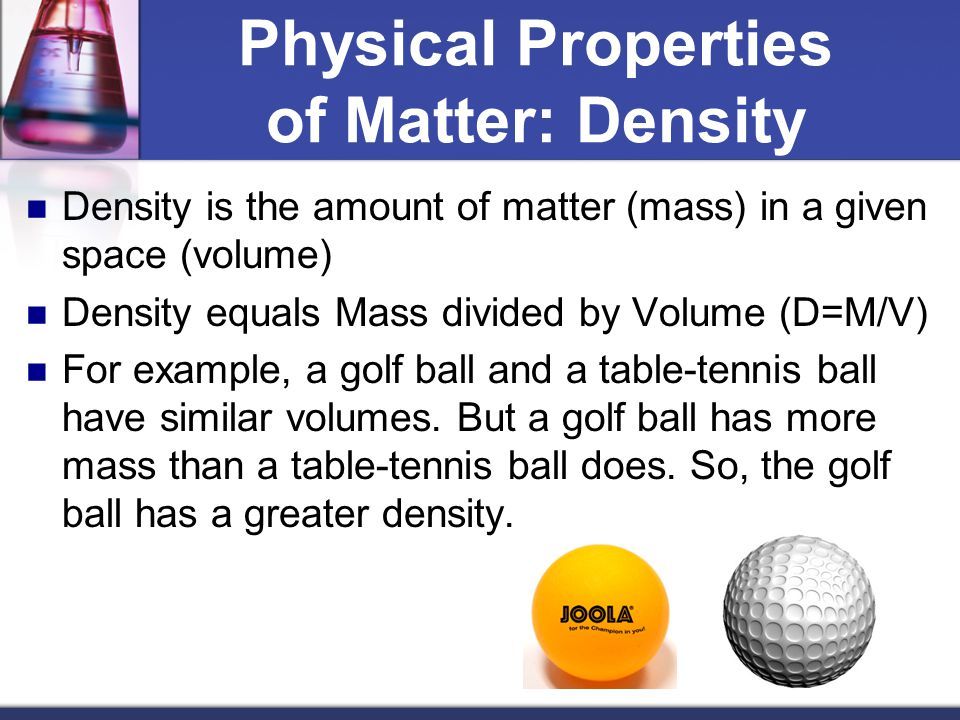
- DENSITY: The amount of matter in a volume. We measure it
in kilograms per litre (kg/l)
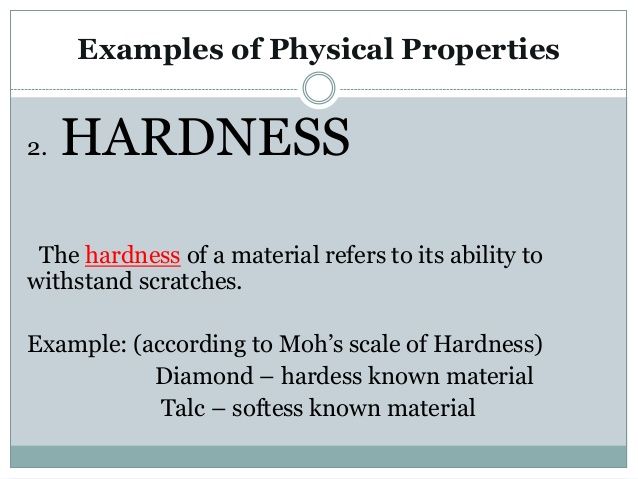
- HARDNESS is the scratch-resistance of a solid. Diamonds
are the hardness natural solid. Talc is the softess material.
- THERMAL CONDUCTIVITY is the ability of the susbtances to
conduct or transfer heat.
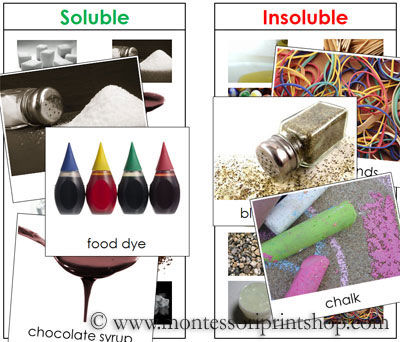
- SOLUBILITY: is the ability of a substance to disolve in
another substance and form a solution. Sugar disolves well
in water whereas oil does not.
- MASS is the amount of matter in an object. An apple has a
greater mass than a grape. We measure mass in grams (g).
1kg=1000g.
- Matter is made out of atoms.
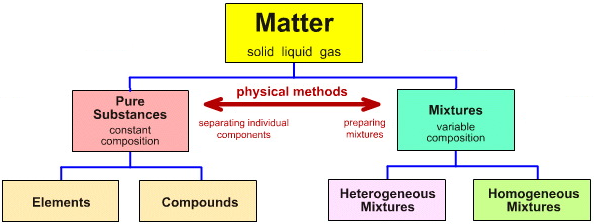
- WHAT TYPES OF MATTER ARE THERE?
- PURE SUBSTANCES
- Consists of only one type of matter
such as table salt, silver, gold, copper or
pure water.
- Consists of only one type of matter
such as table salt, silver, gold, copper or
pure water.
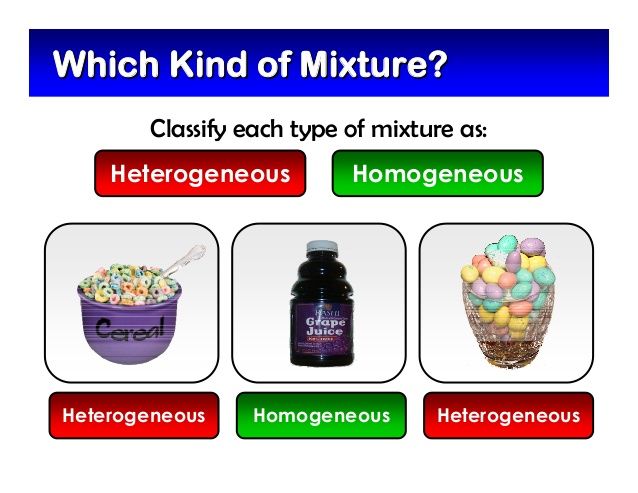
- MIXTURES
- are made up of two or more pure
substances.
- HOMOGENEOUS MIXTURES: such as
the air we breathe or sea water. We
cannot see the individual substance.
- HETEROGENEOUS MIXTURES: such as
sand or a salad. We can see the
individual substances.
- We can separate the substances in
mixtures through FILTRATION,
EVAPORATION AND SIEVING
- are made up of two or more pure
substances.
- PURE SUBSTANCES
- FORCES AND ITS
EFFECTS
- Forces can make things MOVE, STOP, SPEED
UP, SLOW DOWN or CHANGE DIRECTION.
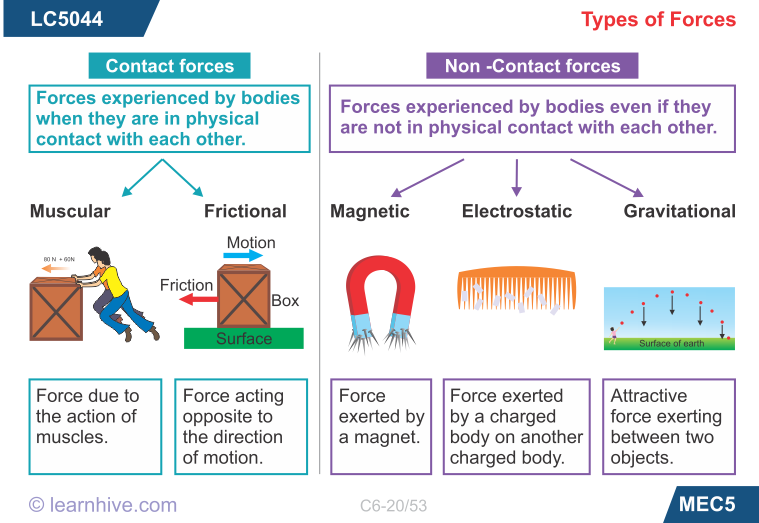
- NON-CONTACT FORCES
- MAGNETISM: force of attraction or repulsion
caused by magnetic material, such as
magnets.
- GRAVITY is a force which attracts all objects
towards each other, such as planets which
have a stronger gravitational force. In space
there is no gravity and astronauts float there.
- MAGNETISM: force of attraction or repulsion
caused by magnetic material, such as
magnets.
- Force is a push and pull that acts on
an object. We can see their effects.
- CONTACT FORCES
- FRICTION is a force that exists when two objects rub
against each other. It acts in the opposite direction of
movement. It can slow down or stop a moving object.
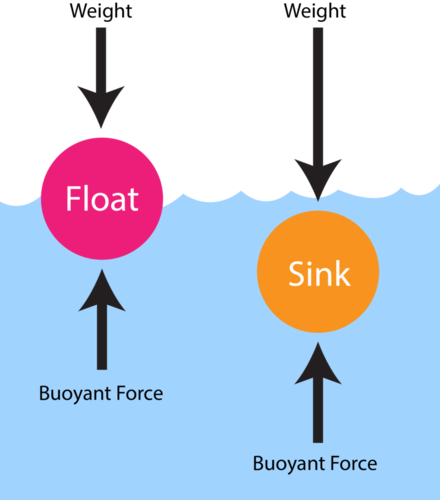
- BUOYANCY is teh ability of objects to float. It is an upward
force which acts in the opposite direction to gravity on
objects immersed in a liquid.
- FRICTION is a force that exists when two objects rub
against each other. It acts in the opposite direction of
movement. It can slow down or stop a moving object.
- WHY SOME OBJECTS FLOAT IN
WATER AND OTHERS SINK?
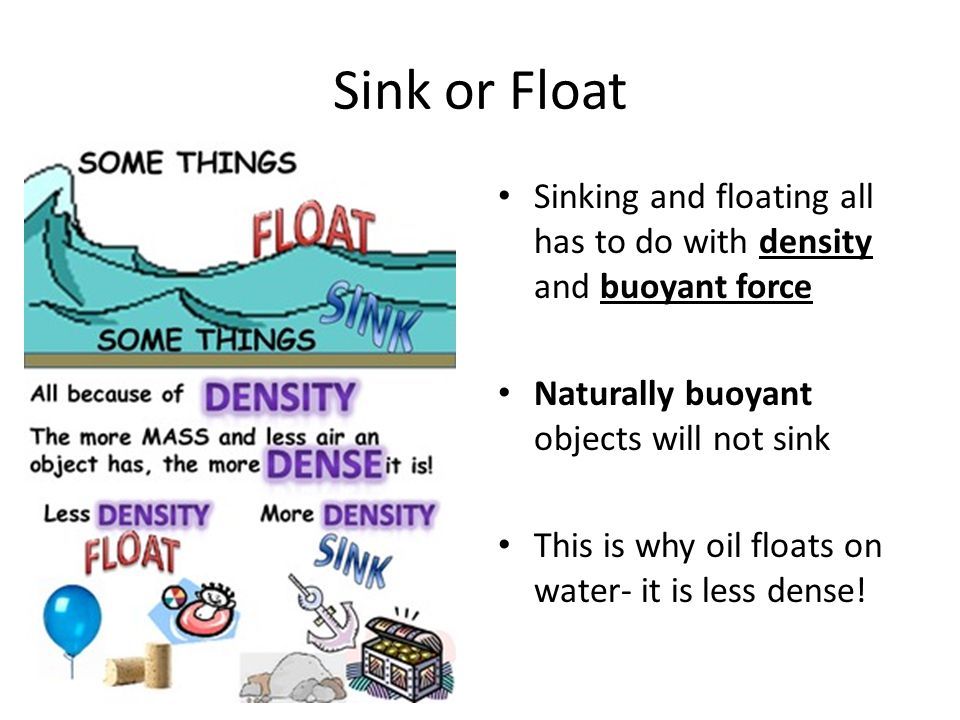
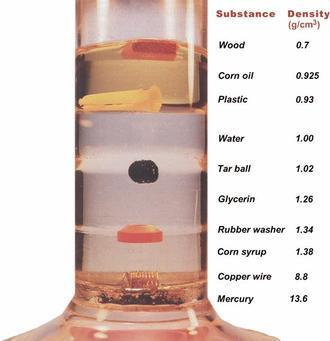
- DENSITY (kg/l) explains why some objects float in
water while others sink.
- If an object has lower density than water, it floats. If an
object has higher density than water , it sinks.
- The density of water is 1 Kg/l. The density of steel is
around 8 kg/l.
- The ability to float depends on the AVERAGE
DENSITY that take into account all materials that
the object is made of.
- DENSITY (kg/l) explains why some objects float in
water while others sink.
- Forces can make things MOVE, STOP, SPEED
UP, SLOW DOWN or CHANGE DIRECTION.
- A NEW WORLD OF
MATERIALS
- Nearly everything we use is made of materials
created or modified by scientists and engineers
(man-made materials).
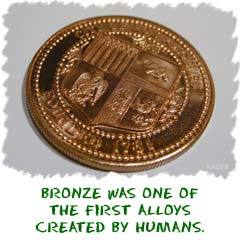
- ALLOYS: It is created by mixing two or more
elements, one of wich must be a metal (cooper,
silver,...). BRASS is an alloy of copper and zinc.
- STEEL is the most commonly used alloys in
everyday life. STAINLEES STEEL is alloy which
resists rust and corrosion.
- ARTIFICIAL JOINTS is made of a special CERAMIC
MATERIAL which is hard and has no effects on
our body.
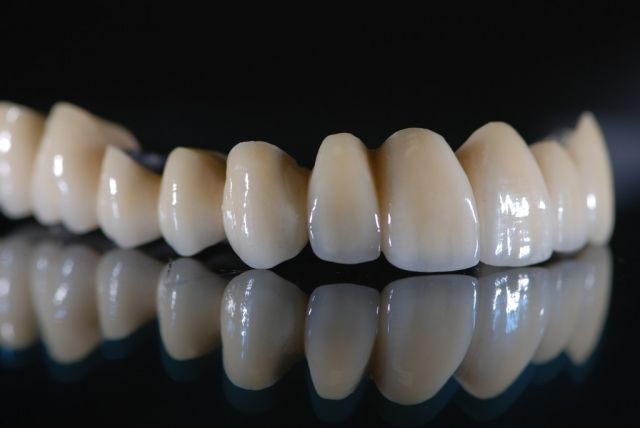
- CERAMIC material are also used by dentists to
repair teeth.
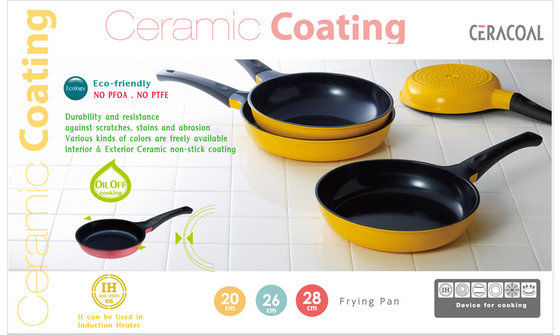
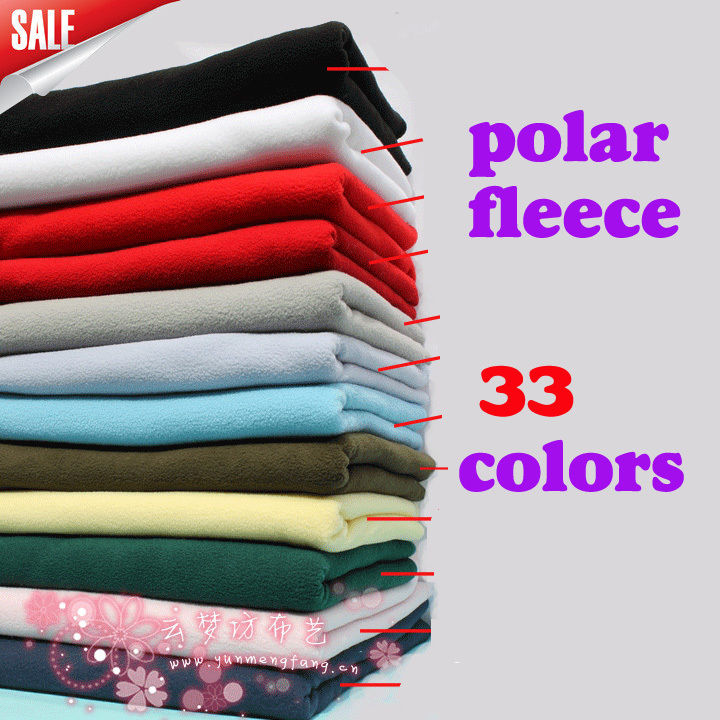
- New materials in every day life are NON-STICK
CERAMIC COATING for cookware; POLAR FLEECE
FABRIC to made pieces of clothing from recycled
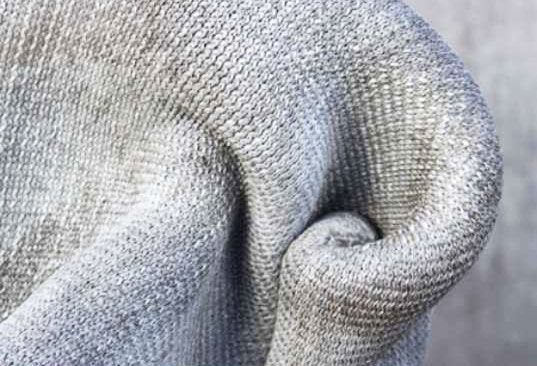
plastic bottles and CONCRETE CLOTH.
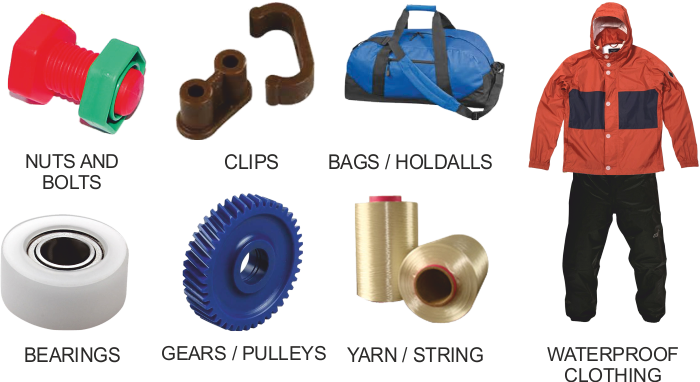
- NYLON ia a chaper man-made material sobstitute for silk (fabric, cookware,
electronics industry). PLASTIC is used in almost all areas of everyday living
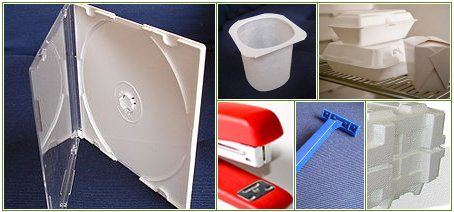
due to their versatility (construction, packaging, toys..). POLYESTIRENE is a
versatile plastic used to make a wide variety of consumer products
(Refrigerators, food trays, food packaging,...)
- Nearly everything we use is made of materials
created or modified by scientists and engineers
(man-made materials).
Medienanhänge
Möchten Sie kostenlos Ihre eigenen Mindmaps mit GoConqr erstellen? Mehr erfahren.