
545822
Beschreibung

Mindmap von ???????????, aktualisiert more than 1 year ago

|
Erstellt von ???????????
vor etwa 12 Jahre
|
|
Photosynthesis
- What is produced and how
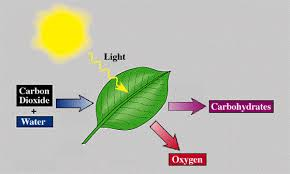
- Photosynthesis is the process that produces 'food' in plants
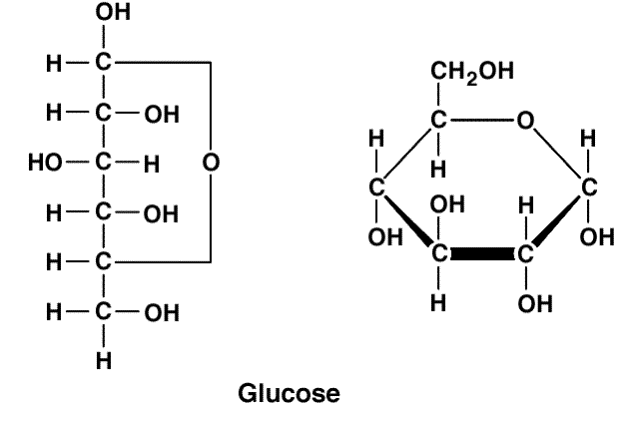
- Food produced is glucose
- Food produced is glucose
- Photosynthesis happens in the leaves of all
green plants
- Photosynthesis happens inside the chloroplast
- This is found in the leaf cells and in other green parts of a plant
- This is found in the leaf cells and in other green parts of a plant
- Chloroplasts contain a substance called chlorophyll
which absorbs sunlight
- The energy is used to convert C02 and water into O2 and glucose
- 6C02 + H20 -- C6H1206 + 602
- This is the chemical equation
- Carbon dioxide + Water -- Glucose + Oxygen
- This is the word equation
- This is the word equation
- This is the chemical equation
- The energy is used to convert C02 and water into O2 and glucose
- Photosynthesis is the process that produces 'food' in plants
- Four things needed for photosynthesis
- Light
- Sunlight beaming down on the leaf provides the energy for the reaction
- Sunlight beaming down on the leaf provides the energy for the reaction
- Chlorophyll
- This is the green substance found in chloroplasts
that make leaves look green
- Chlorophyll absorbs the energy in sunlight and uses it to
combine C02 an water to make glucose and oxygen
- This is the green substance found in chloroplasts
that make leaves look green
- Carbon Dioxide
- Carbon dioxide diffuses into the leaf from the air
- Carbon dioxide diffuses into the leaf from the air
- Water
- Water is drawn up into the plant from the soil up the roots and stem, then into the leaf via its veins
- Water is drawn up into the plant from the soil up the roots and stem, then into the leaf via its veins
- Light
- 6 Uses of glucose
- Stored as starch
- Glucose is turned into starch and stored in roots, stems and leaves ready
for use when photosynthesis isn't happening
- Glucose is turned into starch and stored in roots, stems and leaves ready
for use when photosynthesis isn't happening
- Stored in seeds
- Glucose is turned into lipids for storing in seeds
- Glucose is turned into lipids for storing in seeds
- Making proteins
- Glucose is combined with nitrates to make amino acids which are then made into proteins
- Glucose is combined with nitrates to make amino acids which are then made into proteins
- Respiration
- Respiration releases the energy that enables [plants to convert
the rest of the glucose into various other useful substances which
they use to build new cells and grow
- Respiration releases the energy that enables [plants to convert
the rest of the glucose into various other useful substances which
they use to build new cells and grow
- Making fruits
- Glucose along with another sugar called fructose, is turned into sucrose for storing in fruits
- Glucose along with another sugar called fructose, is turned into sucrose for storing in fruits
- Making cell walls
- Glucose is converted into cellulose for making cell walls
- To support and strengthen the cells
- To support and strengthen the cells
- Glucose is converted into cellulose for making cell walls
- Stored as starch
Medienanhänge
Möchten Sie kostenlos Ihre eigenen Mindmaps mit GoConqr erstellen? Mehr erfahren.