
563667
Beschreibung

Mindmap von bsumner111, aktualisiert more than 1 year ago

|
Erstellt von bsumner111
vor fast 12 Jahre
|
|
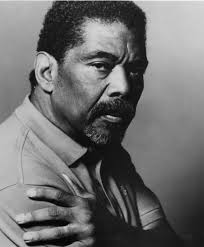
Alvin Ailey
- Personal Life
- Jan 5th 1931- Dec 1st 1989
- Died of aids, but to spare his
mother the social stigma attached
to this it was broadcast the he had
died from a terminal blood
disease.
- Born in Rogers, Texas
when his mother was 17.
- Saw first hand how badly
African Americans were
treated. (blood memories)
- Jan 5th 1931- Dec 1st 1989
- Lester Horton
- At the age of 22 Ailey began
full-time study at Horton's
school, then went on to join
the company in 1953, making
his debut in Horton's Revue
Le Bal Caribe.
- Ailey studied other art forms,
including painting, acting, music, set
design, and costuming, as well as
ballet and other forms of modern and
ethnic dance.
- After Horton's untimely
death in 1953 Ailey
assumed the role of
artistic director
- Ailey designed his first piece
in memory of Horton. It was
arranged to showcase James
Truitte's physical strength and
Carmen de Lavallade's beauty
and dramatic abilities.
- At the age of 22 Ailey began
full-time study at Horton's
school, then went on to join
the company in 1953, making
his debut in Horton's Revue
Le Bal Caribe.
- AAADT
- First piece with his own
company: Blues Suite, a work
of intense emotional appeal
expressing the pain and
anger of African Americans.
- Ailey was proud that his company was
multi-racial, he gave opportunities to
black dancers, who were frequently
excluded from performances by racist
attitudes at the time.
- Ailey was proud that his company was
multi-racial, he gave opportunities to
black dancers, who were frequently
excluded from performances by racist
attitudes at the time.
- Pieces
- Memoria
- Dedicated to Joyce Trisler a
dear friend of Ailey's when
they were in the Horton
Coompany together
- Centred around a
female dancer and two
supporting males, then
further more couples
and evenutally the
whole company.
- Features characteristic
high leg tilts and deep
plies in 2nd. it is a very
emotional piece
- Dedicated to Joyce Trisler a
dear friend of Ailey's when
they were in the Horton
Coompany together
- Cry
- was made very quickly as a
tribute to black women, about
the struggles they faced
through images of slavery and
servitude.
- A birthday present for his
mother, choreographed
especially for Judith Jameson
- Uses a cloth, has pools of
lighting like many of his
other work and high leg
swimgs, body ripples and
african undertones.
- A birthday present for his
mother, choreographed
especially for Judith Jameson
- was made very quickly as a
tribute to black women, about
the struggles they faced
through images of slavery and
servitude.
- Revelations
- Shows Aileys Blood Memories, his
childhood growing up in Texas. It also
shows the Black cultures going on in a
time of racism and segregation.
- a series of episods set to spirtials and
gospels.showing a variety of dynamics and
props such as sticks with streamers on, an
umberella and fans
- High leg tilts, deep plies, torso
rotations, rib and hip isolations,
offering hand motions.
- a series of episods set to spirtials and
gospels.showing a variety of dynamics and
props such as sticks with streamers on, an
umberella and fans
- Shows Aileys Blood Memories, his
childhood growing up in Texas. It also
shows the Black cultures going on in a
time of racism and segregation.
- Memoria
- First piece with his own
company: Blues Suite, a work
of intense emotional appeal
expressing the pain and
anger of African Americans.
- Style
- Horton and Grahman
technique important
- Balletic and lyrical gestures
- Social and jazz dances
associated with African
Americans
- Leaps, high evelation,
extentions and use of
the floor
- Balletic and lyrical gestures
- Highly theatrical, use of
costume, lighting and set
design
- Pieces often narrative
- Pieces often narrative
- Horton and Grahman
technique important
Medienanhänge

Möchten Sie kostenlos Ihre eigenen Mindmaps mit GoConqr erstellen? Mehr erfahren.