
6748635


PBL 4 (It’s All in The Genes)
- Galactosemia
- is a family of genetic disorders that result from
compromised ability to metabolize the sugar galactose
- is an inherited disorder
- is due to GALT enzyme deficiency
- Symptoms
- 1. Irritability
- 2. Lethargy
- 3. Hypotonia
- 4. Vomiting
- 5. jaundice
- 1. Irritability
- Tests
- Ketones in the urine
- Enzyme activity in the red blood cells
- Ketones in the urine
- management
- Refer patients to a dietitian
- discontinue ingestion of
lactose-containing formula
- Refer patients to a dietitian
- types
- 1. Classic + clinic variant galactosemia (Type 1 galactosemia)
- 2. Galactokinase deficiency (Type 2 galactosemia)
- 3. Epimerase deficiency (Type 3 galactosemia)
- 1. Classic + clinic variant galactosemia (Type 1 galactosemia)
- is a family of genetic disorders that result from
compromised ability to metabolize the sugar galactose
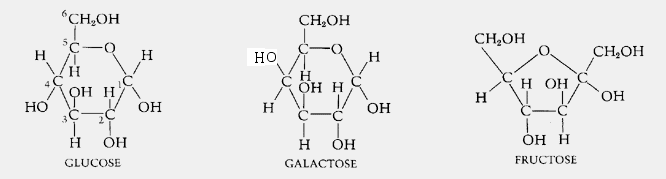
- simple sugars
- examinations
- FeCl3 in urine
- if positive indicate that the person is
having one of phenylketones disorders
- if positive indicate that the person is
having one of phenylketones disorders
- Blood Gas test
- It measures the acidity (pH) and levels of oxygen
and carbon dioxide in the blood from the artery.
- It measures the acidity (pH) and levels of oxygen
and carbon dioxide in the blood from the artery.
- Blood Sugar test
- detect hyperglycaemia or hypoglycaemia
- detect hyperglycaemia or hypoglycaemia
- Thyroid function test
- The T4 test and the TSH test are the two
most common thyroid function tests
- it shows poor growth, less feeding and hypotonia
- The T4 test and the TSH test are the two
most common thyroid function tests
- head CT scanning
- used to create detailed pictures of the skull, brain,
paranasal sinuses, ventricles, and eye sockets.
- used to create detailed pictures of the skull, brain,
paranasal sinuses, ventricles, and eye sockets.
- Kidney Function Test
- estimate GFR which tells the doctor how quickly
your kidneys are clearing waste from your body.
- estimate GFR which tells the doctor how quickly
your kidneys are clearing waste from your body.
- Liver Function test
- ordered as a routine lab test
- ordered as a routine lab test
- FeCl3 in urine
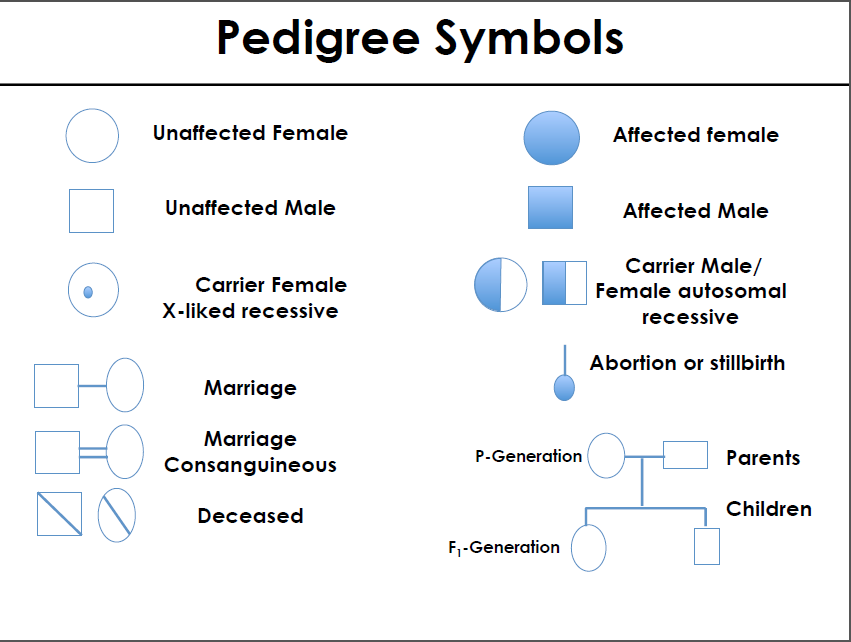
- pedigree
- early detection of inborn metabolic disorders
- blood spot test taken from baby’s heel used to screen ALL
newborns for level of the GALT enzyme within 24 hours of life
- blood spot test taken from baby’s heel used to screen ALL
newborns for level of the GALT enzyme within 24 hours of life
Medienanhänge
Möchten Sie kostenlos Ihre eigenen Mindmaps mit GoConqr erstellen? Mehr erfahren.