
767506


Sikhism
- Background
- Youngest of the major world religions
- Only 500 years old
- Founded by Guru Nanak (b.1460)
- Commanded by God to bring people back to true worship & honest living.
- Family were Hindu
with many Gods
but he was
monotheist so
started Sikhism,
preaching honesty,
equality and hard
work over
materialism.
- Commanded by God to bring people back to true worship & honest living.
- Last Guru (Gobind Sing) died in 1708
- Initiated the Khalsa (pure
disciples) and instigated
names of Singh (male - lion)
and Kaur (fem - princess)
- Used after
forenames to indicate
equality of all people
- Used after
forenames to indicate
equality of all people
- Initiated the Khalsa (pure
disciples) and instigated
names of Singh (male - lion)
and Kaur (fem - princess)
- Only 500 years old
- Origins in the Punjab region (NW India) - Lahore (Pakistan)
- Sikh - in Punjabi means 'disciple'
- Youngest of the major world religions
- Symbols
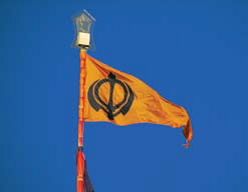
- Flag - Nishan Sahib
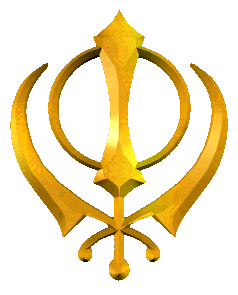
- Sikh Insignia = Khanda
- Sword = Only One (God),
Chakkar (circle) = Timeless
Absolute and symbol of restraint.
Flanked by 2 Kirpans (authority)
- Sword = Only One (God),
Chakkar (circle) = Timeless
Absolute and symbol of restraint.
Flanked by 2 Kirpans (authority)
- Flag - Nishan Sahib
- Dress
- 5 Articles of Faith (5 K's)
- Kesh
- Uncut hair: a symbol
spirituality and
acceptance of God's will
- Uncut hair: a symbol
spirituality and
acceptance of God's will
- Kangha
- Hair comb:
cleanliness
and care
- Hair comb:
cleanliness
and care
- Kachehra
- Shorts:
self
discipline
and morals
- Shorts:
self
discipline
and morals
- Kara
- Bracelet: bond with
Guru, reminder of ideal
behaviour in moment of
weakness or temptation
- Bracelet: bond with
Guru, reminder of ideal
behaviour in moment of
weakness or temptation
- Kirpan
- Sword: symbol of
self-defence, protection
of weak &respect,
justice & peace
- Sword: symbol of
self-defence, protection
of weak &respect,
justice & peace
- Kesh
- Males: Patka (turban), Churidar
Pyjamas (tight trousers)
and a Kurta (loose shirt)
- Fem: Salwar-Kameez (tunic
and trousers) & cover head
with Dupatta / Chunni (scarf)
- 5 Articles of Faith (5 K's)
- Beliefs
- One God
(monotheistic)
- 10 Gurus
- Guru "takes from
darkness to light"
(Sanskrit) - a messenger
- Guru "takes from
darkness to light"
(Sanskrit) - a messenger
- The necessity and
significance of
Baptism - Amrit
Initiation
- Equality & brotherhood of
mankind (no caste
systems) & women have
equal status and rights
- Refrain from: Cutting hair,
Intoxicants, Adultry, Theft, Eating
Kutha Meat & Gambling.
- One God
(monotheistic)
- Diversity
- Baptised Sikh = Khalsa
- Baptised Sikh = Khalsa
- Sacred Texts
- The Holy Guru Granth Sahib
- Must be present for all ceremonies
- Sikhs must bow before it, bathe before
reading and never turn backs to it.
- Personified - the 11th Guru - treated with upmost respect
- Kept on Manji Sahib - Guru's seat
- Must be present for all ceremonies
- The Scriptures
- Teachings of the 10 Gurus
- The Holy Guru Granth Sahib
- Festivals
- Baisakhi
- Must visit the Gurdwara on this day and whole Guru Granth Sahib read
- Procession in Derby
around 14th April
- 'The founding of the Khalsa'
- Folk dances: Gidda and Bhangra
- Must visit the Gurdwara on this day and whole Guru Granth Sahib read
- Bandi Chhorh Diwas / Diwali
- The release of Guru Hargobind from Muslims
- The release of Guru Hargobind from Muslims
- Gurpurb festivals
- Guru birthdays
- Baisakhi
- Food
- Kara Prasad
- Holy sweet food made from semolina, butter and sugar
- Holy sweet food made from semolina, butter and sugar
- Langar - "shared food"
- Vegetarian meal served following worship
- Vegetarian meal served following worship
- Traditional Rotti (bread) with Sabzi (curry), Daal and Dahi (yogurt)
- Forbidden to eat Kutha
(Halal meat) and no
alcohol or tobacco
- Kara Prasad
- Places of Worship
- "Gurdwara"
(Guru's door)
- Anyone welcome
- Langer = free
kitchen
- Remove shoes,
wash hands & feet,
cover heads
- Anyone welcome
- "Gurdwara"
(Guru's door)
- Services / Prayer
- Universal
daily prayer
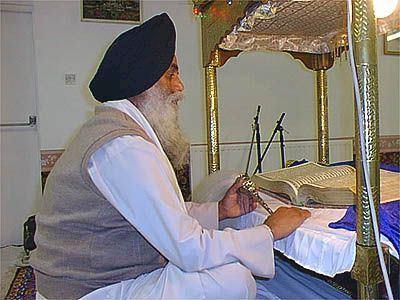
- A 'Granthi'
priest reads
the Granth
Sahib
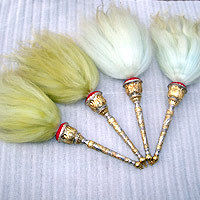
- Holds 'Chor' (respect)
- Holds 'Chor' (respect)
- Sit cross-legged, bow knees
touching forehead to floor
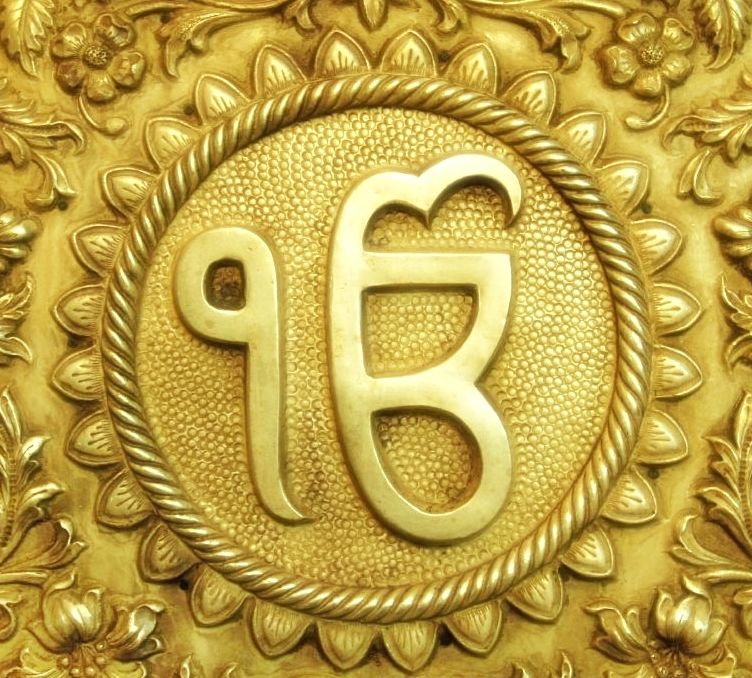
- "Ik Onkar" = God is One (symbol)
- Naming, marriage
and death all have
special ceremonies
- "Sat Sri Akal" = God is Truth - greeting
- Universal
daily prayer
Medienanhänge
Möchten Sie kostenlos Ihre eigenen Mindmaps mit GoConqr erstellen? Mehr erfahren.