
8157909
Beschreibung

Mindmap von sarah hammoodi, aktualisiert more than 1 year ago

|
Erstellt von sarah hammoodi
vor fast 9 Jahre
|
|
fatima's soft bones
- Causes of bone pain
- Osteoporosis
- Bone tumor
- Bone infection (osteomyelitis)
- Hypercalcemia
- Rickets and osteomalacia
- Paget disease of the bone
- Osteoporosis
- OSTEOPOROSIS
- Types of osteoporosis
- Localized
osteoporosis:
- e.g. disuse
osteoporosis in
a limb.
- e.g. disuse
osteoporosis in
a limb.
- Generalized osteoporosis:
- secondary
- Due to: -Endocrine disorder:
Hyperparathyroidism
-Neoplastic: Multiple
metastatic carcinoma.
-Gastrointestinal:
- Due to: -Endocrine disorder:
Hyperparathyroidism
-Neoplastic: Multiple
metastatic carcinoma.
-Gastrointestinal:
- Primary(Commonest Type)
- Senile form:
affects elderly
people of both
sexes
- Postmenopausal form: It
occurs in post
menopausal women
- Senile form:
affects elderly
people of both
sexes
- secondary
- Localized
osteoporosis:
- Morphology
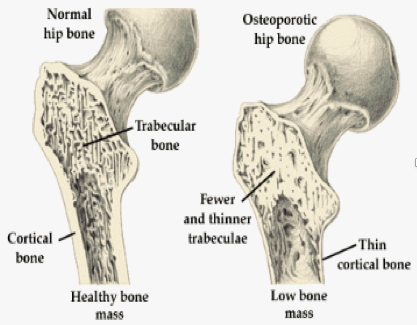
- whole skeleton is affected
cortex and trabeulae are
thinned haversian systems
widened normal composition
- whole skeleton is affected
cortex and trabeulae are
thinned haversian systems
widened normal composition
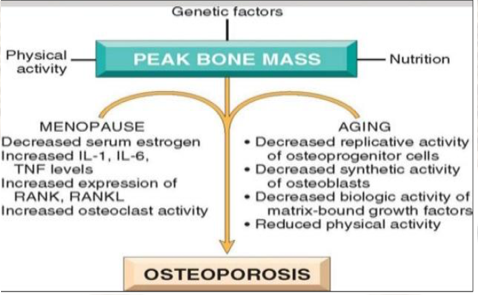
- Pathogenesis
- Decrease in total bone mass and density.
- Decrease in total bone mass and density.
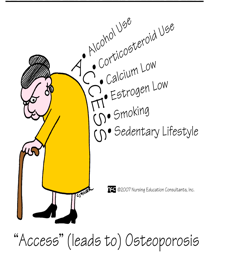
- Risk factors
- Type 2 diabetes
and
osteoporosis
- previously believed to provide bone
protection because of its associated
normal to increased BMD. When
considering all of the risk factors , patients
with diabetes generally have an increased
risk of falling because of peripheral
neuropathy, possible hypoglycemia, and
visual impairment.
- previously believed to provide bone
protection because of its associated
normal to increased BMD. When
considering all of the risk factors , patients
with diabetes generally have an increased
risk of falling because of peripheral
neuropathy, possible hypoglycemia, and
visual impairment.
- Investigations
- Complete Blood Count
- Electrolyte test
- Blood Sugar Test
- Thyroid Hormone Test
- Screening Test
- Bone Mineral Density
FRAX tool- Ultrasound
- Bone Mineral Density
FRAX tool- Ultrasound
- Complete Blood Count
- Management of Osteoporosis
- Pharmacological treatment
- Bisphosphonates
- Selective estrogen receptor modulators
- Calcitonin
- Denosumab
- Teriparatide
- Bisphosphonates
- non-pharmacological
- Nutrition therapy
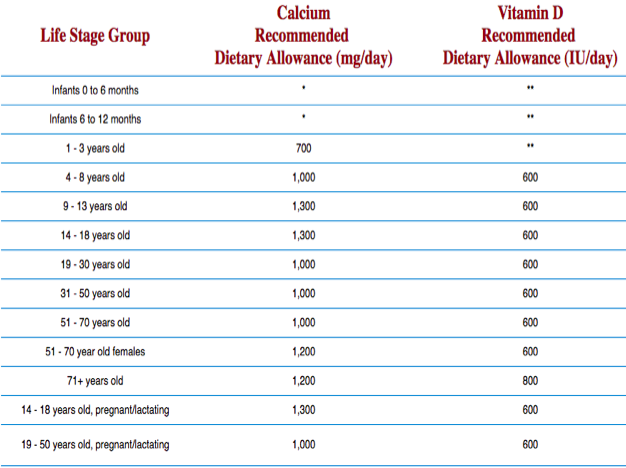
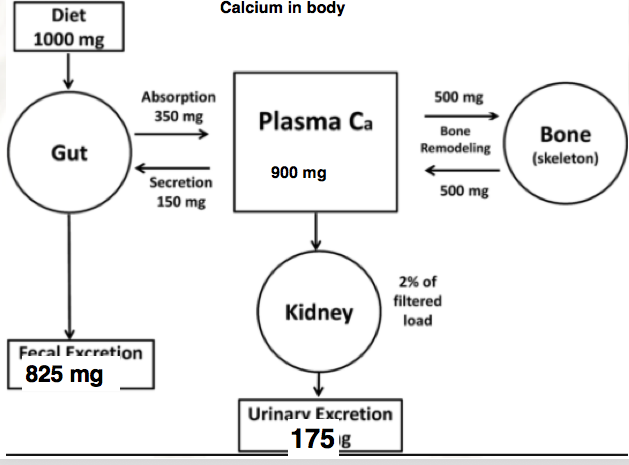
- CALCIUM
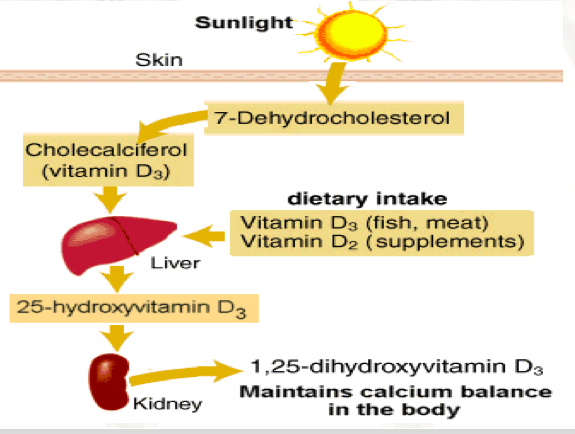
- Vitamin D
- CALCIUM
- Nutrition therapy
- hormone Replacement Therapy
- increase bone density reduce the rate of
fracture useful for women who have undergone
early menopause (before 45 years of age)
increased the risk of heart disease and stroke
- increase bone density reduce the rate of
fracture useful for women who have undergone
early menopause (before 45 years of age)
increased the risk of heart disease and stroke
- Physiotherapy
- Help strengthen your bones & muscles.
Prevent bone thinning Improve your
balance>reduce falls
- Help strengthen your bones & muscles.
Prevent bone thinning Improve your
balance>reduce falls
- Pharmacological treatment
- Most common
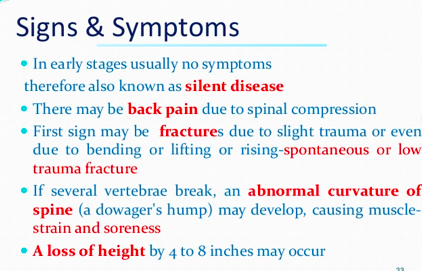
Fractures
- Vertebral Fractures
- Non-vertebral
Fractures(Hip
, wrist , Arm )
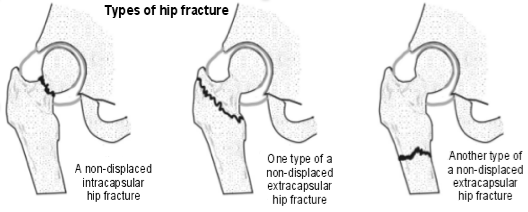
- Hip Fracture
- possible
complications after a
hip fracture
- Blood clots
Pneumonia
Post-operative
infection
- Blood clots
Pneumonia
Post-operative
infection
- possible
complications after a
hip fracture
- Hip Fracture
- Vertebral Fractures
- definition
- A term denoting increased
porosity of the skeleton and
increased bone fragility due
to reduction in bone mass.
- A term denoting increased
porosity of the skeleton and
increased bone fragility due
to reduction in bone mass.
- Quality of life
- 1. Impaired physical ability
- 2. Reduced social activity
- 3. Poor well being
- 4. Depressed mood
- 1. Impaired physical ability
- Types of osteoporosis
- Physical Examination of the Hip
- inspection: Position (deformity) : the hip
may show : flexion deformity adduction
deformity abduction deformity rotation
(internal or external)
- palpation: Palpate for the temperature
around the joint Palpate the bony contour &
muscles. Using the thumb & index fingers,
bilaterally palpate the relation between ASIS
and (Palpation) the greater trochanters &
compare either sides. During palpation you
look for any tenderness, Swellings, or
Atrophy.
- movement: Both active &
passive movements are tested
for ROM
- Special tests:
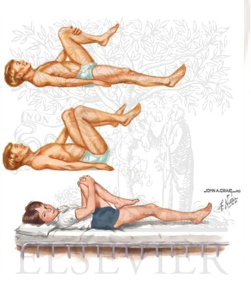
- Thomas’ test :
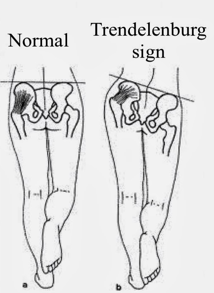
- Trendelenburg test:
- Thomas’ test :
- inspection: Position (deformity) : the hip
may show : flexion deformity adduction
deformity abduction deformity rotation
(internal or external)
- Treatment of Hip Bone Fracture
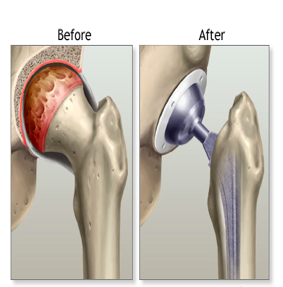
- Arthroplasty
- In this surgical procedure, a joint can be restored
by resurfacing the bones or replacing all or parts
of the hip joint with a man-made joint. This
artificial joint is called a prosthesis .
- In this surgical procedure, a joint can be restored
by resurfacing the bones or replacing all or parts
of the hip joint with a man-made joint. This
artificial joint is called a prosthesis .
- Arthroplasty
- anatomy
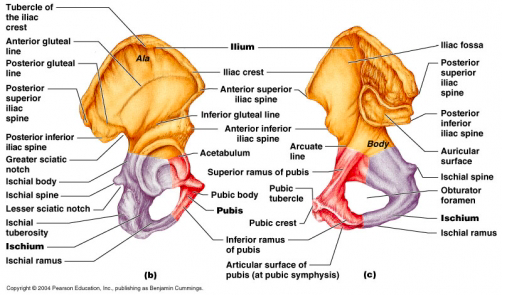
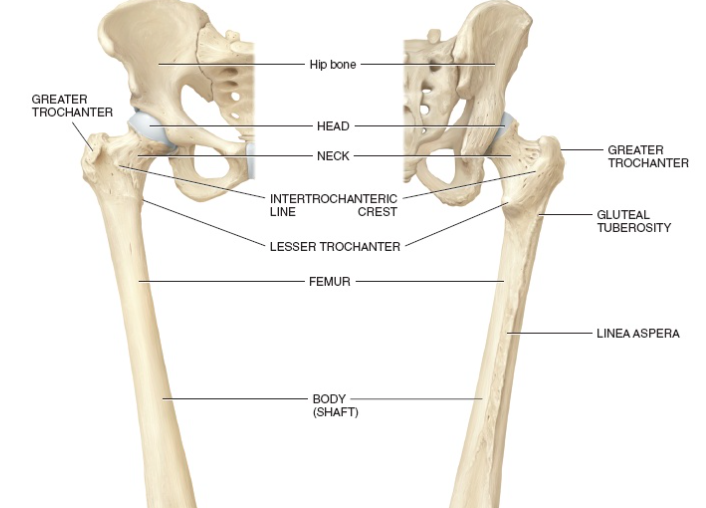
- hip bone
- femour
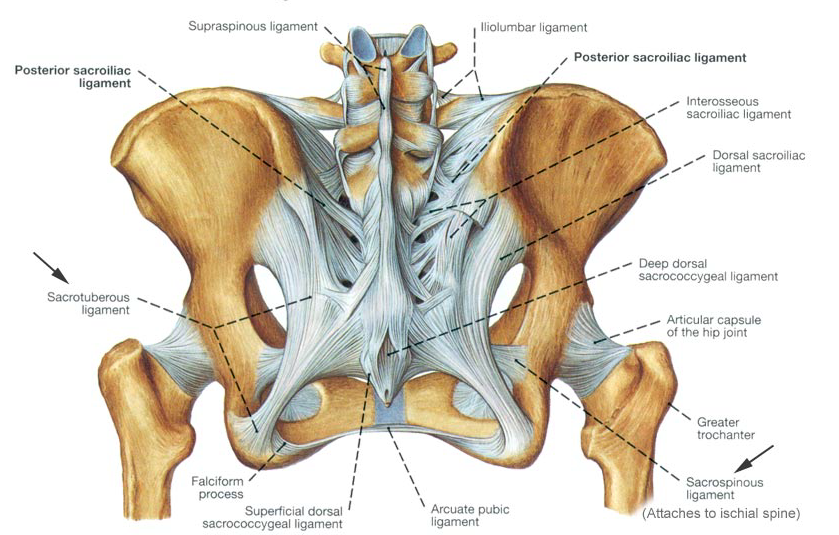
- Ligaments of Hip Bone
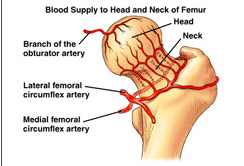
- Blood Supply to the head and neck of femur
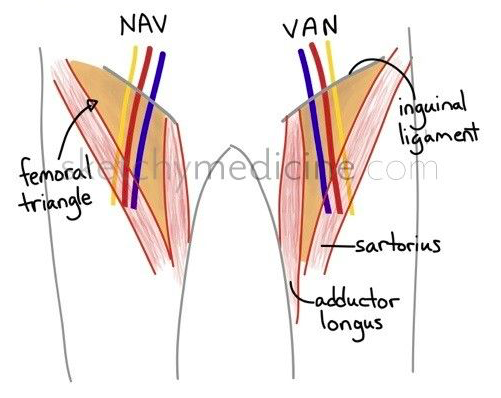
- Femoral Triangle Region
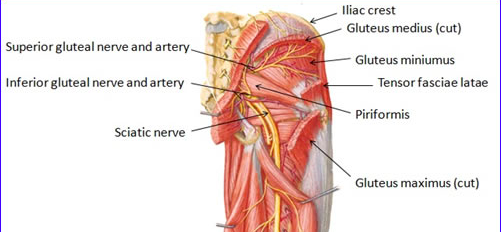
- Gluteal Region
- hip bone
Medienanhänge
Möchten Sie kostenlos Ihre eigenen Mindmaps mit GoConqr erstellen? Mehr erfahren.