
8271405
Beschreibung

Mindmap von Dana Alobadily, aktualisiert more than 1 year ago

|
Erstellt von Dana Alobadily
vor mehr als 9 Jahre
|
|
Swelling in the Leg
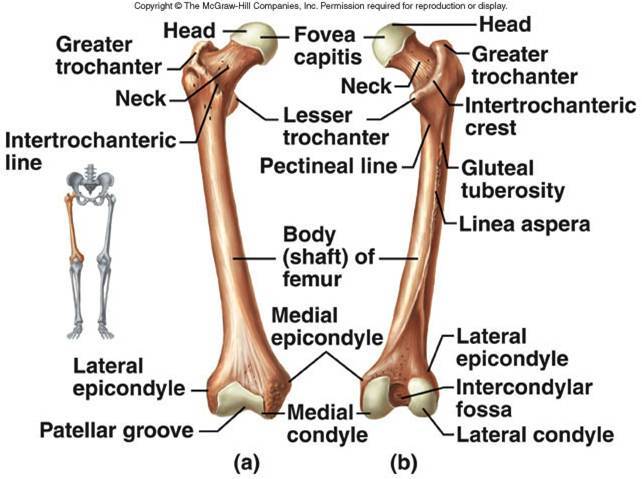
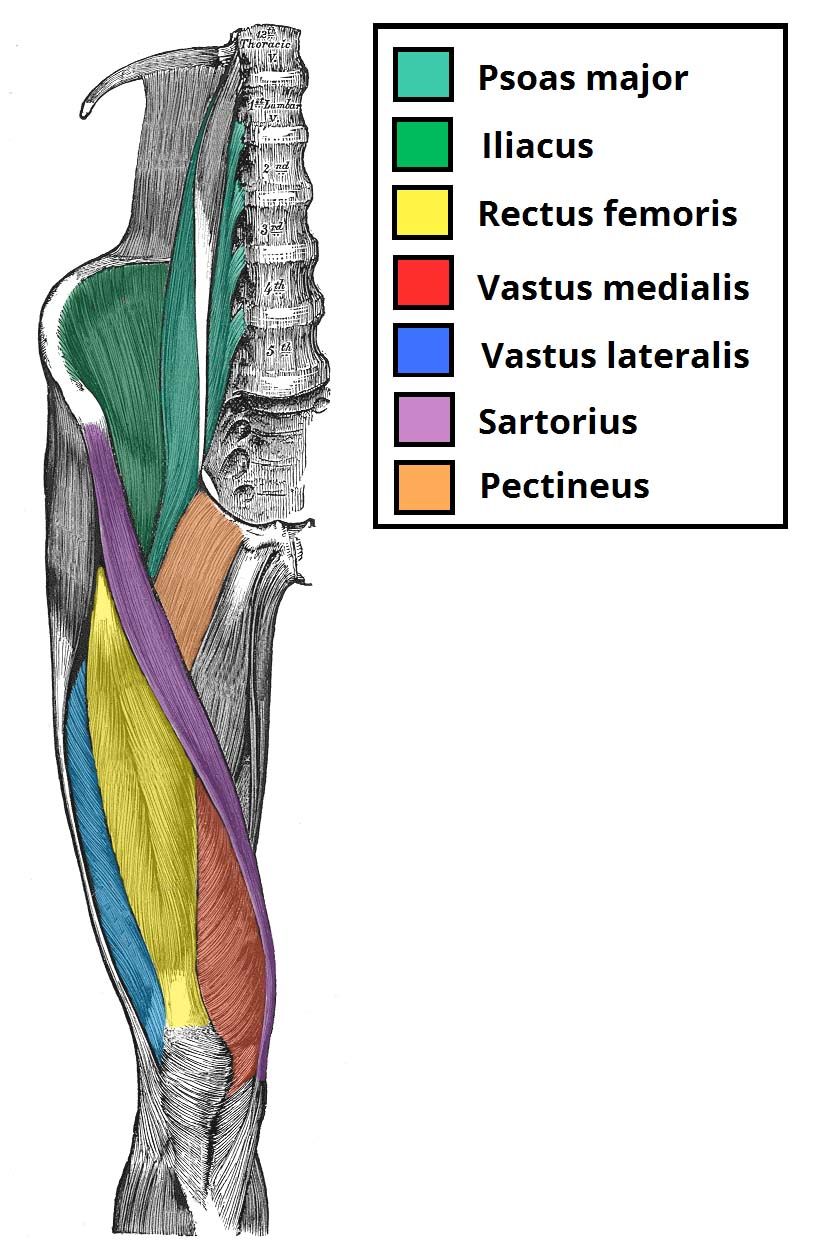
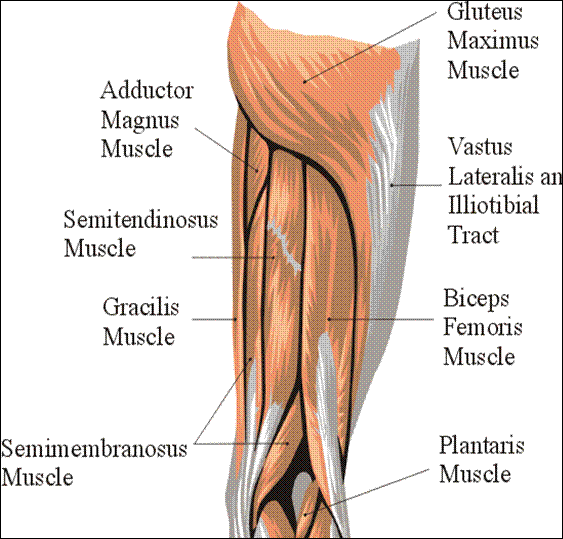
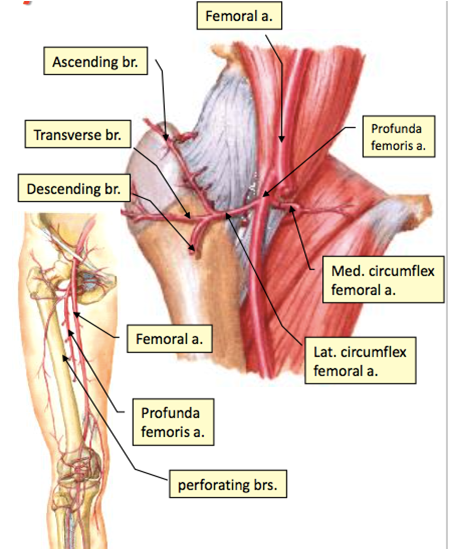
- Anatomy
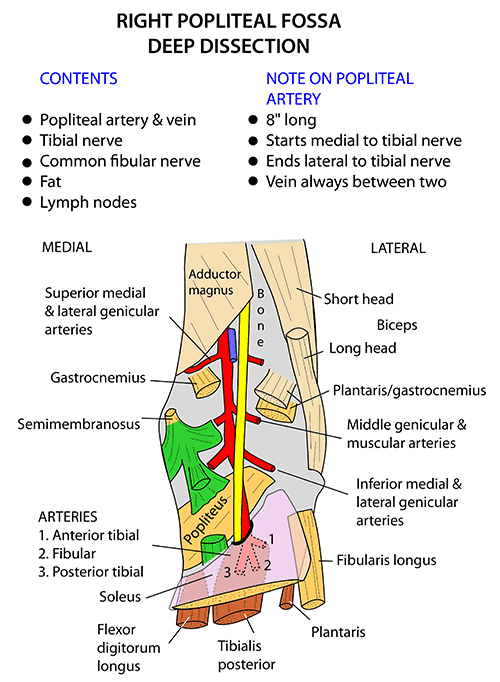
- popliteal fossa
- popliteal fossa
- possible causes of leg pain
- 1-vasculitis,2-Boil,3-diabetic muscle
infraction,4-Superficial thrombophlebitis
5-Tumors (bone tumors)
- 1-vasculitis,2-Boil,3-diabetic muscle
infraction,4-Superficial thrombophlebitis
5-Tumors (bone tumors)
- Tumors
- Bone Tumor
- Physical Examination
- -Gait -Observe: mass, swelling, deformity
-Palpate: warm, cold, fluctuant, tender
-AROM/PROM -NV exam -Lymph node exam
(groin, axilla, neck) -Abdominal exam for masses
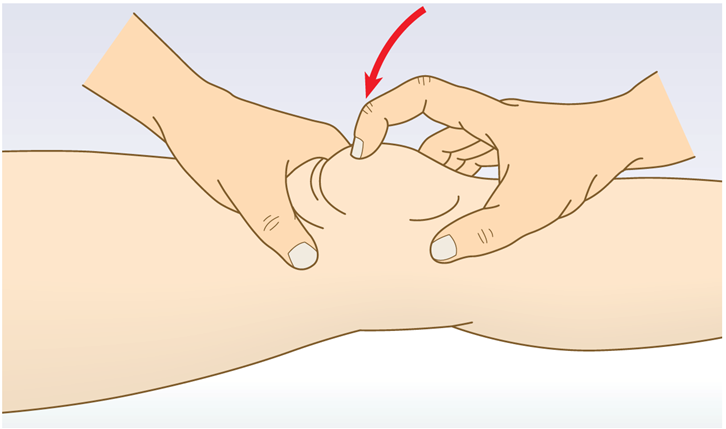
- for the knee:
- 1-Inspect.
2-Palpate.
3-Move.
4-Special Test
- 1-Inspect.
2-Palpate.
3-Move.
4-Special Test
- -Gait -Observe: mass, swelling, deformity
-Palpate: warm, cold, fluctuant, tender
-AROM/PROM -NV exam -Lymph node exam
(groin, axilla, neck) -Abdominal exam for masses
- Investigations:
- WBC:Helps to diagnose inflammation
or infection
- Hemoglobin Test:Cancer can result in
Anemia which can be detected through
hemoglobin test
- The Erythrocyte Sedimentation Rate: Inflammation is
associated with cancer
- -Evaluate bone pain or tenderness -Investigate an abnormality seen on X-ray
-Find out if a bone tumor is cancer (malignant) or not cancer (benign) -Find the
cause of an unexplained infection or inflammation
- WBC:Helps to diagnose inflammation
or infection
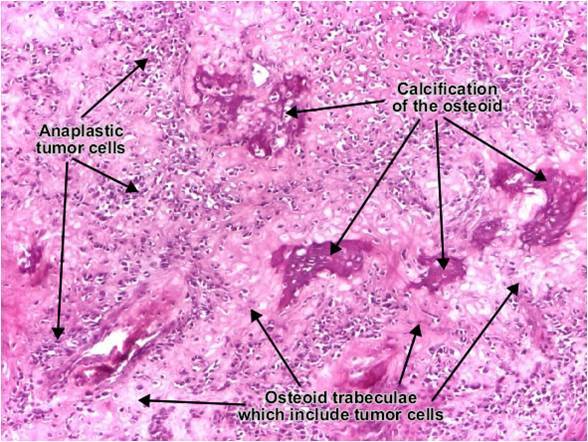
- Osteosarcoma
- Malignant tumor of mesenchymal cells characterized
by direct formation of osteoid or bone matrix by the
tumor cells
- Primary osteosarcoma
-Children -Males
-Metaphyses of long bones
- Secondary osteosarcoma
-Elderly> 40 -Flat bones
-Pre-existing bone lesions
- Risk Factor
- -Age -Height -Gender
-Race/ethnicity- Radiation to
bones -Genetic predisposition-
Trauma
- -Age -Height -Gender
-Race/ethnicity- Radiation to
bones -Genetic predisposition-
Trauma
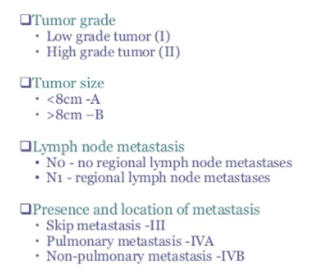
- stages
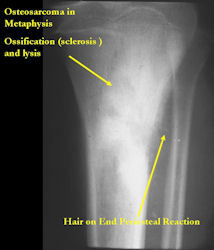
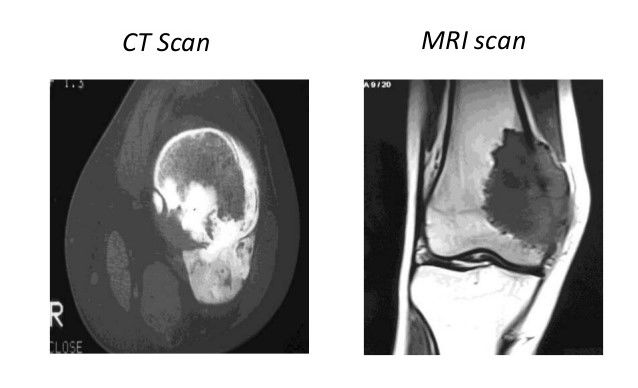
- Radiology
- X-Ray
- X-Ray
- Management
- Chemotherapy(doxorubicin, ifosfamide,
cisplatin, and high-dose methotrexate with
leucovorin rescue.)
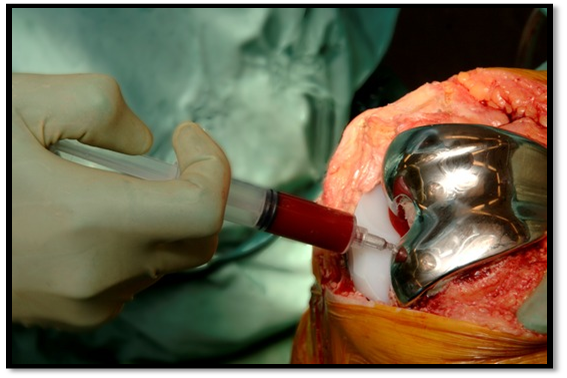
- Surgery & Ampitation
- Chemotherapy(doxorubicin, ifosfamide,
cisplatin, and high-dose methotrexate with
leucovorin rescue.)
- Complications
- -Metastasis -Chemotherapy side
effects -Movement Problems
- -Metastasis -Chemotherapy side
effects -Movement Problems
- Malignant tumor of mesenchymal cells characterized
by direct formation of osteoid or bone matrix by the
tumor cells
- Physical Examination
- Bone Tumor
Medienanhänge
Möchten Sie kostenlos Ihre eigenen Mindmaps mit GoConqr erstellen? Mehr erfahren.