
985494

Section 2- Electricity
- Static Electricity
- Conductors= materials which allow the flow of electric charge (metals)
- Insulators= materials which do not allow the flow of electric charge (plastic)
- Insulators= materials which do not allow the flow of electric charge (plastic)
- Static electricity is the build up of electric charge
through friction. It is 'static' because the charge is
unable to move
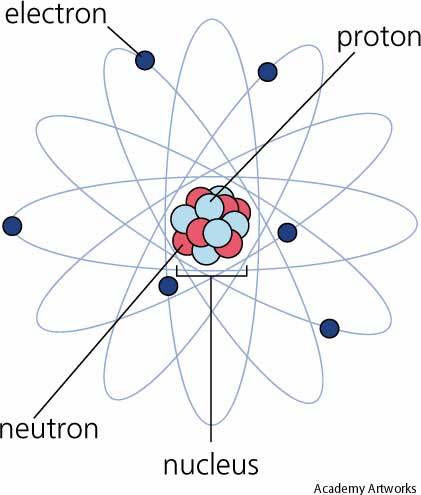
- The Atom:
- ELECTRONS MOVE, PROTONS DON'T MOVE!
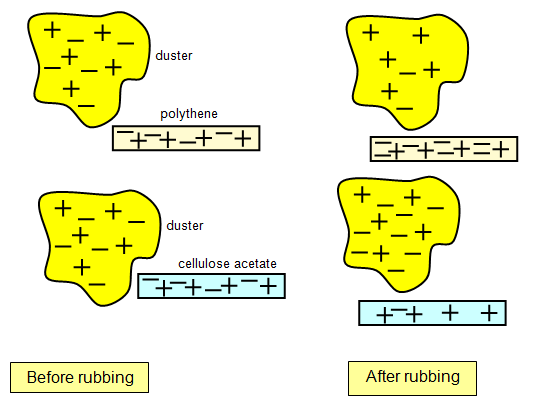
- When two INSULATING materials are
rubbed together, electrons will be taken
off one and MOVE to the other
- This will leave a POSITIVE electrostatic
charge on one and a NEGATIVE
electrostatic charge on the other
- With the POLYTHENE ROD electrons move from the duster
to the rod, therfore the ROD becomes NEGATIVELY
CHARGED and the DUSTER is left POSITIVELY CHARGED.
- With the ACETATE ROD electrons move from the rod to the
duster, therfore the DUSTER becomes NEGATIVELY CHARGED
and the ROD becomes POSITIVELY CHARGED
- With the POLYTHENE ROD electrons move from the duster
to the rod, therfore the ROD becomes NEGATIVELY
CHARGED and the DUSTER is left POSITIVELY CHARGED.
- This will leave a POSITIVE electrostatic
charge on one and a NEGATIVE
electrostatic charge on the other
- Experiments
- Gold-Leaf Electroscope
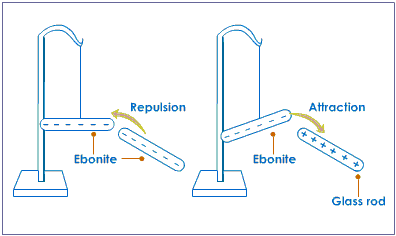
- Suspending a charged rod
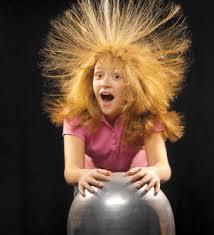
- Van de Graaff Generator
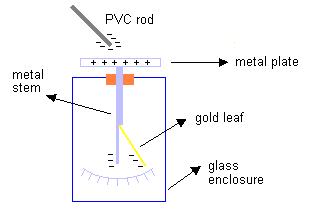
- Gold-Leaf Electroscope
- Conductors= materials which allow the flow of electric charge (metals)
- Charge, voltage and energy change
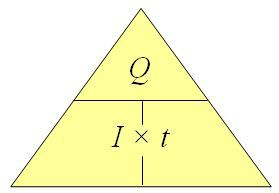
- Charge through a circuit depends on CURRENT and TIME
- Charge = Current x Time
- Charge= Coulombs (C)
- Charge = Current x Time
- VOLTAGE is the ENERGY TRANSFERRED per UNIT OF CHARGE PASSED
- ONE VOLT is ONE JOULE per COULOMB
- ONE VOLT is ONE JOULE per COULOMB
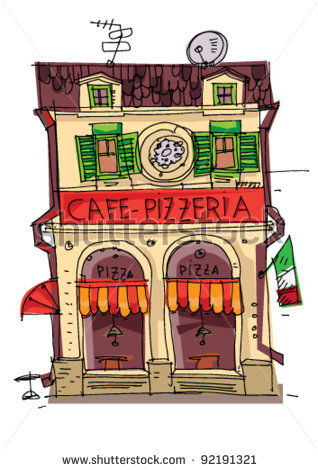
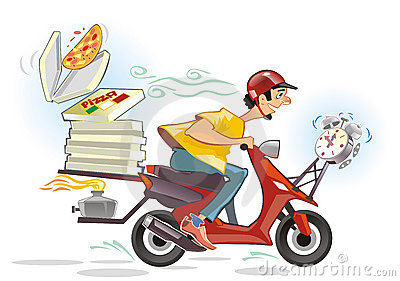
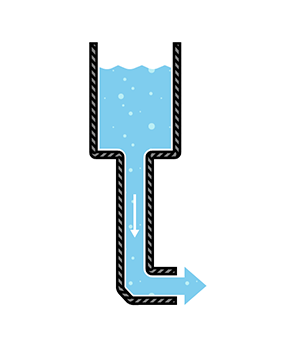
- Batteries provide energy but also push the charge around a
circuit. The charge carries the energy. Thgis is represented by
the pizza model.
- Pizzeria= Battery
Party= Lamp
Pizza= Energy
Delivery Man=
Charge
- Pizzeria= Battery
Party= Lamp
Pizza= Energy
Delivery Man=
Charge
- Charge through a circuit depends on CURRENT and TIME
- Series and Parallel Circuits
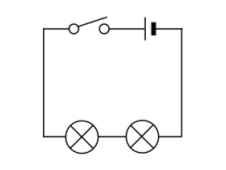
- Series Circuit
- All components connected in one
loop, if one component in removed
the circuit breaks and stops
working
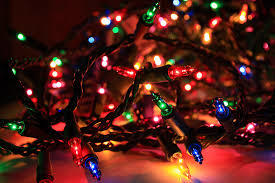
- Christmas tree lights are often only
series circuits
- All components connected in one
loop, if one component in removed
the circuit breaks and stops
working
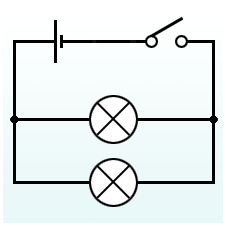
- Parallel Circuit
- Our houses are often
wired up with parallel
circuits
- Each component is separately connected to the
energy supply. If one component is disconnected it
shouldn't disrupt the rest of the circuit.
- Our houses are often
wired up with parallel
circuits
- Series Circuit
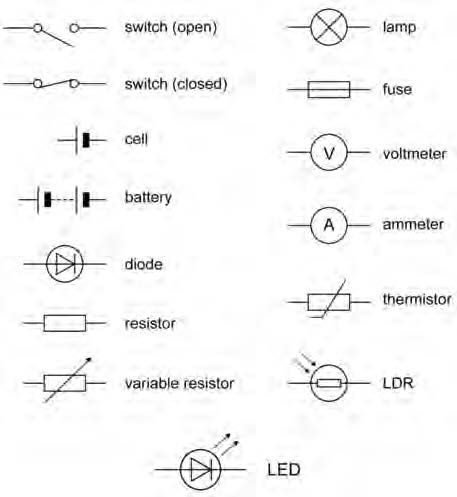
- Circuit Symbols
- Resistance
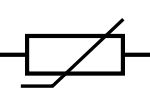
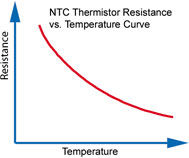
- Thermistors
- Temperature-dependent resistor
- In hot conditions the resistance decreases
- In cool conditions the resistance increases
- Temperature-dependent resistor
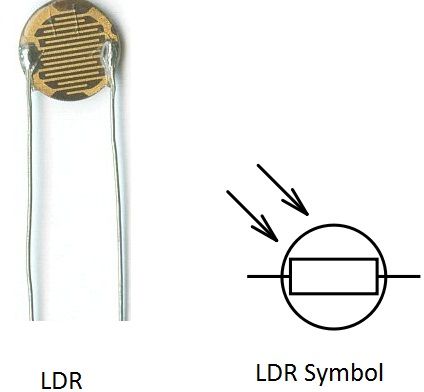
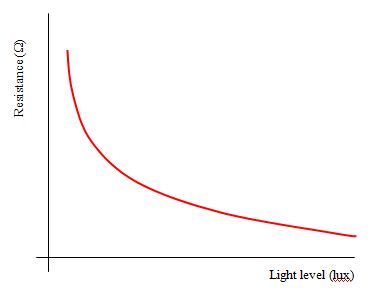
- LDR's
- Light-dependent resistor
- In bright light the resistance
decreases
- In darkness the resistance increases
- Light-dependent resistor
- Resistance changes depending on the voltage and current
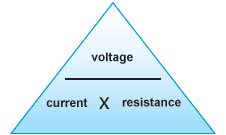
- Voltage = Current x Resistance
- Voltage = Current x Resistance
- Thermistors
- Basic Circuits
- Current= the flow of charge round the circuit. Current
will only flow through a componant if there is a voltage
across it. (A)
- Voltage= the driving force that pushes the
current round. (V)
- Resistance= anything in the circuit which slows the
flow down. More componants= more resistance.
(Ohms)
- If you increase the voltage, more current will flow.
If you increase the resistance, less current will flow.
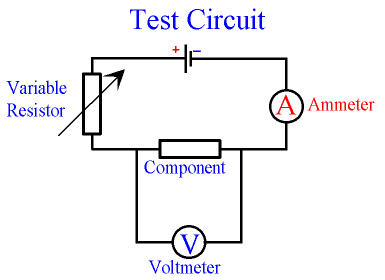
- Ammeter= measures current (A) flowing through a
componant. It must be placed in series in the circuit
- Voltmeter= measures the voltage (V) across a
componant. It must be placed in parallel around the
componant, not around the variable resistor or battery
though!
- Current= the flow of charge round the circuit. Current
will only flow through a componant if there is a voltage
across it. (A)
- Energy and power in circuits
- Electrical power is the rate
at which an appliance
transfers energy
- High power rating=high energy transfer in short time
- Large current
- Large current
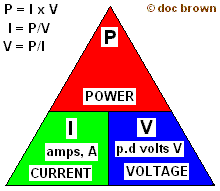
- Electrical Power = Current x Voltage
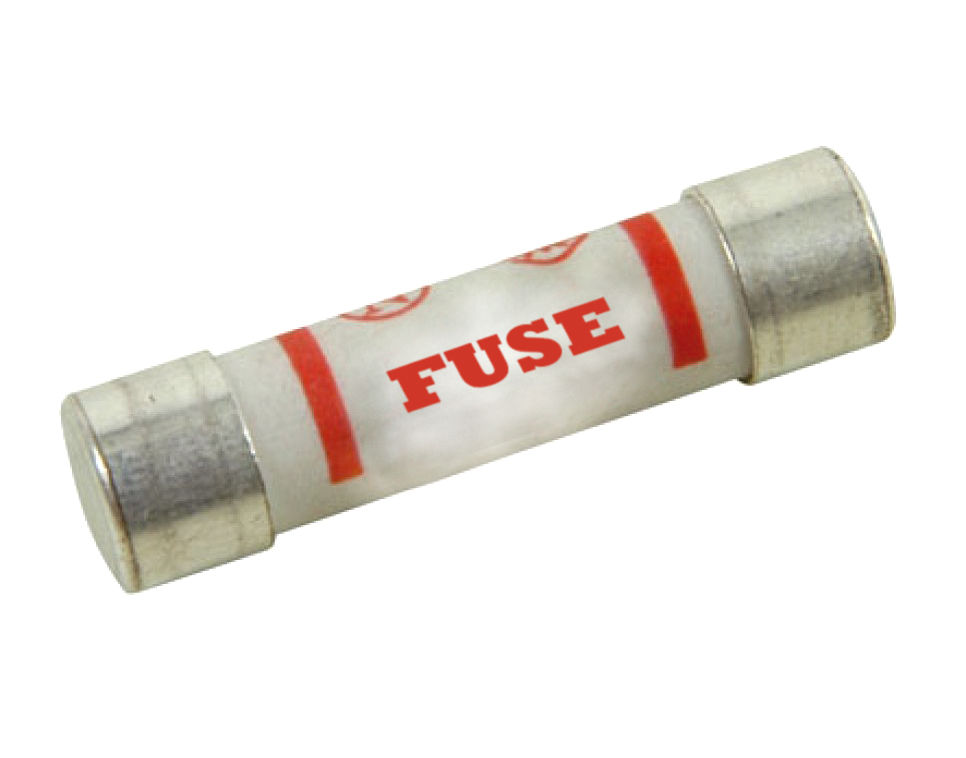
- Appliances show their power
and voltage ratings, so do fuses
- High power rating=high energy transfer in short time
- Electrical appliances transfer electrical energy
- When current flows through a componant,
energy is transferred
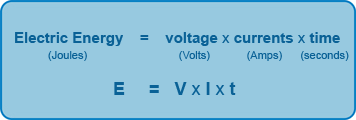
- Energy Transferred= Current x Voltage x Time
- When current flows through a componant,
energy is transferred
- Electrical power is the rate
at which an appliance
transfers energy
- Fuses and Circuit breakers
- Earth Wires
- If a fault develops in the circuit and the appliance has metal casing (e.g. toaster)
then the electrons may want to jump onto the metal and up your arm giving you a
shock. However the earth wire stops this happening because the electrons go
down that as it is a more direct route in their circuit.
- Usually has no current,
purely for safety uses
- If a fault develops in the circuit and the appliance has metal casing (e.g. toaster)
then the electrons may want to jump onto the metal and up your arm giving you a
shock. However the earth wire stops this happening because the electrons go
down that as it is a more direct route in their circuit.
- Fuses
- When a fault occurs and the earth wire comes into use, there will
be a large surge of current run through the fuse which will melt at
a certain point and so cut off the appliance from the live wires
making it safer
- When a fault occurs and the earth wire comes into use, there will
be a large surge of current run through the fuse which will melt at
a certain point and so cut off the appliance from the live wires
making it safer
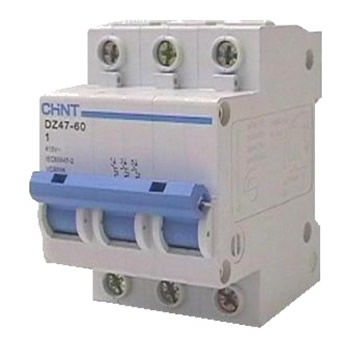
- Circuit Breakers
- Electrical safety device used in some circuits, like a fuse they
protect the circuit from damage if too much current flows
through it.
- They do not melt like fuses, they break the circuit
by opening a switch when a current surge is
detected
- Electrical safety device used in some circuits, like a fuse they
protect the circuit from damage if too much current flows
through it.
- Earth Wires
- Journey of Electricity + Safe Plugs
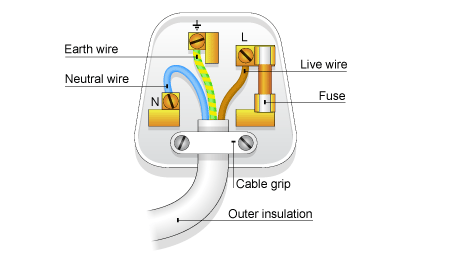
- Wires in the UK
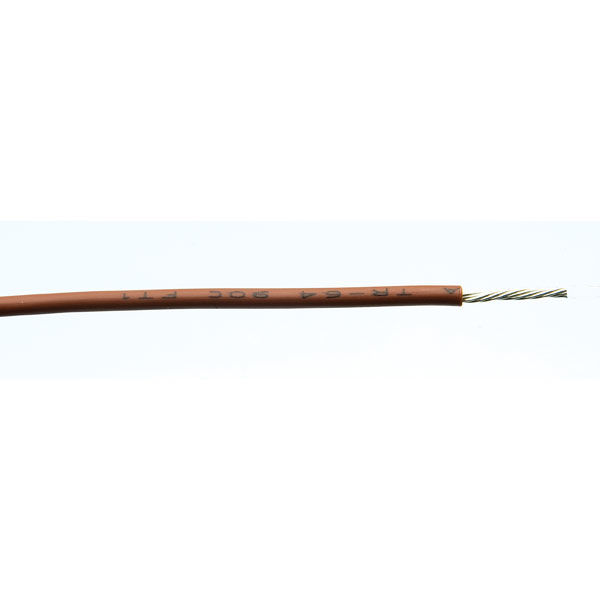
- Live Wire= Electrical current flows down this
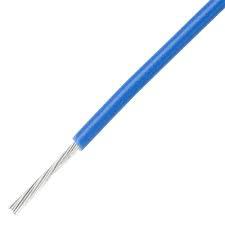
- Neutral Wire= Completes the circuit
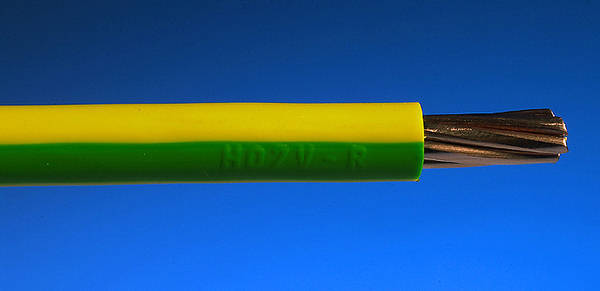
- Earth Wire= Usually no current, for safety purposes
- Live Wire= Electrical current flows down this
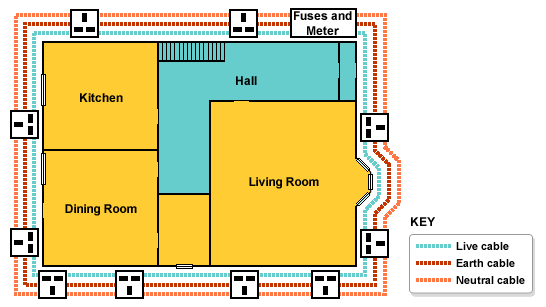
- 1. Elecricity for your home comes from the MAINS SUPPLY
- 2. Electricity enters your home via an UNDERGROUND CABLE
- 3. Electricity flows through the ELECTRICITY METER
- 4. Electricity flows through a CONSUMER UNIT or FUSE BOX
- 5. Electricity flows into the RING MAIN CIRCUIT
- 5. Electricity flows into the RING MAIN CIRCUIT
- 4. Electricity flows through a CONSUMER UNIT or FUSE BOX
- 3. Electricity flows through the ELECTRICITY METER
- 2. Electricity enters your home via an UNDERGROUND CABLE
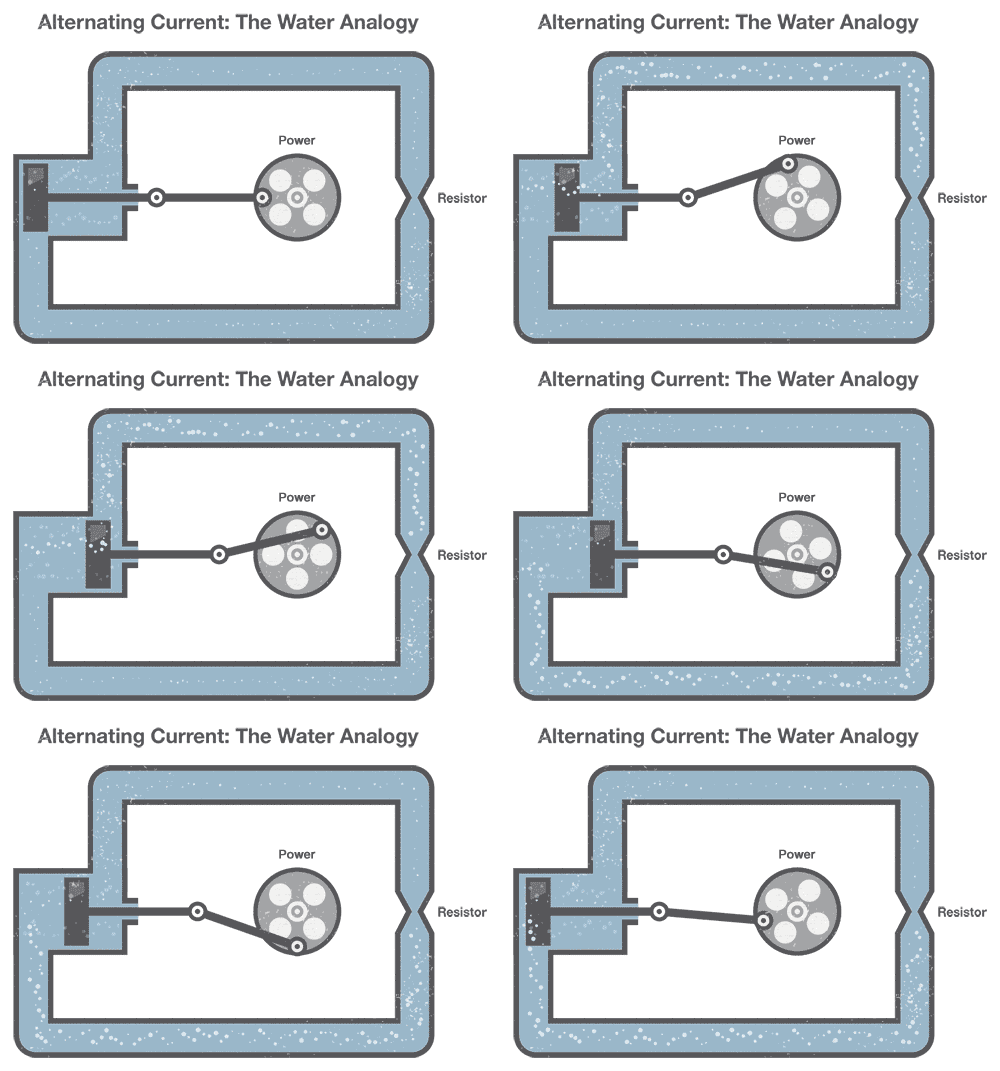
- Direct Current (batteries)
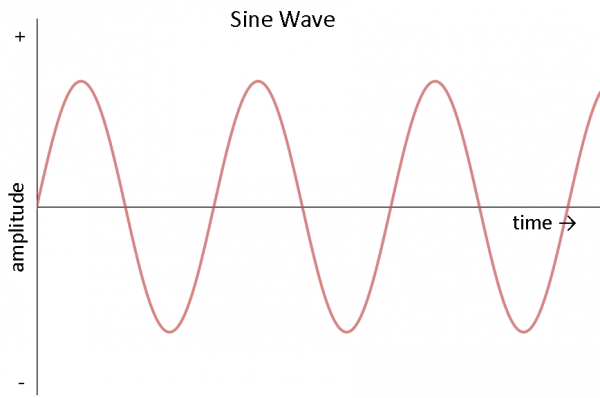
- Alternating Current (Mains
supply) 230V 50Hz- changes
direction 50 times a second
- Wires in the UK
Medienanhänge


Möchten Sie kostenlos Ihre eigenen Mindmaps mit GoConqr erstellen? Mehr erfahren.