
Quiz
Python knoledge
Dieses Quiz enthält Fragetypen, die sich im gewohnten Player öffnen.
Fragen in diesem Quiz (9)
1Python was created by:
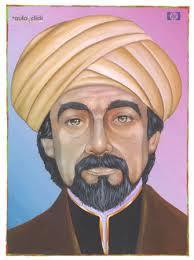
- AMahoma
- BGuido Van Rossum

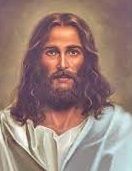
- CJesús de Nazareth
- DAlá Orden

- AMahoma
2Which of the following expressions mutate, i.e., change, list my_list?
- Amy_list.reverse()
- Bmy_list.extend([10, 20])
- Cmy_list + [10, 20]
- Dmy_list.append(10)
- Eanother_list.extend(my_list)
3Every class definition should include an initializer method. Is _init_ that method?
- ARichtig
- BFalsch
4We can loop over strings, too!
The following incomplete function is a simple, but inefficient, way to reverse a string. What line of code needs to replace the questions marks for the code to work correctly?
def reverse_string(s):
"""Returns the reversal of the given string."""
[blank_start]result[blank_end] = ""
for char in s:
result = char + result
return result
print reverse_string("hello")
- Aresult - return
5Imagine a game on a map. At the beginning, we might want to randomly assign each player a starting point. Which of the following expressions may we use in place of the question marks to correctly implement this functionality?
import random
def random_point():
"""Returns a random point on a 100x100 grid."""
return (random.randrange(100), random.randrange(100))
def starting_points(players):
"""Returns a list of random points, one for each player."""
points = []
for player in players:
point = random_point()
[blank_start]points.append(point)[blank_end]
return points- Apoints + point
- Bpoints.extend(point)
- Cpoint.append(points)
- Dpoints.append(point)
- Epoints += point
6The following function is supposed to check whether the given list of numbers is in ascending order. For example, we want is_ascending([2, 6, 9, 12, 400]) to return True, while is_ascending([4, 8, 2, 13]) should return False.
def is_ascending(numbers):
"""Returns whether the given list of numbers is in ascending order."""
for i in [blank_start]range(len(numbers)[blank_end]):
if numbers[i+1] < numbers[i]:
[blank_start]return False[blank_end]
return True
However, the function doesn't quite work. Try it on the suggested tests to verify this for yourself. The easiest fix is to make a small change to the highlighted code. What should it be replaced with?- Arange(len(numbers)
- Brange(len(numbers - 1))
- Crange(1, len(numbers))
- Drange(len(numbers)) - 1
- Ereturn False
- Freturn false
- Greturn true
- Hreturn True
7Is the logo of...
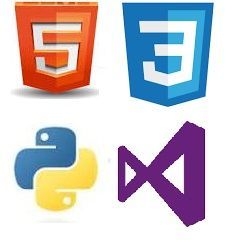
- APython
8Is logo of...
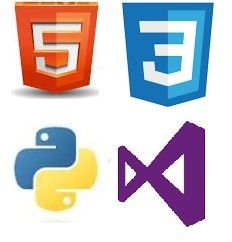
- AHtml 5
- BVisual Studio
- CCSS 3
- DPython
9Is the logo of...
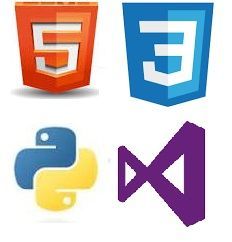
- ACSS 3
- BPython
- CVisual Studio
- DHtml 5
Informationen
- Beschreibung
- Only a test about Python language
- Autor
- Alejandro Arboleda
- Sprache
- Español
- Aufrufe
- 131
- Schlagwörter
- Bewertung
- 1,0 von 5 · 1 Bewertung Bewerte dieses Quiz