
28930094
Beschreibung

Karteikarten von Lourdes Khalil, aktualisiert more than 1 year ago

|
Erstellt von Lourdes Khalil
vor mehr als 5 Jahre
|
|
| Frage | Antworten |
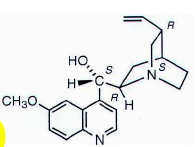
| -quinidine -class IA antiarrhythmic -Alkaloid from Cinchona bark -quinoline & quinuclidine -> Basic properties -Used in water soluble salts -partial hepatic metabolism → active metabolites: O-demethylquinidine & oxydihydroquinidine -SE: GI disturbances: nausea, vomiting, diarrhea+ Polygalacturonate salt causes less GI disturbances +inhibits renal excretion of digoxin +anticholinergic activity+ negative inotropic activity + peripheral α–adrenergic antagonist | |
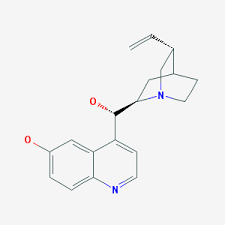
| -O-demethylquinidine -active metabolite of quinidine - CH3 was removed from OCH3 | |
|
Image:
Oxydih (binary/octet-stream)
|
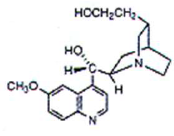
-oxydihydroquinidine -active metabolite of quinidine -double bond reduction + hydroxylation |
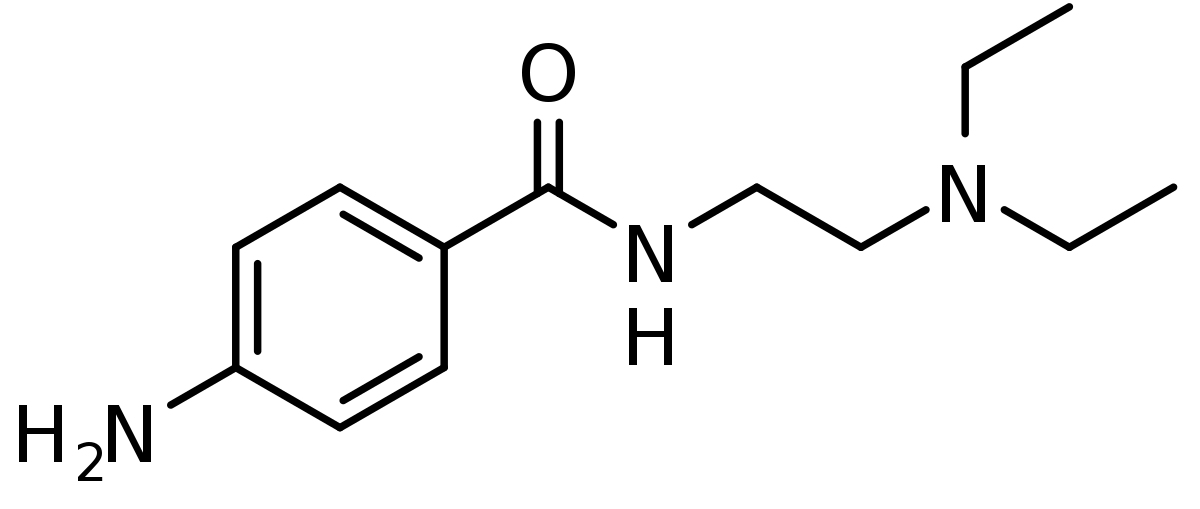
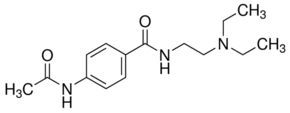
| -Procainamide -class IA antiarrhythmic -from procaine -Well absorbed from GI (70-80% bioavailability) -Metabolized in the liver +to unchanged renal excretion (50%) -metabolites: N-acetylprocainamide (active) + p-aminobenzoic acid -major SE: lupus syndrome | |
| -N-acetylprocainamide -active metabolite of procainamide -acetyl on N -> NHCOCH3 instead of NH2 | |
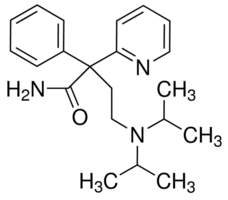
| -Disopyramide -class IA antiarrhythmic -orally active -available as phosphate salt -Rapidly and highly absorbed from GI -50% metabolized in the liver → N-dealkylation (active) -50% undergo unchanged renal excretion -SE: pronounced anticholinergic effects | |
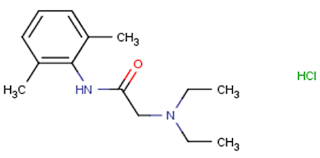
| -lidocaine -class IB antiarrhythmic -local anesthetic -extensive 1st pass metabolism -> not given orally -N-dealkylation -> active metabolite+ cause CNS effects: monoethylxylidine (bi rou7 one C2H5)+ glycine xylidide (-2 C2H5) -SE: Emesis and convulsion | |
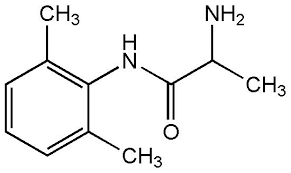
| -Tocainide -class IB antiarrhythmic -local anesthetic -alpha-methyl analog of lidocaine metabolite (glycine xylidide) -same effects as lidocaine but orally active with excellent absorption -SE: GI disturbances & CNS effects | |
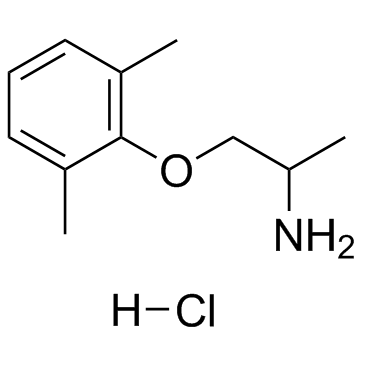
| -Mexiletine -class IB antiarrhythmic -Xylyloxy & ethylamine derivative -ether →hydrolysis -Similar electrophysical to lidocaine and tocainide -Effective when given orally or IV -renal and hepatic elimination -p-hydroxylation & hydroxymethylation -> both inactive | |
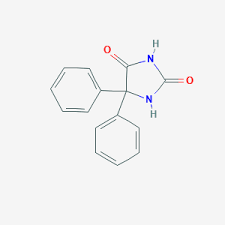
| -phenytoin -class IB antiarrhythmic -Anticonvulsant -anti epileptics -orally active -Also available for IV use -Metabolized via p-hydroxylation→ inactive metabolite | |
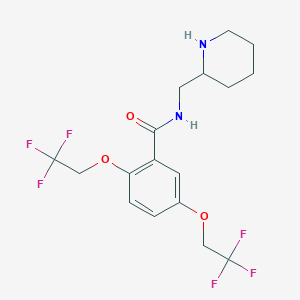
| -Flecainide -class IC antiarrhythmic -Fluorinated benzamide derivative -Good oral absorption -50% metabolized in the liver -Metabolized to meta-O-dealkylation → active metabolite -SE: occasional aggravation of existing arrhythmias, blurred vision, headache, nausea, GI disturbances | |
|
Image:
Prop (binary/octet-stream)
|
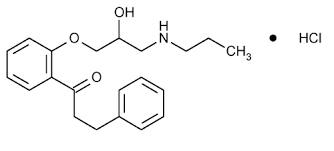
-Propafenone -class IC antiarrhythmic -possess local anesthetic -administered oral & IV -rapid & almost completely absorbed from the GI tract -hepatic metabolism by CYP2D6 enzymes. -Its metabolism varies among individuals depending on CYP2D6 polymorphism |
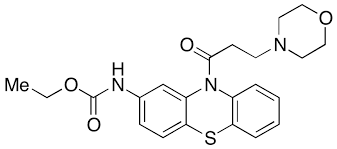
| -Moricizine -class IC antiarrhythmic -phenothiazine analogue with no dopamine activity -short t½ after oral administration -long antiarrhythmic effects -> some of its metabolites may be active. | |
| class II antiarrhythmic | -beta blockers -decrease the slope of phase 4 -decrease rate of firing of SA node -one ex is propranolol which is non selective |
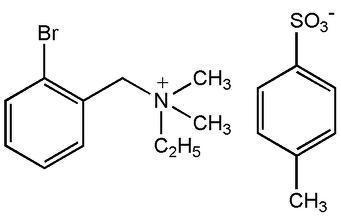
| -bretylium tosylate -class III antiarrhythmic -non receptor adrenergic antagonist: adrenergic neuronal blocking agent -causes a massive release of NE first then blocks its release completely -used in life threatening cases of ventricular arrhythmia -antihyoertensive | |
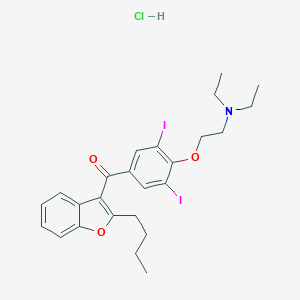
| -Amiodarone -class III antiarrhythmic -Benzofuran derivative -Similar structure to thyroxine -Developed as coronary vasodilator reserved for life threatening ventricular arrhythmias -very long t ½ 25 days -Iodine containing agent → affect thyroid hormone activity (11 % of patients) -has properties of class I II IV -> blocks Na+, beta blocker, Ca2+ and K+ => really powerful drug | |
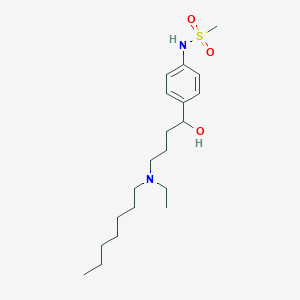
| -Ibutilide -Class III antiarrhythmic -methanesulfonanilide derivative or aryl methane sulfonamide -has anilide moiety -lacks any b-adrenergic blocking activity -extensive 1st pass metabolism →IV infusion as its fumarate salt | |
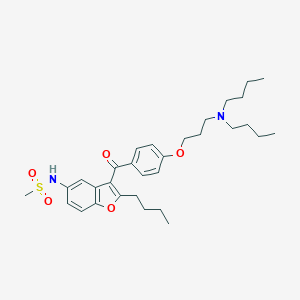
| -Dronedarone -class III antiarrhythmic -Benzufuran derivative -non-iodinated derivative of amiodarone-> no thyroid toxicity -N,N-dibutyl instead of diethyl -methylsulfonamide group->reduced lipophilicity thus less neurotoxicity -has properties of class I II III IV -Orally active &metabolized by CYP3A4 thru N-debutylation-> active metabolite -84% of dose undergoes fecal elimination as parent or active metabolite -Black box warning due to heart failure side effects-> not first choice | |
|
Image:
Dof (binary/octet-stream)
|
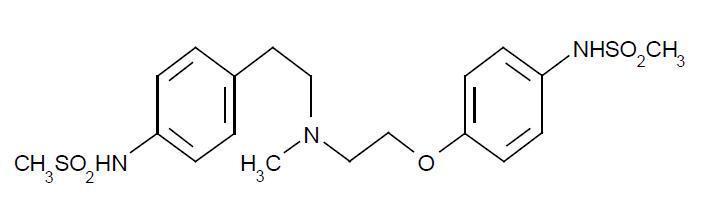
-Dofetilide -Class III antiarrhythmic -bis-methanesulfonanilide derivative -more potent and selective than other classIII methanesulfonanilides -well absorbed from the GI tract -60-70% protein bound -metabolized by the hepatic CYP3A4 enzyme via N-dealkylation &N-oxidation to inactive/almost inactive metabolites -Approx. 80% undergoes unchanged renal excretion |
| class IV antiarrhythmic | CCBs: -verapamil -diltiazem (structure seen in CA 1,2) -they slow phase 4 -they slow firing of SA node and conduction thru AV node |
| RAS antagonists | -renin inhibitors -ACEI (A II synthesis inhibitors) -ARBs (A II receptor blockers) |
| renin inhibitors | -Peptide type: Teprotide (has a drawback: can't be given orally) -Non-peptide type: enalkiren zankiren aliskiren aliskiren being the only one used |
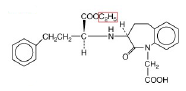
| -Benazepril -ACEI -dicarboxylate containing compound -prodrug that needs hydrolysis -> benazeprilat (active) -amphoteric -good lipid solubility -DOA= 24H -renal elimination | |
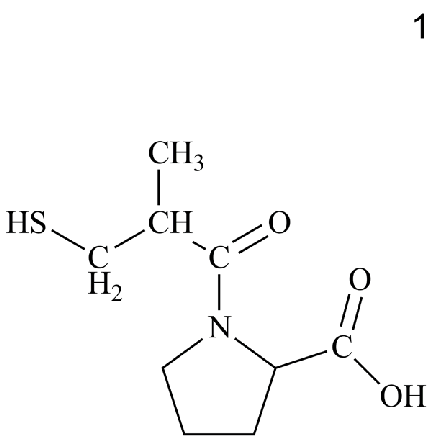
| -Captopril -ACEI -sulfhydryl containing compound -> taste disturbance -active as such -acidic -bad lipid solubility (logP= 0.27) -metabolites: disulfide dimer (2 captopril linked by disulfide) + captopril-cysteine disulfide both inactive -DOA<24h -renal elimination | |
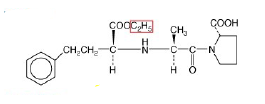
| -enalapril -ACEI -dicarboxylate containing compound -Prodrug needs hydrolysis -> enalaprilat (active) -amphoteric -good lipid solubility -DOA= 24H -renal elimination | |
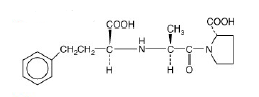
| -enalaprilat -ACEI -dicarboxylate containing compound -active as such -metabolite of enalapril -only metabolite used commercially -bad lipid solubility (logP= 1.5) -only one given IV -DOA<24 h -renal elimination | |
|
Image:
Fosi (binary/octet-stream)
|
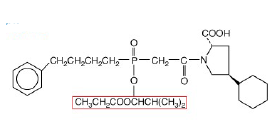
-fosinopril -ACEI -phosphonate containing compound -prodrug needs hydrolysis -> fosinoprilat (active) -acidic -good lipid solubility -DOA= 24H |
|
Image:
Liso (binary/octet-stream)
|
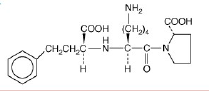
-lisinopril -ACEI -dicarboxylate containing compound -active as such -amphoteric -bad lipid solubility (logP= 1.18) -DOA= 24H -renal elimination |
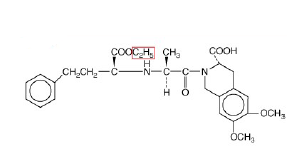
| -moexipril -ACEI -dicarboxylate containing compound -prodrug needs hydrolysis -> moexiprilat (active) -amphoteric -good lipid solubility -DOA= 24H -renal elimination | |
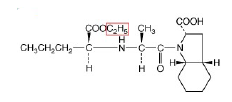
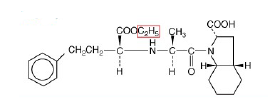
| -perindopril -ACEI -dicarboxylate containing compound -prodrug -> needs hydrolysis -> perindoprilat (active) -amphoteric -good lipid solubility -DOA= 24H -renal elimination | |
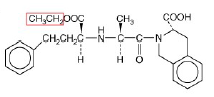
| -Quinapril -ACEI -dicarboxylate containing compound -Prodrug needs hydrolysis -> quinaprilat (active) -amphoteric -good lipid solubility -DOA= 24H -renal elimination | |
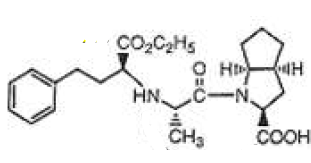
| -ramipril -ACEI -dicarboxylate containing compound -prodrug needs hydrolysis -> ramaprilat (active) -amphoteric -good lipid solubility -DOA= 24H -renal elimination | |
| -trandolapril -ACEI -dicarboxylate containing compound -prodrug needs hydrolysis -> trandolaprilat (active) -amphoteric -good lipid solubility -DOA= 24H -renal elimination | |
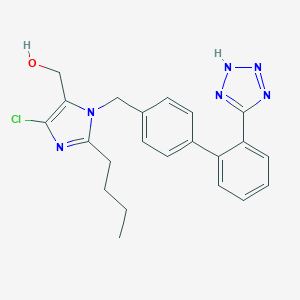
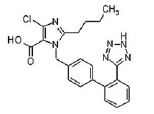
| -Losartan -ARBs -gives active metabolite (EXP3174) by CYP2C9 and CYP3A4 -orally active -fecal elimination -competitive receptor A- | |
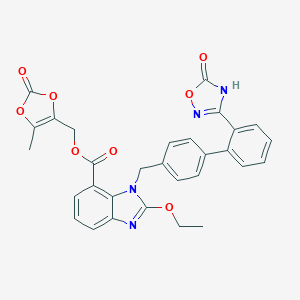
| -azilsartan medoxomil -ARBs -prodrug -orally active -fecal elimination -competitive receptor A- | |
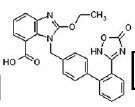
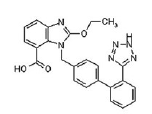
| -azilsartan -ARBs -orally active -fecal elimination -gives inactive metabolite -competitive receptor A- | |
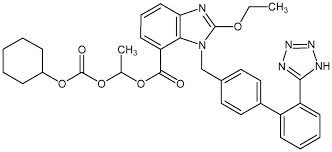
| -candesartan cilexetil -ARBs -prodrug -> active metabolite -orally active -fecal elimination -competitive receptor A- | |
| -candesartan -ARBs -orally active -fecal elimination -gives inactive metabolite -competitive receptor A- | |
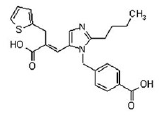
| -eprosartan -ARBs -phenyl carboxylic acid -orally active -fecal elimination -gives inactive metabolite -competitive receptor A- | |
|
Image:
Exp (binary/octet-stream)
|
-EXP3174 -ARBs -active metabolite of losartan -orally active -fecal elimination -non competitive receptor antagonist |
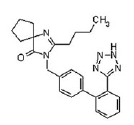
| -irbesartan -ARBs -biphenyl tetrazole -orally active -fecal elimination -competitive receptor A- | |
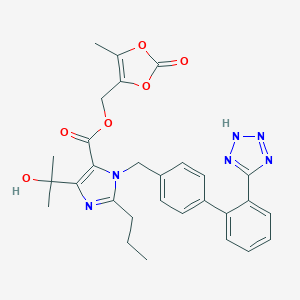
| -olmesartan medoxomil -ARBs -prodrug -orally active -fecal elimination -gives active metabolite -competitive receptor A- | |
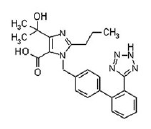
| -olmesartan -ARBs -biphenyl tetrazole -orally active -fecal elimination -gives inactive metabolite -competitive receptor A- | |
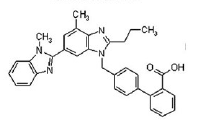
| -telmisartan -ARBs -biphenyl carboxylic acid -orally active -fecal elimination -gives inactive metabolite -competitive receptor A- | |
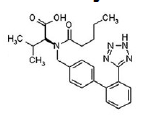
| -valsartan -ARBs -orally active -fecal elimination -gives inactive metabolite -competitive receptor A- | |
| Class IA antiarrhythmic | remember that Class I are Na+ channel blockers -Quinidine -Procainamide -Disopyramide |
| Class IB antiarrhythmic | -Lidocaine -Tocainide -Mexiletine -Phenytoin |
| Class IC antiarrhythmic | -Flecainide -Propafenone -Moricizine |
| Class III antiarrhythmic | K+ channel blockers -Bretylium Tosylate -Amiodarone -Ibutilide -Dronedarone -Dofetilide |
Möchten Sie mit GoConqr kostenlos Ihre eigenen Karteikarten erstellen? Mehr erfahren.