
30086890
Description

Flowchart by Camila Paz Noriega, updated more than 1 year ago

|
Created by Camila Paz Noriega
over 5 years ago
|
|
Flowchart nodes
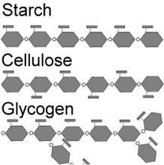
- Cellulose
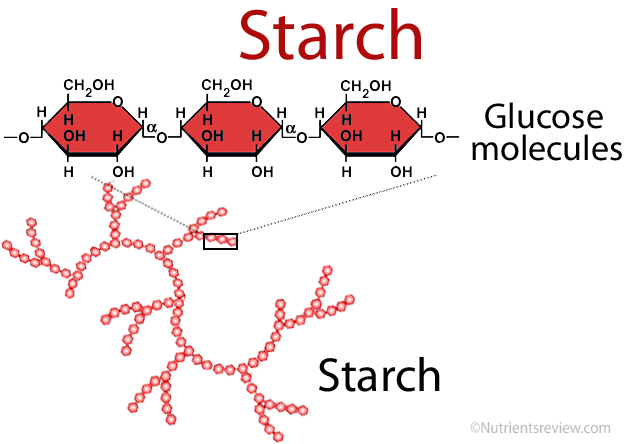
- Starch
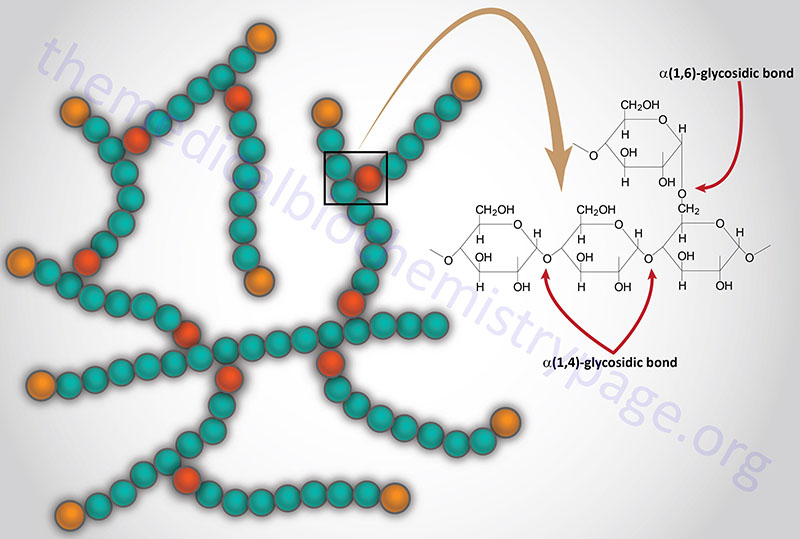
- Glycogen
- A polysaccharide that is composed of branched or unbranched chains of glucose molecules.
- This glucose molecules are used by plants as a carbohydrate storage molecule.
- An insoluble carbohydrate composed of glucose subunits.
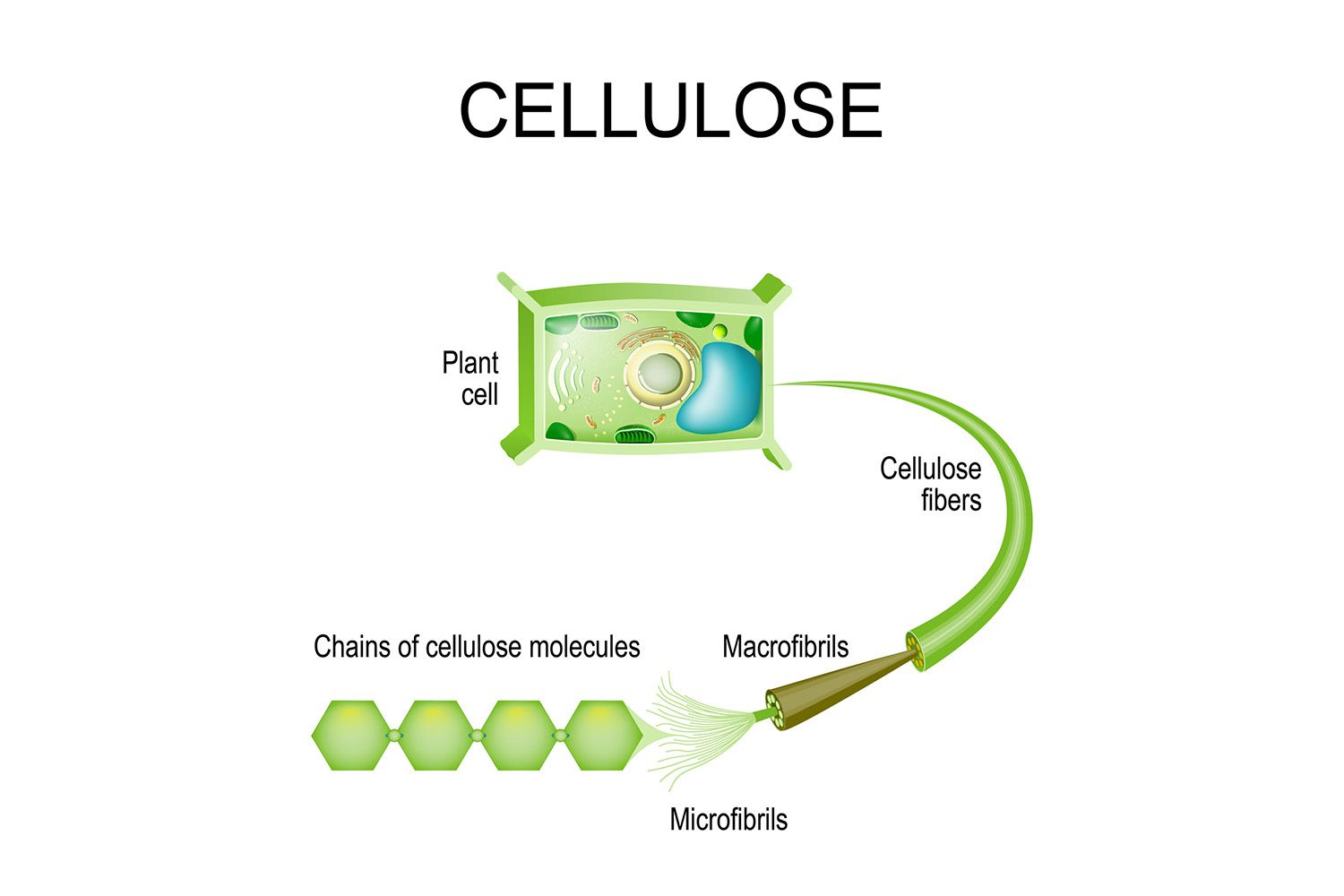
- Forming the cell wall of plants.
- A highely branched polymer of glucose that is stored by animals in the muscles and liver and metabolized as a source of energy.
- Comparative Table
- Cellulose is an organic compound belonging to the category of polysaccharides. It is a polymer made up of glucose subunits. It is found in bacterial and plant cells
- - Cellulose is the most abundant carbohydrate present in nature. - It is insoluble in water - Cellulose is a crystalline solid having a white powdery appearance - It has high tensile strength due to firm hydrogen bonds between the individual chains in cellulose microfibrils. The tensile strength of cellulose microfibrils is comparable to that of steel - The alternate arrangement of glucose molecules in cellulose also contributes to the high tensile strength of cellulose - It is soluble in organic solvents
- Bacteria: Bacteria use the same family of enzymes for cellulose synthesis as used by plants. However, the bacterial enzymes are encoded by different genes. Another hypothesis is that plants acquired the cellulose synthesis enzymes from bacteria after endosymbiosis.
- Cellulose is also synthesized by some animals called tunicates. Tunicates are invertebrate animals found in the sea. They have a hard shell that encloses the delicate body of the animal. Cellulose is found in the shell of these animals. The process of cellulose synthesis is also somehow same as in the plants and bacteria. The structure of cellulose is essentially the same.
- Starch is manufactured in the green leaves of plants from excess glucose produced during photosynthesis and serves the plant as a reserve food supply.
- Starch is stored in chloroplasts in the form of granules and in such storage organs as the roots of the cassava plant; the tuber of the potato; the stem pith of sago; and the seeds of corn, wheat, and rice. When required, starch is broken down, in the presence of certain enzymes and water, into its constituent monomer glucose units, which diffuse from the cell to nourish the plant tissues.
- Most commercial starch is made from corn, although wheat, tapioca, and potato starch are also used. Commercial starch is obtained by crushing or grinding starch-containing tubers or seeds and then mixing the pulp with water; the resulting paste is freed of its remaining impurities and then dried.
- The polysaccharide structure of glucose shows the primary storage form of glucose in the body. Glycogen is made and stored in the cells of liver and muscles that are hydrated with the four parts of water. It acts as the secondary long-term energy storage. Muscle glycogen is quickly converted into glucose by muscle cells and liver glycogen that converts into glucose for use throughout the body which includes the central nervous system.
- Function:
- Liver glycogen acts as glucose reserve that hepatocyte release when there is a need to maintain a normal blood sugar levels. There is about 40 kcal in body fluids while hepatic glycogen can provide about 600 kcal after a fasting night.
- Glucose from glycogen stores remains within the cells in skeletal and cardiac muscles and is used as an energy source from muscle work.
- Brain includes a small amount of glycogen in astrocytes. It gets accumulated during sleep and is mobilized upon walking. Glycogen reserves also assure a moderate degree of protection against hypoglycemia.
- It has a specialized role in fetal lung type II pulmonary cells. These cells start to accumulate glycogen at about 26 weeks of gestation and then synthesize pulmonary surfactant.
- Chitin
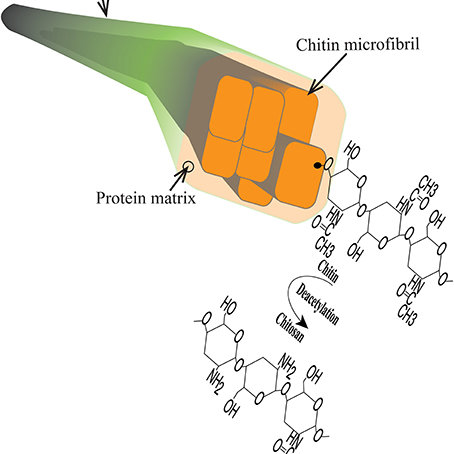
- Chitin is a large, structural polysaccharide made from chains of modified glucose. Chitin is found in the exoskeletons of insects, the cell walls of fungi, and certain hard structures in invertebrates and fish.
- In terms of abundance, chitin is second to only cellulose. In the biosphere, over 1 billion tons of chitin are synthesized each year by organisms. This extremely versatile molecule can form solid structures on its own as in insect wings, or can combine with other components like calcium carbonate to make even stronger substances like the shell of a clam.
- Like cellulose, no vertebrate animals can digest chitin on their own. Animals that eat a diet of insects often have symbiotic bacteria and protozoa which can break down the fibrous chitin into the glucose molecules that compose it. However, because chitin is a biodegradable molecule that dissolves over time, it is used in a number of industrial applications, such as surgical thread and binders for dyes and glues.
Want to create your own Flowcharts for free with GoConqr? Learn more.