
8965408
Descripción

Test por Gabrielle Knight, actualizado hace más de 1 año
|
|
Creado por Gabrielle Knight
hace más de 9 años
|
|
Pregunta 1
Pregunta
Cavity Preparation is the mechanical alteration of a tooth to receive restorative material.
Respuesta
- True
- False
Pregunta 2
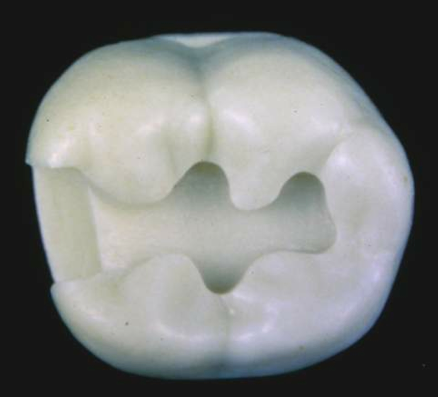
Respuesta
-
complex
-
compound
-
simple
Pregunta 3
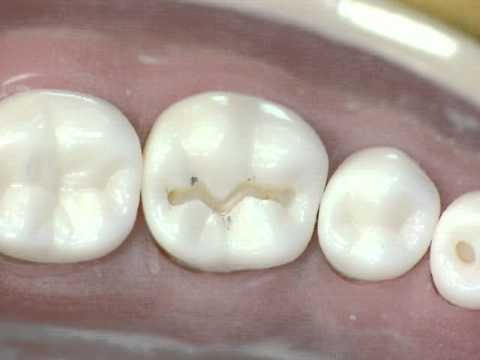
Respuesta
-
complex
-
compound
-
simple
Pregunta 4
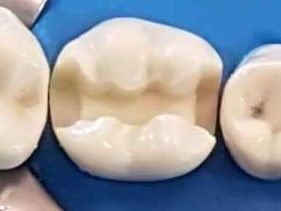
Respuesta
-
complex
-
compound
-
simple
Pregunta 5
Pregunta
Why do we restore teeth?
Respuesta
-
To improve aesthetics
-
Replace tooth material lost by caries or defect
-
To protect sensitive dentin and pulp
-
To create overhangs
-
To restore function
-
To make space for food to accumulate
Pregunta 6
Pregunta
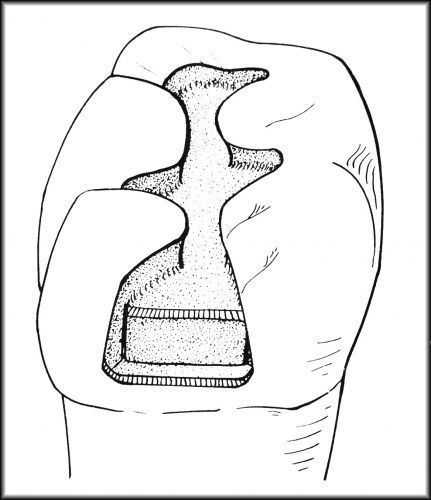
Label the correct features of this cavity preparation.
Respuesta
-
pulpal floor
-
gingival floor
-
axial wall
-
cementoenamel junction
-
distal wall
Pregunta 7
Pregunta
Restorative material can adequately replace enamel and dentin.
Respuesta
- True
- False
Pregunta 8
Pregunta
The objectives of minimal intervention dentistry are:
Respuesta
-
Remineralisation of early lesions
-
Reduction of cariogenic bacteria to eliminate the risk of further demineralization.
-
Replacement of demineralised enamel
-
Repair rather than replace
-
Causing caries
-
Encouraging the consumption of acidic drinks
-
Disease control
-
Minimum surgical intervention
Pregunta 9
Pregunta
Can a fissure sealant be used as a preventative method on a newly erupted tooth with deep fissures or high risk of caries?
Respuesta
-
Yes
-
No
¿Quieres crear tus propios Tests gratis con GoConqr? Más información.