
28220616
Descripción

Fichas por Juan Fernandez Castillo, actualizado hace más de 1 año
|
|
Creado por Juan Fernandez Castillo
hace casi 6 años
|
|
| Pregunta | Respuesta |
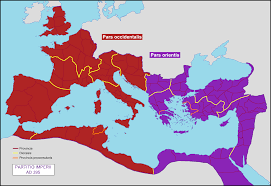
| Who made the last division of the Roman Empire? In what year? | Emperor Theodosius the Great, in 395 AD |
| What is the most accepted chronology of the Middle Ages? | 476 - 1453 or 476 - 1492 |
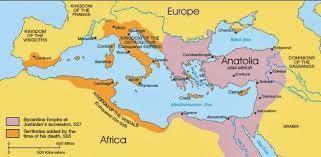
| In this map of the Byzantine Empire, what do the areas in orange represent? | Justinian conquests during his reign |
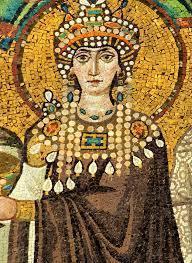
| Who is this lady? | Theodora, empress of the Byzantine Empire and Justinian's wife |
|
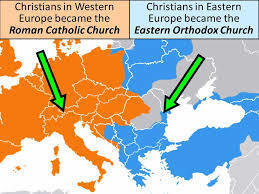
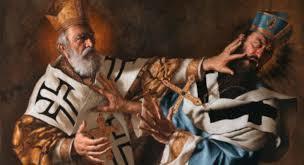
What does this image represent?
Image:
Schism (binary/octet-stream)
|
The East-West Schism in 1054 |
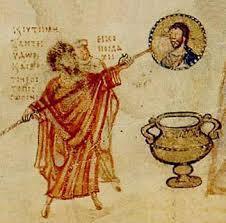
| This man is tearing an image of Christ from the wall of a church. What does this image represent? | The iconoclastic controversy between the 8th and 9th centuries |
|
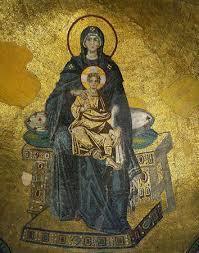
What is the name of this type of religious images in the Byzantine Empire?
Image:
Icon (binary/octet-stream)
|
Icon |
|
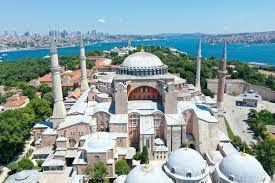
This is one of the most remarkable examples of Byzantine architecture. What is this basilica called?
Image:
Hagi (binary/octet-stream)
|
Hagia Sophia (Holy Wisdom) |
| What is the name of the Germanic people who settled in Italy at the end of the 5th century? | Ostrogoth |
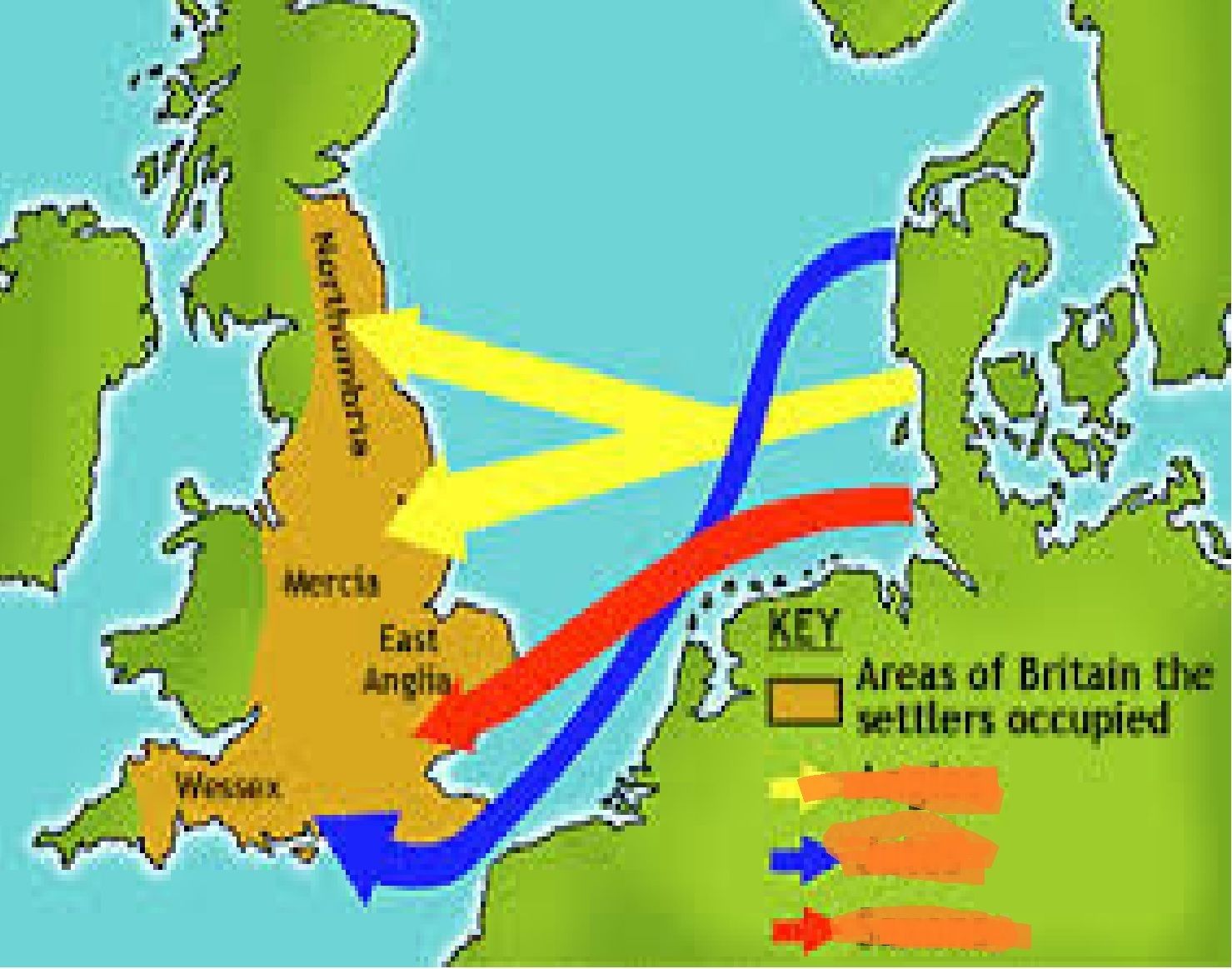
| What peoples do these arrows represent? | Angles, Saxons and Juts |
|
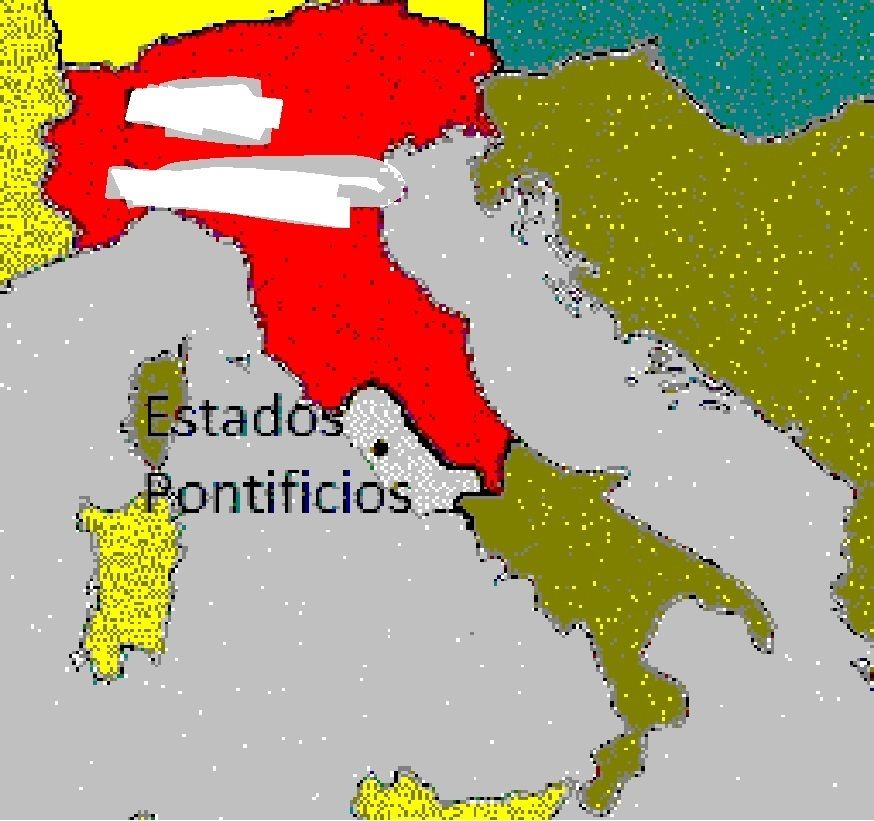
What Germanic tribe settled in the 6th century in northern Italy?
Image:
Lomba (binary/octet-stream)
|
The Lombards |
|
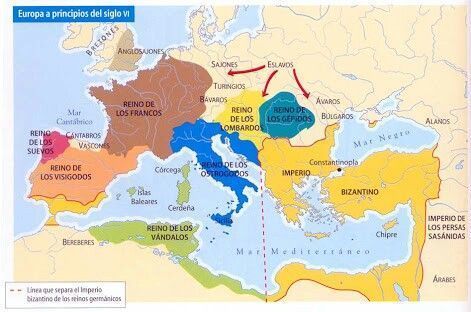
Explain, looking at this map, why trading was no longer a safe activity in the 6th century
Image:
Eu+S+6 (binary/octet-stream)
|
Because the ancient Roman Empire had fragmented into many kingdoms, some of them enemies, and the Mediterranean was full of pirates. |
|
The Visigoths came to the Iberian Peninsula in 415 as allies of the Roman Empire, what was their objective?
Image:
Visgo (binary/octet-stream)
|
To expel the invading Suevi, Vandals and Alanos from the Iberian Peninsula |
|
What was the religious conflict between the Visigoths and the native Hispano-Roman population of the Iberian Peninsula and how was it resolved?
Image:
Arrian (binary/octet-stream)
|
The Visigoths were Arians and the Spanish-Roman Catholics. The problem was solved when King Reccared converted to Catholicism in 589. |
| What was the Visigoth monarchy like, hereditary or elective? | Elective, That's why there were so many wars between the pretenders. |
|
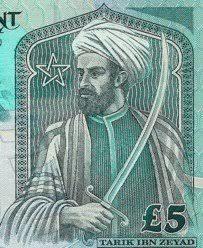
Who invaded the Visigothic kingdom in 711?
Image:
Tarik (binary/octet-stream)
|
The Moors, crossing the strait of Gibraltar |
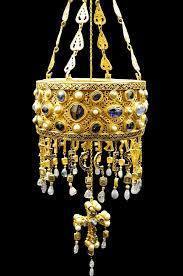
| Who did this votive crown belong to? | King Recceswinth (died in 672) |
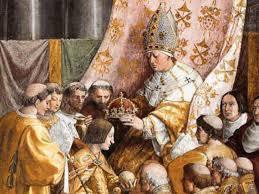
| Which king of the Franks achieved the maximum expansion of the kingdom and was crowned emperor by the pope? | Charlemagne. Crowned in 800. |
|
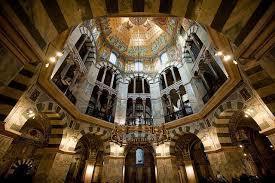
What is the name of this building and where is it?
Image:
Aachen (binary/octet-stream)
|
Palatine Chapel in Aachen, Germany. Charlemagne was buried here. |
¿Quieres crear tus propias Fichas gratiscon GoConqr? Más información.