
13627153
Descripción

Mapa Mental por Emilio Chaparro, actualizado hace más de 1 año

|
Creado por Emilio Chaparro
hace más de 7 años
|
|
Molecular Evolution
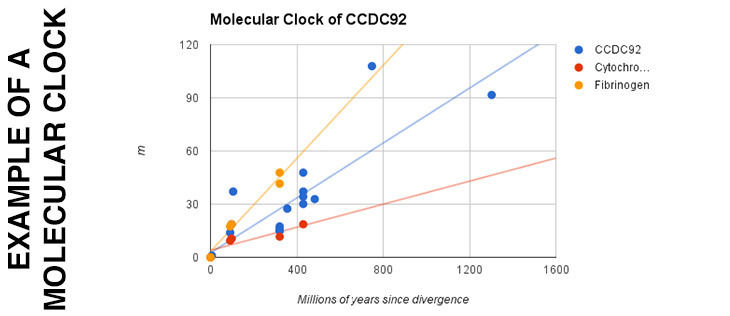
- Molecular Clocks: Technique that uses mutation rates in
DNA to estimate the time that two species have been
evolving independently.
- Neutral Mutation as "Ticks": Have no effect on the
phenotype. Accumulate in the DNA of different
species at about the same rate. Researchers compare
such sequences in 2 species. The more differences,
the more time has passed since the species shared a
common ancestor.
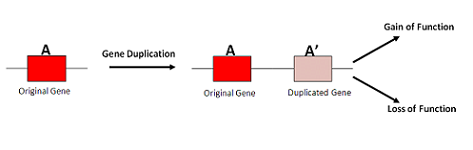
- Gene Duplication: A way in which new genes
evolve. Existing genes are duplicated and
modified.
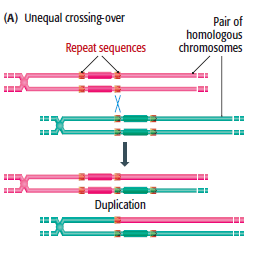
- Copying genes: Organisms carry copies of various
genes. Sometimes they carry 2 or multiple copies of
the same gene. This is because sometimes
crossing-over involves an unequal swapping of DNA.
- Duplicate Genes Evolve:
Sometimes extra copies of a
gene undergo mutations that
change their function, while
the original gene is still
around. New genes evolve
without affecting the original
gene function or product.
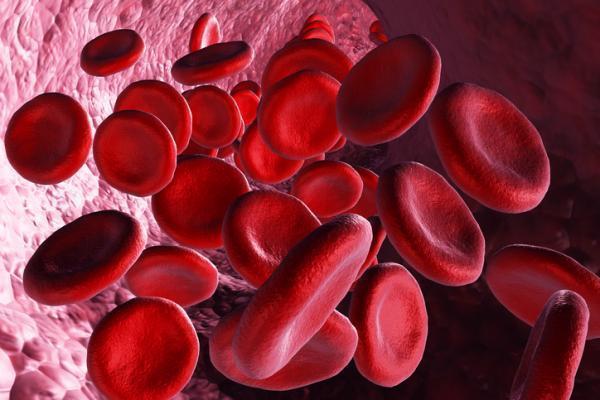
- Gene Families: Multiple copies of a duplicated gene
an turn into a group of related genes, called a gene
family. They produce similar yet slightly different
proteins. Hemoglobins are an example.
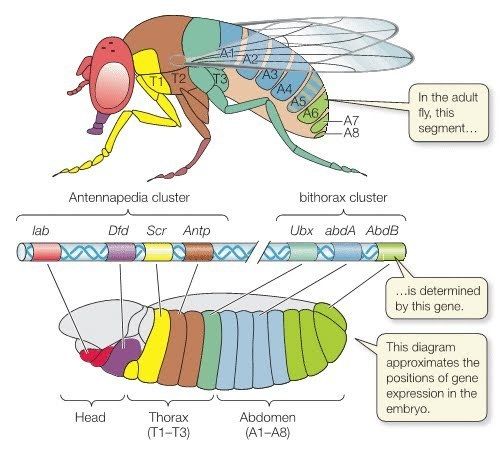
- Developmental Genes and Body Plans: "Evo-devo" studies
the relationship between evolution ad embryological
development. How genes determine which parts of an
embryo develop arms, legs, and wings.
- Hoy Genes and Evolution:
Small changes in Hox gene
activity during
embryological development
can produce large changes
in adult animals.
- Timing is Everything: Each part of an Embryo starts to grow
at a certain time, grows for a specific and stops growing at a
specific time. Small changes in starting and stopping times
can make a big difference in organisms.
- Timing is Everything: Each part of an Embryo starts to grow
at a certain time, grows for a specific and stops growing at a
specific time. Small changes in starting and stopping times
can make a big difference in organisms.
- Hoy Genes and Evolution:
Small changes in Hox gene
activity during
embryological development
can produce large changes
in adult animals.
- Developmental Genes and Body Plans: "Evo-devo" studies
the relationship between evolution ad embryological
development. How genes determine which parts of an
embryo develop arms, legs, and wings.
- Gene Families: Multiple copies of a duplicated gene
an turn into a group of related genes, called a gene
family. They produce similar yet slightly different
proteins. Hemoglobins are an example.
- Duplicate Genes Evolve:
Sometimes extra copies of a
gene undergo mutations that
change their function, while
the original gene is still
around. New genes evolve
without affecting the original
gene function or product.
- Copying genes: Organisms carry copies of various
genes. Sometimes they carry 2 or multiple copies of
the same gene. This is because sometimes
crossing-over involves an unequal swapping of DNA.
- Gene Duplication: A way in which new genes
evolve. Existing genes are duplicated and
modified.
- Neutral Mutation as "Ticks": Have no effect on the
phenotype. Accumulate in the DNA of different
species at about the same rate. Researchers compare
such sequences in 2 species. The more differences,
the more time has passed since the species shared a
common ancestor.
- Emilio Chaparro 4ºC
Recursos multimedia adjuntos

¿Quieres crear tus propios Mapas Mentales gratis con GoConqr? Más información.