
28195970
Descripción

Mapa Mental por SOFIA GARCIA ARIAS, actualizado hace más de 1 año

|
Creado por SOFIA GARCIA ARIAS
hace alrededor de 5 años
|
|
Virus
- What is a virus?
- A virus is a non-celular parasite that only can reproduce
by invading the cell of other living things
- A virus is a non-celular parasite that only can reproduce
by invading the cell of other living things
- The structure of viruses
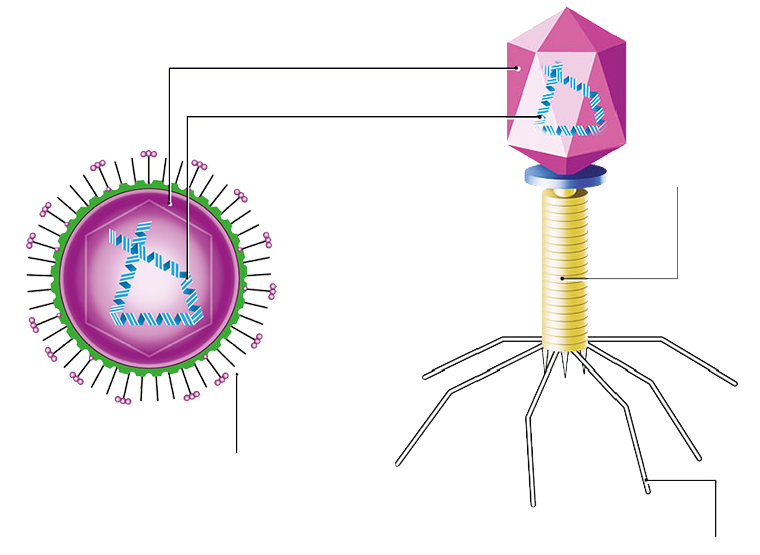
- Viruses consist of a stand of nucleic acid, (genetic material which can be
DNA or RNA) surrounded by a protective protein coat calleda capsid.
- Some viruses, such as influenza, have a further membrane envelope of
lipid, surrounding the protein. Other viruses also have a tail
- Viruses consist of a stand of nucleic acid, (genetic material which can be
DNA or RNA) surrounded by a protective protein coat calleda capsid.
- Life processes of
viruses
- As they do not feed, they are considered obligate parasites and, in order to
reproduce, they insert their genetic material in the cells of living organisms.
- Viruses only have the life process of
reproduction.
- Viruses only have the life process of
reproduction.
- As they do not feed, they are considered obligate parasites and, in order to
reproduce, they insert their genetic material in the cells of living organisms.
- Reproduction of
viruses
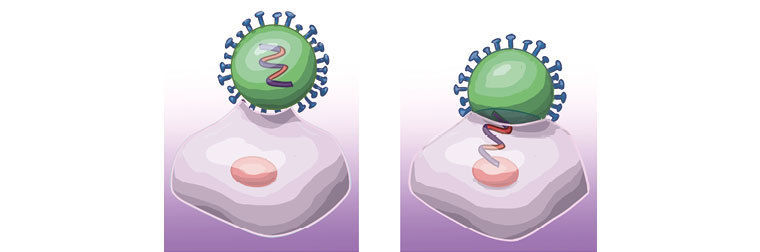
- The virus attaches itself to the cell membrane. The whole
virus or just its genetic material is injected into the cell.
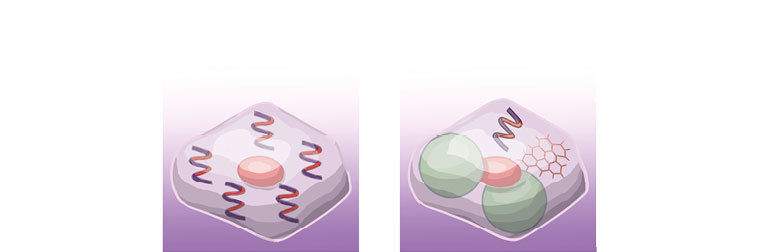
- The host cell follows the instructions from the genetic material of the virus
and replicates the nucleic acids and produces the capsid and tail proteins.
- All of the components are put together and a new virus is created and
released. This can destroy the host cell.
- All of the components are put together and a new virus is created and
released. This can destroy the host cell.
- The host cell follows the instructions from the genetic material of the virus
and replicates the nucleic acids and produces the capsid and tail proteins.
- The virus attaches itself to the cell membrane. The whole
virus or just its genetic material is injected into the cell.
Recursos multimedia adjuntos

¿Quieres crear tus propios Mapas Mentales gratis con GoConqr? Más información.