
32200941
Descripción

Mapa Mental por Natalia Lehnhoff Faillace, actualizado hace más de 1 año

|
Creado por Natalia Lehnhoff Faillace
hace más de 5 años
|
|
6.2 How Is Energy Transformed During
Chemical Reactions?
- Activation energy
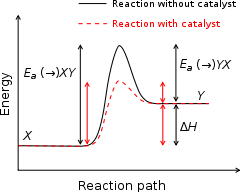
- Activation energy, the energy required to a star in
a chemical reaction. Every push.
- Activation energy is the energy required to overcome the
repulsive forces between the electron shells so that they can
move close enough together to react.
- Activation energy, the energy required to a star in
a chemical reaction. Every push.
- Chemical reactions
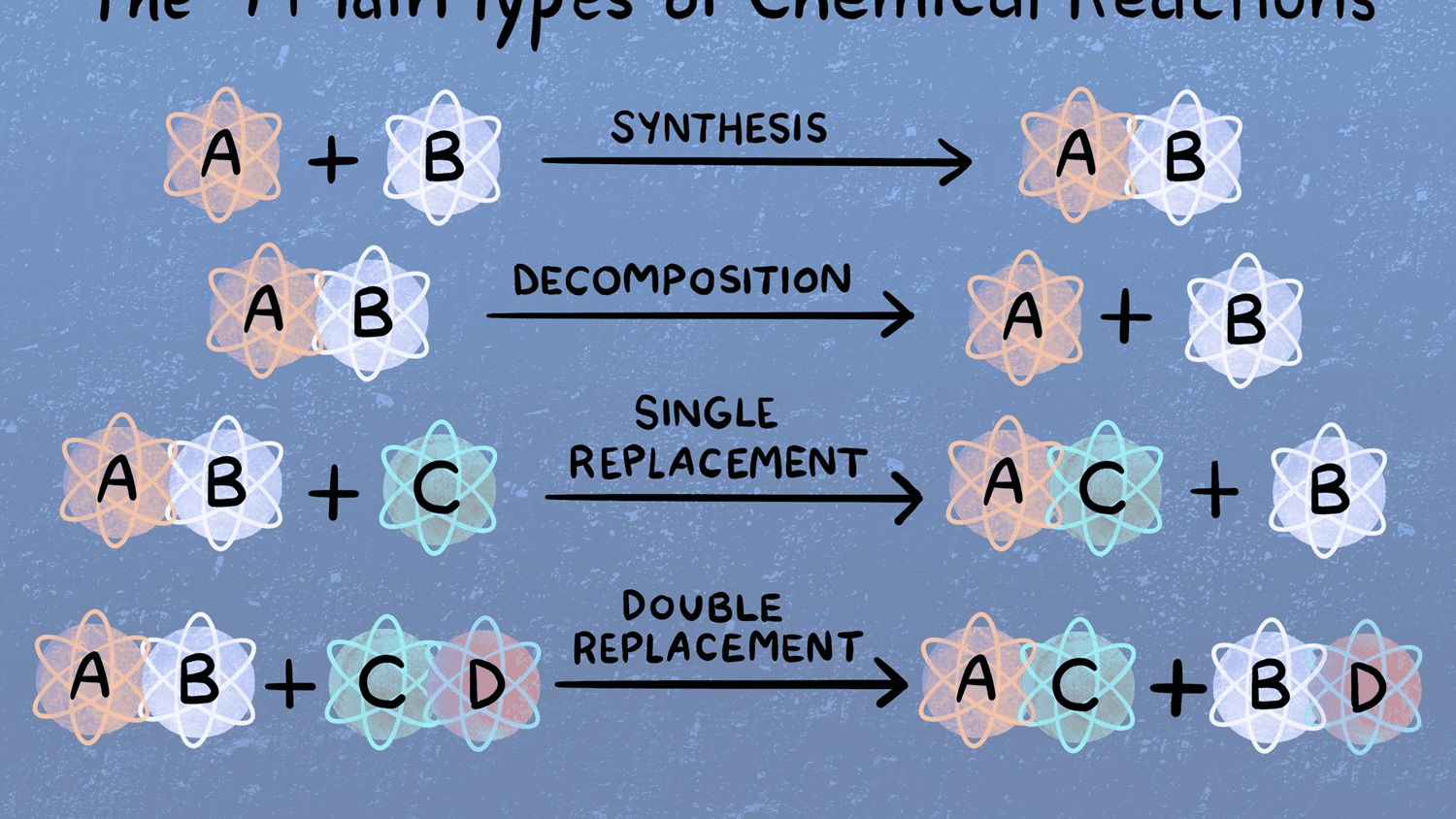
- A chemical reaction is a process that forms or breaks the
chemical bonds that holds atoms together.
- Chemical reactions convert one set of chemical
substances, the reactants, into another set, the
products.
- All chemical reactions either release energy or require
an overall (net) input of energy.
- A chemical reaction is a process that forms or breaks the
chemical bonds that holds atoms together.
- Exergonic
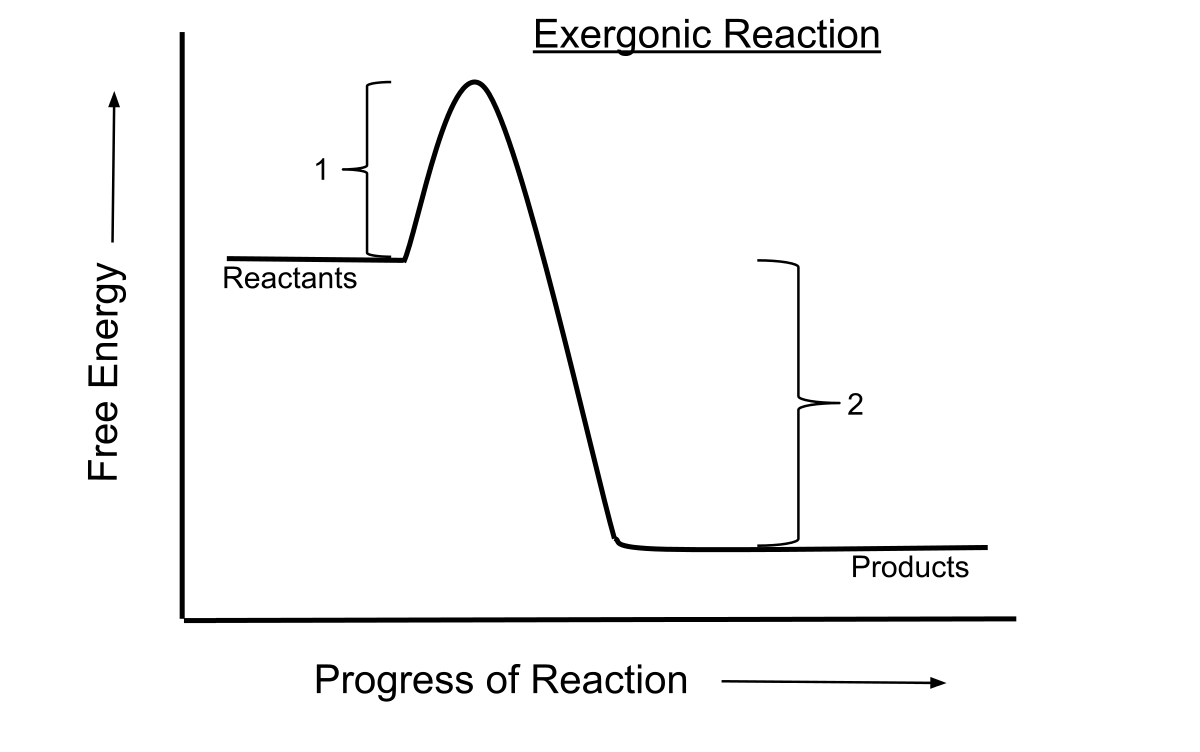
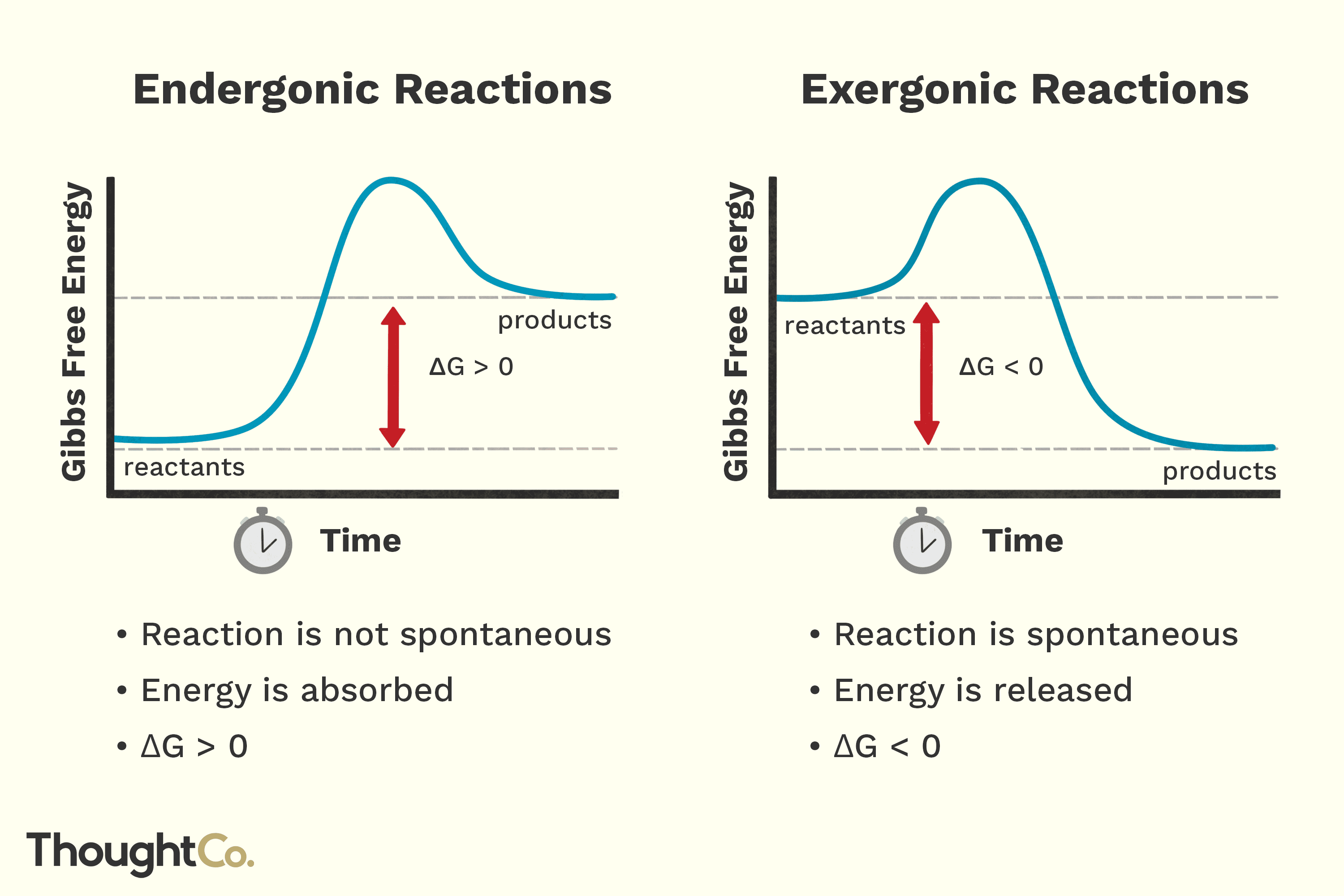
- Exergonic reactions release energy and absorb energy
from the surrounding. All exergonic reactions release
some of their energy as heat
- Exergonic reactions are known as running downhill, from
higher to lower energy,
- Exergonic reactions release energy and absorb energy
from the surrounding. All exergonic reactions release
some of their energy as heat
- Endergonic
- A reaction is endergonic if it requires a net input of
energy; that is if the products contain more energy
than the reactants.
- Synthesizing complex biological molecules requires a net
input of energy. Endergonic
- Endergonic reactions also known as uphill
reactions (reactants contains less energy
than the products).
- A reaction is endergonic if it requires a net input of
energy; that is if the products contain more energy
than the reactants.
Recursos multimedia adjuntos
¿Quieres crear tus propios Mapas Mentales gratis con GoConqr? Más información.