
35530423
Description

Mind Map by July Miranda, updated more than 1 year ago

|
Created by July Miranda
almost 4 years ago
|
|
Didactic Strategies
- Theories
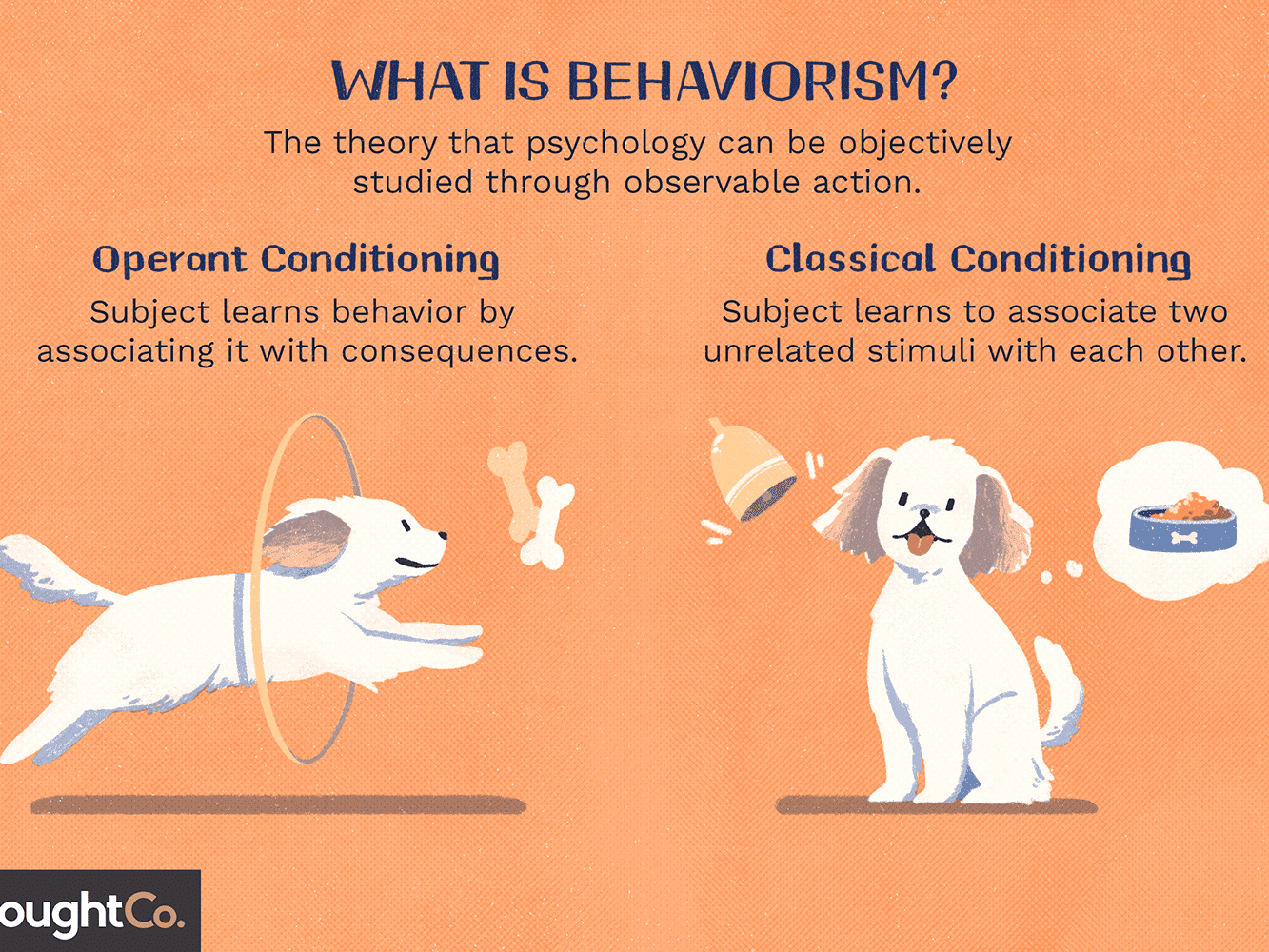
- Behaviourism
- every learner is essentially a “clean slate” to start off and shaped
by emotions.
- names the most popular theorists who ascribed
to this theory were Ivan Pavlov, B.F. Skinner and
Albert Bandura.
- every learner is essentially a “clean slate” to start off and shaped
by emotions.
- Social Cognitive Theory
- Typically spoken about at the early childhood level because it has to do
with critical thinking with the biggest concept being the idea of play.
- Though Bandura and Lev Vygotsky also contributed to cognitive theory. the most
popular and first theorist of cognitivism is Piaget.
- Though Bandura and Lev Vygotsky also contributed to cognitive theory. the most
popular and first theorist of cognitivism is Piaget.
- Typically spoken about at the early childhood level because it has to do
with critical thinking with the biggest concept being the idea of play.
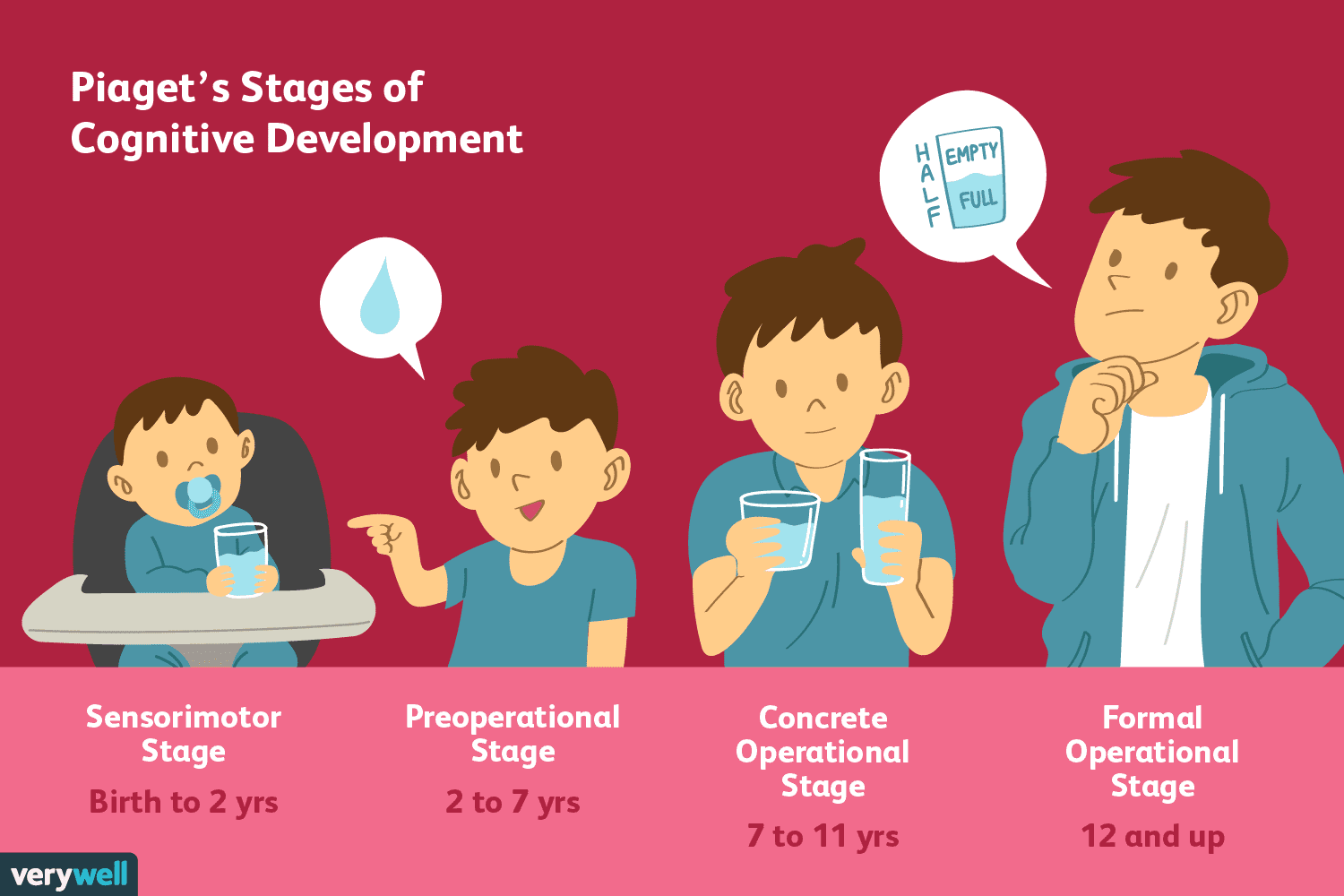
- Piaget’s Theory of Cognitive Development
- Created in 1918
- There are 4 stages Each stage
correlates with a child’s
development from infancy to their
teenage years.
- The first stage is called the Sensorimotor Stage which occurs from
birth to 18 months.
- the brain is literally growing through exploration, like squeaking horns, discovering themselves in
mirrors or spinning things that click on their floor mats or walkers; creating habits like sleeping with a
certain blanket; having reflexes like rubbing their eyes when tired or thumb sucking; and beginning to
decipher vocal tones.
- the brain is literally growing through exploration, like squeaking horns, discovering themselves in
mirrors or spinning things that click on their floor mats or walkers; creating habits like sleeping with a
certain blanket; having reflexes like rubbing their eyes when tired or thumb sucking; and beginning to
decipher vocal tones.
- The third stage is Concrete Operational Stage from ages of 7-11
- children are beginning to problem solve, can have conversations about
things they are interested in, are more aware of logic and develop
empathy
- children are beginning to problem solve, can have conversations about
things they are interested in, are more aware of logic and develop
empathy
- The second stage, or the Preoperational Stage, occurs from ages 2
to 7
- toddlers begin to understand and correlate symbols around them, ask a lot
of questions, and start forming sentences and conversations, but they
haven’t developed perspective yet so empathy does not quite exist yet, the
website states
- toddlers begin to understand and correlate symbols around them, ask a lot
of questions, and start forming sentences and conversations, but they
haven’t developed perspective yet so empathy does not quite exist yet, the
website states
- The final stage, called the Formal Operational Stage, though by definition ends
at age 16, can continue beyond.
- It involves deeper thinking and abstract thoughts as well as questioning
not only what things are but why the way they are is popular, the site
states. Many times people entering new stages of their lives like high
school, college, or even marriage go through elements of Piaget’s theory
- It involves deeper thinking and abstract thoughts as well as questioning
not only what things are but why the way they are is popular, the site
states. Many times people entering new stages of their lives like high
school, college, or even marriage go through elements of Piaget’s theory
- The first stage is called the Sensorimotor Stage which occurs from
birth to 18 months.
- Created in 1918
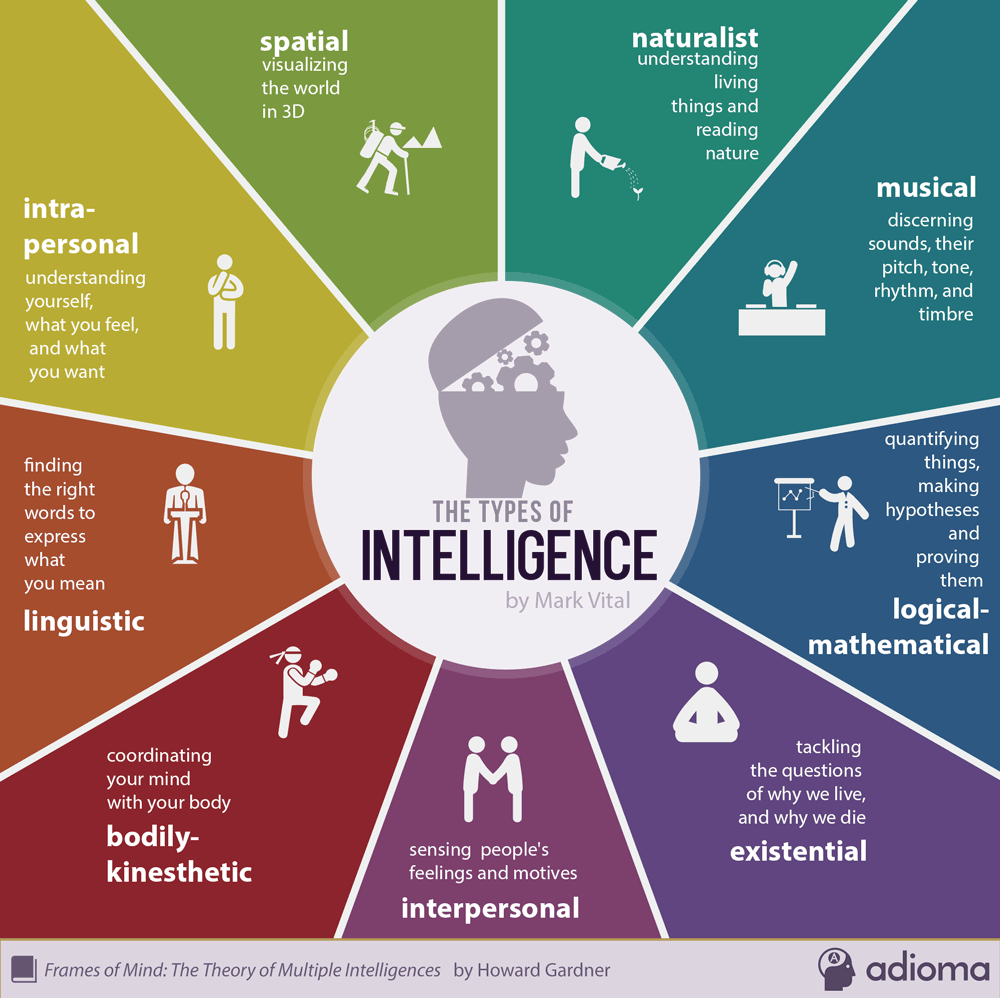
- The Multiple Intelligences Theory
- states that people don’t need to be smart in every single discipline to be
considered intelligent on paper tests, but that people excel in various
disciplines, making them exceptional.
- Created in 1983, the former principal in the Scranton School District in Scranton, PA,
created eight different intelligences, though since then two others have been debated
of whether to be added but have not yet officially
- Created in 1983, the former principal in the Scranton School District in
Scranton, PA, created eight different intelligences, though since then two
others have been debated of whether to be added but have not yet officially
- states that people don’t need to be smart in every single discipline to be
considered intelligent on paper tests, but that people excel in various
disciplines, making them exceptional.
- Behaviourism
- Help teachers to reach their full potential
- engage, motivate and reach the students in their classes, whether in person or online.
- engage, motivate and reach the students in their classes, whether in person or online.
- Methods
- Also known as methodology, is a narrower topic because it’s founded in
theories and educational psychology.
- An action plan that comprises methods, techniques, and organization of instructions to achieve an
intentional, reflexive, conscious, and self-directed learning in any given teaching-learning
environment.
- An action plan that comprises methods, techniques, and organization of instructions to achieve an
intentional, reflexive, conscious, and self-directed learning in any given teaching-learning
environment.
- Also known as methodology, is a narrower topic because it’s founded in
theories and educational psychology.
- Something that is didactic is intended to teach people something, especially a moral
lesson. In totalitarian societies, art exists for didactic purposes. Someone who is
didactic tells people things rather than letting them find things out or discussing
things.
Media attachments

Want to create your own Mind Maps for free with GoConqr? Learn more.