
31012330
Descrição

Mapa Mental por Camila Paz Noriega, atualizado more than 1 year ago

|
Criado por Camila Paz Noriega
mais de 5 anos atrás
|
|
Cell Structure and Functions
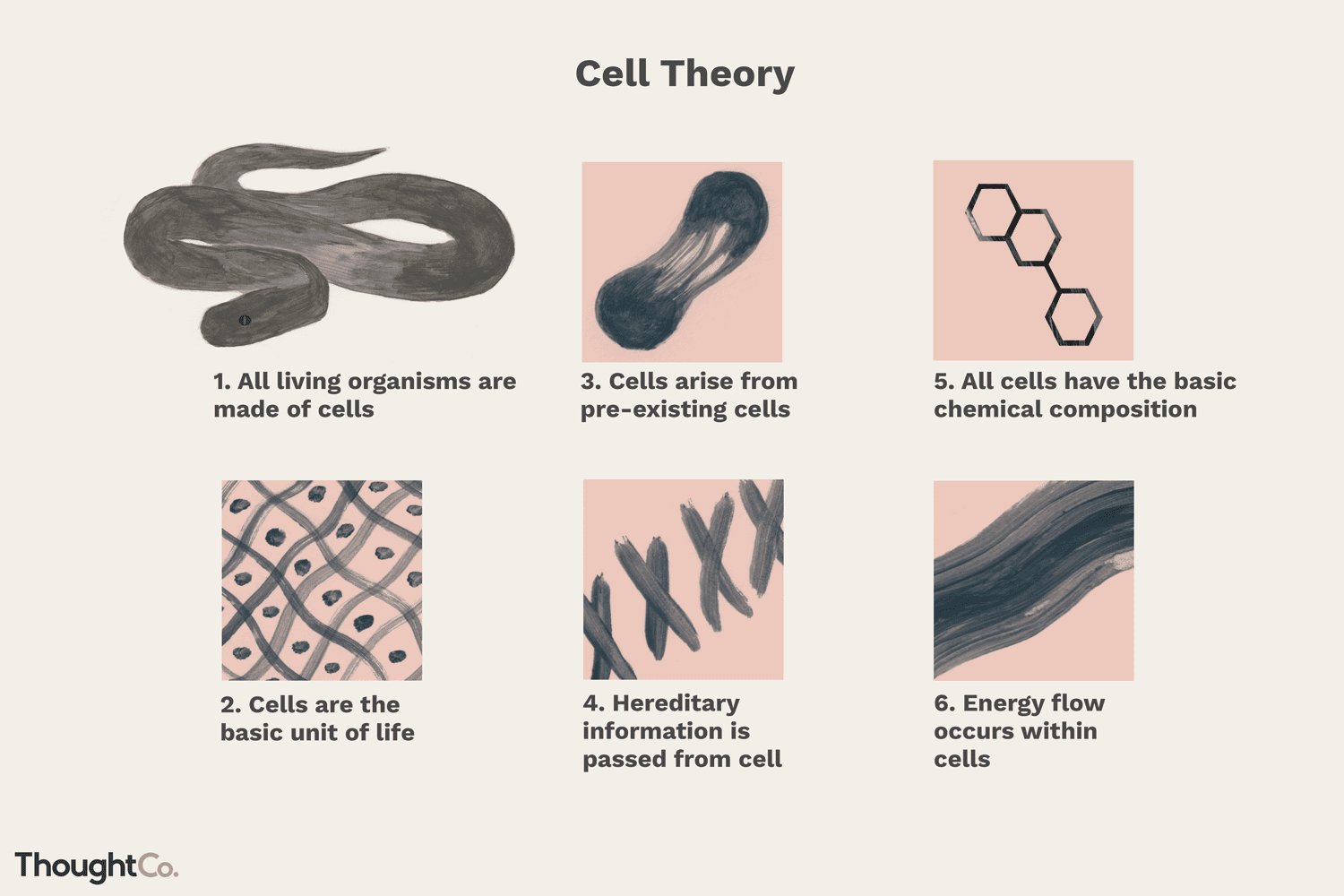
- What is the cell theory
- Every living organism is made up of one or
more cells, the smallest organism are
single cells.
- Cells are the functional units of
multicellular organisms, and all cells
arise from preexisting cells.
- Cells are the functional units of
multicellular organisms, and all cells
arise from preexisting cells.
- Every living organism is made up of one or
more cells, the smallest organism are
single cells.
- What are the basis attributes of cells?
- Cells are small because they must exchange
materials with their surroundings by diffusion, a
slow process that require the interior of the cell to
be close to the plasma membrane.
- Cells use DNA as a genetic blueprint and RNA to
direct protein synthesis based on DNA.
- There are two fundamentally different types of cells:Prokaryotic cells are
small and lack membrane-enclosed organelles. Eukaryotic cells have a
variety of organelles, including a nucleus.
- There are two fundamentally different types of cells:Prokaryotic cells are
small and lack membrane-enclosed organelles. Eukaryotic cells have a
variety of organelles, including a nucleus.
- Cells use DNA as a genetic blueprint and RNA to
direct protein synthesis based on DNA.
- Cells are small because they must exchange
materials with their surroundings by diffusion, a
slow process that require the interior of the cell to
be close to the plasma membrane.
- What are the major features of eukaryotic cells?
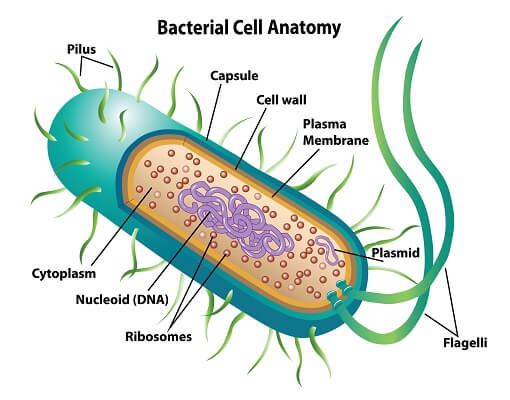
- lack an organized nucleus and other
membrane-bound organelles.
- Prokaryotic DNA is found in a central part of
the cell called the nucleoid.
- The cell wall of a prokaryote acts as an extra layer
of protection, helps maintain cell shape, and
prevents dehydration.
- lack an organized nucleus and other
membrane-bound organelles.
- What are the major features of prokaryotic cells?
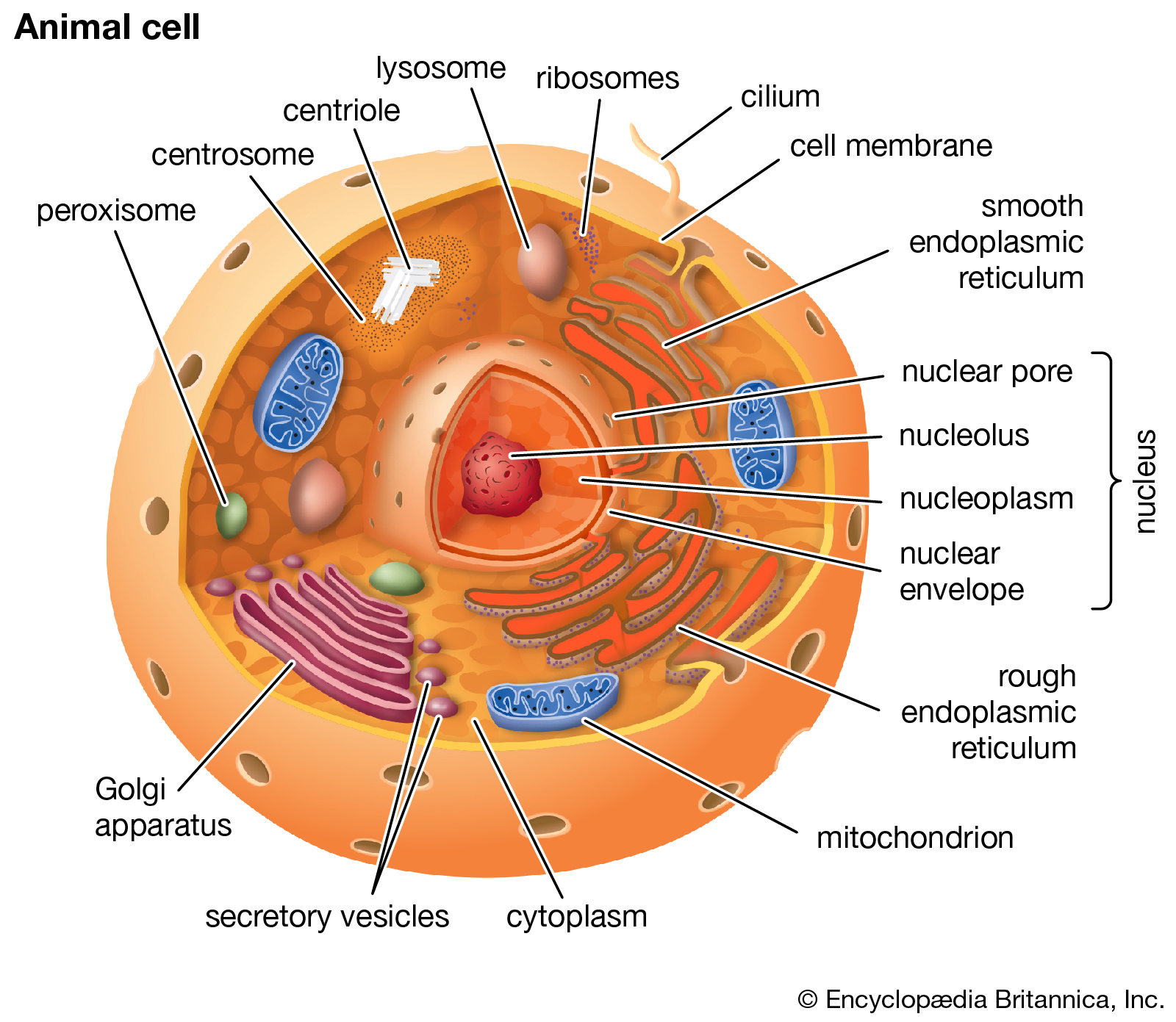
- Eukaryotic cells have an internal cytoskeleton of
protein filaments that shapes the cell, transports and
anchors organelles, and allows cells to move.
- Some eukaryotic cells have cilia or flagella,
extensions of plasma membrane that
contain microtubules in a characteristics
pattern.
- Some eukaryotic cells have cilia or flagella,
extensions of plasma membrane that
contain microtubules in a characteristics
pattern.
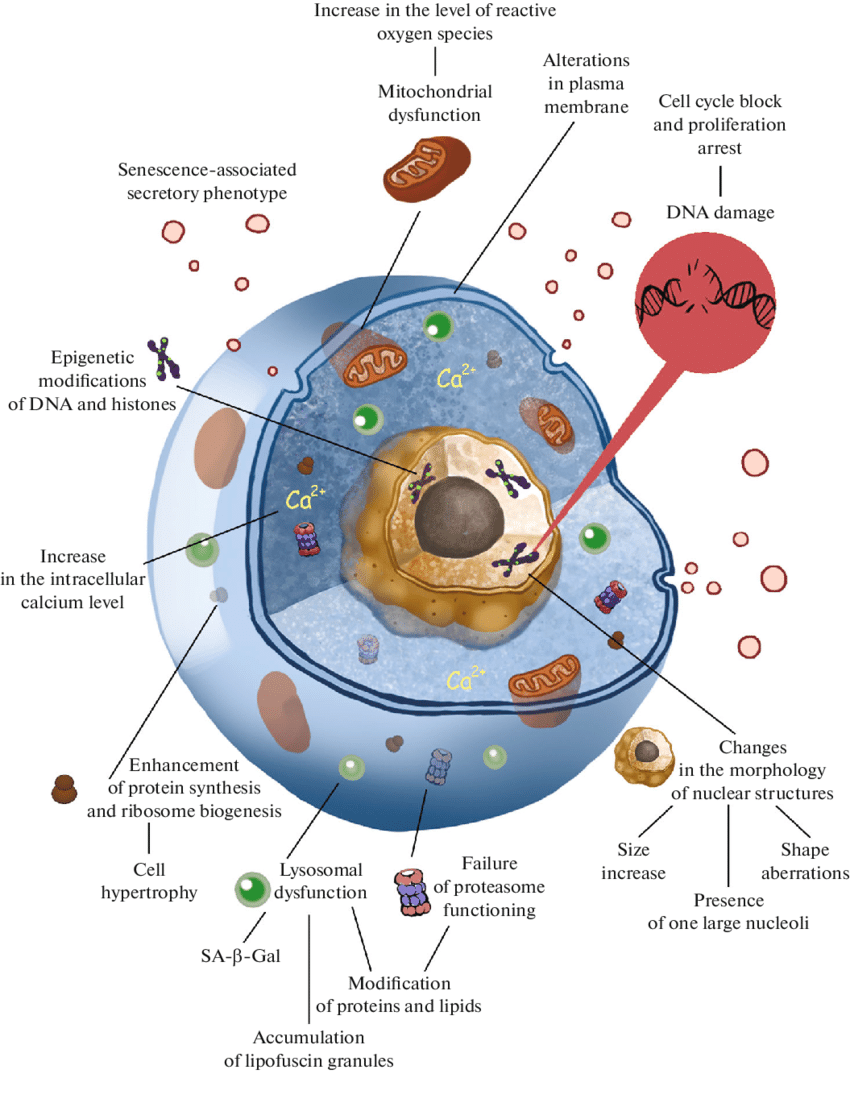
- DNA is contained within the nucleus, surrounded
by the double membrane of the nuclear envelope.
- The genetic material is organized into
strands called chromosomes, wich consis
- Eukaryotic cells have an internal cytoskeleton of
protein filaments that shapes the cell, transports and
anchors organelles, and allows cells to move.
Anexos de mídia
Quer criar seus próprios Mapas Mentais gratuitos com a GoConqr? Saiba mais.