
4930871
Descrição

Mapa Mental por Aidan Ryan Boonjue, atualizado more than 1 year ago

|
Criado por Aidan Ryan Boonjue
quase 10 anos atrás
|
|
Telegraph 1
- Essential
Question
- Think about the time when the telegraph was not invented,
What do we take for granted when it comes to fast
communication?
- How did the devolpement of the telegraph
affect the growth and devolpement of the
USA?
- How will the advancements of the
telegraph affect the US's economy?
- Think about the time when the telegraph was not invented,
What do we take for granted when it comes to fast
communication?
- History/Backgroung
- Earliest form of
communication was
smoke, fire, and drum
signals
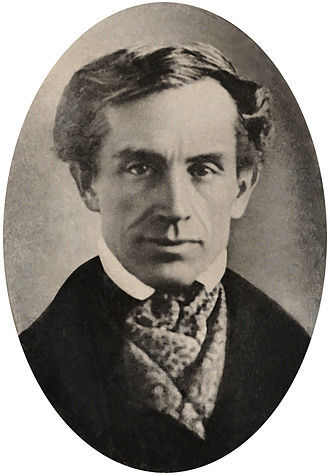
- Samuel F.B. Morse
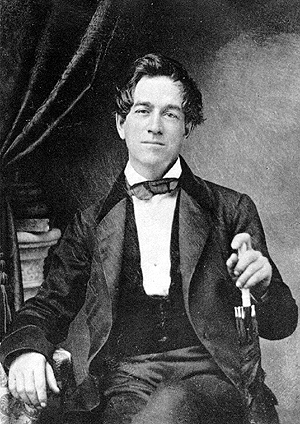
- Alfred Vail
- Alfred Vail
- Samuel F.B. Morse
- The word telegraph comes
from the greek words
tele"far" and graphen "to
write"
- Claude Chappe invented the
optical telegraph in France in
1794. It required a line of sight.
- William Cooke and Charles
Wheatstone in England in
1837 proved that the
telegraph could work by
electricity but it had
problems.
- Samuel F.B. Morse and
Alfred Vail (from 1837)
invented Morse code in 1836 and the telegraph
that solved the problems
the first one had in 1837
- Samuel F.B. Morse and
Alfred Vail (from 1837)
invented Morse code in 1836 and the telegraph
that solved the problems
the first one had in 1837
- William Cooke and Charles
Wheatstone in England in
1837 proved that the
telegraph could work by
electricity but it had
problems.
- by 1856
Telegraph
lines were all
across the US
- Earliest form of
communication was
smoke, fire, and drum
signals
- Impact on
society
- General- Predesuccer to the telephone and
succerer to the optical telegraph
- Economical- Dealing trades was eaiser,
companys started, buisnesses
could arrange meeting easier
- Scocial- People can communicate over long distances
- Political- News will spread faster
- General- Predesuccer to the telephone and
succerer to the optical telegraph
- Details
- The Telegraph can send
messages over long
distances in a
reasonable amount of
time
- The telegraph is a circut. When you push
the operating button it sends and electrical
signal to the other end of the machine.
Then the signal is transmited through
telegraph wires that span miles to another
telegraph where the message is played.
- The Telegraph can send
messages over long
distances in a
reasonable amount of
time
Anexos de mídia
Quer criar seus próprios Mapas Mentais gratuitos com a GoConqr? Saiba mais.