
24189498
Description

Quiz by Jerius Gutierrez, updated more than 1 year ago

|
Created by Jerius Gutierrez
over 6 years ago
|
|
Question 1
Question
The Korean kingdom which the name of the country Korea was derived from.
Answer
-
신라
-
고구려
-
백제
-
발해
Question 2
Question
The three kingdoms of Korea.
Answer
-
백제, 신라, 발해
-
광주, 서울, 제주
-
대전, 나주, 마추피추
-
백제, 신라, 고구려
Question 3
Question
The Korean character which makes the sound “B” as in “bed.”
Answer
-
ㅂ
-
ㅍ
-
ㅃ
-
ㄷ
Question 4
Question
The Korean character which makes the sound “CH” as in “chocolate.”
Answer
-
ㅉ
-
ㅌ
-
ㅈ
-
ㅊ
Question 5
Question
The Korean character which makes the sound “D” as in “door”
Answer
-
ㄷ
-
ㅂ
-
ㄸ
-
ㅌ
Question 6
Question
The Korean character which makes the sound “J” as in “jug”
Answer
-
ㅊ
-
ㄷ
-
ㅈ
-
ㅌ
Question 7
Question
The Korean character which makes the sound “T” as in “test”
Answer
-
ㅍ
-
ㅌ
-
ㅋ
-
ㅂ
Question 8
Question
The Korean character which makes the sound “M” as in “memory”
Answer
-
ㄴ
-
ㅂ
-
ㅇ
-
ㅁ
Question 9
Question
The Korean character which makes the sound “K” as in “cake”
Answer
-
ㄱ
-
ㅇ
-
ㅋ
-
ㅂ
Question 10
Question
The Korean character which makes the sound “L” as in “ladder”
Answer
-
ㄴ
-
ㅁ
-
ㄷ
-
ㄹ
Question 11
Question
A double consonant in Korean alphabet which is called as the ssangsiot.
Answer
-
ㄸ
-
ㅆ
-
ㅉ
-
ㅃ
Question 12
Question
A consonant in Korean alphabet which is called as the pieup.
Answer
-
ㅂ
-
ㅃ
-
ㅁ
-
ㅍ
Question 13
Question
A diphthong in Korean alphabet which creates the sound "wo" as in "wolf."
Answer
-
ㅟ
-
ㅗ
-
ㅓ
-
ㅝ
Question 14
Question
A vowel containing the "y" sound in Korean alphabet which creates the sound "yeo" as in "yonder."
Answer
-
ㅕ
-
ㅑ
-
ㅛ
-
ㅒ
Question 15
Question
A vowel in Korean alphabet which creates the sound "e" as in "egg."
Answer
-
ㅇ
-
ㅓ
-
ㅔ
-
ㅑ
Question 16
Question
A diphthong in Korean alphabet which creates the sound "we" as in "wedge."
Answer
-
ㅝ
-
ㅞ
-
ㅘ
-
ㅟ
Question 17
Question
A vowel containing the "y" sound in Korean alphabet which creates the sound "ye" as in "yell."
Answer
-
ㅔ
-
ㅕ
-
ㅖ
-
ㅓ
Question 18
Question
A vowel in Korean alphabet which creates the sound "uy" which also means "righteousness" in Korean when combined with the no-sound consonant Korean character ㅇ.
Answer
-
ㅣ
-
ㅡ
-
ㅗ
-
ㅢ
Question 19
Question
Korean phonological system is composed of until how many character blocks.
Answer
-
7
-
5
-
4
-
9
Question 20
Question
What does the official Korean alphabet called?
Answer
-
Hanja
-
Katakana
-
Hangeul
-
Romanization
Question 21
Question
How do you write the word "ka-bang" in hangeul which means "bag" in Korean?

Answer
-
가방
Question 22
Question
How do you write the word "mal" in hangeul which means "horse or word" in Korean?
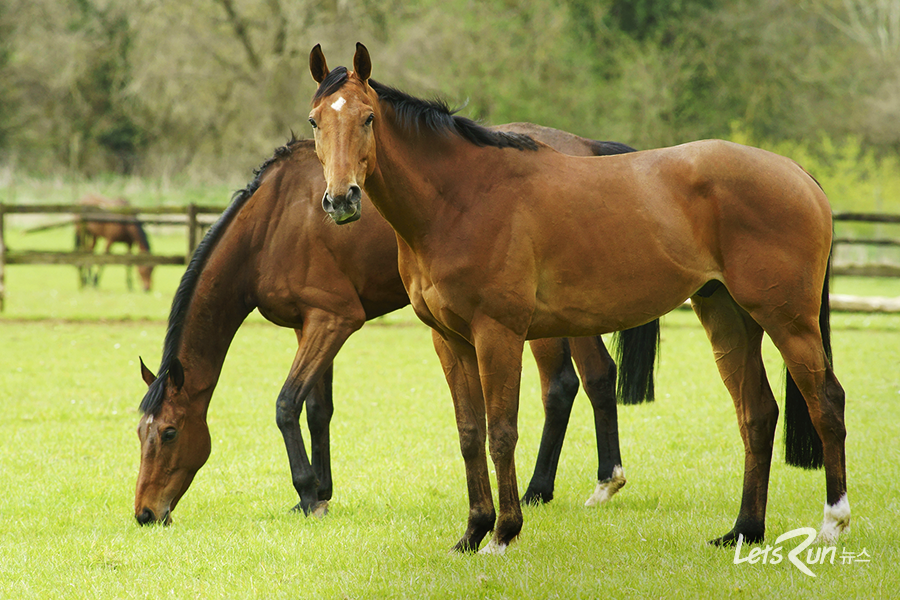
Answer
-
말
Question 23
Question
How do you write the word "keom-pyu-teo" in hangeul which means "computer" in Korean?

Answer
-
컴퓨터
Question 24
Question
How do you write the word "neu-kkim" in hangeul which means "feeling" in Korean?

Answer
-
느낌
Question 25
Question
How do you write the word "hak-kyo" in hangeul which means "school" in Korean?
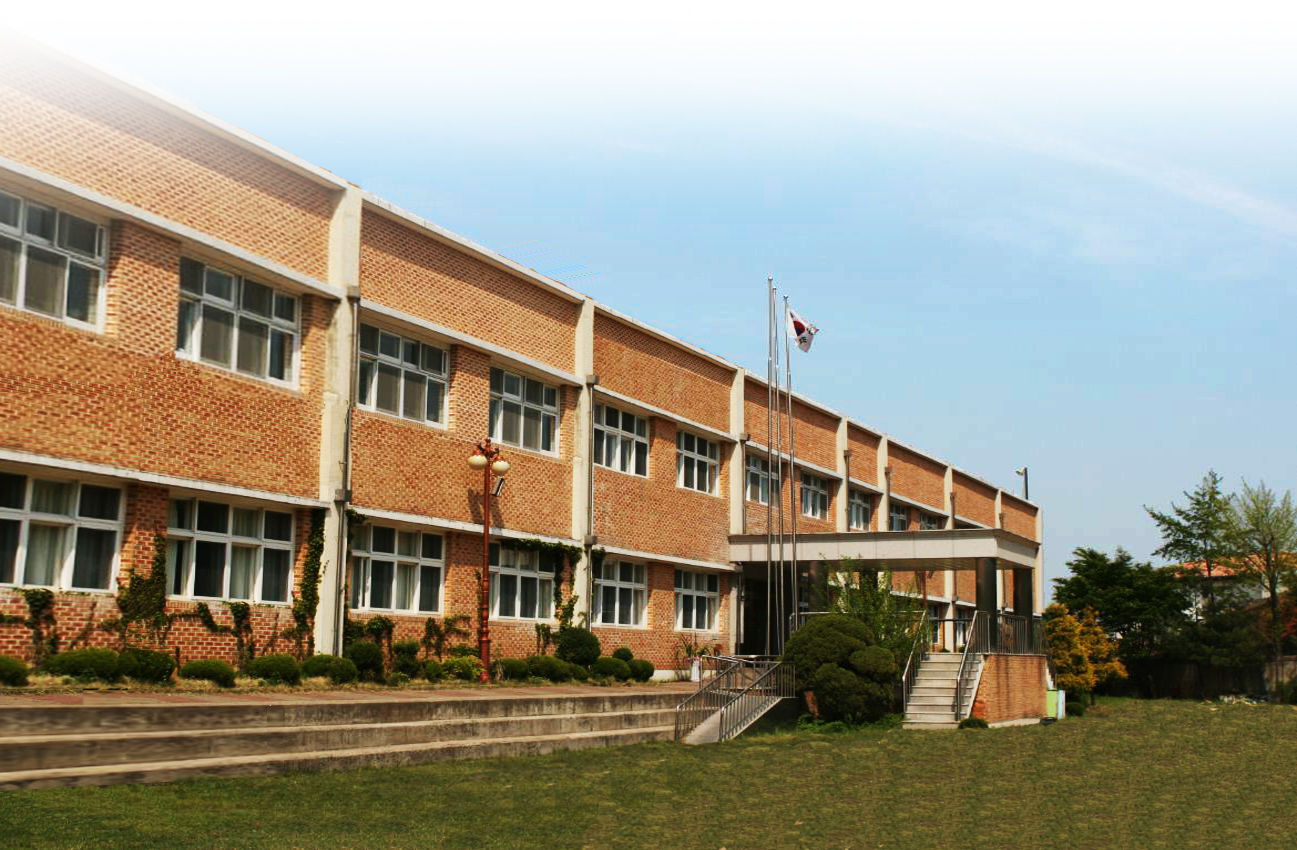
Answer
-
학교
Question 26
Question
How do you write the word "eun-haeng" in hangeul which means "bank" in Korean?
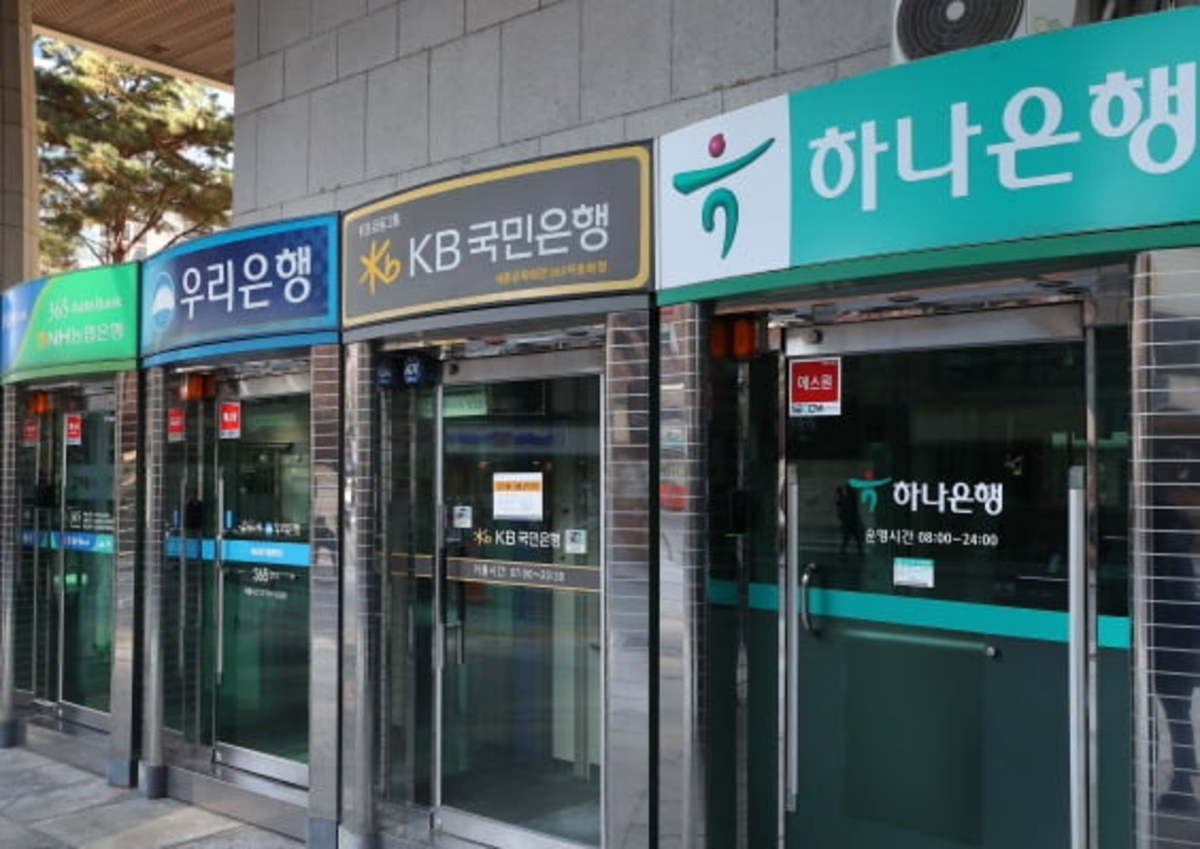
Answer
-
은행
Question 27
Question
How do you write the word "pil-li-pin" in hangeul which means "Philippines" in Korean?
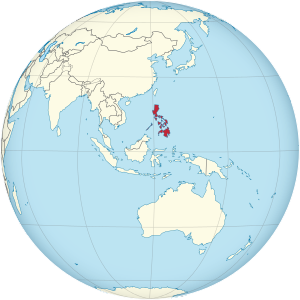
Answer
-
필리핀
Question 28
Question
How do you write the word "gun-dae" in hangeul which means "army" in Korean?

Answer
-
군대
Question 29
Question
How do you write the word "u-san" in hangeul which means "umbrella" in Korean?

Answer
-
우산
Question 30
Question
How do you write the word "shi-heom" in hangeul which means "exam" in Korean?
Answer
-
시험
Question 31
Question
을/를 is attached to a noun to indicate that it is the subject of the sentence in Korean.
Answer
- True
- False
Question 32
Question
은/는 is known as a topic marker in a Korean sentence. They put emphasis to the noun or phrase it is attached.
Answer
- True
- False
Question 33
Question
A simple Korean sentence follows the order of subject - object - verb.
Answer
- True
- False
Question 34
Question
~하다 verbs are Chinese based verbs in Korean language.
Answer
- True
- False
Question 35
Question
It is okay that we do not glue a verb before conjugating it to any grammar form in Korean. You can always have the choice.
Answer
- True
- False
Question 36
Question
The verb 사다 in its simple present tense expressed in the middle form is [blank_start]사요[blank_end]
Answer
-
사요
Question 37
Question
The irregular verb 짓다 in its simple present tense expressed in low form is [blank_start]지여[blank_end]
Answer
-
지여
Question 38
Question
The verb 팔다 in its simple past tense expressed in the middle form is [blank_start]팔았어요[blank_end]
Answer
-
팔았어요
Question 39
Question
The irregular verb 아름답다 in its simple present tense expressed in the high form is [blank_start]아름답습니다[blank_end]
Answer
-
아름답습니다
Question 40
Question
The irregular verb 기쁘다 in its simple present tense expressed in the middle form is [blank_start]기뻐요[blank_end]
Answer
-
기뻐요
Question 41
Question
The irregular verb 부르다 in its simple future tense expressed in the high form is [blank_start]부르겠습니다[blank_end] (Note: Use the 겠습니다)
Answer
-
부르겠습니다
Question 42
Question
The verb 사랑하다 in its simple present tense expressed in the low form is [blank_start]사랑해[blank_end]
Answer
-
사랑해
Question 43
Question
The irregular verb 바쁘다 in its simple past tense expressed in the low form is [blank_start]바빴어[blank_end]
Answer
-
바빴어
Question 44
Question
The verb 만나다 in its simple present tense expressed in the future form is [blank_start]만날게예요[blank_end] (Note: Use the form ㄹ거예요)
Answer
-
만날거예요
Question 45
Question
The verb 빠르다 in its simple present tense expressed in the middle form is [blank_start]발라요[blank_end]
Answer
-
빨라요
Question 46
Question
I am reading and studying the materials posted on the Facebook group each week.
Answer
- True
- False
Question 47
Question
I am meeting with my language study companion weekly to study the lessons. If for some reason, my companion and/or I fail to do the language study activity, I ask or send a message to my teacher and let him know of the situation.
Answer
- True
- False
Question 48
Question
I am attending the weekly zoom meeting every Monday at 7:00 in the evening. If for some reason, I fail to make it in the meeting, I send a message to my teacher to let him know that I won't be able join the meeting.
Answer
- True
- False
Question 49
Question
Whenever I have a question or if I don't understand something about the lesson, I send a message to my teacher and ask for his help.
Answer
- True
- False
Question 50
Question
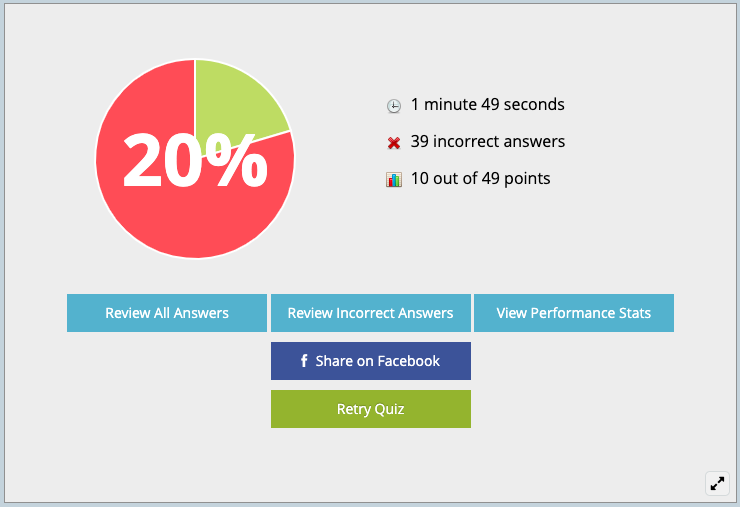
This is my first time taking this exam and I understand that I have to submit the result of my exam to my teacher by taking a screenshot of the results. I will post it on the Korean Beginner Level Class group in GoConqr.com by adding a new discussion with a title Korean Beginner Level Chapter 1 Exam Results: (Name)
Answer
- True
- False
Want to create your own Quizzes for free with GoConqr? Learn more.