
25634716
Description

Quiz by Julie Howard, updated more than 1 year ago

|
Created by Julie Howard
over 5 years ago
|
|
Question 1
Question
What is it called when If respiration doesn't keep pace with carbon dioxide production acids accumulate and body fluid has low pH.
Answer
-
Acidosis
-
Alkalosis
Question 2
Question
The respiratory membrane is a barrier between alveolar ___ & ___.
Answer
-
air
-
blood
-
surfactant
-
carbaminohemoglobin
Question 3
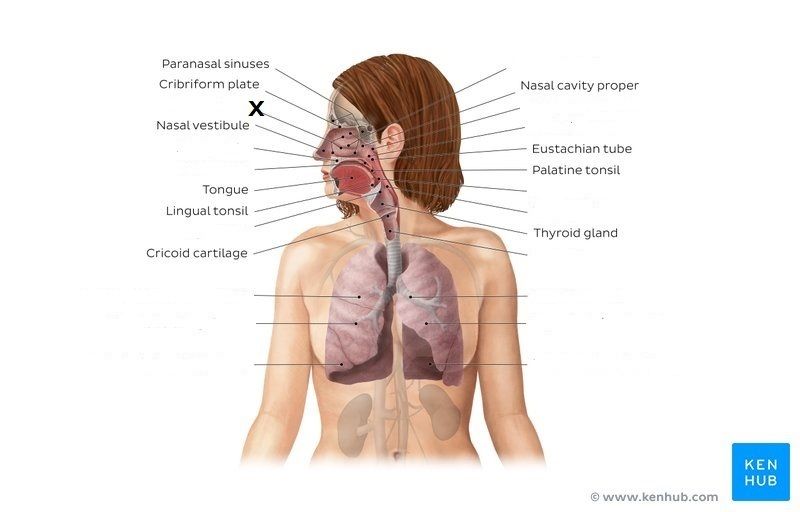
Answer
-
Nasal Meatus
-
Hard Palate
-
Soft Palate
-
Epiglottis
-
Superior Lobe Right Lung
-
Middle Lobe Right Lung
-
Inferior Lobe Right Lung
-
Superior Lobe Left Lung
-
Inferior Lobe Left Lung
-
Middle Lobe Left Lung
Question 4
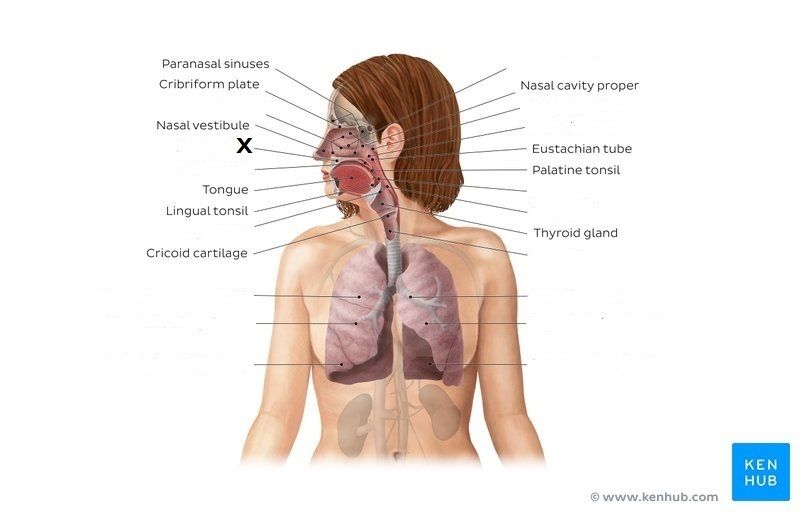
Answer
-
Nasal Meatus
-
Hard Palate
-
Soft Palate
-
Epiglottis
-
Superior Lobe Right Lung
-
Middle Lobe Right Lung
-
Inferior Lobe Right Lung
-
Superior Lobe Left Lung
-
Inferior Lobe Left Lung
-
Middle Lobe Left Lung
Question 5
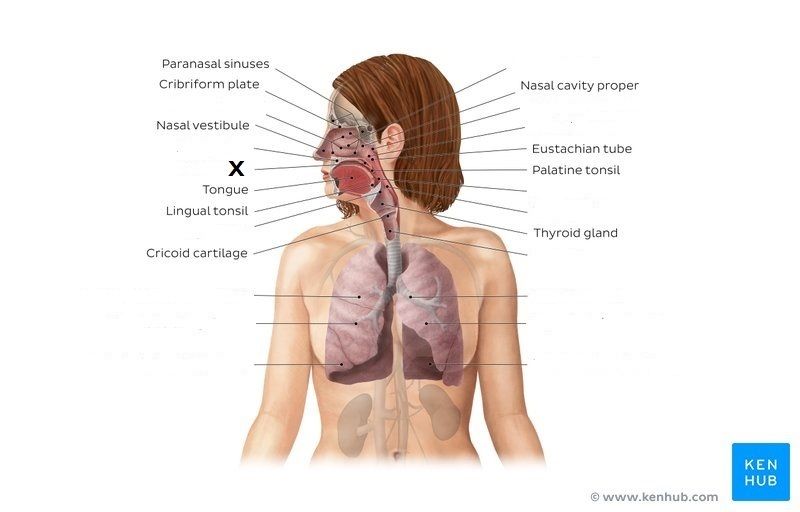
Answer
-
Nasal Meatus
-
Hard Palate
-
Soft Palate
-
Epiglottis
-
Superior Lobe Right Lung
-
Middle Lobe Right Lung
-
Inferior Lobe Right Lung
-
Superior Lobe Left Lung
-
Inferior Lobe Left Lung
-
Middle Lobe Left Lung
Question 6
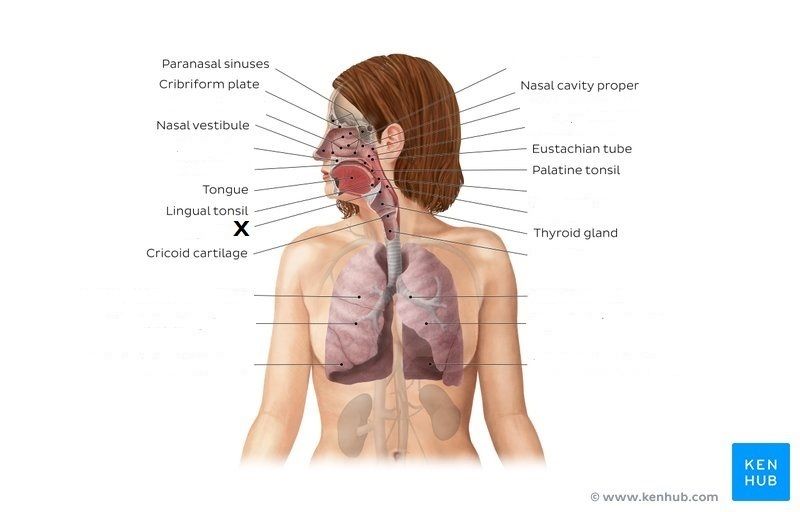
Answer
-
Nasal Meatus
-
Hard Palate
-
Soft Palate
-
Epiglottis
-
Superior Lobe Right Lung
-
Middle Lobe Right Lung
-
Inferior Lobe Right Lung
-
Superior Lobe Left Lung
-
Inferior Lobe Left Lung
-
Middle Lobe Left Lung
Question 7
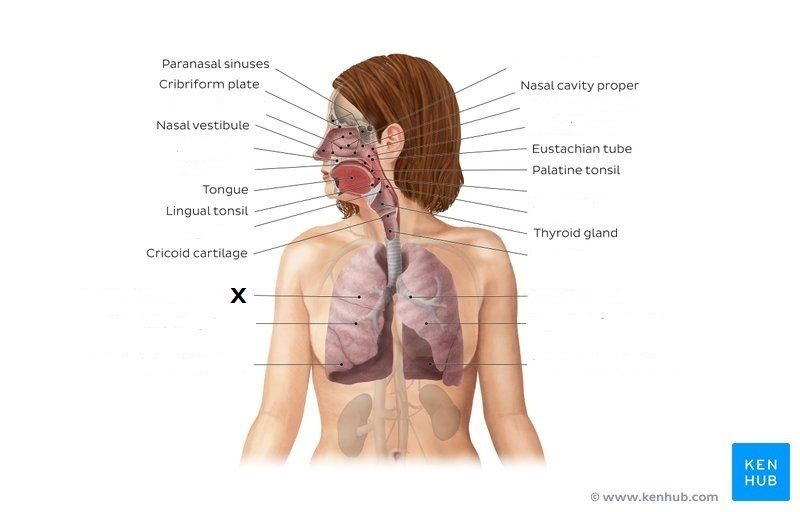
Answer
-
Nasal Meatus
-
Hard Palate
-
Soft Palate
-
Epiglottis
-
Superior Lobe Right Lung
-
Middle Lobe Right Lung
-
Inferior Lobe Right Lung
-
Superior Lobe Left Lung
-
Inferior Lobe Left Lung
-
Middle Lobe Left Lung
Question 8
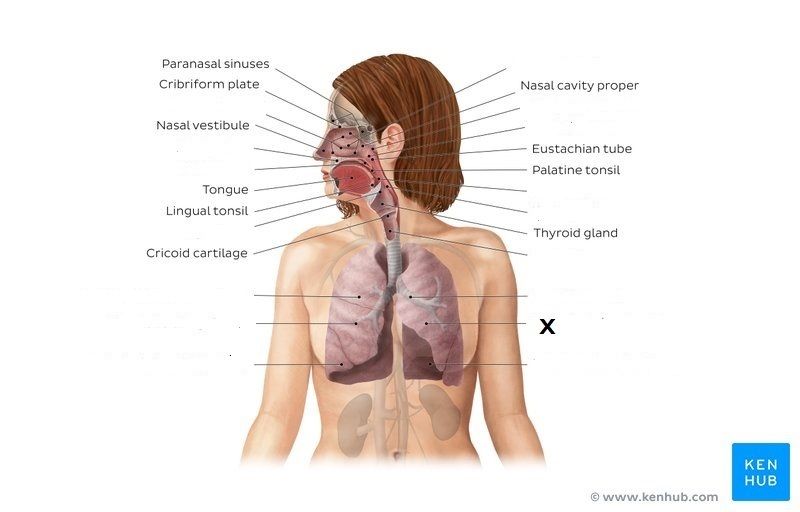
Answer
-
Nasal Meatus
-
Hard Palate
-
Soft Palate
-
Epiglottis
-
Superior Lobe Right Lung
-
Middle Lobe Right Lung
-
Inferior Lobe Right Lung
-
Superior Lobe Left Lung
-
Inferior Lobe Left Lung
-
Middle Lobe Left Lung
Question 9
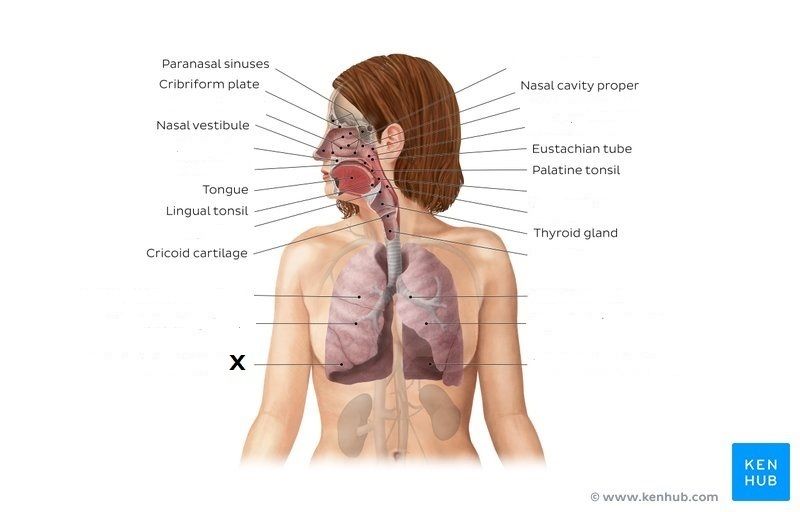
Answer
-
Nasal Meatus
-
Hard Palate
-
Soft Palate
-
Epiglottis
-
Superior Lobe Right Lung
-
Middle Lobe Right Lung
-
Inferior Lobe Right Lung
-
Superior Lobe Left Lung
-
Inferior Lobe Left Lung
-
Middle Lobe Left Lung
Question 10
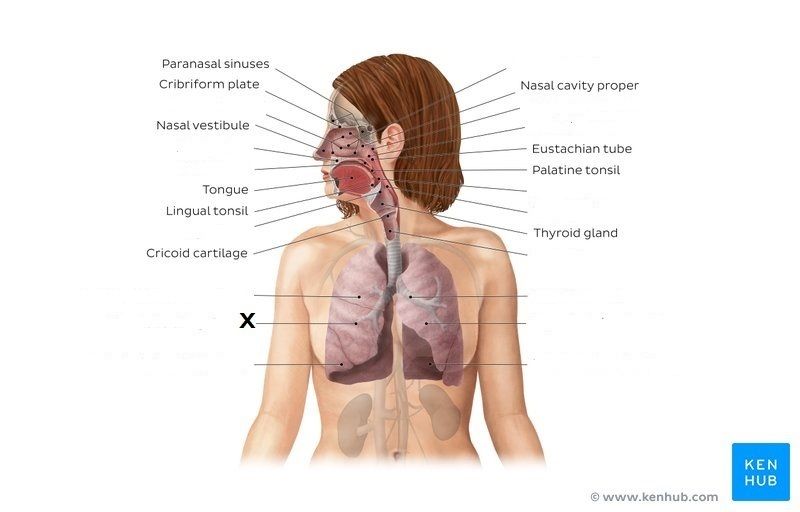
Answer
-
Nasal Meatus
-
Hard Palate
-
Soft Palate
-
Epiglottis
-
Superior Lobe Right Lung
-
Middle Lobe Right Lung
-
Inferior Lobe Right Lung
-
Superior Lobe Left Lung
-
Inferior Lobe Left Lung
-
Middle Lobe Left Lung
Question 11
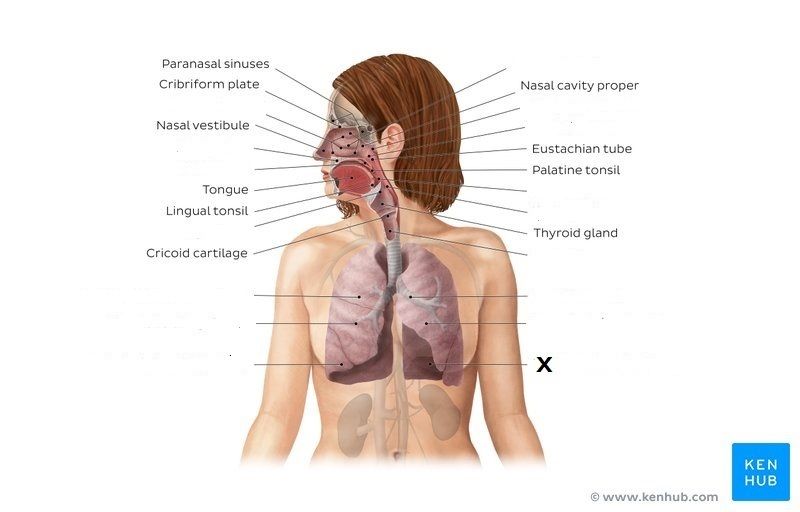
Answer
-
Nasal Meatus
-
Hard Palate
-
Soft Palate
-
Epiglottis
-
Superior Lobe Right Lung
-
Middle Lobe Right Lung
-
Inferior Lobe Right Lung
-
Superior Lobe Left Lung
-
Inferior Lobe Left Lung
-
Middle Lobe Left Lung
Question 12
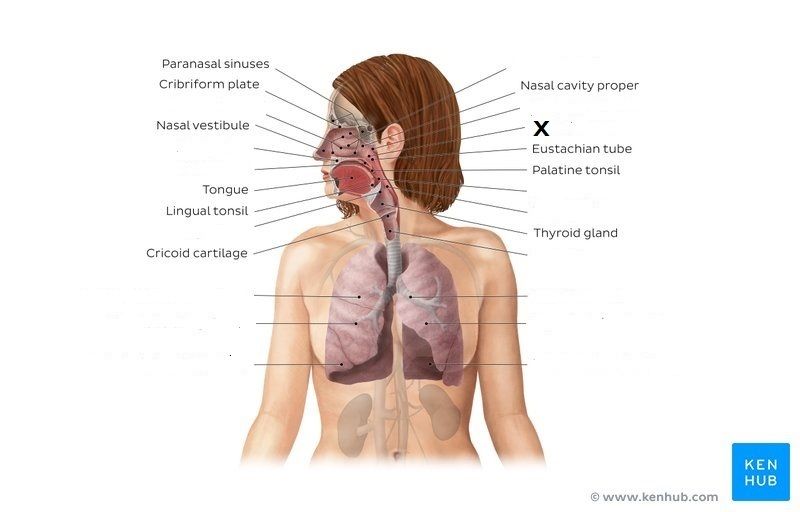
Answer
-
Nasal Meatus
-
Hard Palate
-
Nasal Conchae
-
Pharangeal Tonsil
-
Nasopharynx
-
Oropharynx
-
Laryngopharynx
-
Trachea
-
Main Bronchus
-
Epiglottis
Question 13
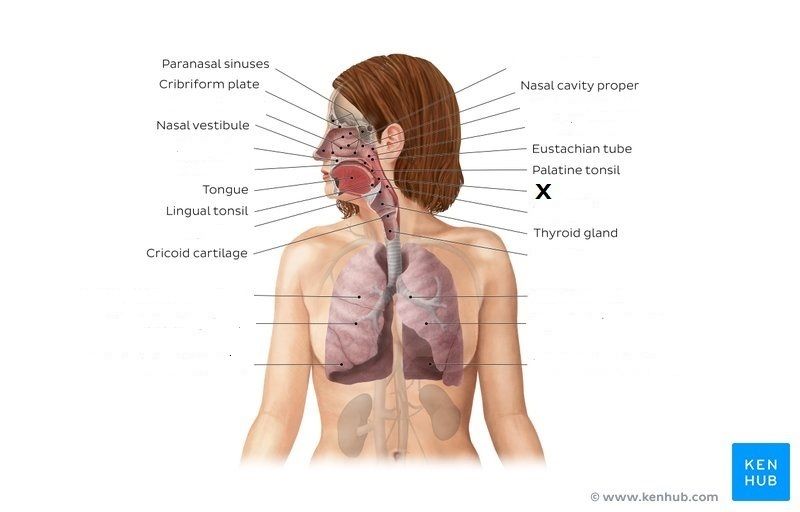
Answer
-
Nasal Meatus
-
Hard Palate
-
Nasal Conchae
-
Pharangeal Tonsil
-
Nasopharynx
-
Oropharynx
-
Laryngopharynx
-
Trachea
-
Main Bronchus
-
Epiglottis
Question 14
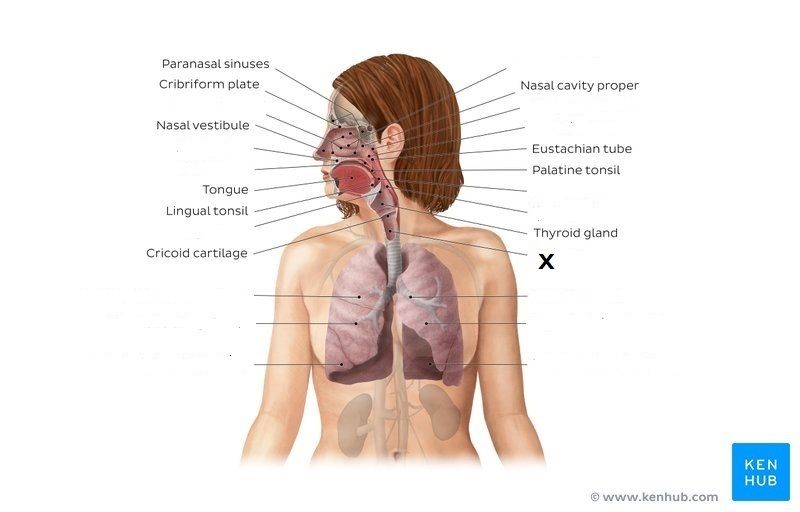
Answer
-
Nasal Meatus
-
Hard Palate
-
Nasal Conchae
-
Pharangeal Tonsil
-
Nasopharynx
-
Oropharynx
-
Laryngopharynx
-
Trachea
-
Main Bronchus
-
Epiglottis
Question 15
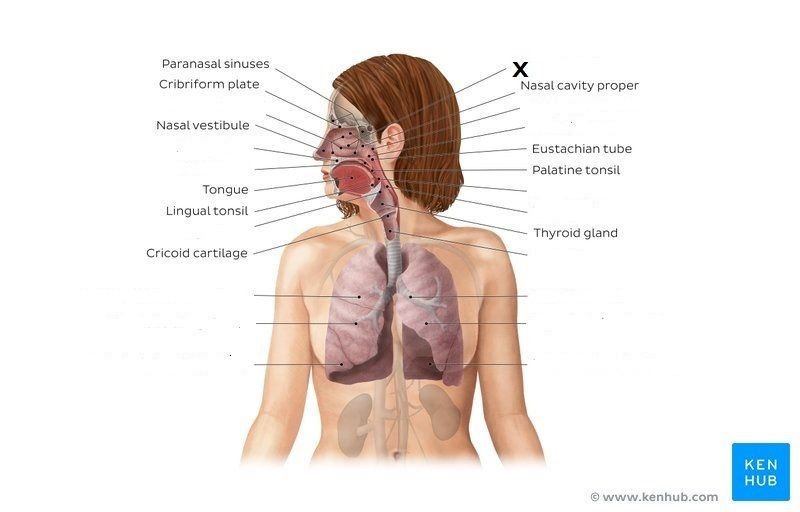
Answer
-
Nasal Meatus
-
Hard Palate
-
Nasal Conchae
-
Pharangeal Tonsil
-
Nasopharynx
-
Oropharynx
-
Laryngopharynx
-
Trachea
-
Main Bronchus
-
Epiglottis
Question 16
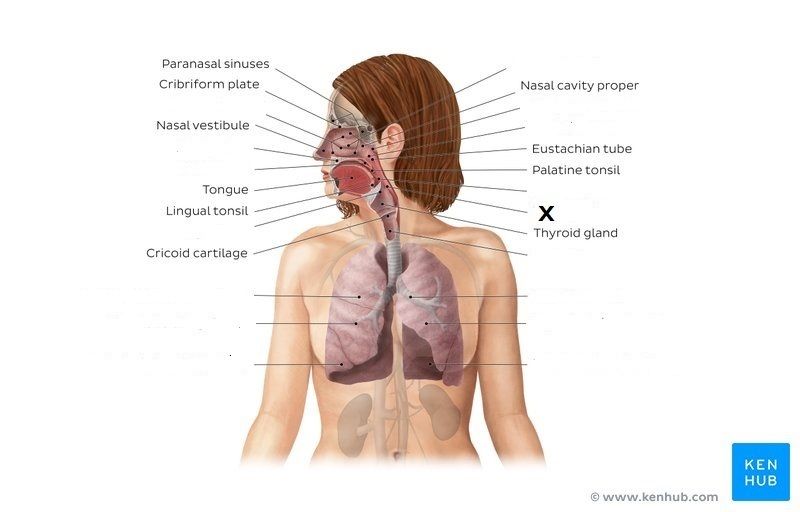
Answer
-
Nasal Meatus
-
Hard Palate
-
Nasal Conchae
-
Pharangeal Tonsil
-
Nasopharynx
-
Oropharynx
-
Laryngopharynx
-
Trachea
-
Main Bronchus
-
Epiglottis
Question 17
Question
What is the structure represented by the "X"?
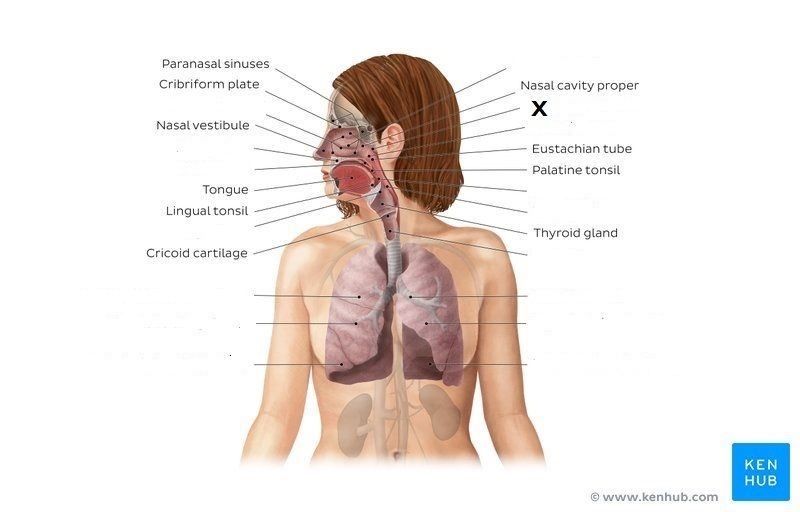
Answer
-
Nasal Meatus
-
Hard Palate
-
Nasal Conchae
-
Pharangeal Tonsil
-
Nasopharynx
-
Oropharynx
-
Laryngopharynx
-
Trachea
-
Main Bronchus
-
Epiglottis
Question 18
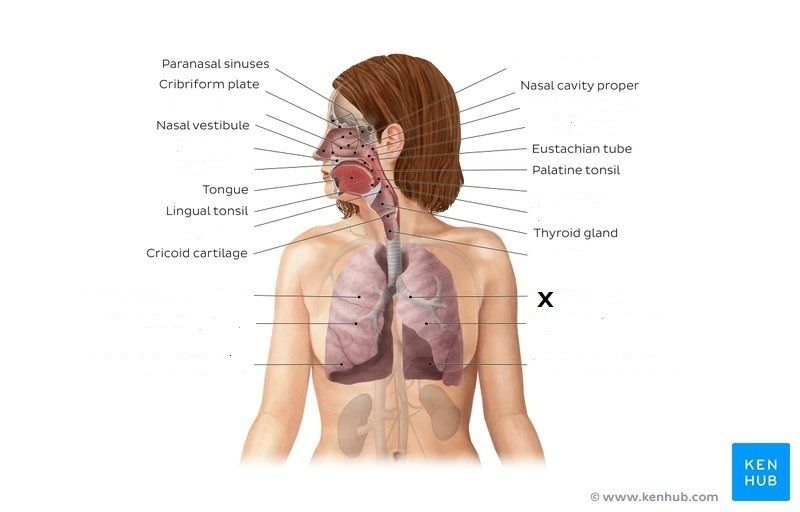
Answer
-
Nasal Meatus
-
Hard Palate
-
Nasal Conchae
-
Pharangeal Tonsil
-
Nasopharynx
-
Oropharynx
-
Laryngopharynx
-
Trachea
-
Main Bronchus
-
Epiglottis
Question 19
Question
What is the amount of air you can breathe out beyond a normal exhalation?
Answer
-
Expiratory Reserve Volume
-
Inspiratory Reserve Volume
-
Vital Capacity
-
Tidal Volume
Question 20
Question
Type II Cells perform gas exchange.
Answer
- True
- False
Question 21
Question
The reserve volume is the amount of air that remains in the lungs after the expiratory reserve volume is exhaled.
Answer
- True
- False
Question 22
Question
What structures is the pharynx divided into?
Answer
-
nasopharynx
-
oropharynx
-
laryngopharynx
-
epiglottis
Question 23
Question
Carbon Monoxide binds weakly to hemoglobin molecules.
Answer
- True
- False
Question 24
Question
The alveoli contain what kind of cells?
Answer
-
Type I Cells
-
Type II Cells
-
Alveolar Macrophages
-
Pontine Cells
Question 25
Question
Which is not involved in the control of respiration?
Answer
-
ventral respiratory group
-
dorsal respiratory group
-
pontine respiratory group
-
irritant receptors
Question 26
Question
Which is not a landmark structure of the larynx?
Answer
-
thyroid cartilage
-
epiglottis
-
cricoid cartilage
-
vocal cords
-
oropharynx
Question 27
Question
The anatomic dead space performs no gas exchange.
Answer
- True
- False
Question 28
Question
Atelectasis Is the collapse of part or all of the lung which can result from an airway obstruction.
Answer
- True
- False
Question 29
Question
Central chemoreceptors are brainstem neurons that respond to changes in pH of cerebrospinal fluid.
Answer
- True
- False
Question 30
Question
Which structure is the most superior layer of the larynx?
Answer
-
epiglottic cartilage
-
cricoid cartilage
-
glottis
-
oropharynx
Question 31
Question
the laryngeal prominence is a posterior enlargement of the thyroid cartilage.
Answer
- True
- False
Question 32
Question
Peripheral chemoreceptors do not respond to?
Answer
-
CO2
-
O2
-
pH
-
Nitrogen
Question 33
Question
What element doesn't cross the blood brain barrier very easily?
Answer
-
Hydrogen
-
Oxygen
-
Nitrogen
-
Carbon Dioxide
Question 34
Question
Carbon dioxide is mainly bound to hemoglobin.
Answer
- True
- False
Question 35
Question
Which nerves do aortic bodies use to communicate with the brainstem?
Answer
-
Vagus
-
Glossopharyngeal
-
Hypoglossal
-
Accessory
Want to create your own Quizzes for free with GoConqr? Learn more.