
Quiz
Writing to argue, persuade and advise revision
This quiz has question types that open in the usual player.
Questions in this quiz (10)
1What is meant by form, audience and purpose in relation to writing tasks

- AType of text, , who it is written for, reason for writing
- BStyle, people, effect
- CStructure, tone, effect
2For which purpose would a text have been written if it included anecdotal evidence?

- ATo argue
- BTo persuade
- CTo advise
3When writing to argue you must always include points from both sides of the argument

- ATrue
- BFalse
4Look at this plan for a piece of writing to argue. The candidate has been asked to write a letter to a local newspaper to express their views on the closure of a local school. Complete the plan by dragging and dropping the points that could be made as counter arguments.
Plan:
F = Letter so remember full addresses & postcodes, date in full. Start Dear . . . end Yours Faithfully.
A = Local people, particularly parents and children.
P = to argue that the school shouldn't be closed.
Main argument:
Lots of children attend the school
The next nearest school would mean a drive = more traffic, pollution, dangerous roads
Results have been getting better.
Counter argument.
[blank_start]Local population is aging[blank_end]
[blank_start]County council will run a bus[blank_end]
[blank_start]Results better at other school[blank_end]
- ALocal population is aging
- BThey can easily make new friends
- CCounty council will run a bus
- DThe children could walk there
- EResults better at other school
- FResults were worse this year
5Which of the following are convention of writing to persuade? Choose all that apply.

- AEmphatic language
- BRhetorical questions
- CEmotive language
- DShort sentences for impact
- EUse of the second person
- FThree-part lists (groups of three)
- GInteresting adjectives and verbs
- HCausal connectives
- ITemporal connectives
- JImperative verbs
6Annotate this advert which has been written to persuade by choosing from the drop-down menus to show where the conventions of writing to persuade have been used.
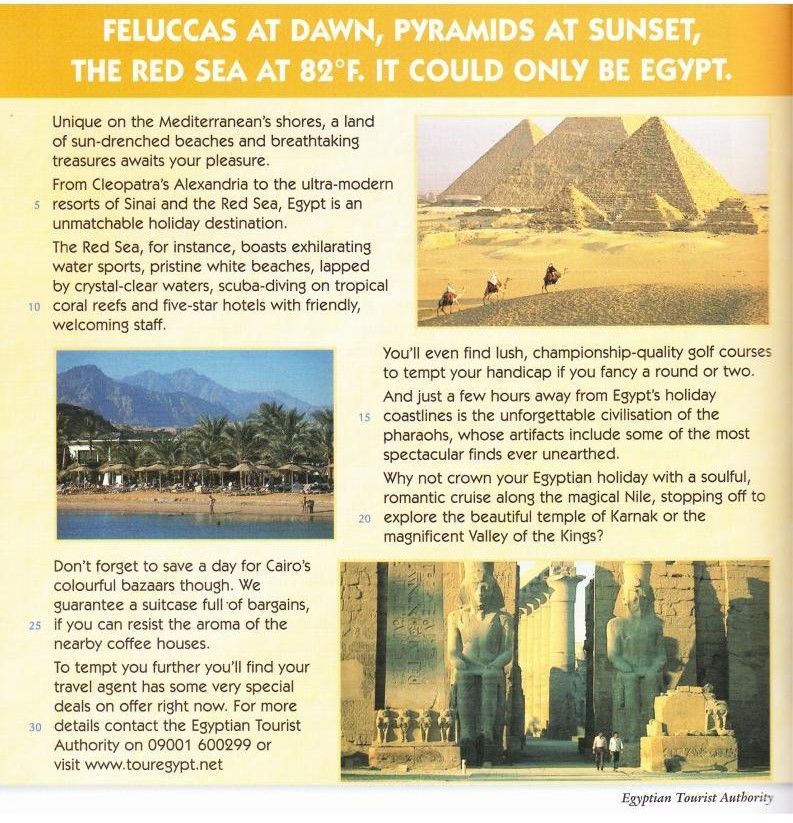
- AEmphatic language
- Bfact
- Cinteresting adverb
- Dinteresting noun
- EPersonal pronoun
- FThird person
- GTwo three-part lists
- HTwo short sentences
- IIdentifies with target audience
- JFormal tone distances audience
- KThree emotive adjectives
- LThree emotive verbs
- MRepetition
- NRhetorical question
- OMore emphatic language
- PMore emotive language
- QRhetorical question
- RDirect question
7Which types of pronouns should you use when writing in the second person?
- AI, me, mine
- BYou, your, yours
- CThey, them, theirs
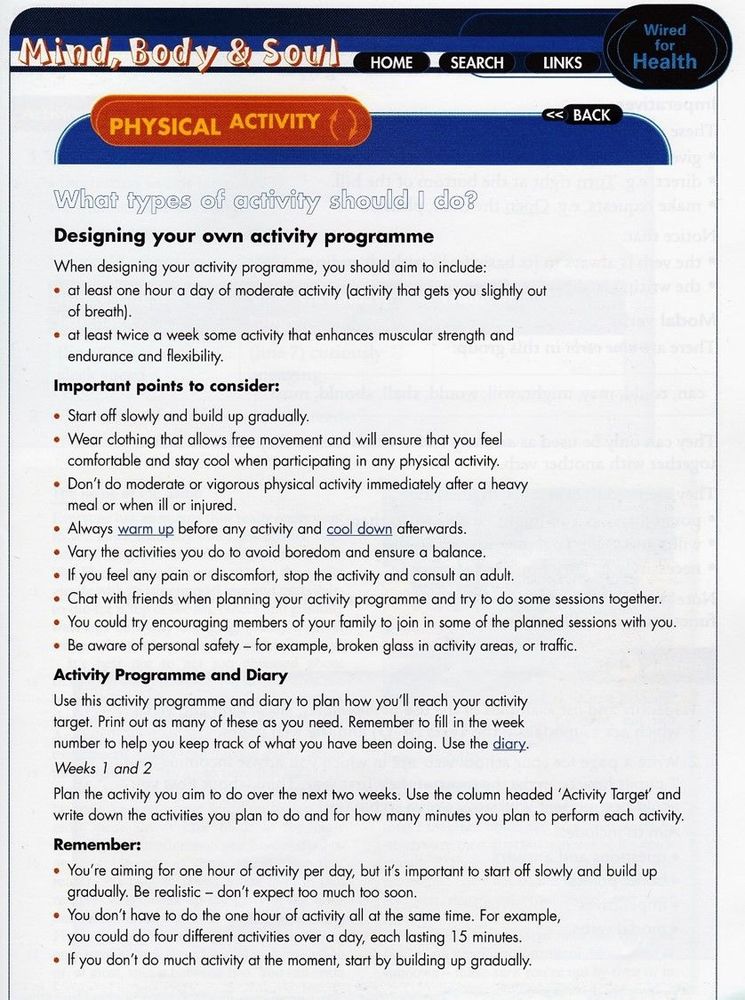
8In writing to advise the use of imperative and modal verbs is a key feature. Choose from the drop-down menus to label the types of verbs used in this advice text.
- AModal
- BImperative
- CImperative
- DModal
- EModal
- FImperative
- GImperative
- HModal
- IImperative
- JModal
- KModal
- LImperative
- MModal
- NImperative
9Which of these is not a convention of writing to advise?

- AImperative and modal verbs
- BDirect address using second person pronouns
- CVariety of sentence structures
- DSequential structure using sequential connectives
- ECounter argument
- FInteresting range of vocabulary
10Which of these conventions can be found in all three writing purposes, argue, persuade, advise? Choose all that apply.
- AVariety of sentence structures
- BEmotive language
- CEmphatic language
- DRhetorical questions
- ESequential connectives
- FImperative and modal verbs
Information
- Description
- A 10 question quiz to help learners revise the key features of writing to argue, persuade and advise.
- Author
- Sarah Holmes
- Language
- English
- Views
- 1,015
- Tags
- Rating
- 5.0 out of 5 · 3 ratings Rate this quiz