
Karteikarten
Infectious Diseases of the Head & Neck
Karten in diesem Stapel (82)
- 1Superficial fungal infections-Limited to mucocutaneous surfaces, hair, nails
-Treated with topical or Oral systemic antifungals - 2Deep fungal infections-Spread systemically, invade tissues, destroy vital organs
-May be endemic to certain geographic areas or opportunistic in immunodeficient individuals
-Typically treated with IV, oral antifungals (amphotericin B, azoles) - 3Candida species normally reside... Infections are generally localized to...-in skin, the mouth, GI tract, & vagina
-Mucocutaneous surfaces:
>>Vulvovaginal area
>>Oral cavity
>>Diaper rash
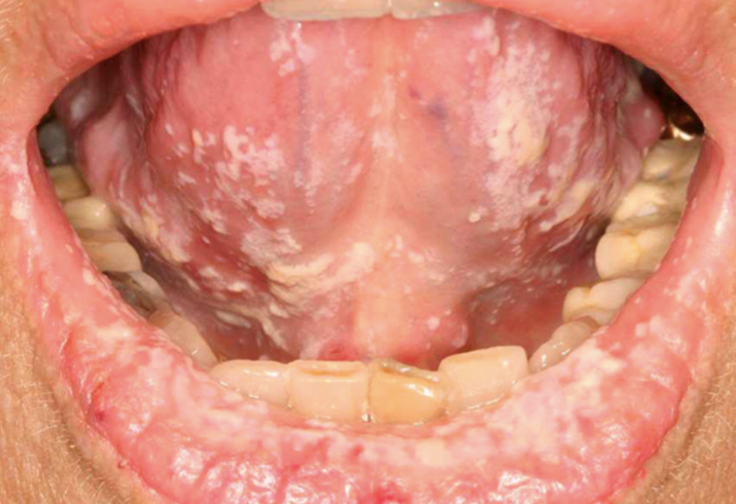
>>Esophagus - 4What are our "white" candida infections of the oral cavity-Pseudomembranous candidiasis (thrush)
-Chronic hyperplastic candidiasis - 5What are our "red" candida infections of the oral cavity-Erythematous (atrophic) candidiasis
-Denture stomatitis
-Median rhomboid glossitis
-Angular chelitis - 6Pseudomembranous candidiasis-Curdy, white plaques/papules
-characteristically wipeable and often reveals an erythematous base
-Patients may complain of sensitivity or dysgeusia
-Typically associated w/ some kind of (mild) immune suppression - 7Chronic hyperplastic candidiasis-Solitary white plaque that cannot be rubbed off
-Rarest clinical presentation of candidiasis
-highly suspicious for leukoplakia; biopsy necessary for diagnosis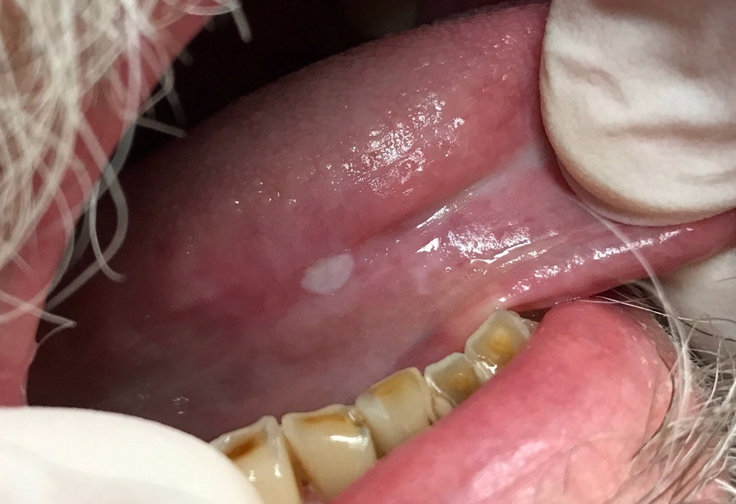
- 8Erythematous (atrophic) candidiasis-erythematous, tongue dorsum atrophic when involved
-Common presentation of candidiasis (together with pseudomembranous candidiasis)
-Patient may complain of burning/sensitivity
-May be seen following course of antibiotics or in context of dry mouth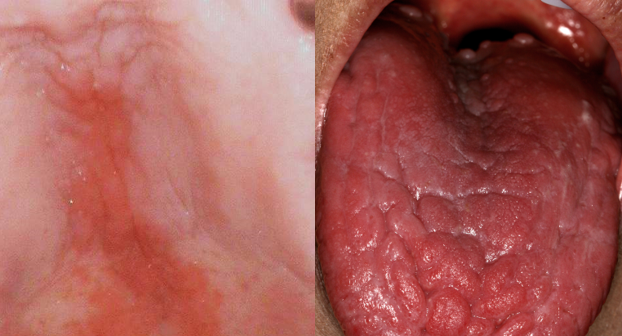
- 9Denture stomatitis-erythematous candidiasis restricted to mucosa beneath a denture base
-patient will admit to wearing their denture continuously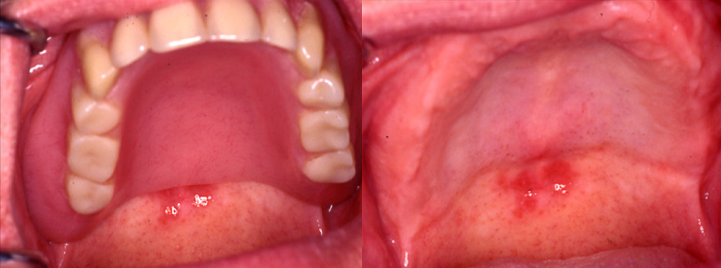
- 10Differential diagnosis for denture stomatitis(includes a few similarly-appearing but relatively rare etiologies)
-Excessive pressure on mucosa (improper denture design)
-Allergy to denture base
-Inadequate curing of denture acrylic - 11Median Rhomboid Glossitis-candidiasis involving the midline dorsum of the tongue
-may present as a focal area of depapillation/atrophy and erythema or as area of nodularity
-On occasion, a 'kissing' lesion may be present on the palatal mucosa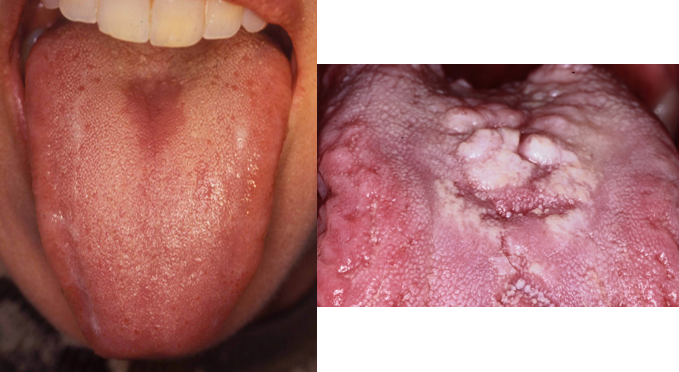
- 12Differential diagnosis for median rhomboid glossitisgeographic tongue
- 13Angular cheilitis-erythema, maceration, scaling, fissuring of the corners of the mouth (usually bilateral, sometimes painful)
-Caused by excessive moisture/maceration from saliva
-Secondarily infected w/ Candida albicans; less commonly w/ Staph aureus
-Especially common in denture-wearers and children
-Should be distinguished from herpes labialis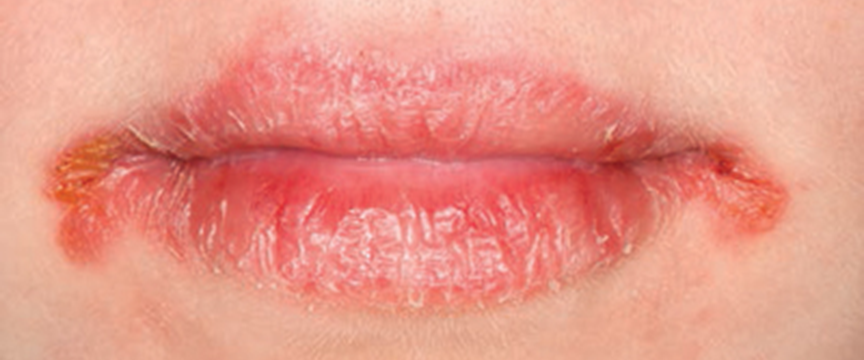
- 14Management of most forms of candidiasis-Nystatin= mouth rinse
-Clotrimazole troches= particularly good for treating median rhomboid glossitis
-Fluconazole PO= systemic broad spectrum drug (contraindications/cautions include pregnancy, liver disease, renal disease, arrhythmia or arrhythmogenic medications) - 15Management of Denture stomatitis-Apply miconazole cream onto denture base TID
-Soak denture in solution overnight
-Discontinue overnight wearing of denture - 16Management of angular cheilitis-Clotrimazole ointment or cream
-Improve denture fit/cleaning; use Vaseline as barrier cream - 17Chronic mucocutaneous candidiasis-heterogenous group of syndromes characterized by noninvasive Candidal infections of the skin, nails, and mucous membranes
-Caused by genetic defects of the immune system
-Disease manifests within first few years of life - 18APECED Syndrome-Mutations in AIRE (autoimmune regulator)
-Autoimmune PolyEndocrinopathy
-Candidiasis
-Ectodermal Dystrophy - 19Aspergillosis-Common causative agent of allergic fungal rhinosinusitis
-Some patients are allergic to superficial infections of one or more fungi in the sinonasal tract
-represents 5-10% of all chronic rhinosinusitis cases
-Treated w/ surgical debridement, intranasal steroids - 20Superficial infection of aspergillosis may also present as...Aspergilloma
-represents a fungus ball comprised of aspergillus hyphae
-Most common in pulmonary cavities, maxillary sinus
-Symptoms are non-specific (resembles chronic sinusitis)
-Treated by conservative removal - 21Deep Fungal infections-usually endemic to certain geographic regions
-Infections have acute, chronic, disseminated phases
-Lungs usually the primary site of infection
-Oral cavity, if involved, usually in context of chronic/disseminated disease
(Oral cavity presentation non-specific and often suggestive of aggressive lesion or malignancy; biopsy required) - 22Deep Fungal infections: HistoplasmosisOhio & Mississippi river valleys
-80-90% have been infected - 23Deep Fungal infections: BlastomycosisEastern half of US/Canada extending to the great lakes
-9:1 male predilection - 24Deep Fungal infections: Paracoccidiomycosis'South American blastomycosis'
-15:1 male predilection (female sex hormone seems to be protective) - 25Deep Fungal infections: CoccidiomycosisSouthwestern USA
-(San Joaquin) Valley Fever
-Rare hypersensitivity reaction - 26Deep Fungal infections: Mucormycossi-Diabetic patients in ketoacidotic state particularly susceptible
-Rhino-orbital-cerebral infection most common
-Devastating, rapid disease progression requires immediate surgery & IV ampotericin B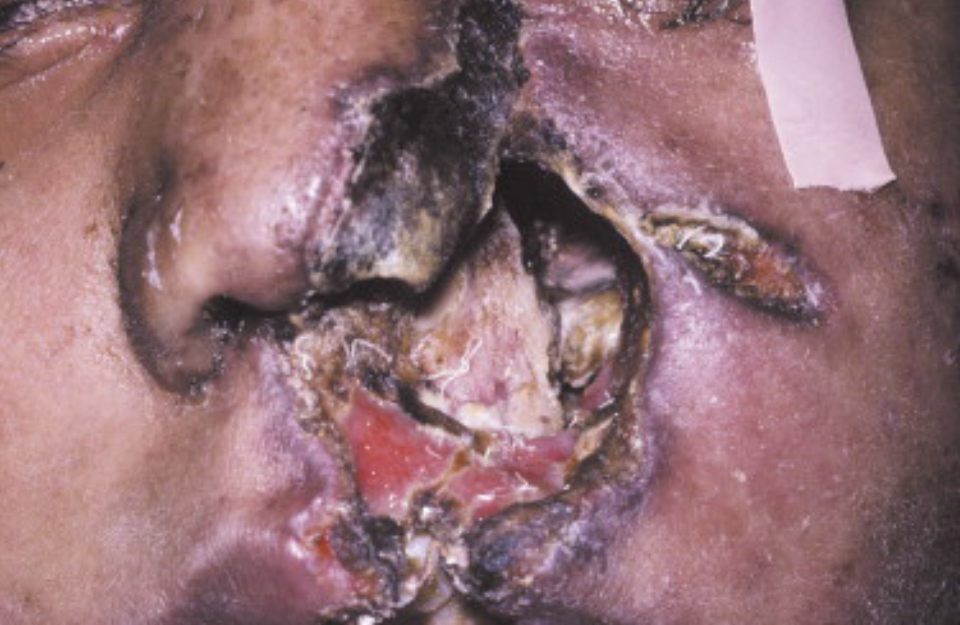
- 27Deep Fungal infections: Cyptococcosis-Most commonly seen in setting of HIV/AIDS
-Typically presents as cryptococcal meningitis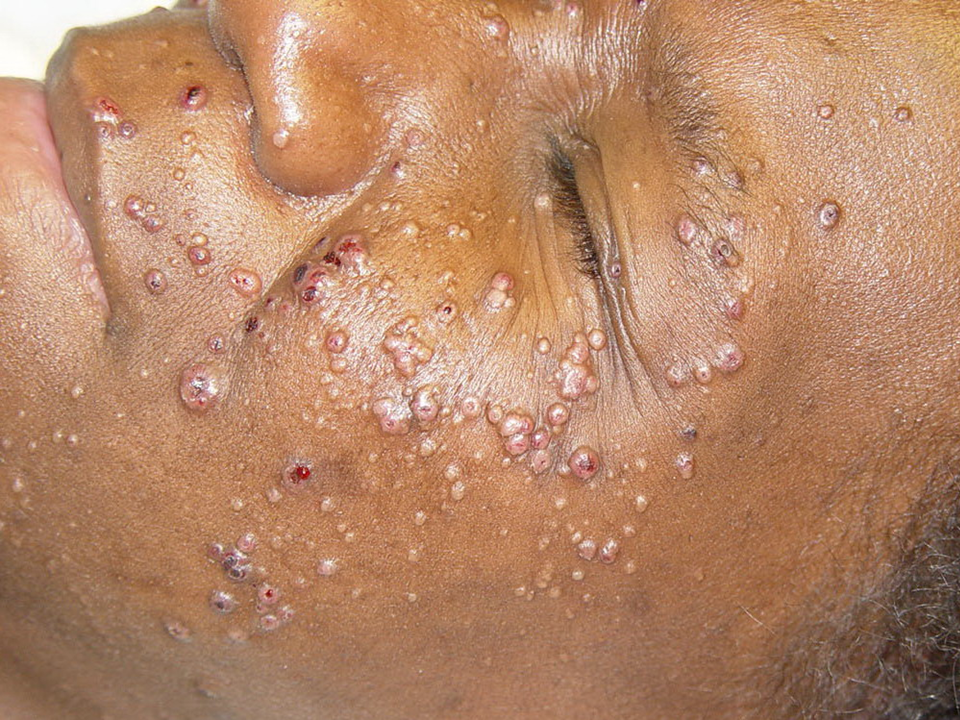
- 28Cat Scratch Disease-Self-limited regional lymphadenopathy
-Caused by Bartonella henselae
-Most common cause of regional lymphadenopathy in children
-Results from scratch/bite of infected cat
-80% of cases occur in 1st-2nd decade
-5 day course of azithromycin preferred management - 29Clinical Features of Cat Scratch Disease-Pustule/papule develops along initial scratch line
-2-3 weeks later= Regional LAD, Fever/malaise
-Lymph nodes tender
-Overlying skin may be erythematous
-Usually resolves over 1-4 months
-Initial site of trauma often resolved by time of regional LAD - 30Impetigo-Contagious superficial bacterial infection
-Staph aureus is most common causative agent
-Most frequently kids ages 2-5yr
-May present as primary infection or normal skin or secondary impetiginization of previously damaged skin (abrasions, minor trauma, insect bites, eczema)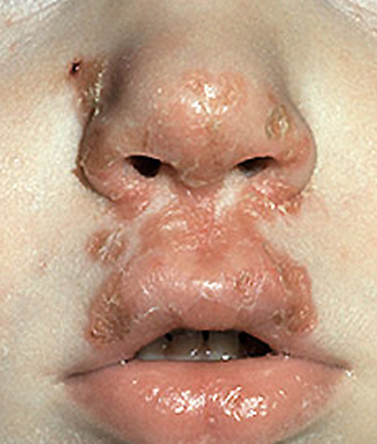
- 31Non-bullous Impetigo-Most common clinical presentation of impetigo
-Erythematous papules and vesicles that form adherent crusts
-Characteristic golden appearance
-Regional lymphadenitis may occur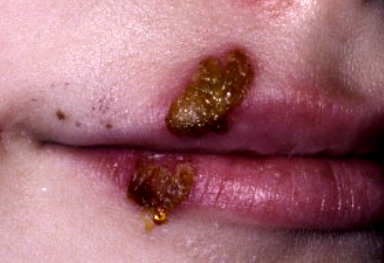
- 32Bullous Impetigo-Characterized by vesicles and flaccid bullae
-Caused by specific strains of Staph aureus that produce exfoliative toxin A
>>Targets desmoglein 1, resulting in loss of cell-cell adhesion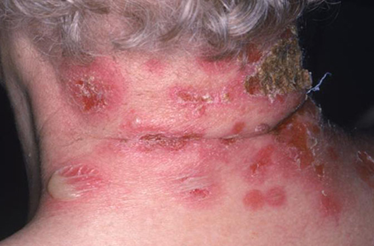
- 33Treatment of ImpetigoTopical or oral therapy
-Topical with limited skin involvement (remove scale w/ damp cloth; mupirocin, retapamulin for 5 days)
-Oral when numerous lesions present (Dicloxacillin, cephalexin for 7 days) - 34Actinomycosis-serious, chronic bacterial infection caused by Actinomyces
-Many different clinical presentations
>>Cervicofacial (55%)
>>Abdominal (20%)
>>Thoracic (15%)
>>Others - 35Actinomycosis characteristic clinical features-Chronicity & mass-like features w/ no respect for tissue boundaries
-Sinus tract formation
-Refractory/relapsing disease after short-course antibiotic therapy - 36Actinomycosis treatmentIV penicillin for 2-6 weeks followed by PO penicillin/amoxicillin for up to 6-12 months
- 37Cervicofacial Actinomycosis ('lumpy jaw')-most commonly presents as painless mass at angle of the jaw
-firm, wooden consistency
-slow, contiguous spread
-LAD uncommon
-Ill-defined radiolucency of jaw bones
-Sinus tract formation with sulfur granules typically identified (represents bacterial colonies) - 38Actinomyces-a part of the endogenous flora of mucous membranes (oral cavity, colon, vagina, bronchi)
-disruption of mucosal barrier integral to pathogenicity of Actinomyces
>>tooth extraction
>>grossly carious tooth
>>mandibular fracture - 39Syphilis-Sexually transmitted disease caused by Treponema pallidum
-Transplacental transmission occurs readily
-Primary, Secondary, Tertiary, and Congenital - 40Primary Syphilis-Chancre appears after 3-90 days at the site of sexual contact
-characteristic ulceration
-highly contagious (numerous treponemes present)
-regional LAD present
-Heals within 3-6 weeks even if untreated - 41Secondary Syphilis-Occurs in 25-50% of untreated patients
-Within 4-10 weeks of chancre
-Diffuse/symmetric maculopapular skin rash involving the trunk, extremities, palms/soles
-self-resolving but reappear
-Generalized symptoms
-Risk of transmission through intact skin low - 42Mucosal Lesions of secondary syphilis-Mucous patches
>>Contain numerous treponemes and are highly contagious
-Condyloma lata - 43Tertiary Syphilis-Occurs in 25-40% of untreated patients
-Typically after a latent period of 1-30years
-Syphilitic involvement of heart/aorta, brain/nerves, eyes; death in some cases
-Nodular granulomatous lesions called gummas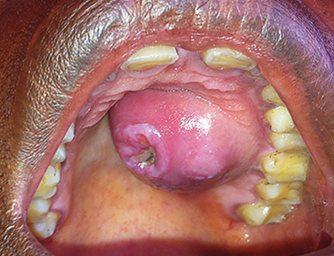
- 44Congenital Syphilis-T. pallidum readily crosses the placenta, resulting in fetal infection
-Risk is highest during untreated primary/secondary syphilis
-Infection results in:
>>Spontaneous abortion (40%)
>>Premature birth
>>Wide spectrum of clinical manifestations - 45Clinical Manifestations of Congenital Syphilis-Skeletal syphilis is the most common manifestation of early disease
-Hutchinson triad relatively specific presentation of late congenital syphilis:
>>Hutchinson teeth (Hutchinson incisors, mulberry molars)
>>Interstitial keratitis
>>Sensorineural hearing loss - 46Diagnosis and Management of Syphilis-Serologic testing of blood specimens
>>Non-treponemal Ab tests
>>Treponemal Ab tests
-Tests have varying sensitivities during various stages and confirmatory testing necessary
-Penicillin treatment of choice regardless of stage - 47Scrofula-Oropharyngeal/cervical tuberculosis
-Contracted by drinking milk contaminated w/ Mycobacterium bovis
-Cervical lymphadenitis
-Secondary ulceration, fistula, abscess formation
-Same treatment as pulmonary TB
-Lymph nodes may be calcified in severe/longstanding cases
-Oral cavity lesions uncommon, generally occur in context of secondary/disseminated disease following primary pulmonary infection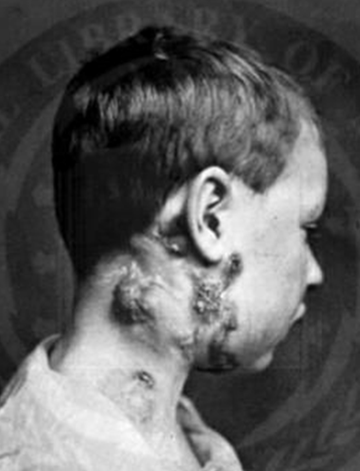
- 48Scarlet Fever-Represents delayed-type hypersensitivity reaction to S. pyogenes exotoxin
-Diffuse erythematous skin eruption
>>Clears within 1 week
>>Desquamates over 8 weeks
-Characteristic tongue changes over 5 days
-Generally occurs in association w/ strep pharyngitis
-Treatment directed towards underlying strep. pharyngitis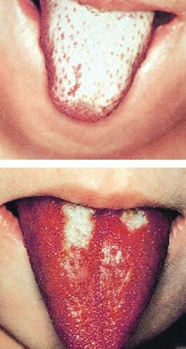
- 49Diphtheria-Serious infection caused by Corynebacterium diptheria
-Commonly presents as sore throat, low-grade fever, malaise, cervical LAD
-Gray, necrotic-appearing, firmly adherent pseudomembrane may develop over tonsils/pharynx
-Uncommon and readily preventable by DTP vaccine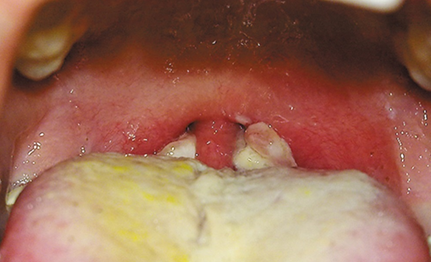
- 50Herpes Simplex Virus-1 (HSV-1)-Typically affects oral, facial ocular areas
-transmitted person/person via infected oral secretions during close contact
-90% seropositivity worldwide by 4th decade
-50-60% seropositivity in US (& declining) - 51Herpes Simplex Virus-2 (HSV-2)-typically affects genital areas
-transmitted sexually
-15-20% seropositivity worldwide and in US
-Greater in lower socioeconomic groups - 52Primary Oral HSV Infection-Majority of infected children are asymptomatic
-15-30% of children: herpetic gingivostomatitis
-Self-limiting (10-20 days) ulcerative lesions of gingiva/entire mouth
-May be accompanied by fever
-Most symptomatic infections occur btwn 6months and 5yrs
-Managed w/ supportive care (fluids, analgesics)
>>Dehydration is most common complication
>>Acyclovir may shorten disease course in some cases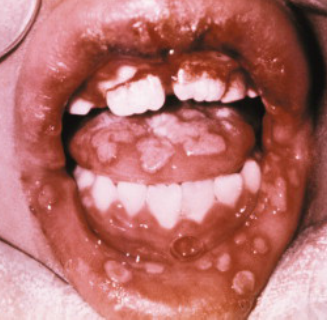
- 53Primary Oral HSV Auto-inoculations-Herpetic keratitis (major cause of blindness worldwide)
-Herpetic whitlow (resolves over 2-3weeks but may recur)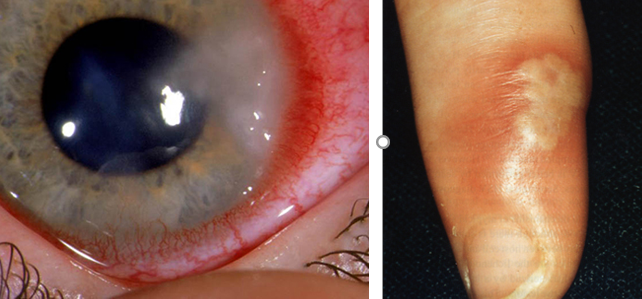
- 54LatencyPersistence of viral genomes in cells that do not produce infectious virus
-Orofacial HSV establishes latency in trigeminal ganglion - 55Recrudescence-viral dissemination unaccompanied by tissue injury
- 56Herpes Labialis: clinical featuresReactivation usually triggered by:
-Stress
-Immunodeficiency
Self-limiting 5-10day course
-prodromal symptoms 6-24hrs before visible lesions develop
-Clusters of vesicles that rupture and crust within 2days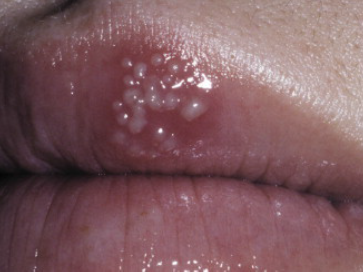
- 57On average, how many recurrences of herpes labialis do patients experience annually2-10
- 58Herpes labialis vs. Angular CheilitisHerpes Labialis
-rarely bilateral
-typically painful
-prodromal symptoms may be reported
-self-limiting (heals within 5-7days)
Angular Cheilitis
-Exclusively on commissure of lips
-frequently bilateral
-typically painless
-no prodromal symptoms
-does not resolve on its own - 59Herpes labialis treatment-Valacyclovir PO: 2g during prodrome; 2g 12hr later
-Prophylactic valacyclovir for short-term use: 1g QD for duration of beach trips, ski vacations, etc. - 60Varicella-zoster virus (HHV-3)-Historically greater than 95% seroprevalence in US
-Varicella (chickenpox) affected almost everybody by age 20
-Self-limiting (1-2weeks) infection characterized by fever, malaise, generalized pruritic rash
-younger onset= milder disease
-Highly contagious - 61Recurrent VZV infection (herpes zoster; shingles)-following primary infection (chickenpox), VZV establishes latency in sensory neurons
>>dorsal root ganglia
>>trigeminal ganglion (rare)
-Viral reactivation with transport along sensory neurons to skin constitutes recurrent disease
-estimated to affect 30% of the population - 62Shingles clinical appearance-affected dermatome shows erythema, vesicle formation, ulceration
-prodromal pain may precede for days/weeks
-thoracic, lumbar dermatomes most commonly involved - 63Epstein-Barr virus (HHV-4)-Approximately 90-95% seropositivity worldwide (majority of primary infections subclinical)
-Cause of many diseases
>>Infectious mononucleosis
>>Lymphomas, nasopharyngeal carcinoma
>>EBV mucocutaneous ulcer, hairy leukoplakia - 64Infectious mononucleosis-acute illness due to EBV infections
-Occurs mainly in adolescents, young adults
-Characterized by fever, pharyngitis, fatigue, tender cervical LAD
-Palatal petechiae may be present
-managed w/ supportive therapy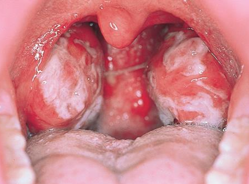
- 65Coxsackievirus-Most infections asymptomatic/subclinical
-Symptomatic infections usually affect infants & young children
>>Hand, foot, and mouth disease
>>Herpangina
>>Acute lymphonodular pharyngitis (less common, overlapping features of HFMD/Herpangina)
-Oral-fecal transmission - 66Hand, foot, & mouth disease-Self-limiting disease (7-10 days)
-Clinical diagnosis
-Supportive care only
-No/low-grade fever (< 101°F)
-Erythema and small papuloulcerative lesions involving:
>>Fingers
>>Toes
>>Oral cavity: typically anterior - 67Herpangina-Self-limiting disease (7-10 days)
-Clinical diagnosis
-Supportive care only
-High fever (> 102°F)
-Erythema and small papuloulcerative lesions involving:
>>Pharynx: less than 10 - 68Measles-caused by morbillivirus genus (uncommon w/ routine MMR vaccination)
-Highly contagious viral illness with 9-day course
>>Fever, malaise, cough, rhinitis
>>Erythematous (morbilliform) rash
>>Koplik spots on buccal mucosa (Represent foci or epithelial necrosis)
>>Complications in up to 40% of patients
-fatality rate as high as 25% in countries w/ low vaccine coverage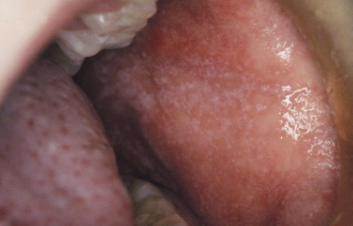
- 69Mumps (epidemic parotitis)-Caused by paramyxovirus genus
-highly infectious and spread by respiratory droplets
-most common viral cause of sialadenitis
-Acute, self-limited viral syndrome
>>approximately 2week duration
>>sporadic outbreaks still occasionally occur in spite of routine MMR vaccination
-Treatment symptomatic/palliative - 70Sialadenitisinfection of salivary glands
- 71Clinical features of mumps-low-grade fever, malaise, headache, myalgia
-Parotitis in 95% of cases; bilateral in 90%
-Lasts approx. 10 days
-Increased serum amylase
-Epididymoorchitis w/ testicular pain & swelling (40% of males; impaired fertility may result, sterility rare)
-Oophoritis, pancreatitis
-Aseptic meningitis - 72Kaposi Sarcoma-vascular disorder/neoplasm resulting from HHV-8 infection
-Most prevalent tumor among AIDS patients (incidence has decreased ~90% since introduction of ART)
-60-70% of HIV/AIDS patients w/ KS have oral involvement
-Oral cavity involvement in 2-5% of non-epidemic cases
-Occurs in 4 distinct clinical settings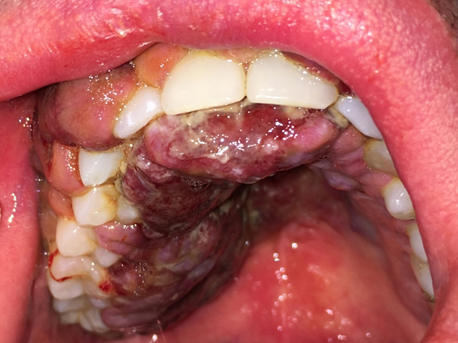
- 73Classic KS-indolent cutaneous lesions in elderly males of Eastern European/Mediterranean descent
- 74African endemic KS3 major subtypes
-Indolent cutaneous form (similar to classic type)
-Locally aggressive cutaneous form
-Aggressive form presenting in childhood (generalized LAD, with/without cutaneous lesions, rapidly fatal) - 75Iatrogenic KSrare complication of immunosuppression
- 76Epidemic/AIDS-associated KSwidespread mucocutaneous lesions in patients with AIDS
-Strong predilection for homosexual men - 77Presentation of Kaposi SarcomaPresentation similar regardless of clinical setting:
-Patch stage: early macules
-Plaque stage: plaques
-Tumor stage: progression to larger nodules - 78ART in HIV/AIDSAnti-retroviral Therapy
-should be administered early following infection as possible, regardless of CD4 count (associated w/ improved outcomes)
-ART is a cocktail of:
>>Nucleoside & non-nucleoside reverse transcriptase inhibitors
>>protease inhibitors
>>fusion inhibitors
>>integrase inhibitors
>>CCR5 inhibitors - 79HIV Infectiondon't hate me but I really got lazy and I feel like we've been over this enough that I don't want to make flashcards for it
- 80AIDS is defined by...-CD4 T-cell count <200cells/uL
>>Average time from HIV acquisition to CD4 T-cell count < 200 cells/μL: 8-10 years in untreated patient
(normal CD4 count: 500-1500 cells/μL)
-Presence of any AIDS-defining illness
>>main contributors to morbidity/mortality prior to introduction of ART - 81Some of the more common AIDS-defining illnesses-Pneumocystis jiroveci pneumonia
-Esophageal candidiasis
-Kaposi Sarcoma
-Disseminated Mycobacterium avium infection - 82Oral & Maxillofacial lesions seen in HIV/AIDS-Candidiasis (most common intraoral manifestation of HIV)
-Hairy Leukoplakia (sign of advanced disease)
-Kaposi sarcoma
-Persistent generalized LAD
-Necrotizing ulcerative gingivitis/periodontitis
-Diffuse HPV lesions
-HIV salivary gland disease
-Increased cancer risk
Informationen
- Beschreibung
- NDBE Oral Path Karteikarten am Infectious Diseases of the Head & Neck, erstellt von Laura Gennaro am 20/01/2018.
- Erstellt von
- Laura Gennaro
- Aufrufe
- 129
- Tags
- Bewertung