
Karteikarten
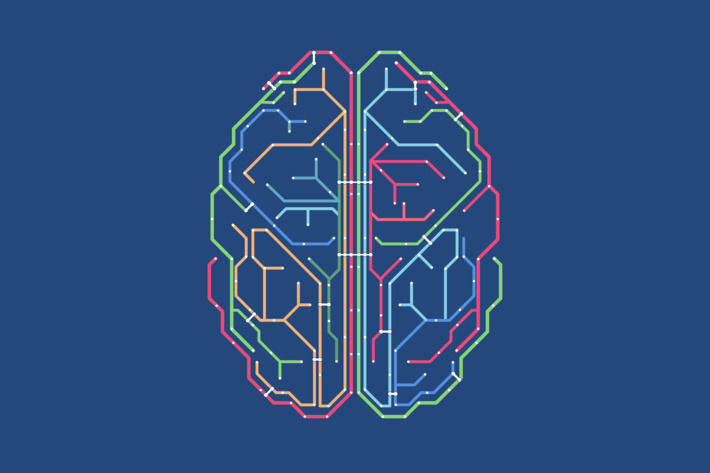
Neuroscience and Education
Karten in diesem Stapel (17)
- 1Neuroscience and EducationNeuroscience
Investigates the processes by which the brain learns and remembers, from the molecular and cellular levels right through to brain systems. - 2Brain cells and SynapsesBrain cells (neurons) transmit information via electrical signals, which pass from cell to cell via synapses, triggering the release of neurotransmitters (chemical messengers)
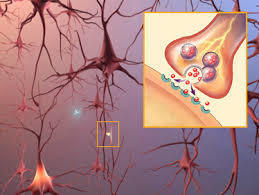
- 3—Learning consists of changes in connectivity, Successful teaching therefore, directly affects brain function, by changing connectivity.
successful learning is dependent on the curriculum, the teacher, context in classroom, in family, in school, community, diet, or medications.
- 4Neuroimaging potentialNeuroimaging offers the potential to study effects of different diets, food additives, medications and toxins on educational performance
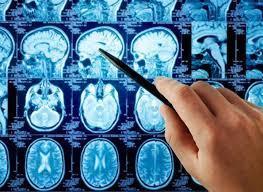
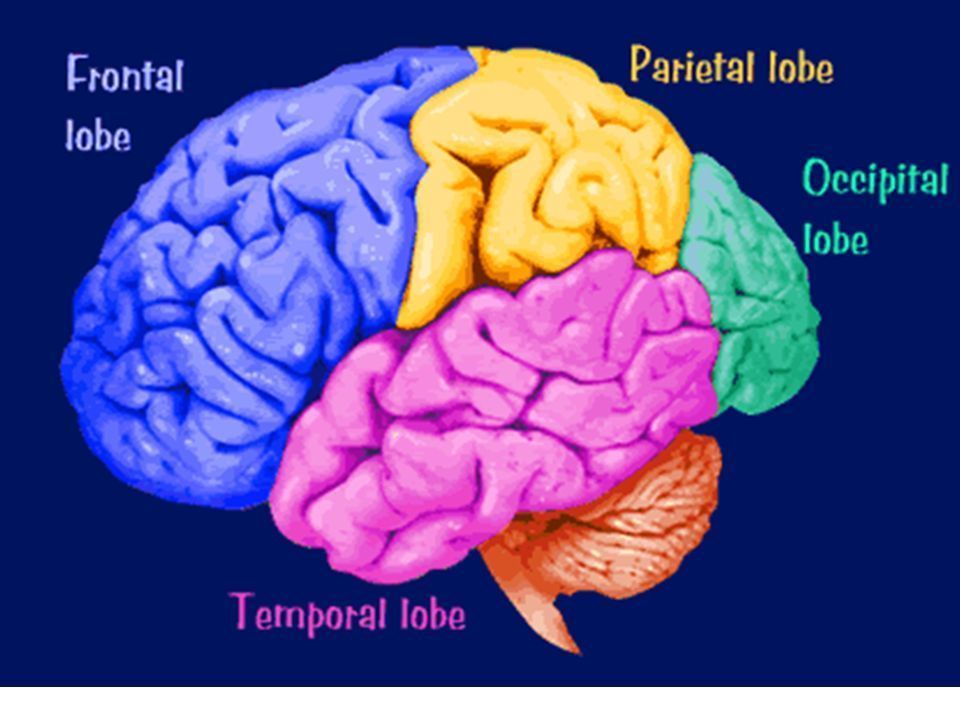
- 5Cognitive Neurosciencethe scientific field that concerns about the processes and aspects about the cognition. It may help to identify special needs and potentially able to deliver important information to modify educational curricula.
- 6Synaptogenesisit is a formation of synapses between neurons in the nervous system.
It occurs throughout a healthy person's lifespan, but an explosion of synapse formation occurs during early brain development.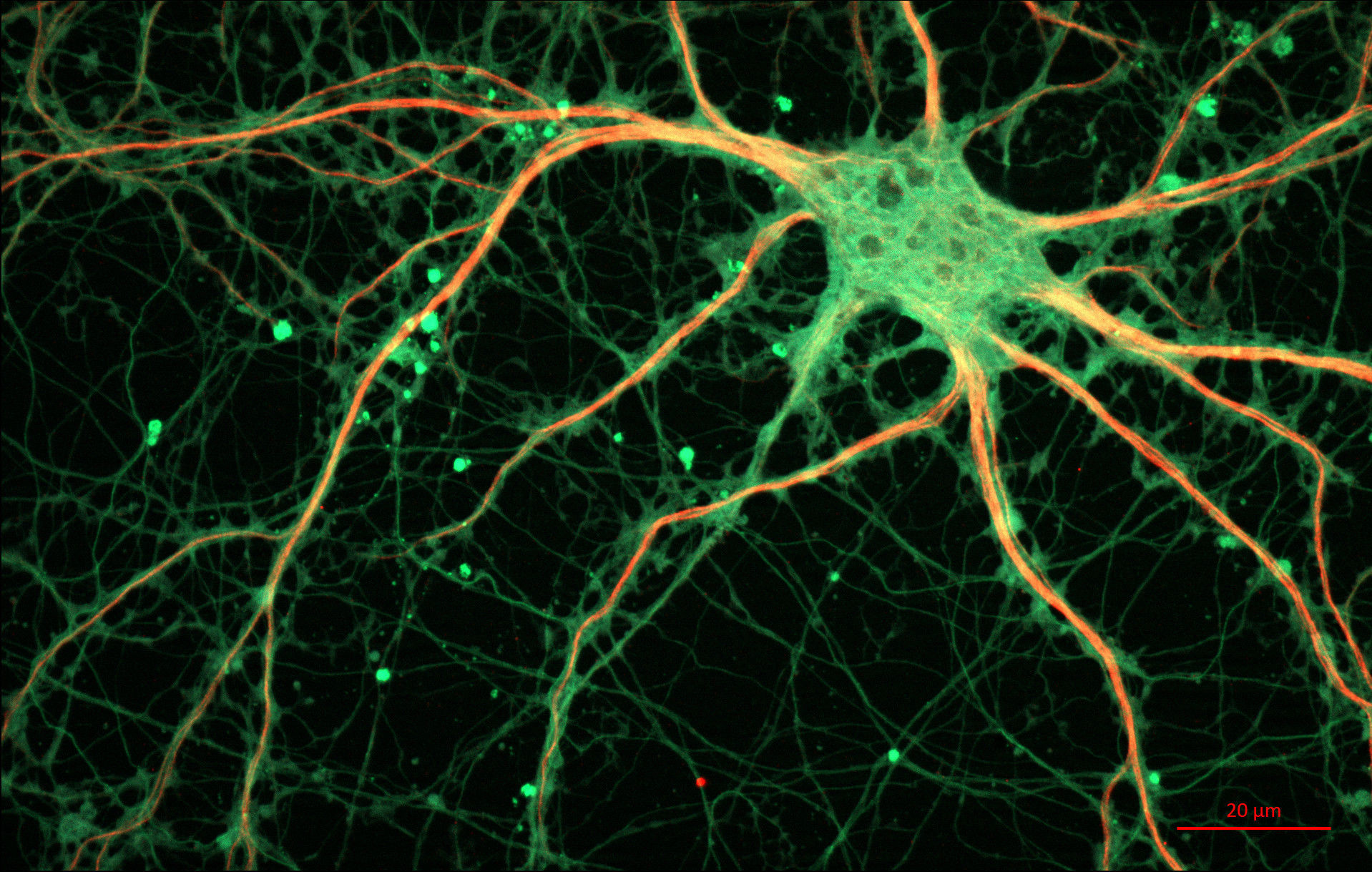
- 7Neuroscience studies in Languageit has shown that late learners: syntactic abilities do not develop at the rame rate or to the same extent

- 8Neuroscience studies in ReadingLearning to read and write in childhood changes the functional organization of the adult brain.
In regards to dyslexics, studies have shown that they're abilities are immature, rather than inaccurate.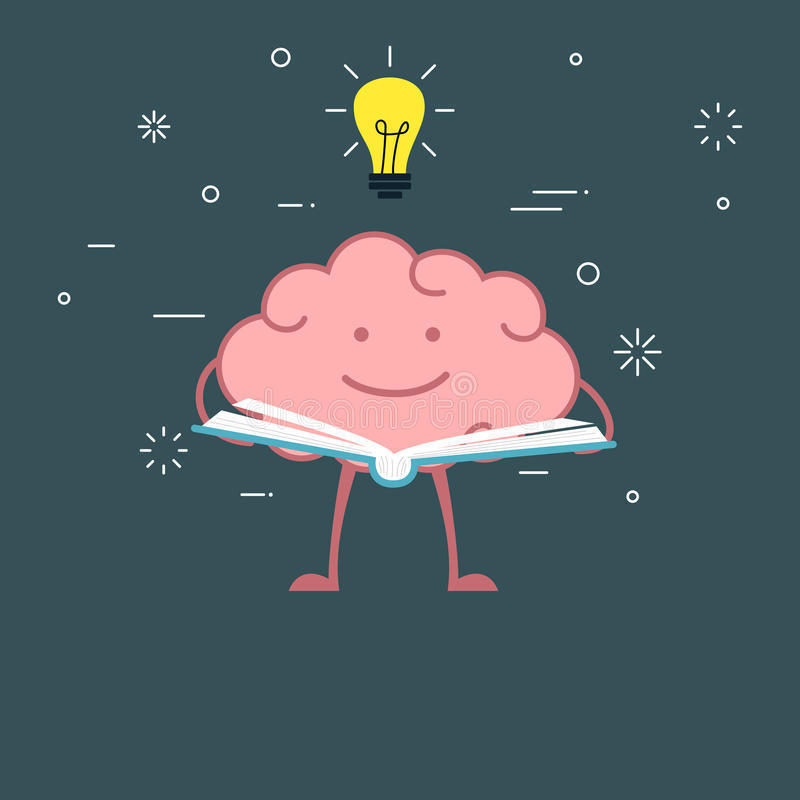
- 9Neuroscience in MathThere is more than one neural system for the representation of numbers.

- 10Effects of ExperienceExperiences affect the plasticity of the brain. Some experiences related to need, spacial activities, musical practice change the formations inside the brain
- 11Sleep and cognitionREM sleep is important for learning and memory.
Certain regions of the brain reactivate during sleep.
- 12NeuromythsScientific findings have shown that there has been some misinformation in regards to neuroscience and education.

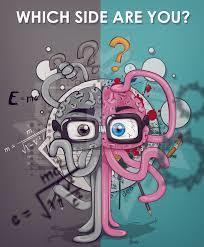
- 131. Left brained ? or right brained?There are no hemispheric differences, there are massive cross-hemisphere connections in the normal brain and they work together in every cognitive task.
- 142. Education most occur only during critical periods for learning to happenThere are optimal periods for learning. However, an adult, can learn maybe not the same way as a kid does, but learning will happen.
- 153. Effective educational interventions need to be timed.greater synaptic density does not predict a greater capacity to learn
- 164. Female brain Male brainIt refers to the differences in cognitive style, rather than in biological differences.
It was argued that men were "systemizers" and women were "emphasizers".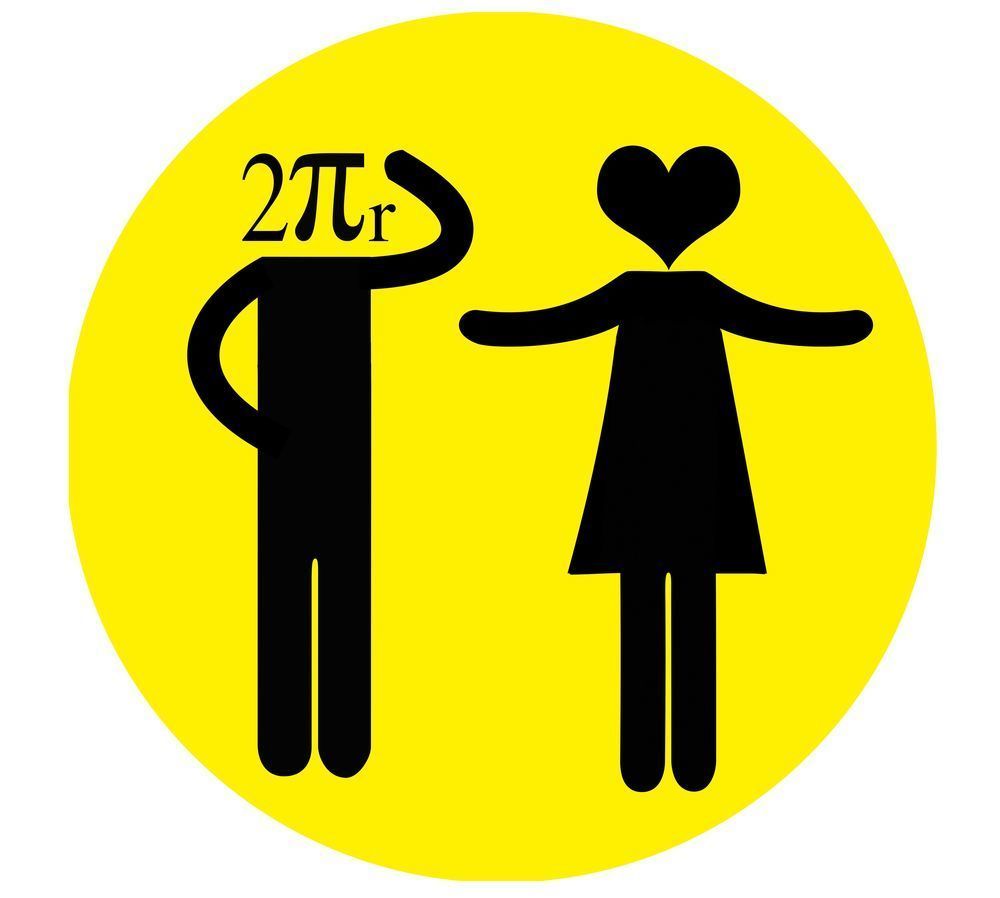
- 17ReferencesUsha Goswami. Neuroscience and Education. Extract from: file:///C:/Users/Karen/Downloads/Goswami_2004_BJEP_74_1-14.pdf
Informationen
- Beschreibung
- A brief view to how the brain works and how its study is related to education advances
- Erstellt von
- karen navas · Jun 2018
- Aktualisiert
- 10 Jun 2018
- Aufrufe
- 122
- Tags
- Bewertung