GoConqr hat ein neues Design! Sag uns, wie es dir gefällt.

Karteikarten

TIM versus R Factor

Kelli Tebbe Professional Development Englisch 17 Karten

TIM versus R Factor

Karten in diesem Stapel (17)

  1. 1ACTIVE: Students are actively engaged in using technology as a tool rather than passively receiving information from the technology.ENTRY:
    Information passively received. Teacher centered and teacher directed.

    ACTIVE: Students are actively engaged in using technology as a tool rather than passively receiving information from the technology.ACTIVE: Students are actively engaged in using technology as a tool rather than passively receiving information from the technology.
  2. 2ACTIVE: Students are actively engaged in using technology as a tool rather than passively receiving information from the technology.ADOPTION:
    Conventional, procedural use of tools. Teacher decides what technology & when & how to use it.

    ACTIVE: Students are actively engaged in using technology as a tool rather than passively receiving information from the technology.ACTIVE: Students are actively engaged in using technology as a tool rather than passively receiving information from the technology.
  3. 3ACTIVE: Students are actively engaged in using technology as a tool rather than passively receiving information from the technology.ADAPTATION:
    Conventional, independent use of tools; some student choice & exploration.
    ACTIVE: Students are actively engaged in using technology as a tool rather than passively receiving information from the technology.ACTIVE: Students are actively engaged in using technology as a tool rather than passively receiving information from the technology.
  4. 4ACTIVE: Students are actively engaged in using technology as a tool rather than passively receiving information from the technology.INFUSION:
    Choice of tools & regular self-directed use. Students choose when & what tech to bring in to support learning..
    ACTIVE: Students are actively engaged in using technology as a tool rather than passively receiving information from the technology.ACTIVE: Students are actively engaged in using technology as a tool rather than passively receiving information from the technology.
  5. 5ACTIVE: Students are actively engaged in using technology as a tool rather than passively receiving information from the technology.Transformation:
    Extensive & unconventional use of tools. Learning that cannot happen without technology.
    ACTIVE: Students are actively engaged in using technology as a tool rather than passively receiving information from the technology.ACTIVE: Students are actively engaged in using technology as a tool rather than passively receiving information from the technology.
  6. 6COLLABORATIVE: Students use tech tools to collaborate with others rather than working individually at all times.ENTRY:
    Individual student use of tools.
    Teacher centered and teacher directed.

    COLLABORATIVE: Students use tech tools to collaborate with others rather than working individually at all times.COLLABORATIVE: Students use tech tools to collaborate with others rather than working individually at all times.
  7. 7COLLABORATIVE: Students use tech tools to collaborate with others rather than working individually at all times.ADOPTION:
    Collaborative use of tools in conventional ways. Teacher makes all decisions in use of tech.
    COLLABORATIVE: Students use tech tools to collaborate with others rather than working individually at all times.COLLABORATIVE: Students use tech tools to collaborate with others rather than working individually at all times.
  8. 8COLLABORATIVE: Students use tech tools to collaborate with others rather than working individually at all times.ADAPTATION:
    Collaborative use of tools; some student choice and exploration.
    COLLABORATIVE: Students use tech tools to collaborate with others rather than working individually at all times.COLLABORATIVE: Students use tech tools to collaborate with others rather than working individually at all times.
  9. 9COLLABORATIVE: Students use tech tools to collaborate with others rather than working individually at all times.INFUSION:
    Choice of tools & regular use for collaboration. Students choose when & what tech to bring in to support learning.
    COLLABORATIVE: Students use tech tools to collaborate with others rather than working individually at all times.COLLABORATIVE: Students use tech tools to collaborate with others rather than working individually at all times.
  10. 10COLLABORATIVE: Students use tech tools to collaborate w/others rather than working individually at all times.Transformation:
    Collaboration with peers & outside resources in ways not possible without technology.
    COLLABORATIVE: Students use tech tools to collaborate w/others rather than working individually at all times.COLLABORATIVE: Students use tech tools to collaborate w/others rather than working individually at all times.
  11. 11—Press Pause to get clarity about what response you need in order to get the outcome you want.Press Pause to get clarity about what response you need in order to get the outcome you want.

  12. 12—Get Your Mind Right to create the energy you need to respond and not react.Get Your Mind Right to create the energy you need to respond and not react.

  13. 13—Step Up and take the action needed to get the "outcome" you want.Step Up and take the action needed to get the "outcome" you want.

  14. 14—Adapt & Adjust: Things change so be flexible.Adapt & Adjust: Things change so be flexible.
  15. 15—Make a Difference: The impact of your response creates an event for others.Make a Difference: The impact of your response creates an event for others.

  16. 16—Build Skill: Grow the habits and skills necessary for the life you want.Build Skill: Grow the habits and skills necessary for the life you want.
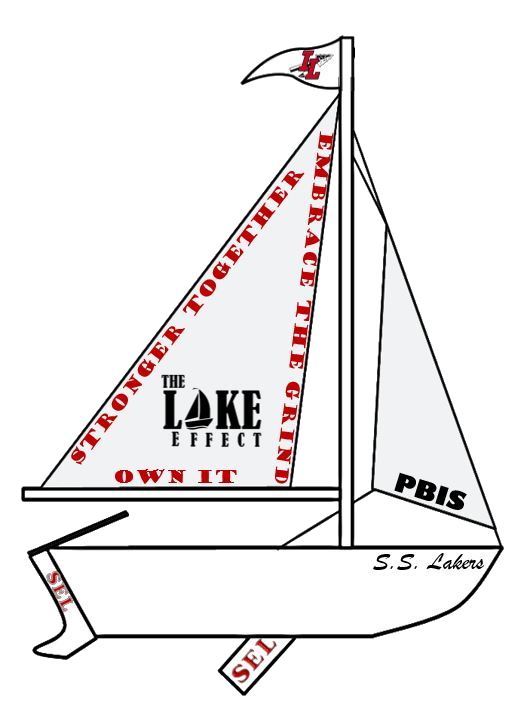
  17. 17—The LAKE EFFECT embraces our school culture playbook, R Factor, PBIS, and SEL..The LAKE EFFECT embraces our school culture playbook, R Factor, PBIS, and SEL..The LAKE EFFECT embraces our school culture playbook, R Factor, PBIS, and SEL..
Informationen

Beschreibung
Professional Development Karteikarten am TIM versus R Factor, erstellt von Kelli Tebbe am 08/08/2021.
Erstellt von
Kelli Tebbe
Aufrufe
0
Bewertung

Feedback

Worum geht es?

Wie gefällt dir das neue Design?

Dein Eindruck