
Karteikarten
Grupo 6- Sensitivity

Karten in diesem Stapel (26)
- 1Nervous System:The nervous system receives information from the five sense organs, then analyzes and interprets this information. It responds by sending messages which cause the body to react. The nervous system is made up of millions of nerve cells called neurons. It is made up of two parts: the central nervous system and the peripheral nervous system.

- 2Neurons:are made up of a cell body (soma) and two types of prolongations; dendrites and axons, which are specialized in carrying messages.

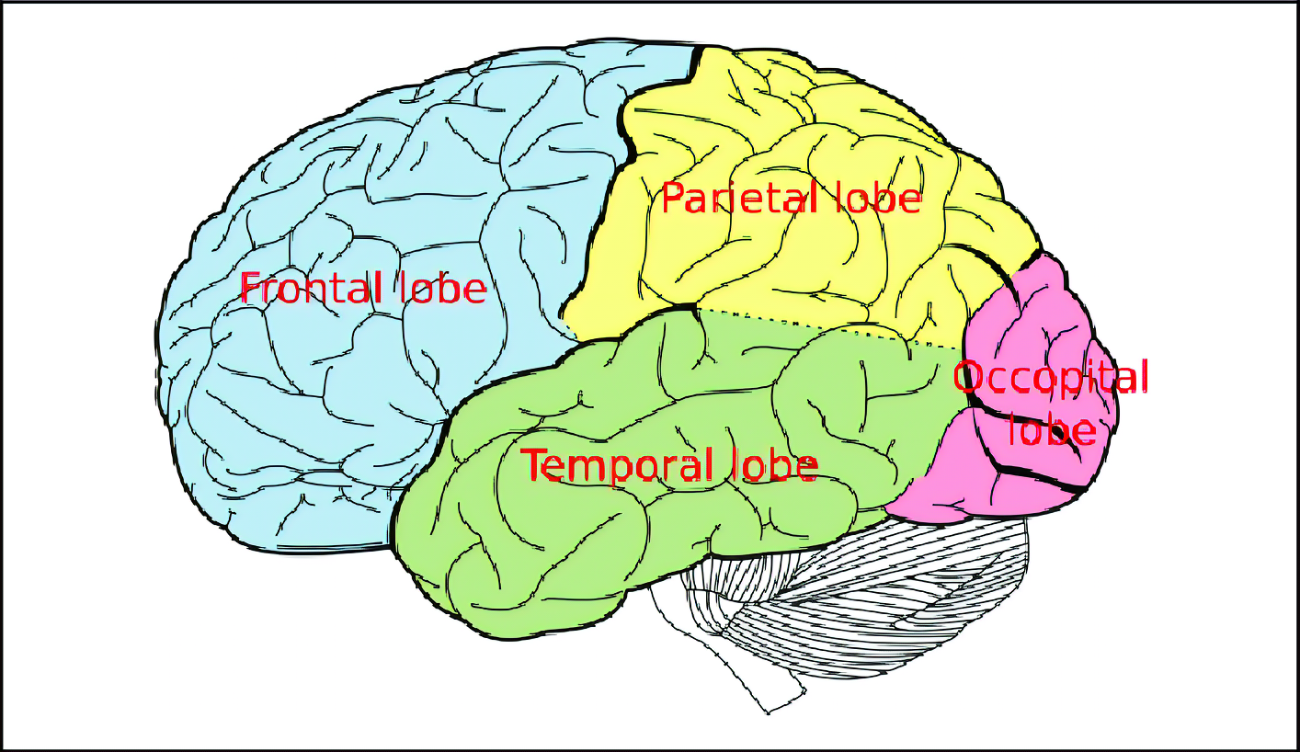
- 3Central Nervous System:The central nervous system is made up of two parts: the brain and the spinal cord. The brain is the control center of the whole nervous system and it is made up of three parts: the cerebrum, the cerebellum and the brain stem

- 4Brain stem:The brain stem controls involuntary movements, such as breathing, digestion or the beating of our heart. The brain stem connects the brain to the spinal cord.

- 5Cerebrumis the biggest part of our brain; it controls our thoughts, emotions, language and behavior. It also controls our voluntary movements, which are actions we do consciously, such as dancing, talking or kicking a ball. The cerebrum is divided into the left and right hemispheres.
- 6Cerebellum:is the part of our brain that controls movement, balance and coordination.

- 7The Spinal Cord:is made up of nerve tissue. It runs down the spine and it is protected by bones, called vertebrae. The spinal cord controls our reflex actions.

- 8Peripheral nervous system:is made up of nerves which carry messages to and from the central nervous system.

- 9Sense organscollect information from the environment and send it to the brain.

- 10Cornea and pupil:let the light enter through the eye.

- 11Iris:is a muscle that makes the pupil bigger or smaller. It controls the amount of light that enters our eyes.

- 12The lens:focuses the light which allows images to be projected onto the retina at the Back of our eye.
- 13Auditory Canal:canal through which sound waves enter through the outer ear and makes the eardrum vibrate

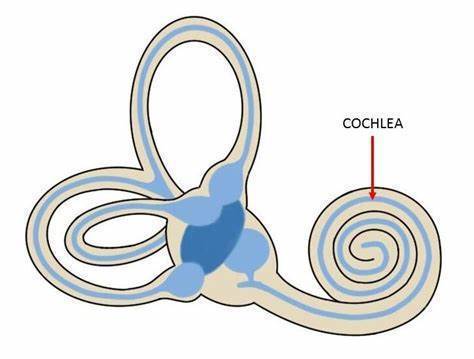
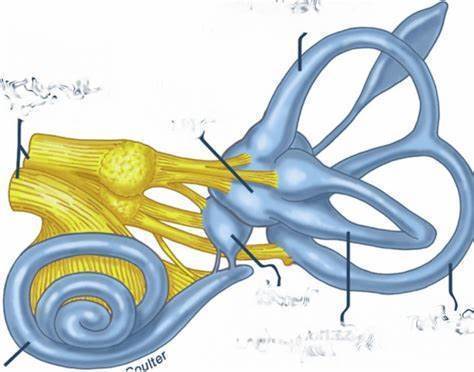
- 14Cochlea:is in the inner ear. It detects sound vibrations in the ossicles and it produces electrical signals.
- 15Auditory Nerves:carries the electrical signals to the brain.

- 16Semicircular canals:keep our balance and equilibrium.
- 17Nerve receptors:send the information along the olfactory nerve to our brain.

- 18Nostrils:holes in our nose through which chemical particles in the air enter our body.
- 19Taste buds:this detects tastes like sweet, sour, bitter, salty by receptor cells.

- 20Gustatory Nerves:electrical signals are carried to the brain by these nerves.

- 21Epidermis:the top layer of the skin is called epidermis. our skin covers and protects the body.

- 22Nerves:The dermis contains many blood vessels and nerves. These nerves can detect sensations, such as heat, pressure and texture. The nerves in your skin send electrical signals to the brain.
- 23Reception cells:send information to the brain through the nerves.

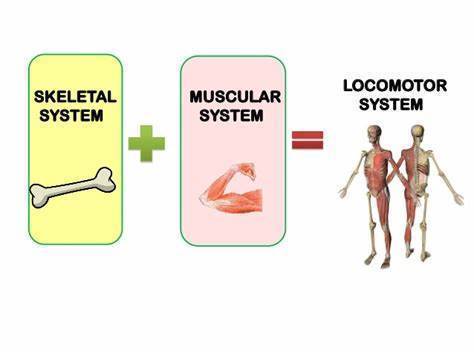
- 24Locomotor system:It enables us to move. It is formed by the skeletal system and the muscular system
- 25Skeletal system: 1- Joints 2- Bones1- Joints: our bones are connected by joins. Our joints are held together by strong elastic tissues. The ends of our bones are protected by strong, flexible tissue called cartilage.
2- Bones: these are rigid, resistant organs that form the skeleton.
- 26Muscular system: 1- Muscles 2- Tendons1.-Muscles: a tissue of the body consisting of long cells that can contract and produce motion.
2.-Tendons: connect muscles to bones

Informationen
- Beschreibung
- Grupo 6- Sensitivity
- Erstellt von
- Beatriz Perez Valero
- Aufrufe
- 51
- Tags
- Bewertung