Karteikarten
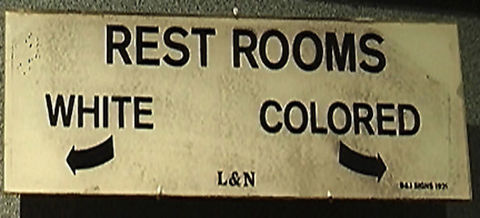
Separate But Equal
Karten in diesem Stapel (23)
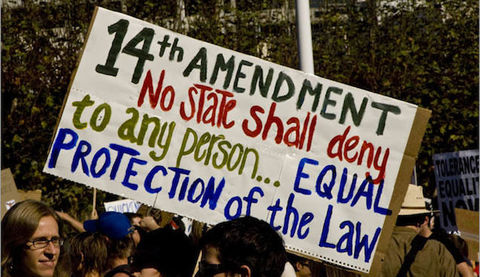
- 114th AmendmentOne of the Civil War Amendments; defined US citizenship and guarantees "equal protection under the laws"
- 2De Jure SegregationSegregation established by law. For Example: Jim Crow & the Supreme Court decision in Plessy v. Ferguson.
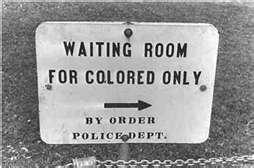
- 3De Facto SegregationLatin phrase that means "by fact". Segregation that occurred NOT by law but as result of tradition. Example: In the 1900s blacks and whites attended separate churches.
- 4Jim Crow LawsSegregation laws in the South
- 5Original JurisdictionAuthority of a court to hear a case for the FIRST time.
- 6Appellate JurisdictionThe authority of a court to hear a case APPEALED from a lower court
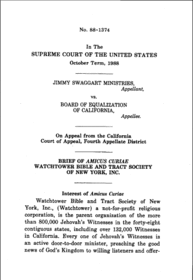
- 7Legal BriefA written document explaining the position of one side or the other in a case.
- 8Majority OpinionA statement that presents the views of the majority of the Supreme Court justices regarding a case.
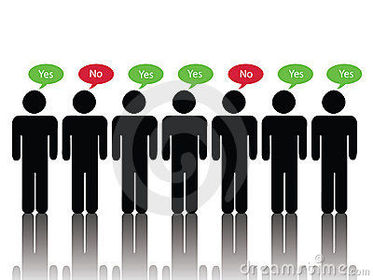
- 9Dissenting OpinionA statement written by a Supreme Court justice who disagrees W/ the majority opinion, presenting his or her own opinion

- 10"Stare Decisis"Principle followed by judges and the Supreme Court; a Latin term that means"Let Yesterday's Opinion Stand"
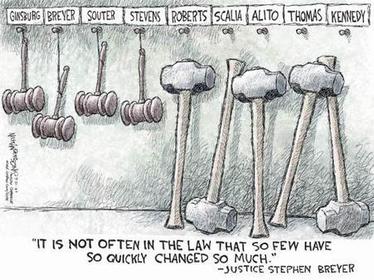
- 11PrecedentA ruling that is used as the bias for a judicial decision in a later, similar case.
- 12SUPREME COURT CASES14th AMENDMENT CASES
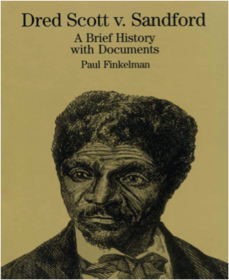
- 13Dred Scott v. Sanford (1857)Case of slaves named Dred Scott. The Supreme Court ruled that enslaved African Americans were property, not citizens, and had no rights under the Constitution
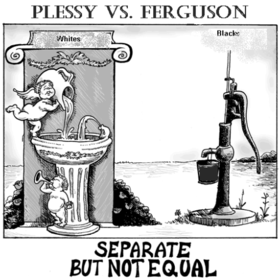
- 14Plessy v. Ferguson (1896)Case about Homer Plessy, a black man, who purchased a ticket ride in the whites only railroad car in Louisiana. Case established "Separate But Equal" doctrine
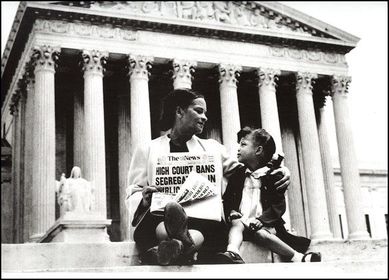
- 15Brown v. Education of Topeka, Kansas (1954)Banned segregation in public schools
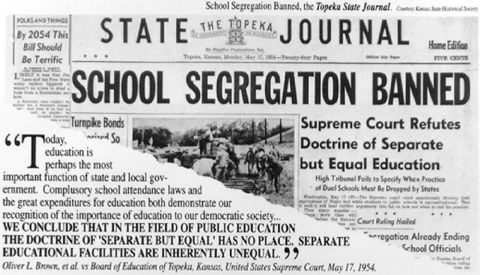
- 16Briggs v. Elliott (1954)Cause that challenged segregation schools in Clarendon County, South Carolina
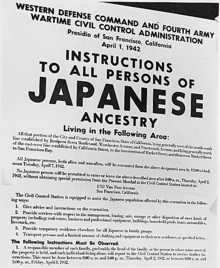
- 17Korematsu v. United States (1944)During WWII Japanese American citizens living on the West Coast were moved to internment camps. Supreme Court upheld the President's authority to do this. This case is an example of the President's power to issue an executive order, checks and balances, and Judicial review
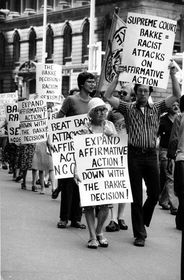
- 18University of California v. Bakke (1978)Supreme Court case on affirmative action. It bars. It bars use of racial quota systems in college admissions but also affirmative action programs are constitutional
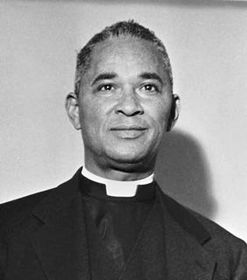
- 19Reverend J. A DelaineA local pastor & teacher at Liberty Hill Elementary School. In 1947, Delaine and a group of black parents sued Clarendon County School District #22.
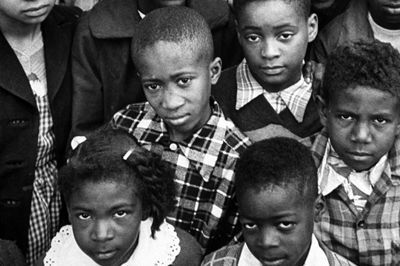
- 20Harry Briggs Jr.A boy who walked a far distance from and to school everyday. His family sued the school district for being segregated.
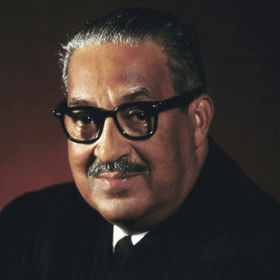
- 21Thurgood MarshallConsidered a civil rights hero, he became the first African-American Supreme Court justice.
- 22John W. DavisA judge on the Supreme Court who wanted to support desegregation.
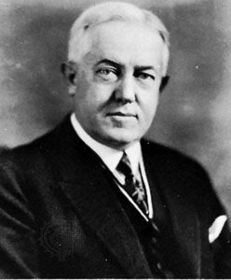
- 23Earl WarrenA Cali governor who was later became chief justice and supported the Internment of Japanese Americans