
Karteikarten
DC Machines, AC Motors and Motor Starters & Control Revision Flash Cards
Karten in diesem Stapel (17)
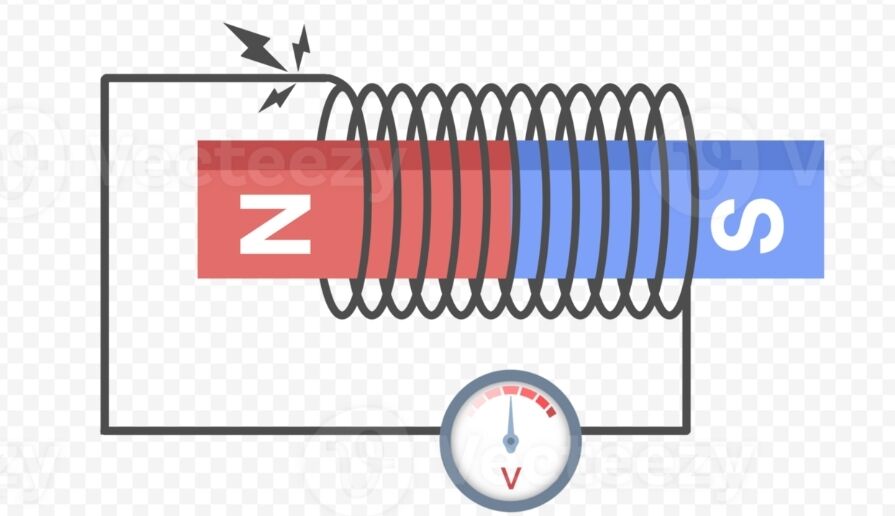
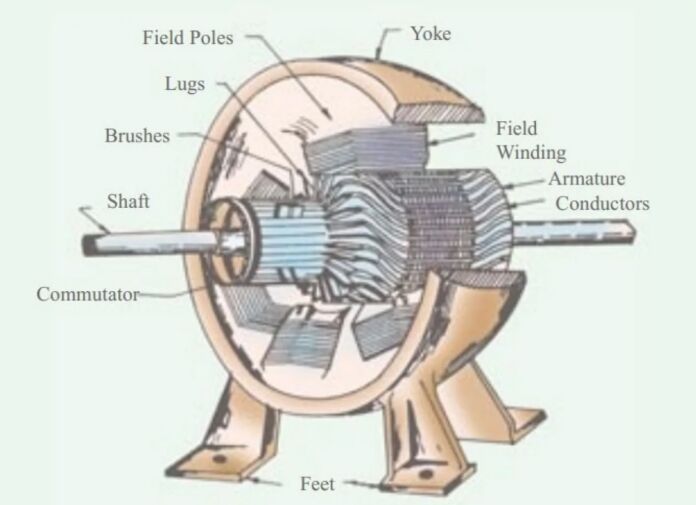
- 1DC Machine Basic Principle: What key law explains how a DC machine works (both motor & generator)?Electromagnetic Induction (Faraday's Law) — a conductor cutting magnetic flux induces an e.m.f., and current in a magnetic field produces force/torque.
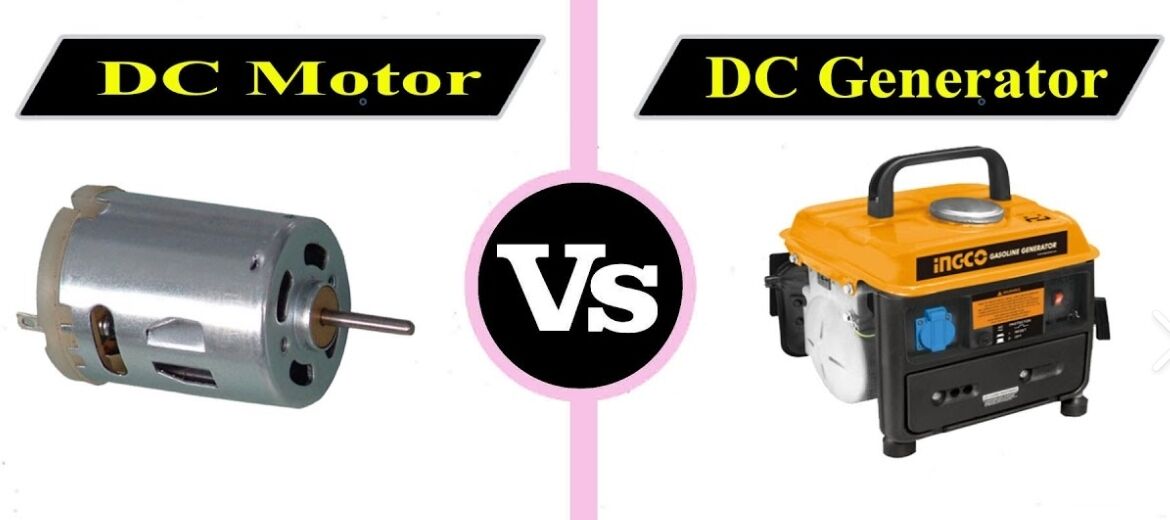
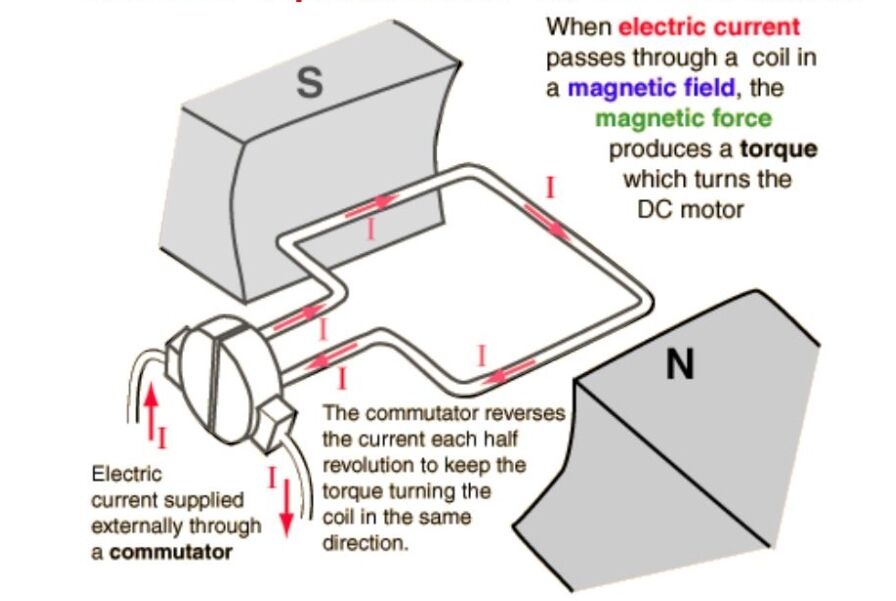
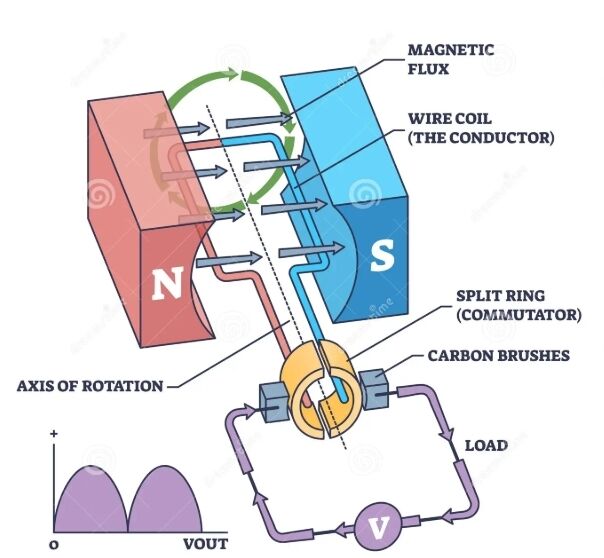
- 2DC Motor Operation: How does a DC motor produce rotation?Current through the armature in a magnetic field produces force (F = BIL), generating torque; the commutator keeps torque in one rotational direction.
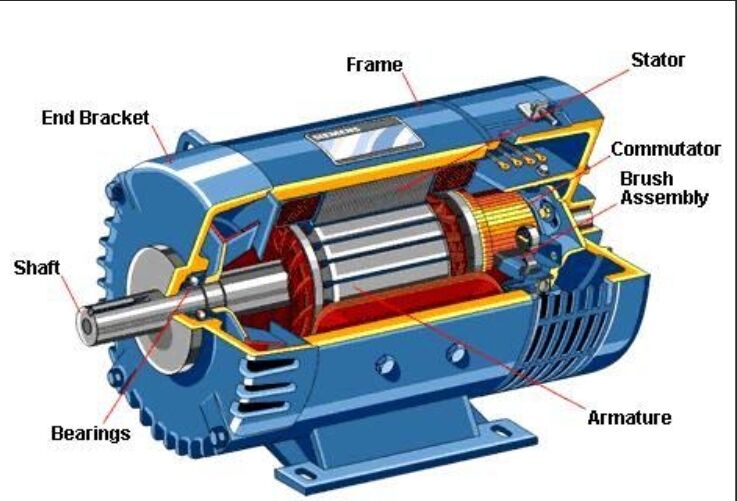
- 3DC Generator Operation: How does a DC generator create electricity?Mechanical rotation moves armature conductors through a magnetic field, inducing an e.m.f. which the commutator converts to DC.
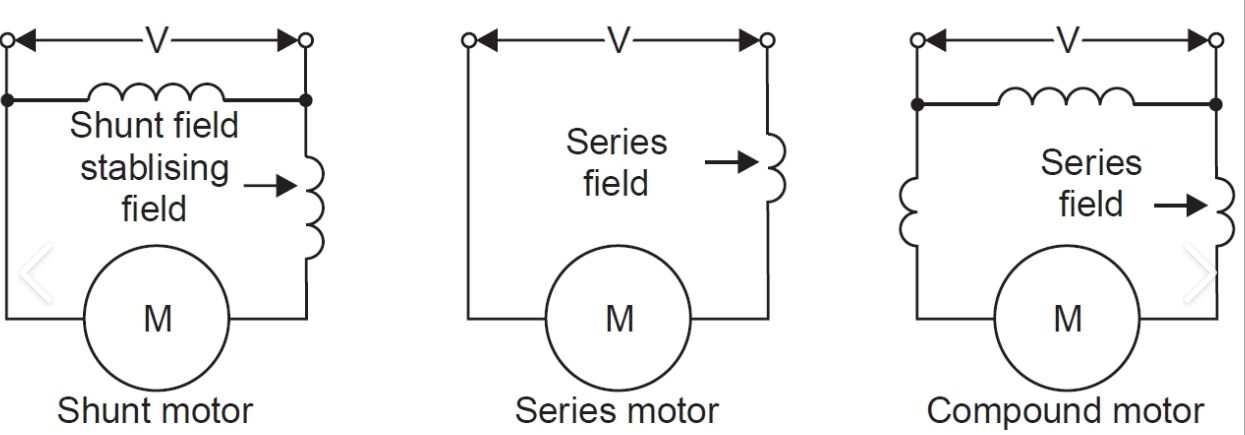
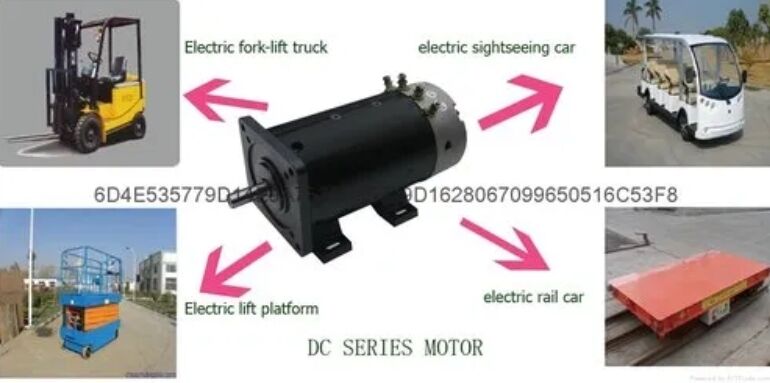
- 4DC Motor Types: What are the 3 main DC motor types and their characteristics?Series – very high starting torque, variable speed.
Shunt – good, almost constant speed.
Compound – mix of both, used for lifts/elevators.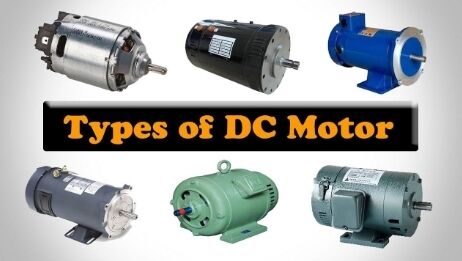
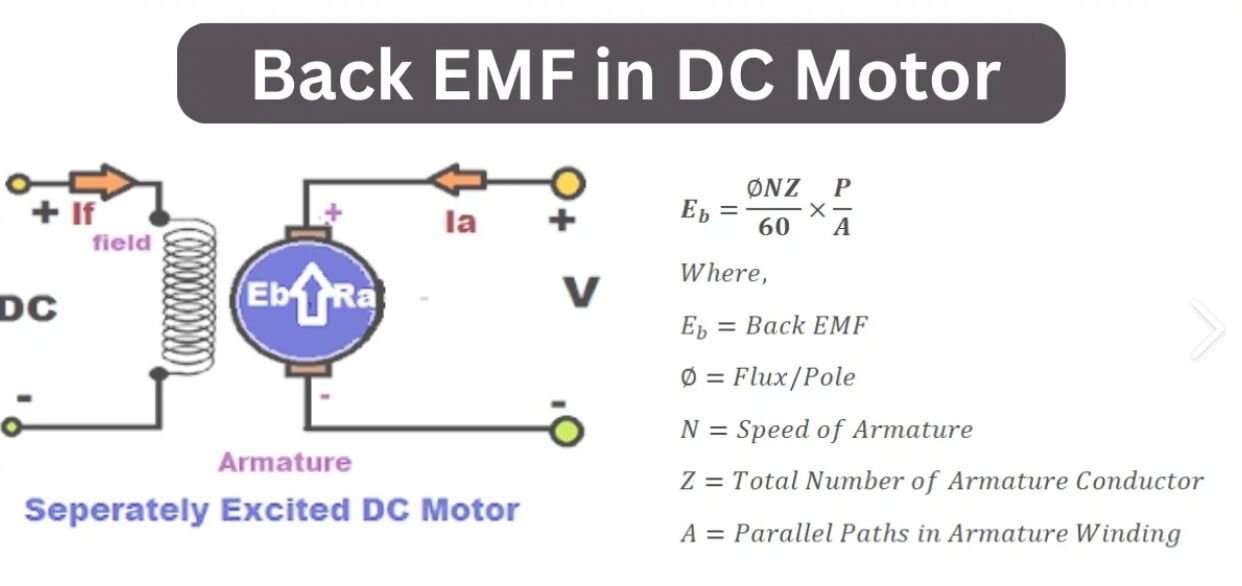
- 5Back EMF: What is back e.m.f. in a DC motor?A voltage generated in the armature that opposes the supply — it regulates motor speed and current.
- 6DC Machine Common UsesBattery‑powered tools
Portable appliances
Small lifting equipment (DC motors)
Emergency lighting charging systems (generators)
HVAC actuators and control motors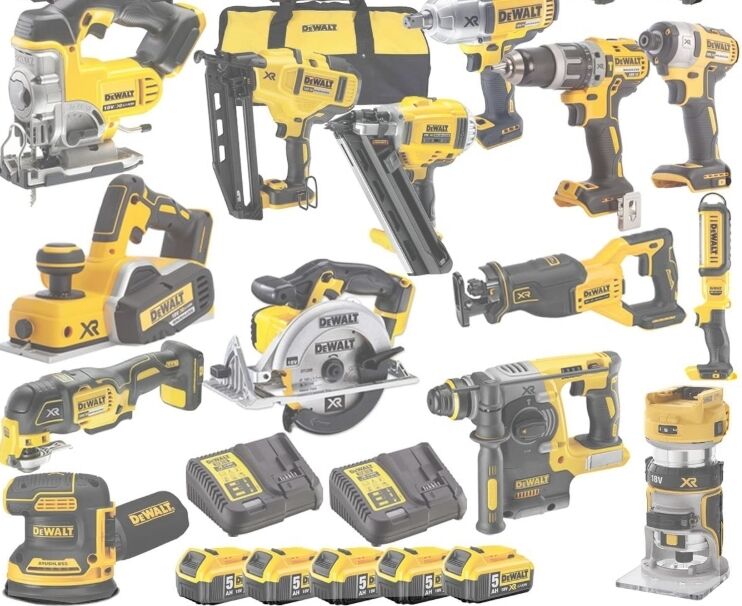
- 7AC Motor Basic Principle: What is the fundamental principle behind all AC motors?A rotating magnetic field (RMF) is produced in the stator and induces current/torque in the rotor.
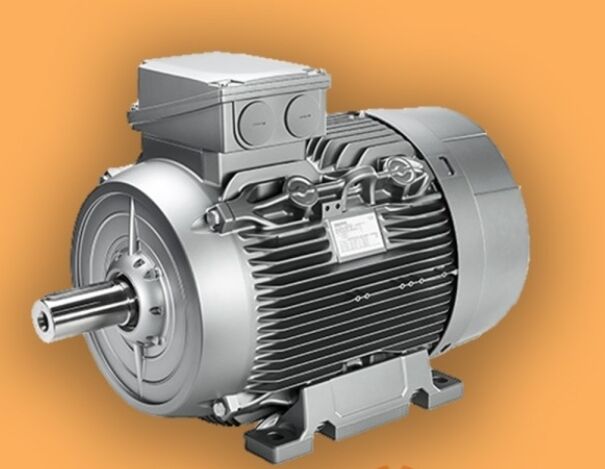
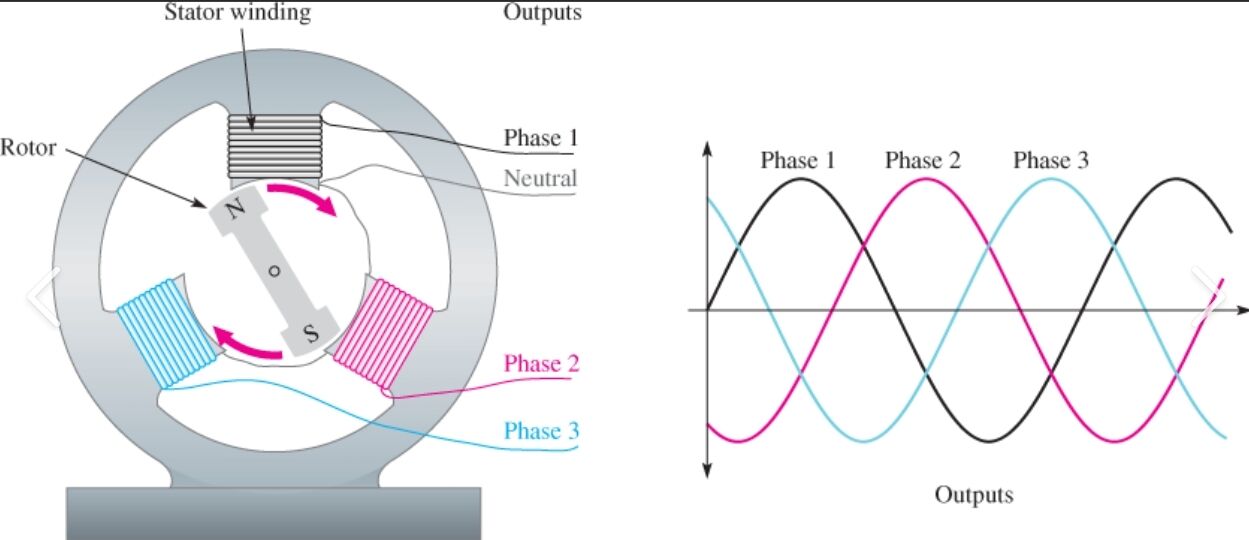
- 8Three‑Phase Induction Motor: Why are 3‑phase induction motors self‑starting?A naturally produced three‑phase rotating magnetic field induces rotor currents, creating torque automatically.
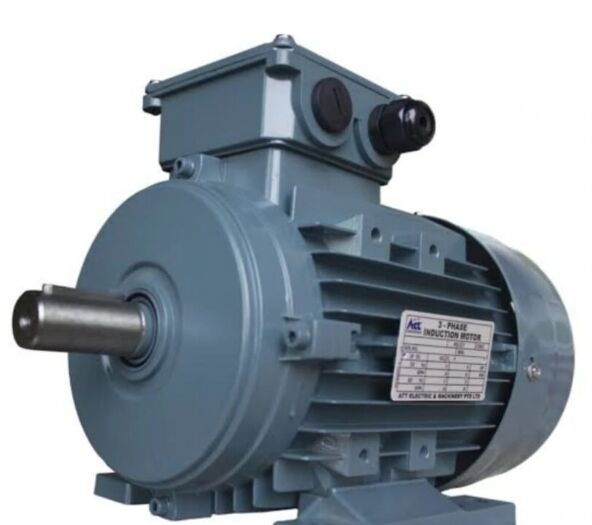
- 9Squirrel Cage Rotor: What is special about squirrel‑cage rotors?They are robust, simple, low‑maintenance, and operate at nearly constant speed.
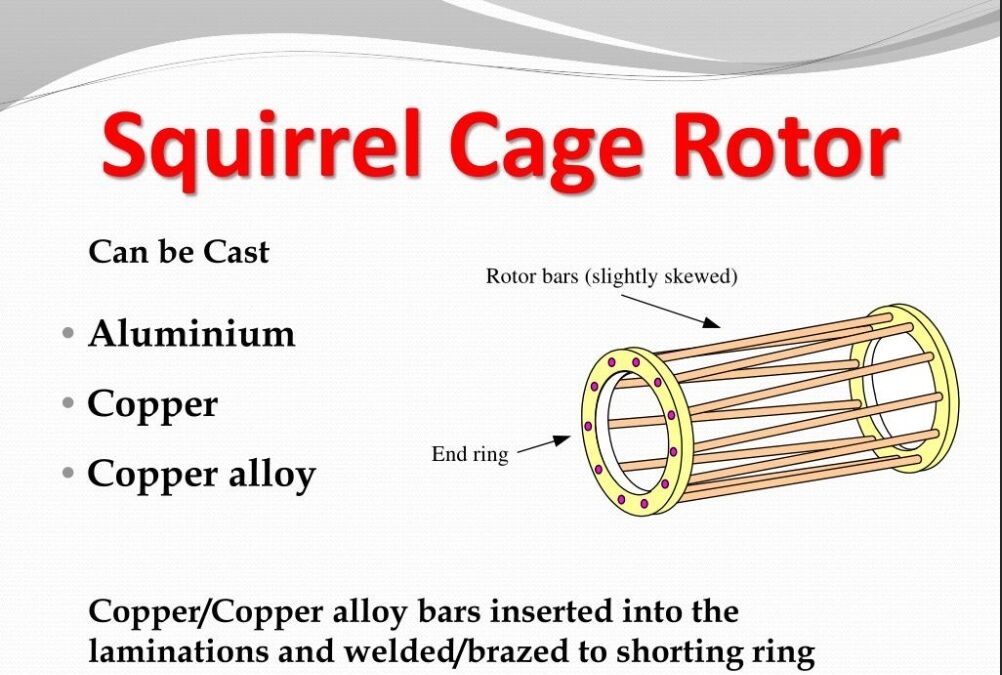
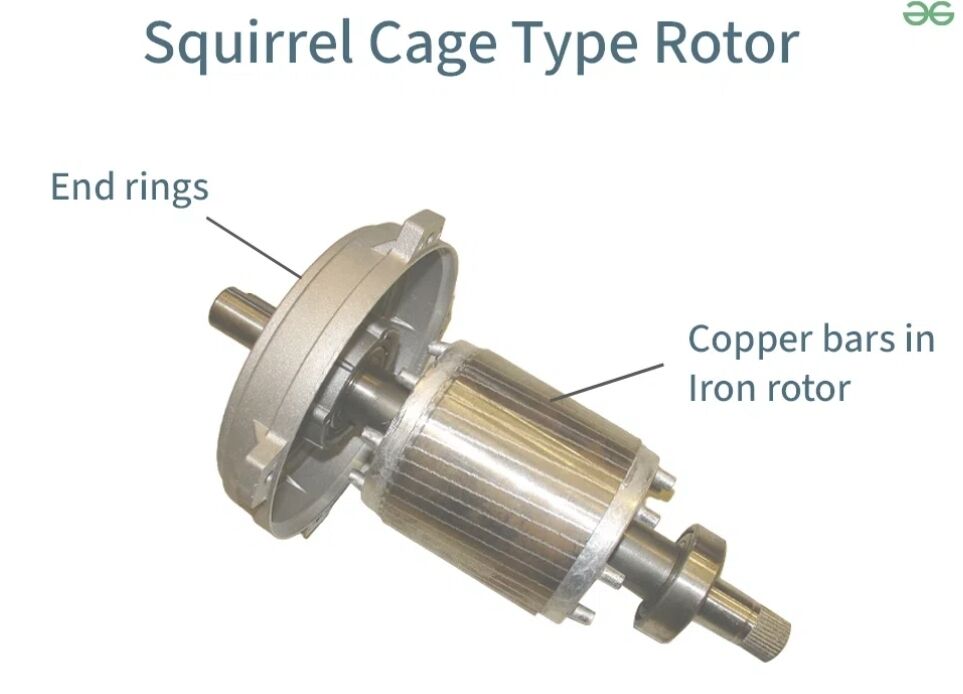
- 10Wound Rotor Machine: What advantage does a wound‑rotor induction motor have?External resistances can be added for high starting torque and speed control.
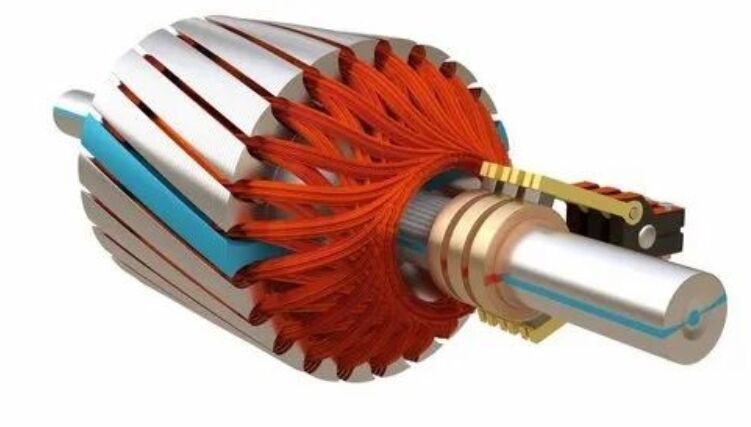
- 11Single‑Phase Motor Issue: Why is a single‑phase induction motor not self‑starting?A single‑phase supply only produces an alternating field, not a rotating one. Phase‑shift methods (capacitors, shading coils) create starting torque.
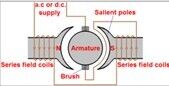
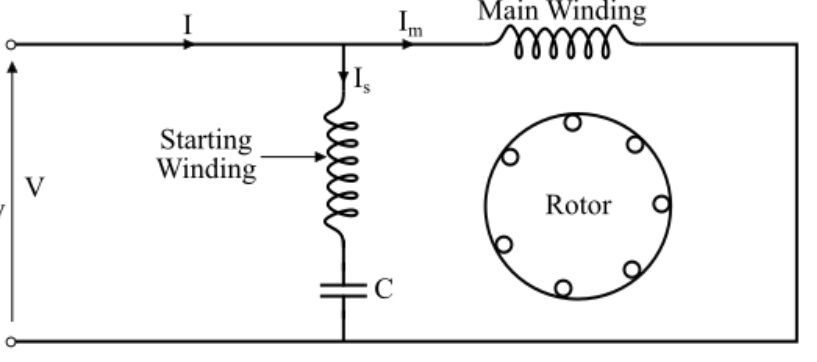
- 12Capacitor‑Start Motor: What does the capacitor do in a capacitor‑start motor?Creates a phase shift to generate a rotating magnetic field for high starting torque.
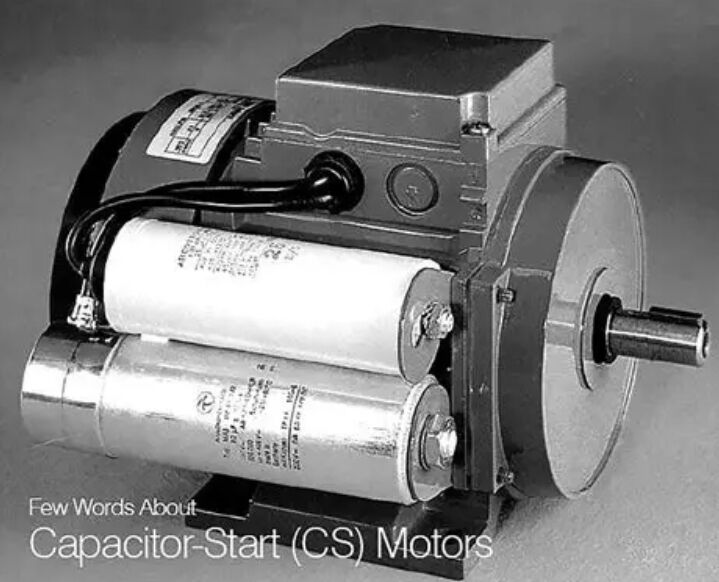
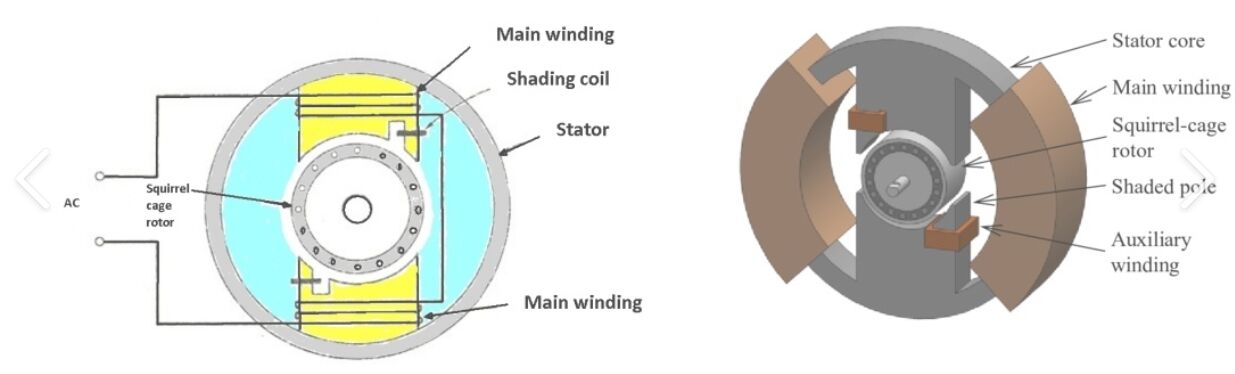
- 13Shaded‑Pole Motor: What is the operating principle of a shaded‑pole motor?A copper shading ring delays flux in part of the pole, producing weak rotation — simple, cheap, low torque.
- 14AC Motor Common Uses: Where are AC motors most commonly used in electrical installation?- Fans & extractors
- Pumps (heating, water boosting)
- HVAC units
- Conveyor systems
- Workshop machinery
- Boiler fans & circulation motors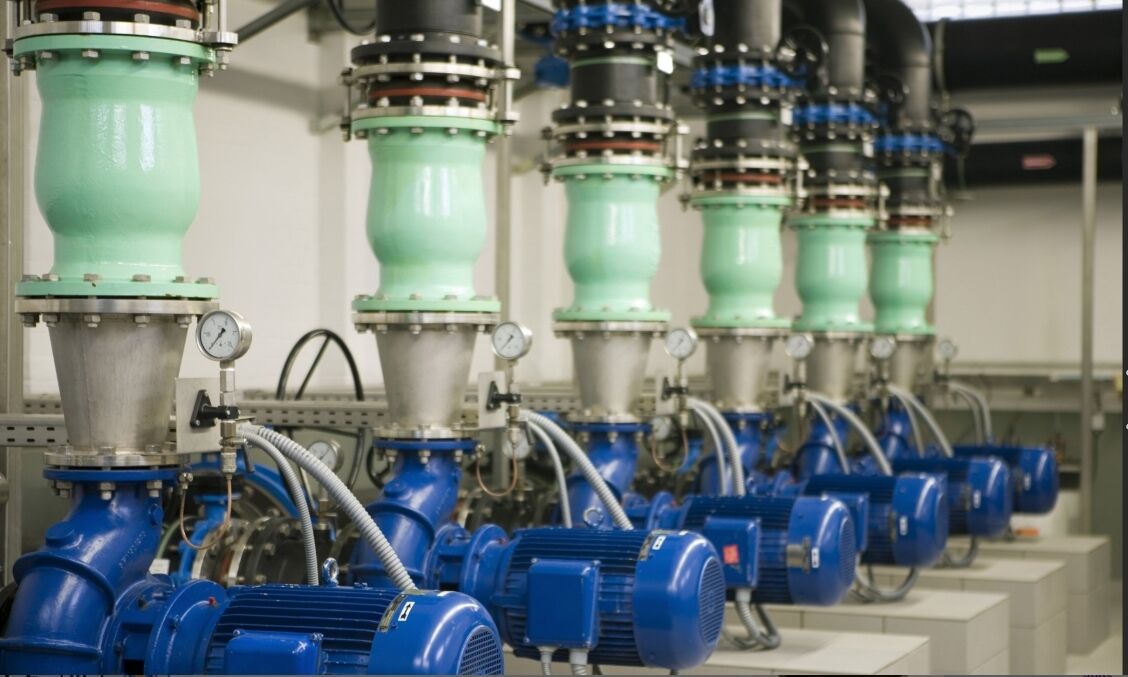
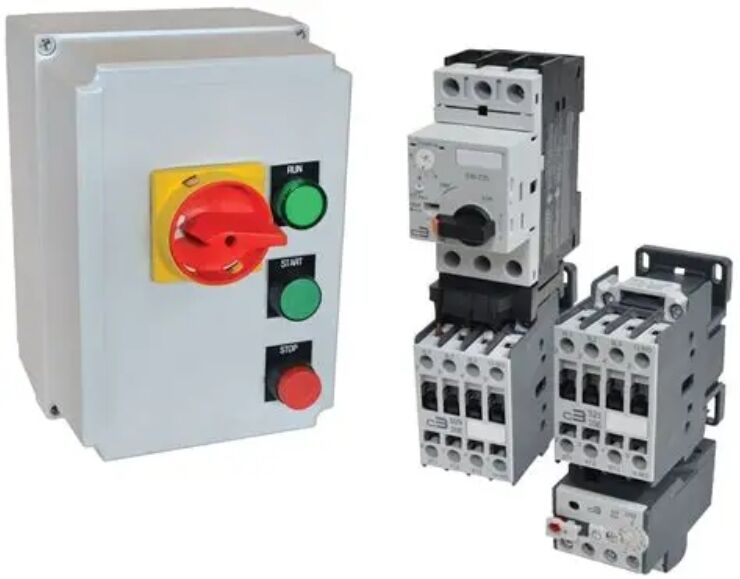
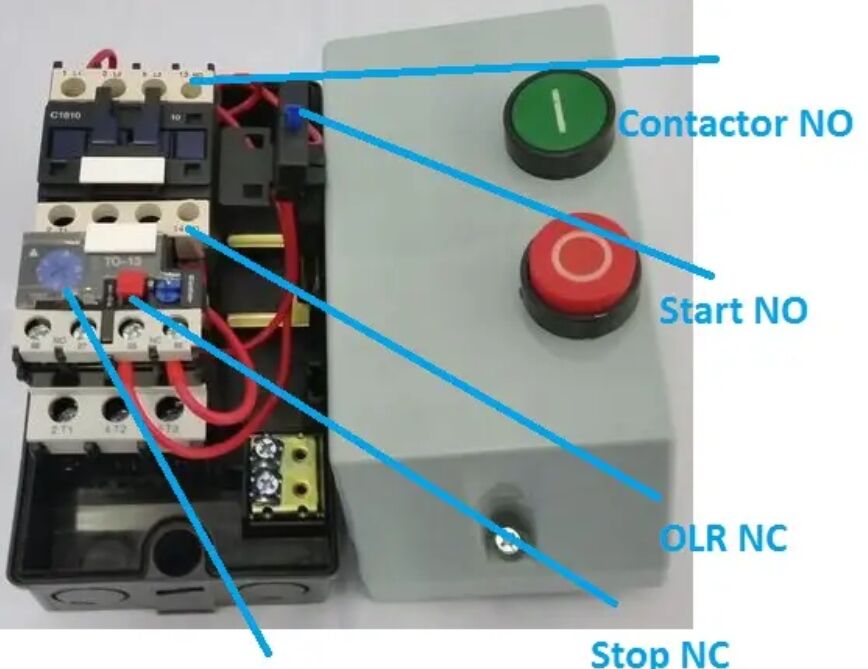
- 15Motor Starters & Control: What is a DOL starter used for?Direct Online Starter (DOL): Starting small motors (<5 kW). Simple, cheap, full‑voltage start.
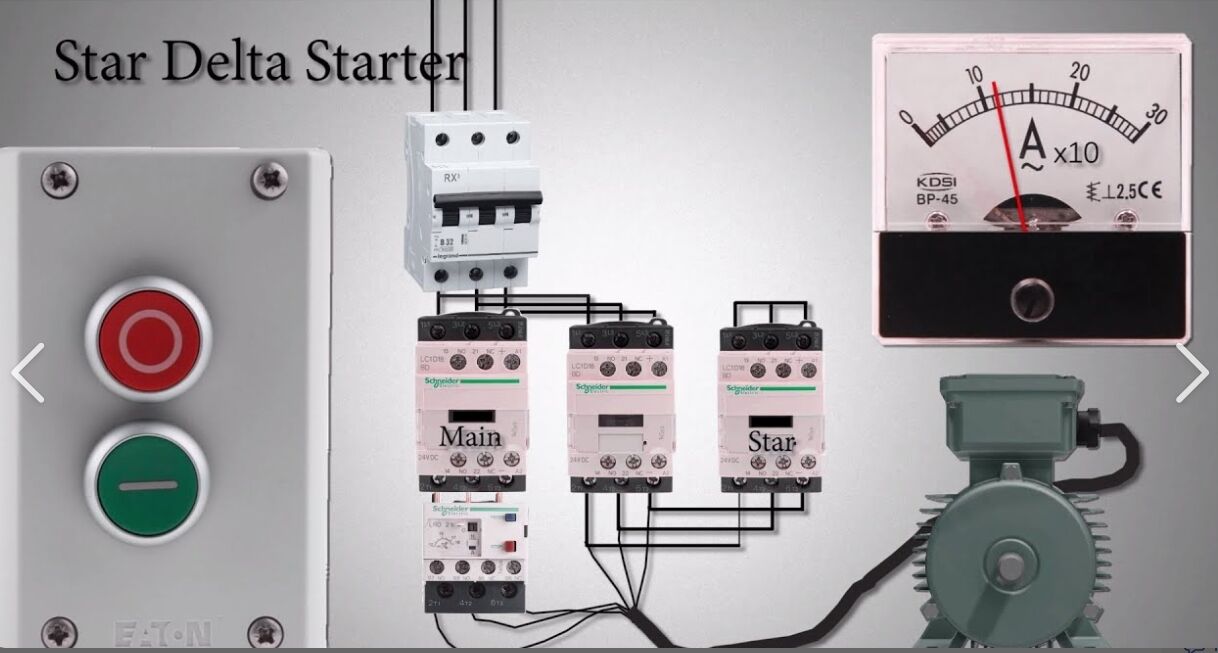
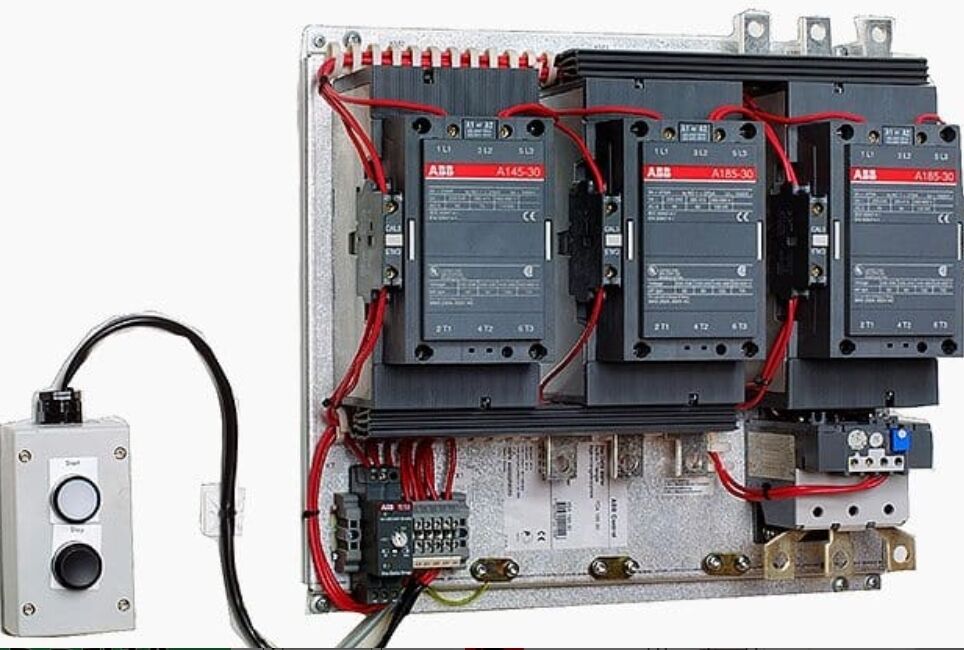
- 16Star‑Delta Starter: Why use a star‑delta starter?Reduces starting current for motors 5–20 kW by initially starting in star, then running in delta.
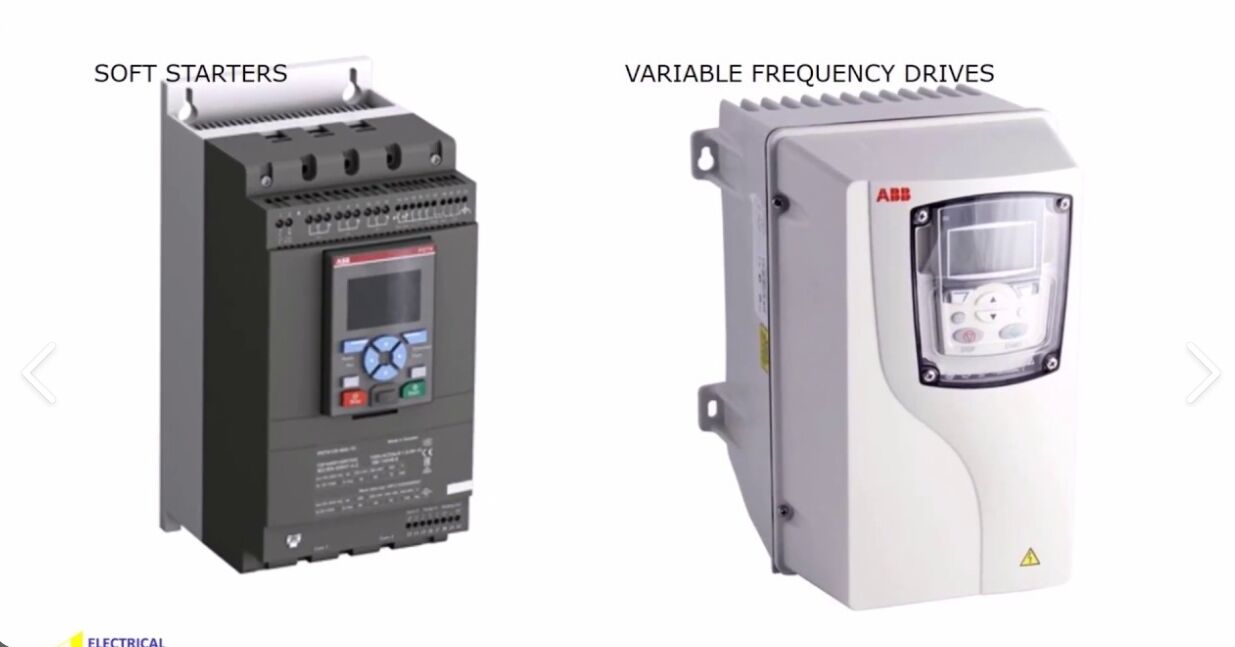
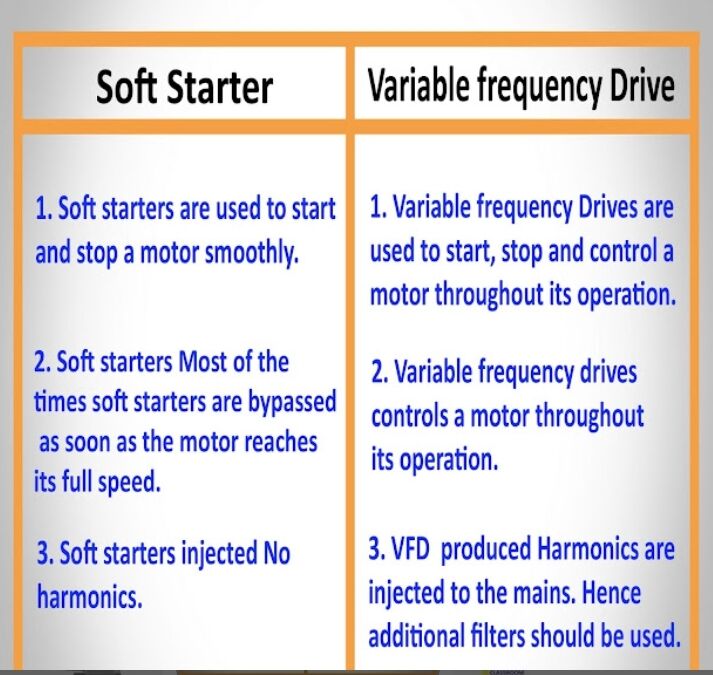
- 17Soft‑Start / Variable Frequency Drive (VFD): What does a VFD allow?Precision speed control, reduced starting current, torque smoothing, and energy efficiency.
Informationen
- Beschreibung
- L3 Electrical - Unit 308 Electrical Science Principles
- Erstellt von
- Oliver Balay · Mär 2026
- Aktualisiert
- 20 Mär 2026
- Aufrufe
- 48
- Bewertung